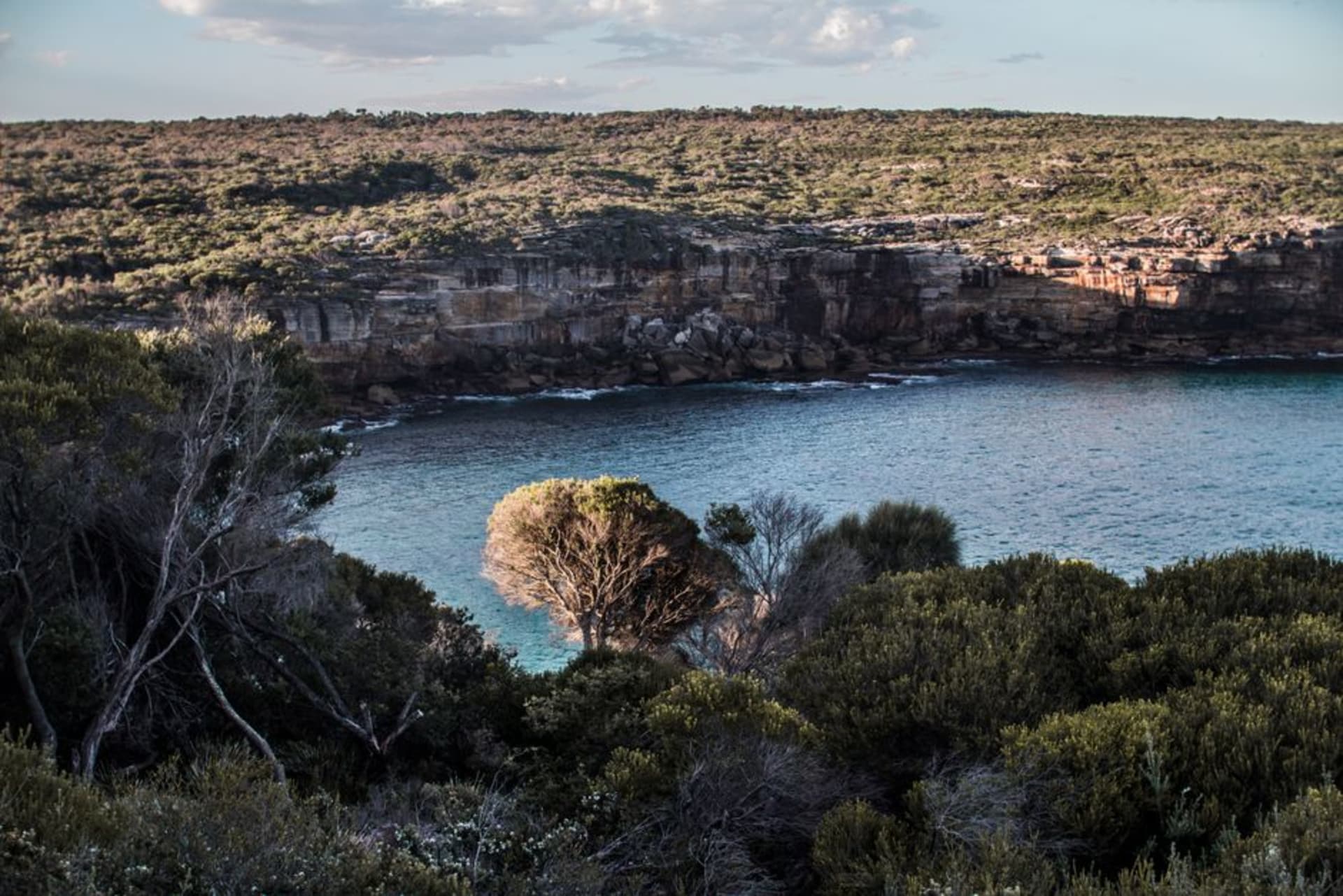
Innes National Park
"Some places don't need you to understand them, just to stand still and listen."
Wind-bent mallee scrub, a ghost town frozen mid-collapse, and surf breaks that made me forget my board wasn't good enough.
I hadn’t planned on stopping at Innes for more than an afternoon. Lia and I were meant to be driving the loop around Yorke Peninsula, ticking off beaches, and instead we stayed three nights in a campervan that smelled permanently of salt and eucalyptus. The park sits right at the peninsula’s southwestern tip, 9,100-odd hectares of low mallee scrub and dune systems that look almost lunar at dusk, and it’s one of the last places on the peninsula where you can still hear a western whipbird if you’re patient enough to sit motionless for twenty minutes. We weren’t, the first time. The second time, Lia caught the call before I did and grabbed my arm so hard I nearly dropped my coffee.
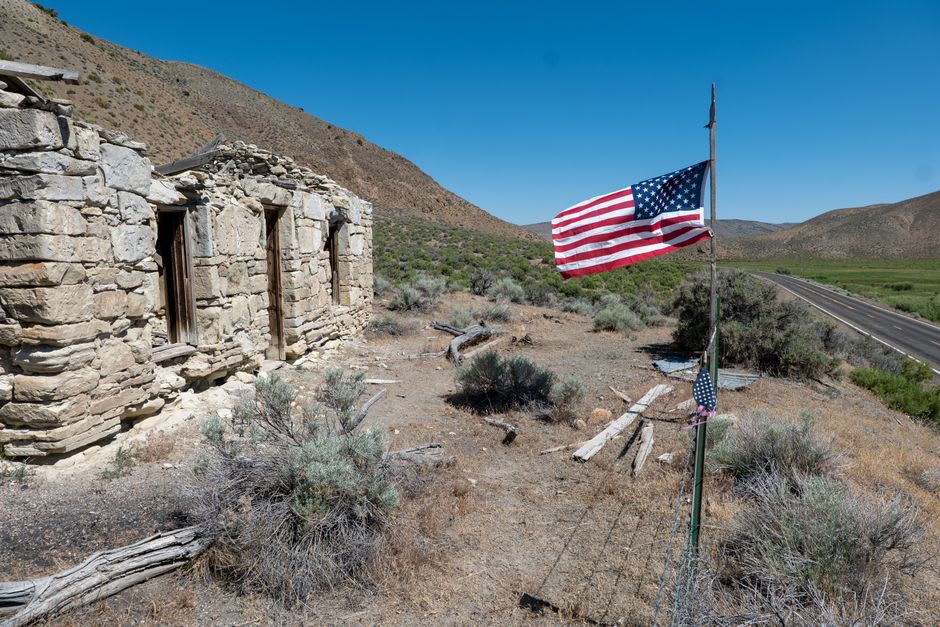
What got me most, though, was Inneston. We’d read a single line about a “ghost town” in a pamphlet at the visitor kiosk and expected a couple of signposts. Instead we found actual gypsum-mining cottages, roofless and stone-walled, machinery rusting quietly where it was left when the mine shut sometime in the 1930s after running from 1913. Walking through it at golden hour, with nobody else around, felt less like sightseeing and more like trespassing on someone else’s abandoned life. I kept expecting a door to creak.
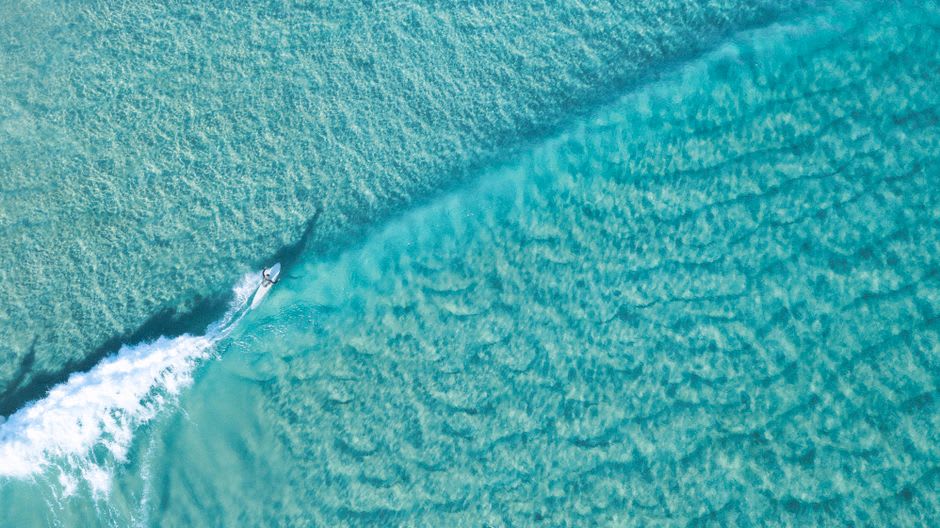
The coast redeemed any sense of solemnity fast. Pondalowie Bay is the reason surfers make the long drive down from Adelaide, and I paddled out on a rented board that was clearly built for someone with better balance than me. I caught exactly one wave I was proud of. Lia, who actually surfs, caught a dozen and laughed at me from the lineup each time I face-planted. Along the cliffs nearby there are heritage trail markers for the Ethel, wrecked in 1904, one of several ships that came to grief on this stretch of coast — standing there with the wind hammering in off the Southern Ocean, it’s not hard to see why.
By the last night we’d stopped trying to see everything and just sat on the dunes with a bottle of shiraz we’d picked up on the way from McLaren Vale, watching the light go orange over scrub that’s barely changed since the park was established in 1970. It’s not a park that performs for you. You have to meet it halfway.
When to go: Visit September to November or March to May, when the weather is mild and the surf at Pondalowie is at its most consistent — we went in October and never needed more than a light jacket at night.