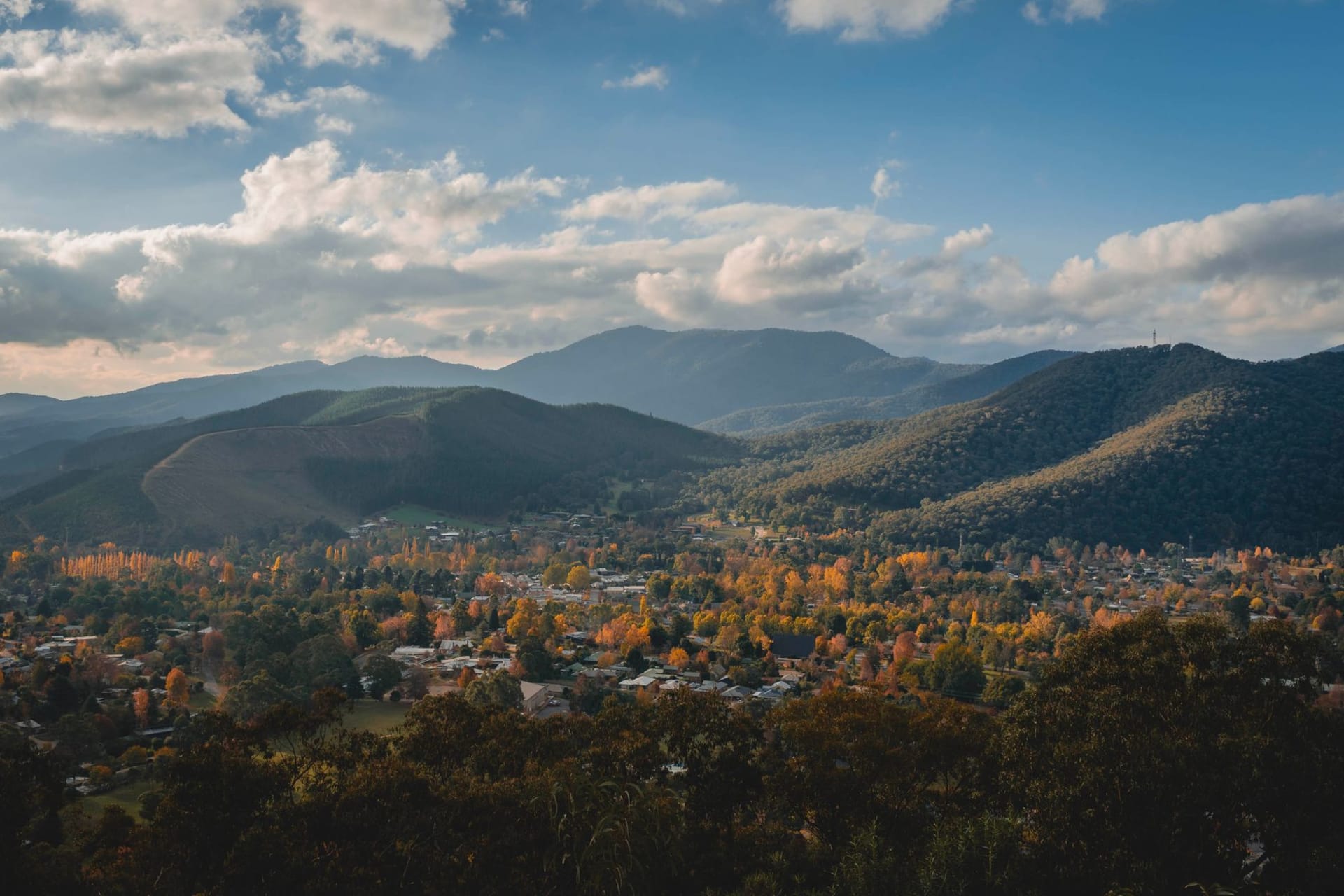
Clare Valley
"This is the Riesling I'd been trying to explain to people for years."
Why Riesling Here
I came to the Clare Valley with a specific agenda: I wanted to understand why Australian Riesling — Clare Valley Riesling specifically — has such a devoted following among people who normally drink European whites. These are not people easily impressed by New World wine, and yet when Clare comes up in conversation, something in their expression shifts.
The valley sits at higher elevation than the Barossa, about 130 to 480 metres, and the nights are genuinely cool. This temperature differential — hot days pulling sugar into the grape, cold nights preserving the acidity — is what creates that Clare style: lean, dry, with a lime-blossom character fresh and a finish that builds instead of fading. The wines age into something almost petrol-mineral after ten years in bottle. Not everyone wants to wait ten years. I do.
The Riesling Trail
The Riesling Trail runs 33 kilometres from Auburn to Clare along a converted railway line, and it’s the most civilised wine region experience I know. You can walk or cycle it, stopping at cellar doors as the mood takes you. The trail itself runs through gentle hills and past old stone walls — the Irish settler heritage is visible in the place names and the dry-stone field boundaries — and the cellar doors are spaced at intervals that suggest someone planned this with afternoon tasting paces in mind.
I rented a bike in Clare and rode south, stopping at Skillogalee for a late lunch on the terrace — lamb and local vegetables and a glass of their Riesling that had been open just long enough to open up. The view from the terrace is across the valley toward the ranges. It was a Tuesday in April and I was the only person there at two in the afternoon, which felt like a gift.
Watervale and the Polish Hill River
The Clare Valley contains several sub-regions that Riesling drinkers speak of with the reverence the French reserve for Burgundy appellations. Watervale is one: a sub-valley of red-brown clay over limestone where the wines develop a softer, slightly more generous character. Polish Hill River is another: named for the Polish settlers who worked the land, the soils here are harder and the Rieslings consequently more austere and angular.
The Grosset Wines Polish Hill Riesling is one of those wines that wine writers struggle to describe without repeating themselves. I drank a glass of the current release at the cellar door and then, impulsively, bought a bottle of the same wine from ten years prior. The transformation — from something lean and taut into something complex and layered — was a kind of argument in favour of patience that I rarely make convincingly.
Beyond the Wine
The valley has enough to hold you even on days when you don’t want to drink, which may not be many but should be considered. Auburn, the southern entry town, has a main street of stone buildings that hasn’t changed much in a hundred years. The Sevenhill Cellars winery, established by Jesuits in 1851, still makes wine and still has the stone buildings from the original settlement.
I ate very good sourdough at a bakery in Clare on my last morning and sat outside in the pale autumn light and thought: I should have booked another two days here.
When to go: April and May for autumn colours and post-harvest calm. September and October for green vines and wildflowers. The festival season — Clare Valley Gourmet Weekend in May — fills accommodation months ahead; book early or embrace the spontaneity of arriving slightly after.