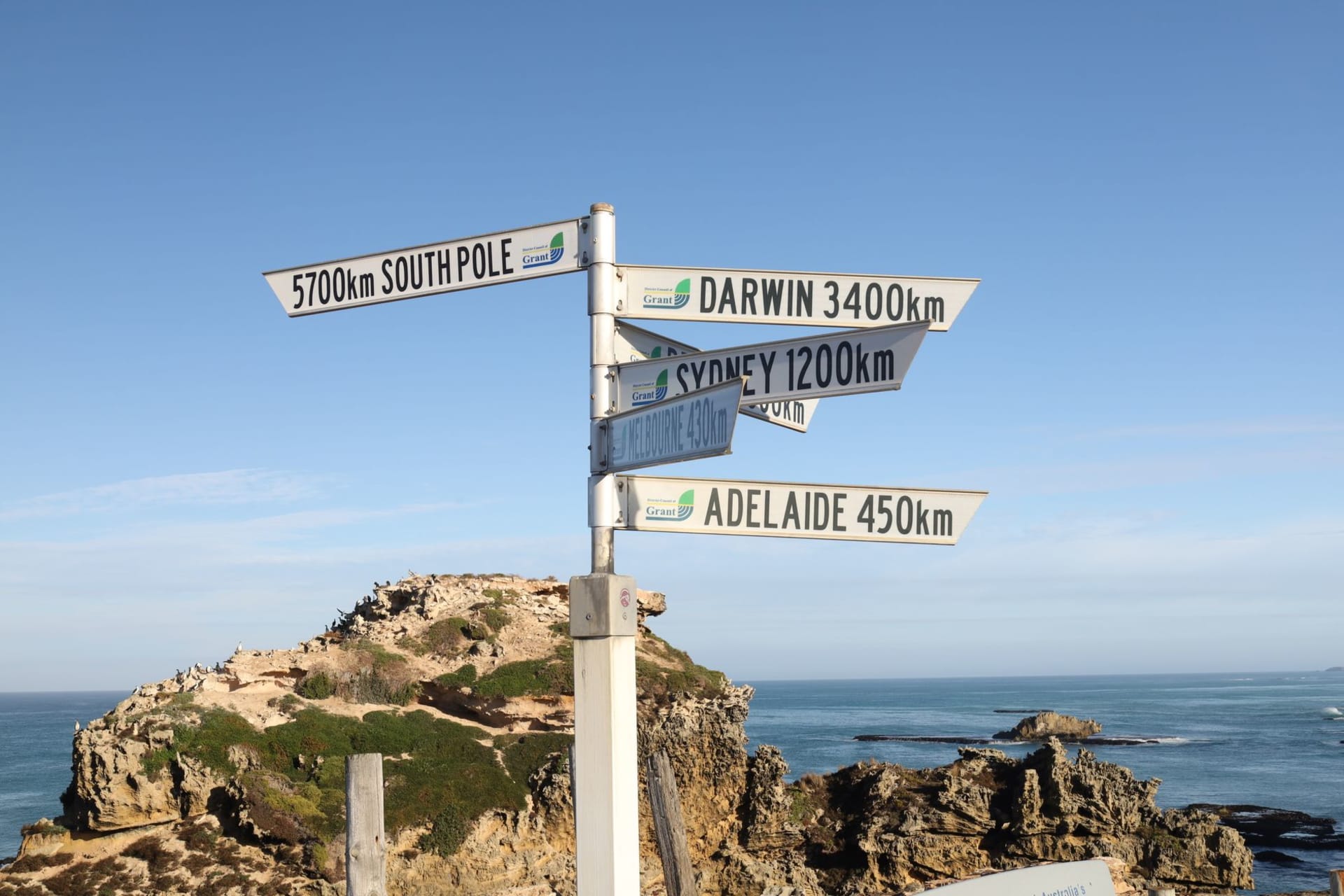
A city that got quietly serious about food and wine while everyone else was looking at Sydney.

The Market Before Everything Else
I walked into the Adelaide Central Market at seven in the morning and didn’t leave for two hours. That’s the honest version. The ceilings are high and Victorian, iron and glass, and the light that comes through at that hour has a particular amber quality — not the sharp blue of morning but something warmer, slower. Cheese vendors were still arranging their rounds. A Greek woman handed me a sample of something brined that I couldn’t identify and I bought 200 grams of it immediately. That felt like the right way to start understanding Adelaide.
The city doesn’t announce itself. Compared to Melbourne’s theatre and Sydney’s spectacle, Adelaide is almost deliberately understated — a grid of wide streets, sandstone churches, parklands ringing the centre like a collar. But underneath that composed surface is one of the most food-serious cities I’ve encountered in the Southern Hemisphere. The proximity to the Barossa, McLaren Vale, Clare Valley and the Eyre Peninsula means the produce pipelines are extraordinary. Restaurants here are working with material that chefs in other cities would mortgage things to access.
Rundle Street and the East End
The East End of the city — Rundle Street specifically — is where you find the wine bars that stay busy on Tuesday nights and the little Lebanese places that have been feeding students for thirty years. I ate a souvlaki standing on the pavement outside a shopfront that had no visible signage, directed there by someone I’d spoken to at the market. That’s still how it works here. The useful information passes person to person.
In the afternoon I walked through the Art Gallery of South Australia and spent longer than I expected in front of the colonial landscape paintings — all that flat red country rendered in oils by people who clearly found the light unsettling and thrilling in equal measure. They were right on both counts.
North Adelaide and the Hills
Cross the River Torrens north of the centre and the scale shifts. O’Connell Street has the kind of neighbourhood café density you’d find in a European capital. The Hills behind the city — the Adelaide Hills wine region — are only thirty minutes east but the air changes immediately, eucalyptus and cooler, the valley roads winding past apple orchards and cellar doors doing a brisk weekend trade.
I drank a Hahndorf Hill Grüner Veltliner on a wooden deck with a view of the ranges and thought: this is what it looks like when a wine region is still figuring out what it wants to be. That’s not a criticism. It’s exciting.
What the Nights Are For
Adelaide’s dining scene peaks in the evenings. The restaurants around Leigh Street — a narrow lane that should by all rights be an alleyway but functions as a dining corridor — fill up by seven and don’t thin out until late. The natural wine lists are serious without being aggressive about it. I drank well and spent much less than I would have in Sydney for an equivalent meal.
The city has a quiet confidence that took me a while to read correctly. It’s not indifference; it’s just that Adelaide doesn’t particularly need your validation.
When to go: March through May is ideal — harvest season spills over from the wine regions, the Fringe Festival runs in February-March, and the heat of summer has broken. Avoid January if you can; temperatures in the high thirties make the city less walkable.
Keep exploring
More from South Australia
 south-australia
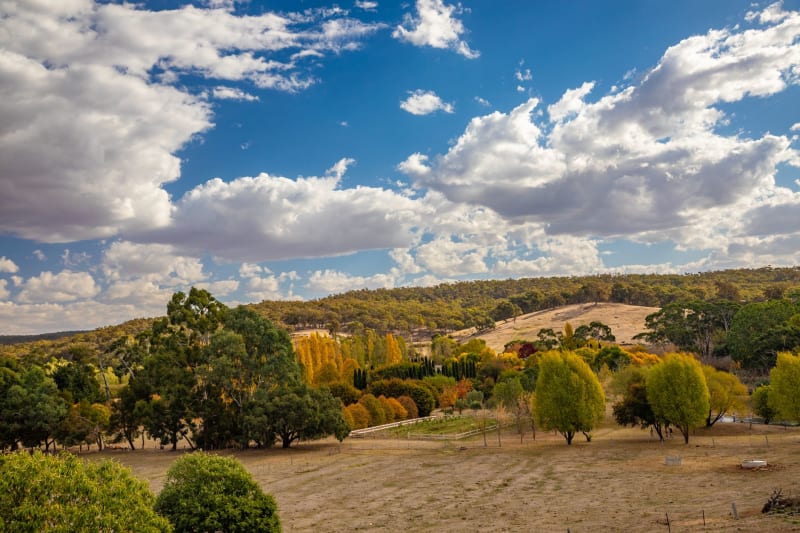
Adelaide Hills
A cool-climate wine and food belt thirty minutes from the city centre where the eucalyptus-thick ridgelines give way to apple orchards, artisan producers, and a Grüner Veltliner that has no business being this good.
Explore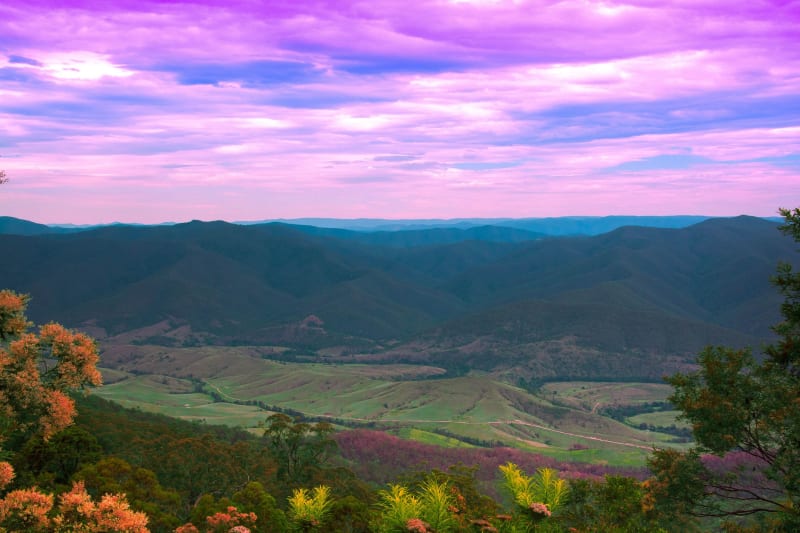 south-australia
Barossa Valley
Australia's most storied wine valley, where century-old Shiraz vines grow from red soil and the smokehouse still matters as much as the cellar door.
Explore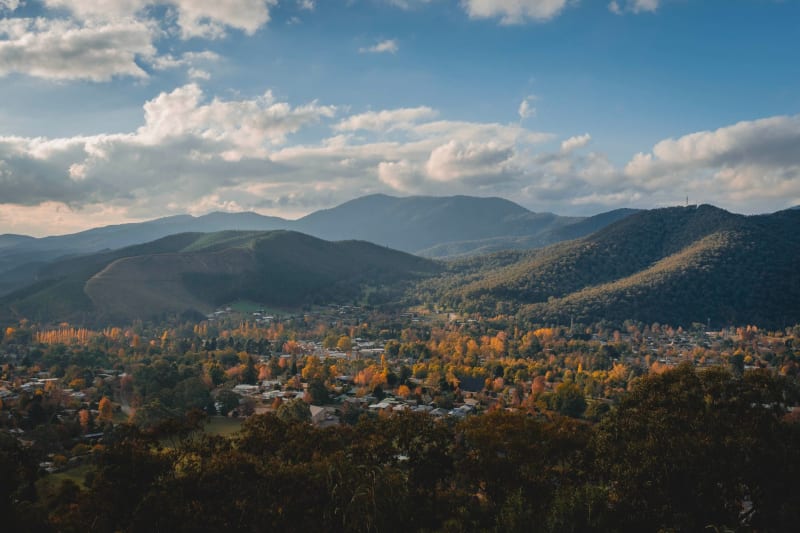 south-australia
Clare Valley
A long limestone valley where Riesling grown at elevation develops a steely acidity that wine people describe as 'Clare style' and mean as the highest compliment.
Explore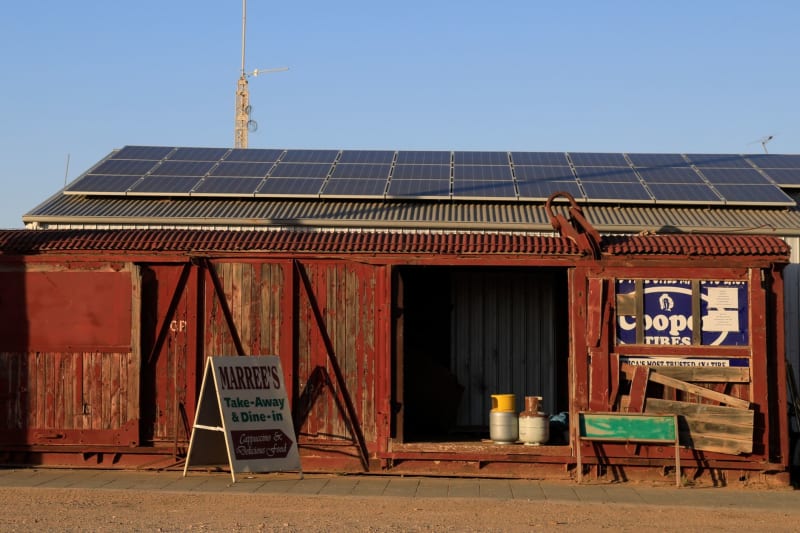 south-australia
Coober Pedy
An opal-mining town in the South Australian desert where people live underground not as novelty but as the only rational response to temperatures that reach fifty degrees in summer.
Explore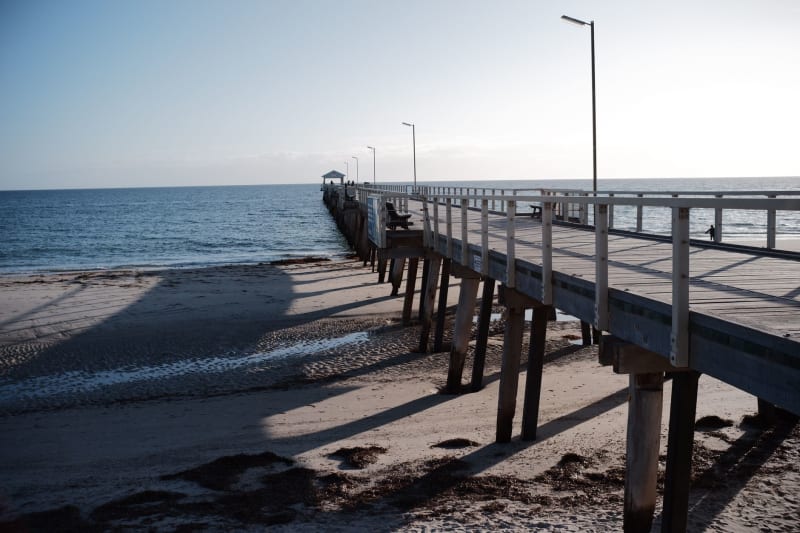 south-australia
Coorong
A narrow lagoon system stretching 140 kilometres along the South Australian coast, separated from the Southern Ocean by a blade of sand dune and home to bird populations that stop a serious birder cold.
Explore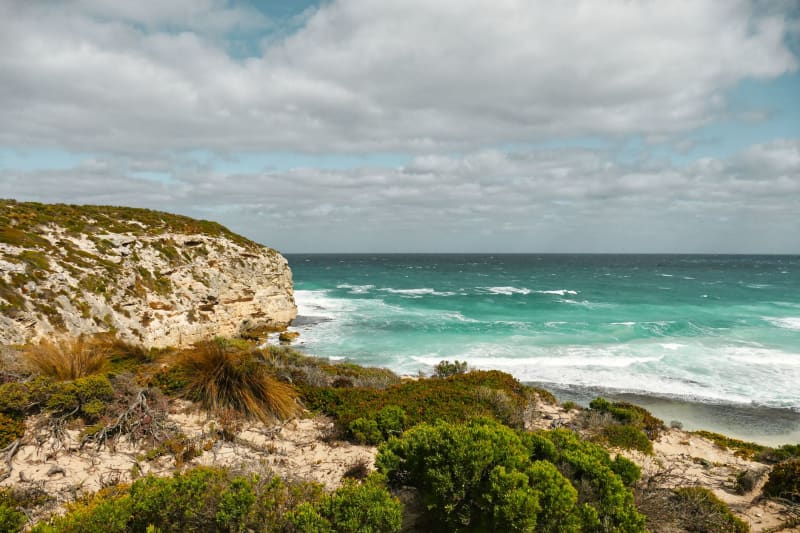 south-australia
Eyre Peninsula
A triangular wedge of coast between the Spencer Gulf and the Great Australian Bight where oysters come straight from the water and great white sharks patrol the offshore reefs.
Explore