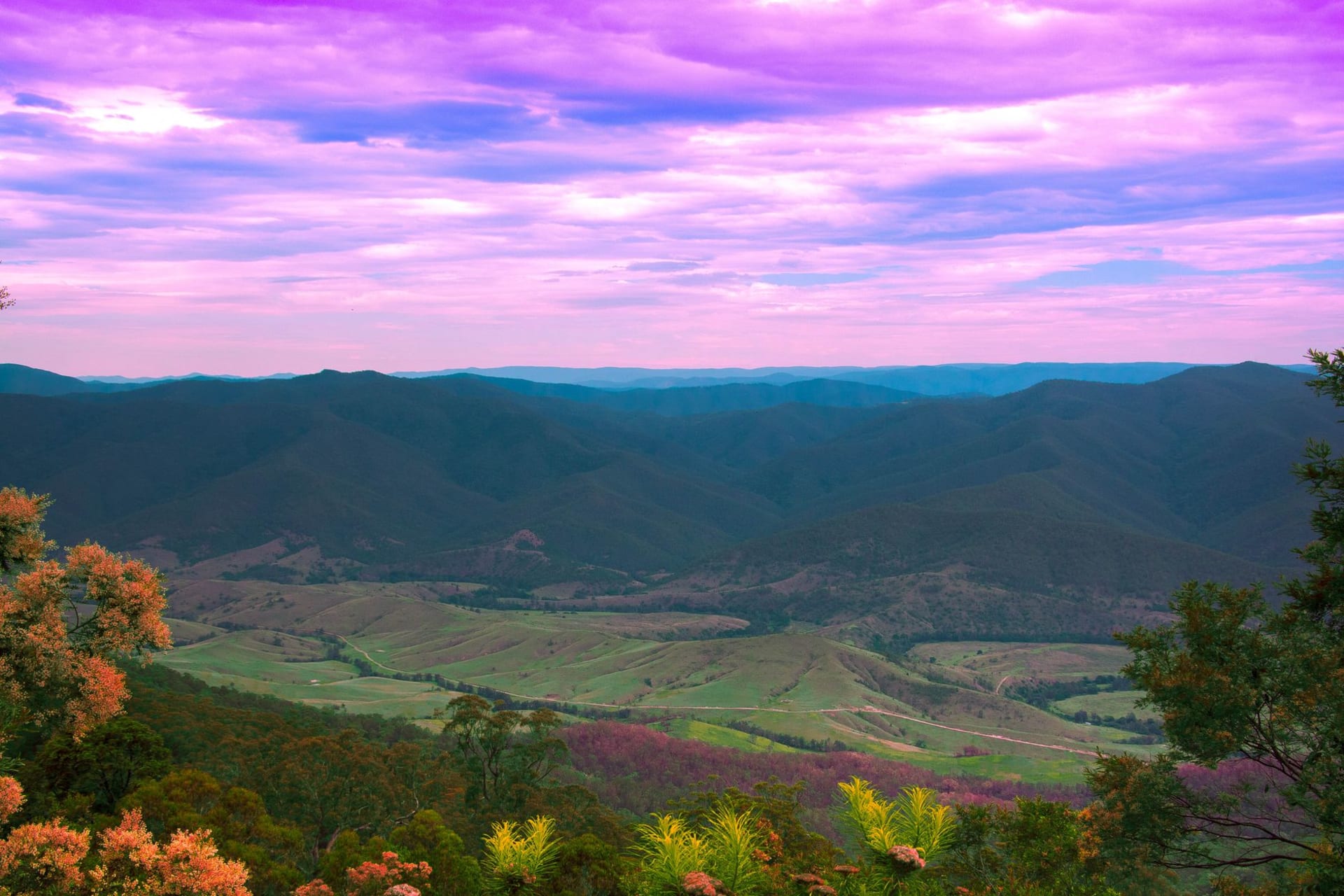
Australia's most storied wine valley, where century-old Shiraz vines grow from red soil and the smokehouse still matters as much as the cellar door.

What Old Vines Actually Mean
There’s a particular kind of silence in a Barossa vineyard in early morning that I wasn’t prepared for. No wind off the ranges yet, the light still thin and slightly pink, and the vines casting long shadows across red earth. What stopped me was the age of the things. Some of the Shiraz vines I was looking at were planted in the 1840s, survivors of the phylloxera plague that wiped out Europe’s vineyards — Australia got lucky geographically, and the Barossa got very lucky culturally because the Lutheran settlers who planted these vines were stubborn people who didn’t pull them up when fashions changed.
That stubbornness is in the wine. Barossa Shiraz has a quality — a particular combination of dark fruit and earth and something almost iron-rich — that I’ve tried to find elsewhere and can’t. You notice it most in the old-vine expressions, the single-vineyard bottles where a particular patch of red loam tells you exactly where you are.
The Village Rhythm
The valley runs north-south, maybe thirty kilometres end to end, and the towns along it — Tanunda, Nuriootpa, Angaston — have a specific character that comes from the German settler heritage overlaid with a hundred and fifty years of Australian sun. The main streets have Lutheran churches with steep rooflines. The bakeries sell proper sourdough. There are smoked meats available at the Barossa Farmers Market on Saturday mornings that made me stop mid-sentence while talking.
I had been explaining something to Lia about the difference between Grenache and Shiraz when I ate a piece of cold-smoked kangaroo and lost the thread completely. The market is under the vines near Angaston and it’s exactly the right size — big enough to have variety, small enough that you finish a circuit and know what you want.
The Cellar Doors Worth The Drive
The famous names are famous for reasons — Penfolds, Seppeltsfield, Henschke — but I found the most interesting drinking at smaller operations where the person pouring the wine was also the person who made it. There’s a directness to that conversation that changes how you taste things.
Seppeltsfield is worth visiting for the spectacle of it: a road lined with date palms leading to winery buildings from the 1880s, and a tradition of releasing a 100-year-old Para Vintage Tawny every year so you can taste the wine made the year you were born. I tried the 1991 vintage. It tasted like raisins and old furniture and something I couldn’t name that made me oddly emotional.
Eating Between the Tastings
The food scene in the Barossa has caught up with the wine in the last decade. There are enough serious restaurants now that you could eat very well for three days without repetition. The focus is on local produce — the meats, the cheeses, the vegetables from the valley floor — treated without excess fuss.
I particularly liked the way bread and charcuterie feature unapologetically on menus here. The German influence never quite disappeared, and this region knows better than most that the best wine pairing is often something very simple and very good.
When to go: March and April are harvest months — the valley smells of fermenting fruit and the energy in the cellar doors is infectious. September and October bring wildflowers and cooler temperatures ideal for long cellar-door afternoons. Summer (December-February) gets hot; the wine is still good but the walking is not.
Keep exploring
More from South Australia
 south-australia
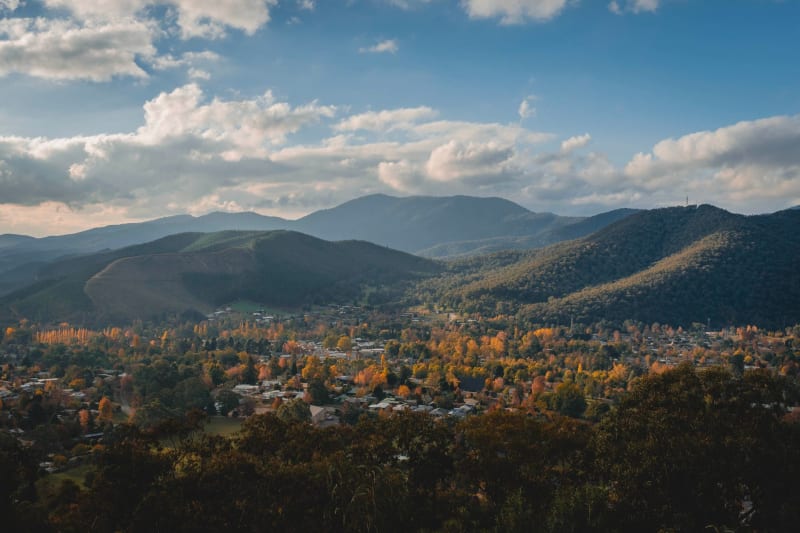
 Clare Valley
A long limestone valley where Riesling grown at elevation develops a steely acidity that wine people describe as 'Clare style' and mean as the highest compliment.
Explore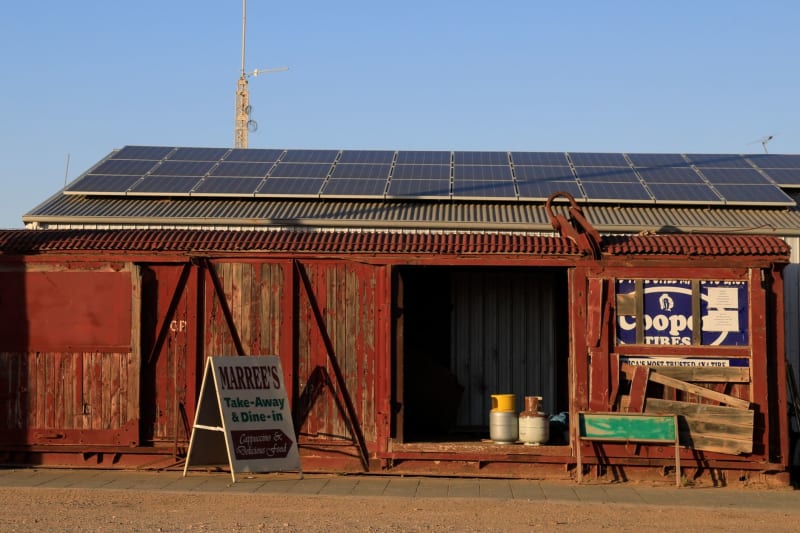 south-australia
 Coober Pedy
An opal-mining town in the South Australian desert where people live underground not as novelty but as the only rational response to temperatures that reach fifty degrees in summer.
Explore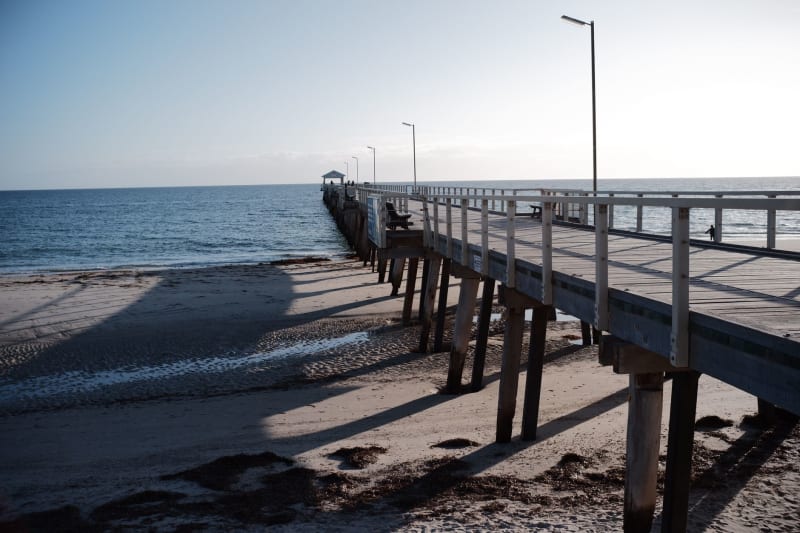 south-australia
 Coorong
A narrow lagoon system stretching 140 kilometres along the South Australian coast, separated from the Southern Ocean by a blade of sand dune and home to bird populations that stop a serious birder cold.
Explore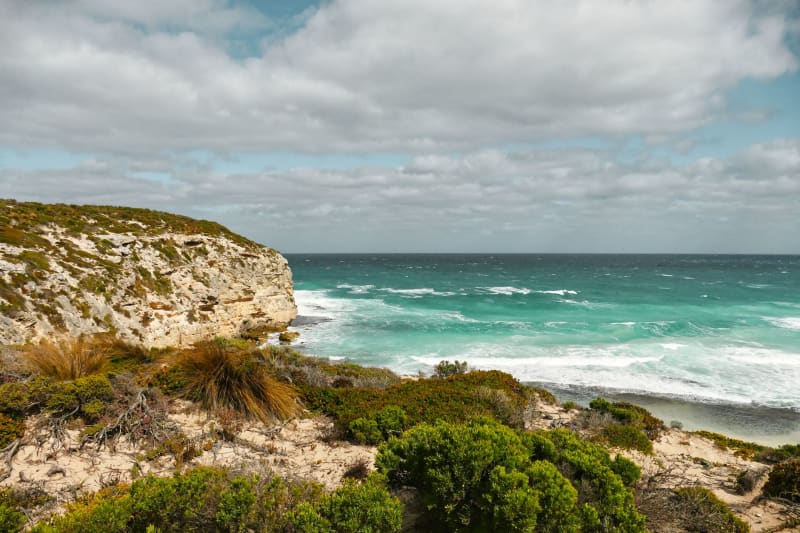 south-australia
 Eyre Peninsula
A triangular wedge of coast between the Spencer Gulf and the Great Australian Bight where oysters come straight from the water and great white sharks patrol the offshore reefs.
Explore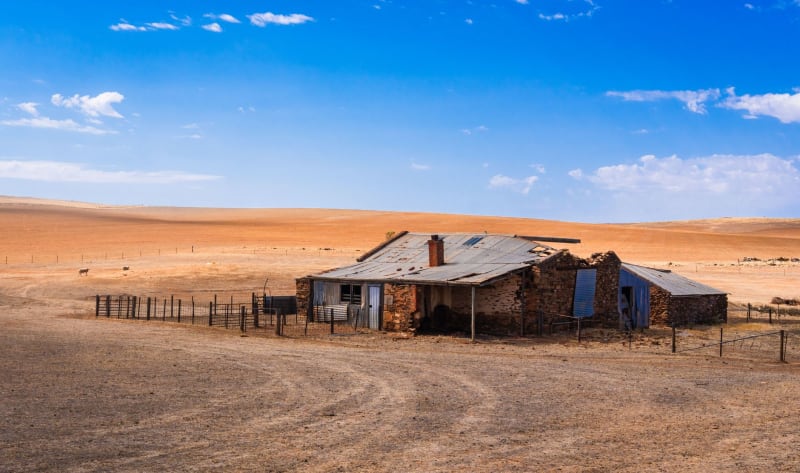 south-australia
 Flinders Ranges
Ancient folded mountains rising from the South Australian outback, where the rock reads like a geology textbook and the silence has physical weight.
Explore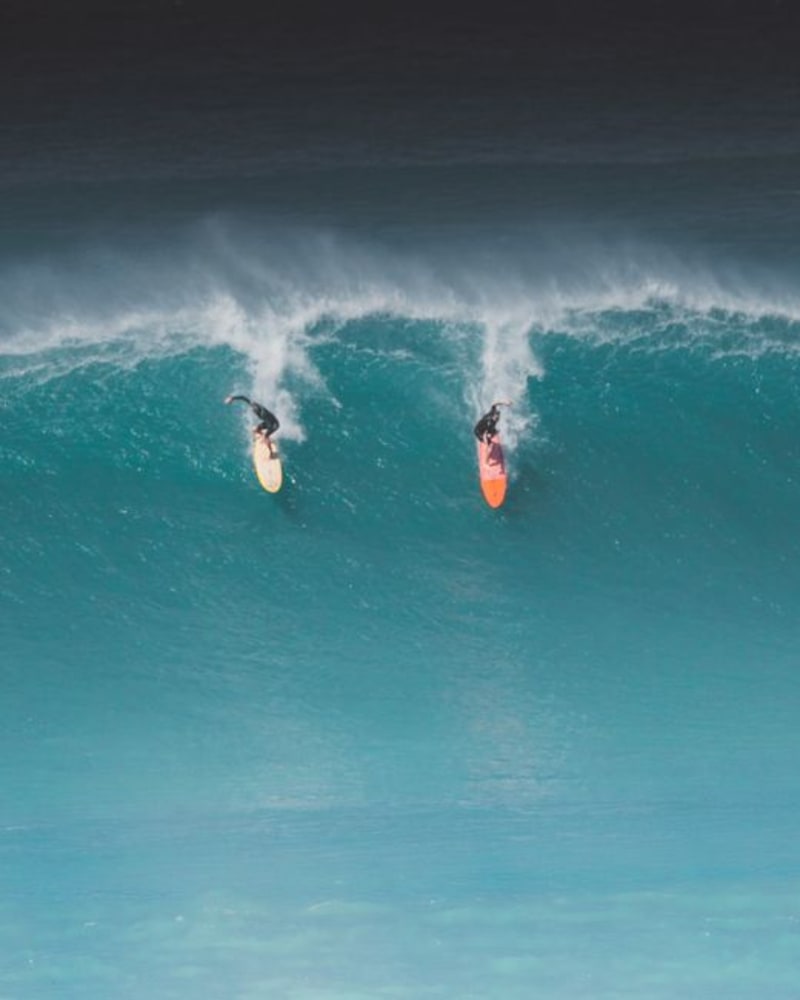 south-australia
 Innes National Park
Wind-bent mallee scrub, a ghost town frozen mid-collapse, and surf breaks that made me forget my board wasn't good enough.
Explore