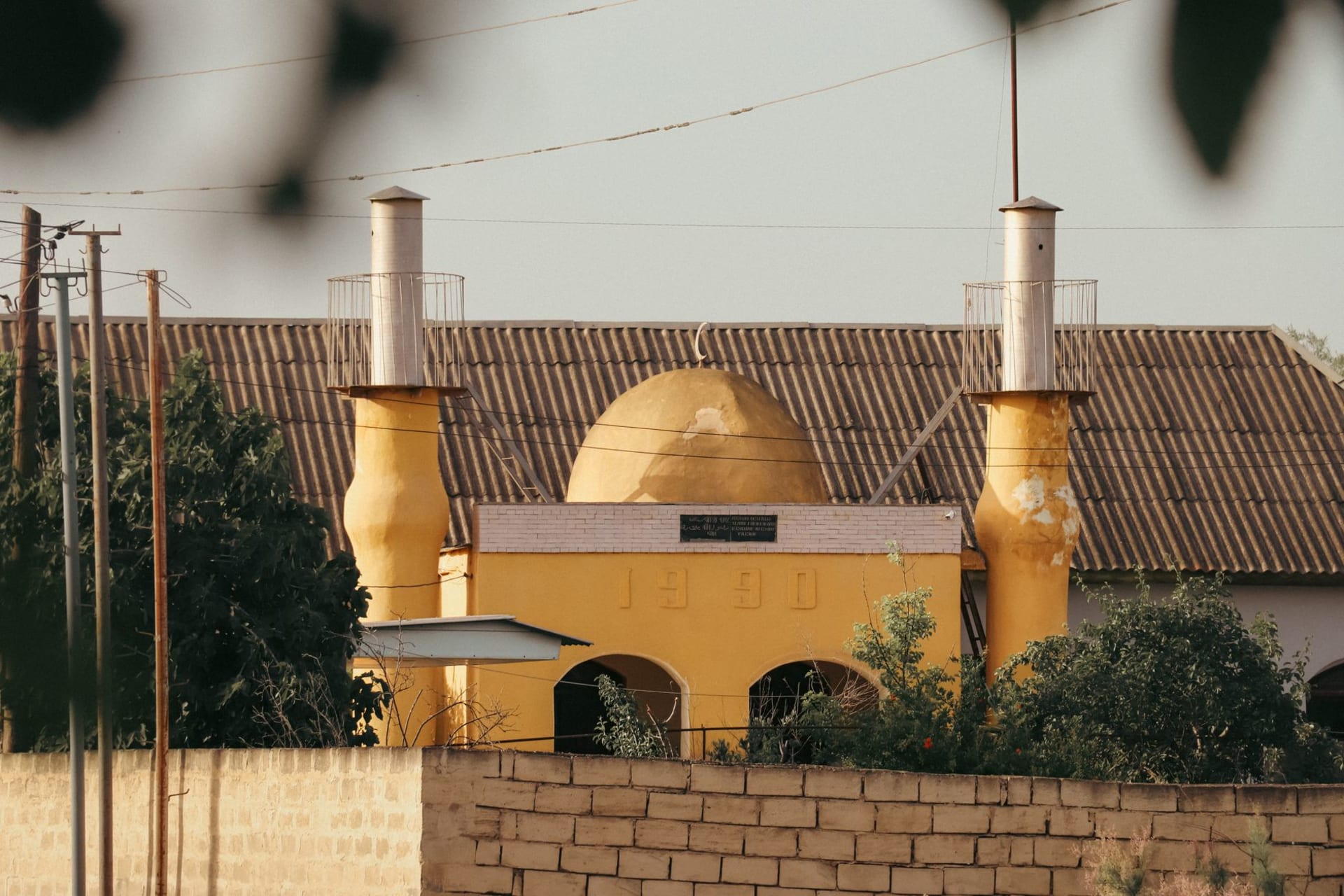
Hargeisa
"Everyone I met was eager to explain that this was not what I expected, and they were right."
Hargeisa disarms you with its ordinariness. After reading so much about Somalia, I arrived half-expecting drama and found instead a city going about its business — motorcycles threading through roundabouts, money changers stacking bricks of Somaliland shilling, women in bright dirac fabrics buying vegetables in the central market. The drama, it turned out, was in the details.
The Livestock Market: A World of Its Own
The Hargeisa livestock market is one of the largest camel markets on earth, and it operates with an intensity that makes the city’s measured pace seem like a different place entirely. I arrived at dawn, when the animals were already arriving in pickup beds and on foot, herded by stick-wielding boys who moved with absolute authority. The smell hit me first — dung, dust, lanolin — and then the sound: camels bellowing in that nasal, almost outraged register they have, goats adding a higher layer of complaint, and over all of it the rapid, emphatic Somali of men arguing price.
I stayed three hours. Lia photographed the scene with the kind of intensity she gets when something is genuinely overwhelming. Nobody asked us to leave. Several men explained at length, in good English, the qualities that determined a camel’s price. I understood perhaps a third of it and nodded at the rest.
War Memorial to Self-Determination
At the center of the city, a downed MiG-21 fighter jet stands on a concrete plinth in the middle of a traffic roundabout. The plane was used by Siad Barre’s government to bomb Hargeisa in 1988, killing tens of thousands of civilians and destroying much of the city. The Somaliland government preserved it as a monument to what they survived.
There is no drama in its presentation — it just sits there, flanked by traffic. I found a small adjacent museum with photographs from the period and handwritten accounts from survivors. The woman running the entrance desk had grown up in a refugee camp in Ethiopia and returned after the declaration of independence. She talked about the bombing matter-of-factly, with the tone of someone who has had the conversation many times and still means it.
Eating Your Way Through the City
The food in Hargeisa is one of its quiet pleasures. Suqaar — diced meat fried with onion and cumin — arrives with anjero and a green salsa called beer that is sharper than it looks. For breakfast, the standard move is muufo, a sorghum flatbread baked directly on coals, served with sesame paste and honey and the inevitable shaah. The tea culture is full-on: I counted four glasses consumed before noon on my first full day without really trying.
In the evenings, the grilled meat restaurants along the main road do serious business, and the smoke drifting across the street is the most reliable evening signal I know for finding where to eat.
A City Worth Understanding
Hargeisa is the gateway to Somaliland’s broader appeal, but it rewards slow attention on its own terms. The people are unusually direct, the politics are genuinely interesting, and the sense of a place managing its own future against considerable odds gives even routine conversations a certain weight.
When to go: October through March is the most comfortable period — dry and relatively cool at altitude (about 1,300 meters). Avoid April–June when the Gu rains arrive. Hargeisa is the most independently accessible part of Somalia and the natural base for regional exploration.