Sečovlje Salt Pans
"Seven hundred years of doing the same thing the same way, and the result is somehow still this beautiful."
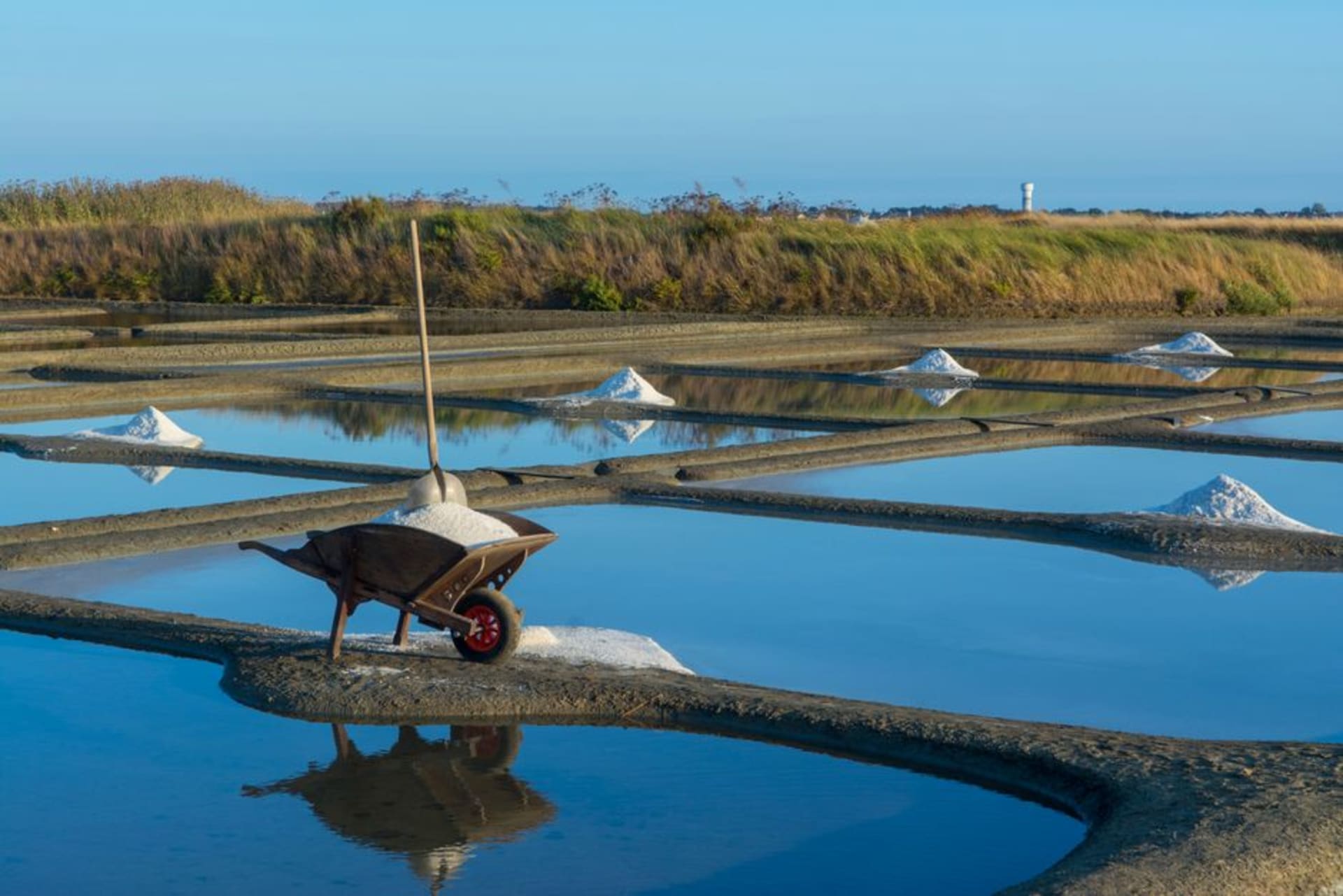
A working salt landscape at Slovenia's southern tip where the harvest still happens by hand exactly as it did seven hundred years ago, and flamingos show up as if summoned.
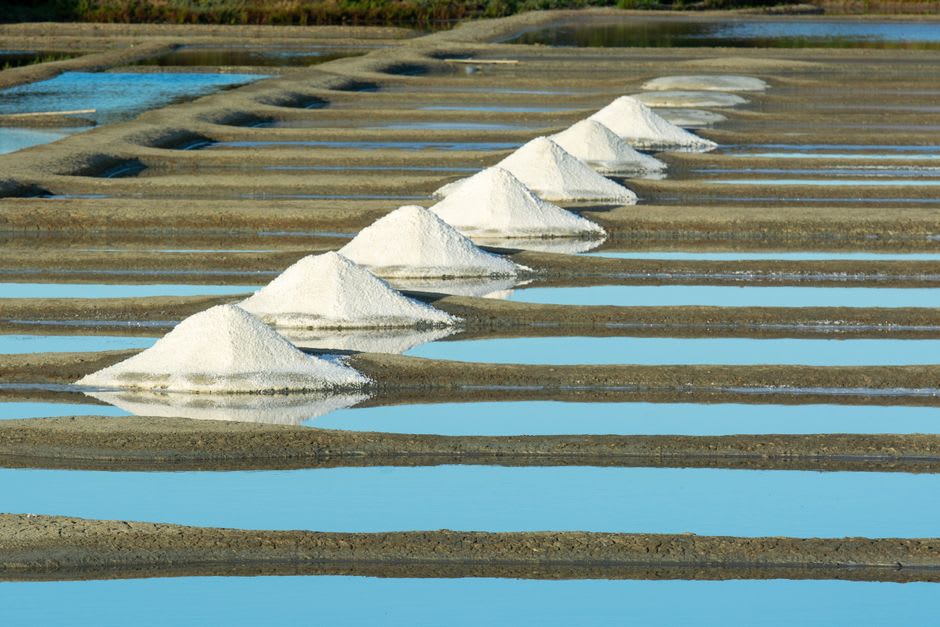
I’d already glimpsed the Sečovlje salt pans briefly from a bike ride out of Piran, but going back with more time — and without the excuse of racing the sunset — turned it into one of the most unexpected mornings of the whole Slovenian trip. This isn’t a scenic overlook you pass through; it’s an active industrial site, one of the last places in Europe where sea salt is still harvested using medieval methods, on pans that have been worked continuously since the 13th century.
Walking the Salinera’s Path
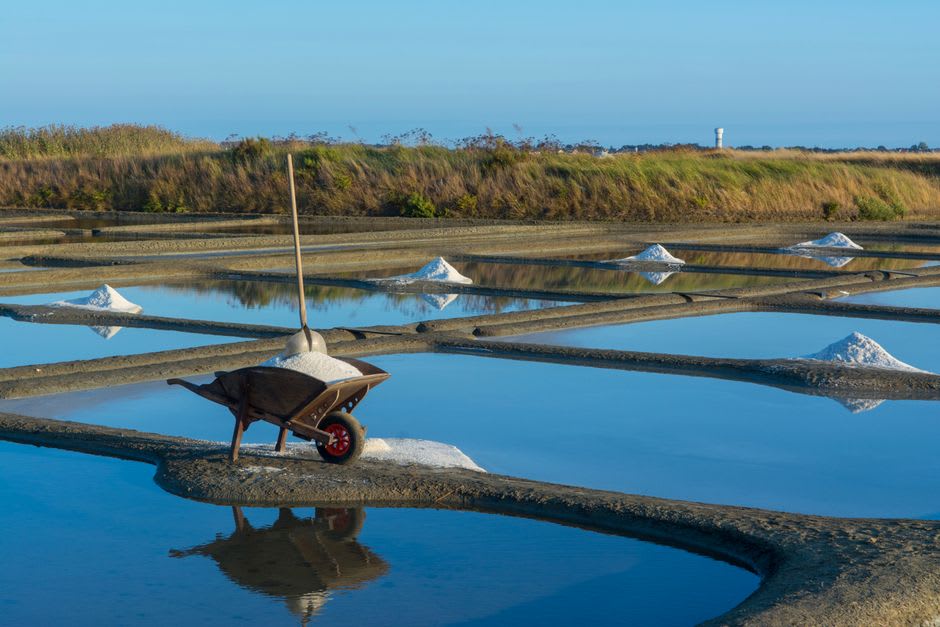
We joined a slow walk through the northern part of the reserve, past wooden huts (called “hiške”) that salt workers still use during the harvest season, June through September. A guide — a woman whose family has worked these pans for generations, she told us almost as an aside — explained the biofilm of algae and microorganisms called “petola” that forms naturally on the pan floor and is essential to the traditional harvest method, giving Piran salt its particular mineral character. I’d bought bags of this salt in Piran’s old town without understanding any of what went into producing it. That felt like an oversight worth correcting.
Flamingos, Genuinely
The southern Fontanigge section of the park is left more to nature, and it’s here that the birdlife takes over — over two hundred species recorded, including a resident population of flamingos that nobody warns you about before you arrive. Lia spotted the first one from maybe two hundred meters and simply stopped walking. Slovenia, a landlocked-feeling alpine country in most people’s imagination, is not where you expect flamingos. And yet.
The Museum of Salt-Making
Near the entrance, a small museum housed in a restored salt warehouse walks through the tools and techniques of the harvest in more detail than I expected to find interesting, and did anyway. Buy the salt here rather than in Piran’s souvenir shops — same product, a fraction of the markup, and the money goes more directly to the people still doing this work by hand.
When to go: June through September for active harvest season and the best chance of seeing salt workers in the pans, though the birdlife reserve is worthwhile nearly year-round. Bring a hat; there is no shade anywhere on the flats.