Ptujska Gora
"Three hundred and sixty-five faces looked down at me from that ceiling, and I still don't know whose idea that was."
A pilgrimage church on a Haloze hilltop with 365 carved faces looking down from its ceiling, and a view over the vineyards that stops conversation.
We almost skipped Ptujska Gora. It’s not on the way to anything in particular — a fifteen-minute drive south of Ptuj into the Haloze hills, up a switchback road that a local at our guesthouse in Ptuj insisted we take “just for ten minutes.” We stayed for two hours.
The Church of the Faces
The Basilica of Mary, Help of Christians sits on top of its hill like it’s been dropped there from somewhere grander, twin white spires visible from vineyards a kilometer off in every direction. Inside, above the high altar, is the detail that made me stop mid-sentence: a carved stone relief of the Virgin sheltering the faithful under her cloak, and worked into the folds and background of that sculpture are said to be 365 individual carved faces, one for every day of the year, no two identical. I spent a stupid amount of time trying to find two that matched. I failed.
The church has been a pilgrimage site since the 14th century, and it still functions as one — we arrived on an ordinary Wednesday and found a small group of elderly women praying a rosary in Slovene, unbothered by tourists shuffling past with cameras. It gave the whole visit a weight that a purely secular monument wouldn’t have had.
The View That Comes Free
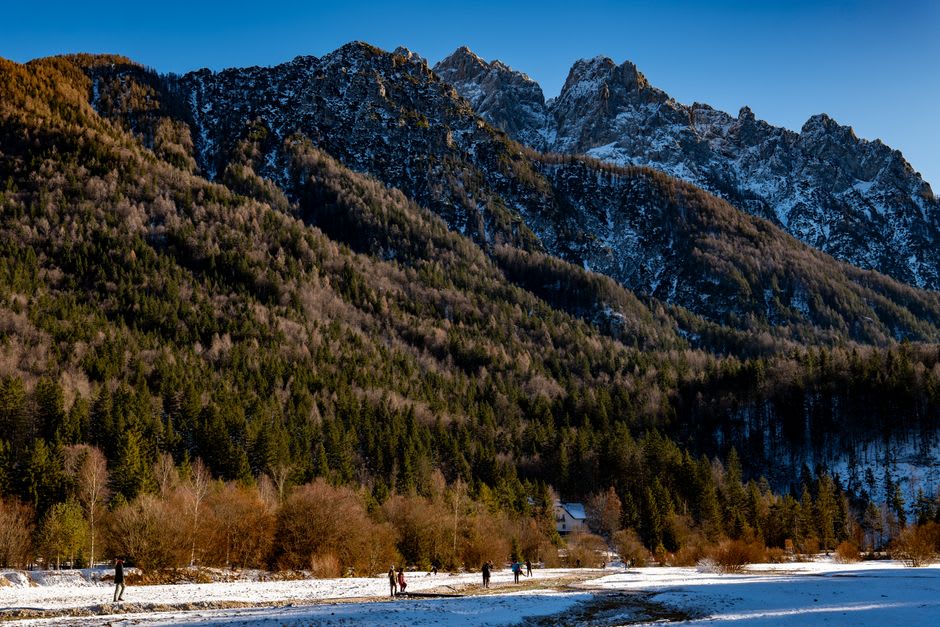
Step back outside and the real reward is the terrace in front of the church, looking south over the Haloze hills — one of Slovenia’s lesser-known wine districts, steeper and more folded than the gentler slopes around Jeruzalem, vineyards stitched onto impossibly sharp gradients that make you wonder how anyone harvests them without ropes.
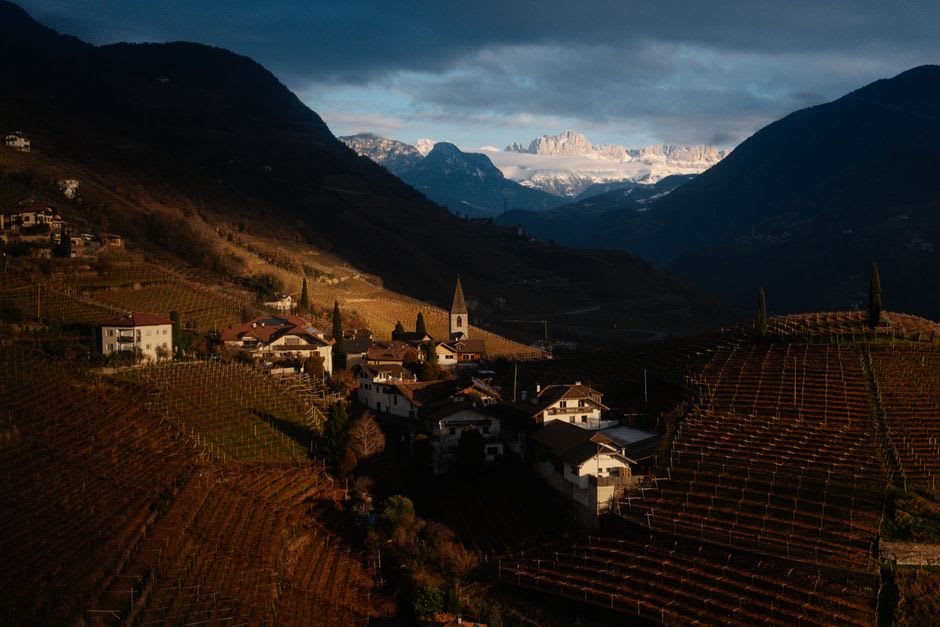
We bought a bottle of the local Haloze white from a stand near the parking area — a young winemaker selling out of the back of a small van, no label design to speak of, just a handwritten sticker — and drank it that evening back in Ptuj, looking at photos of the ceiling and still not quite believing the scale of the thing.
When to go: Any season works for the church itself, but come in late spring or early autumn for the hillside views, when the vines are either freshly leafed out or turning color and the terraces below the basilica are at their most dramatic.
Keep exploring
More from Slovenia
 slovenia
 Rakov Škocjan
A pocket-sized karst valley in the Notranjska forest where a river vanishes underground twice, leaving behind two natural stone bridges and almost nobody around to see them.
Explore slovenia
 Robanov Kot
A protected side valley of the Savinja Alps, narrower and quieter than its famous neighbor Logarska Dolina, where a handful of centuries-old farms sit beneath a wall of limestone peaks and almost nobody comes.
Explore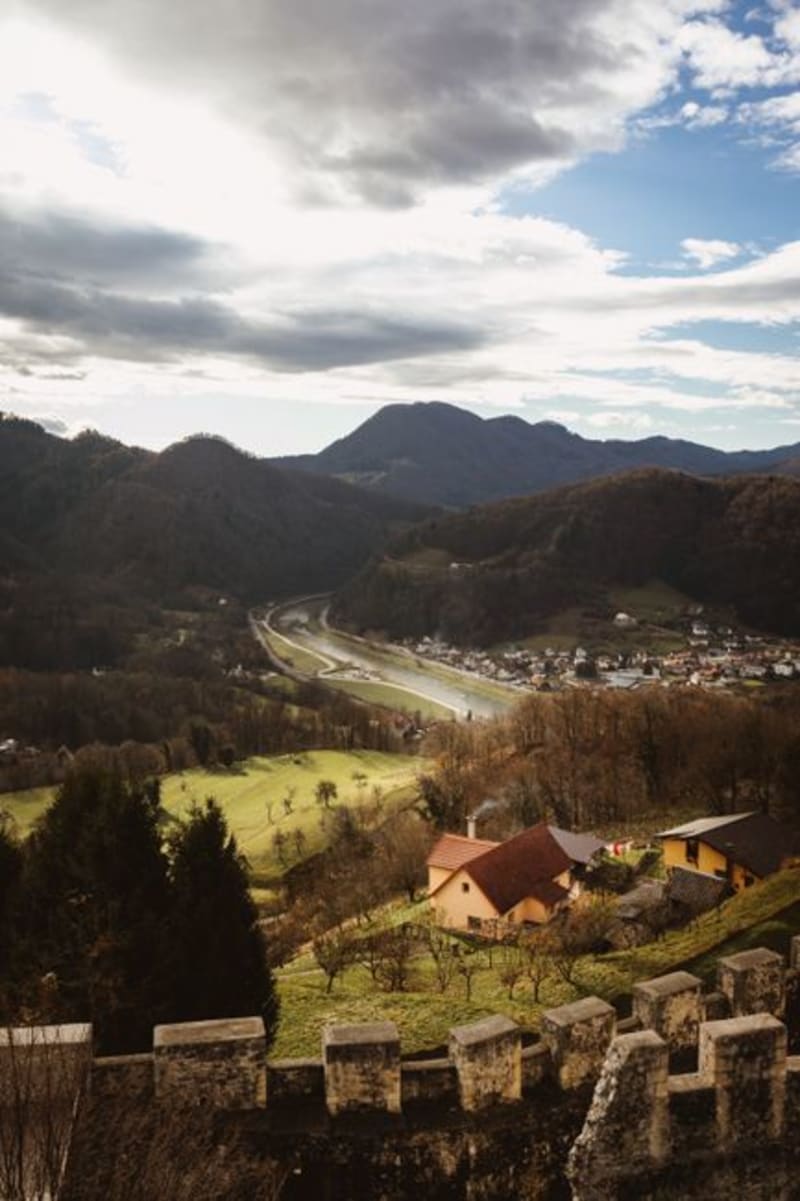 slovenia
 Rogaška Slatina
A belle-époque spa town built around mineral water so strong you drink it in small measured glasses, wrapped in crystal-cutting workshops and faded imperial grandeur.
Explore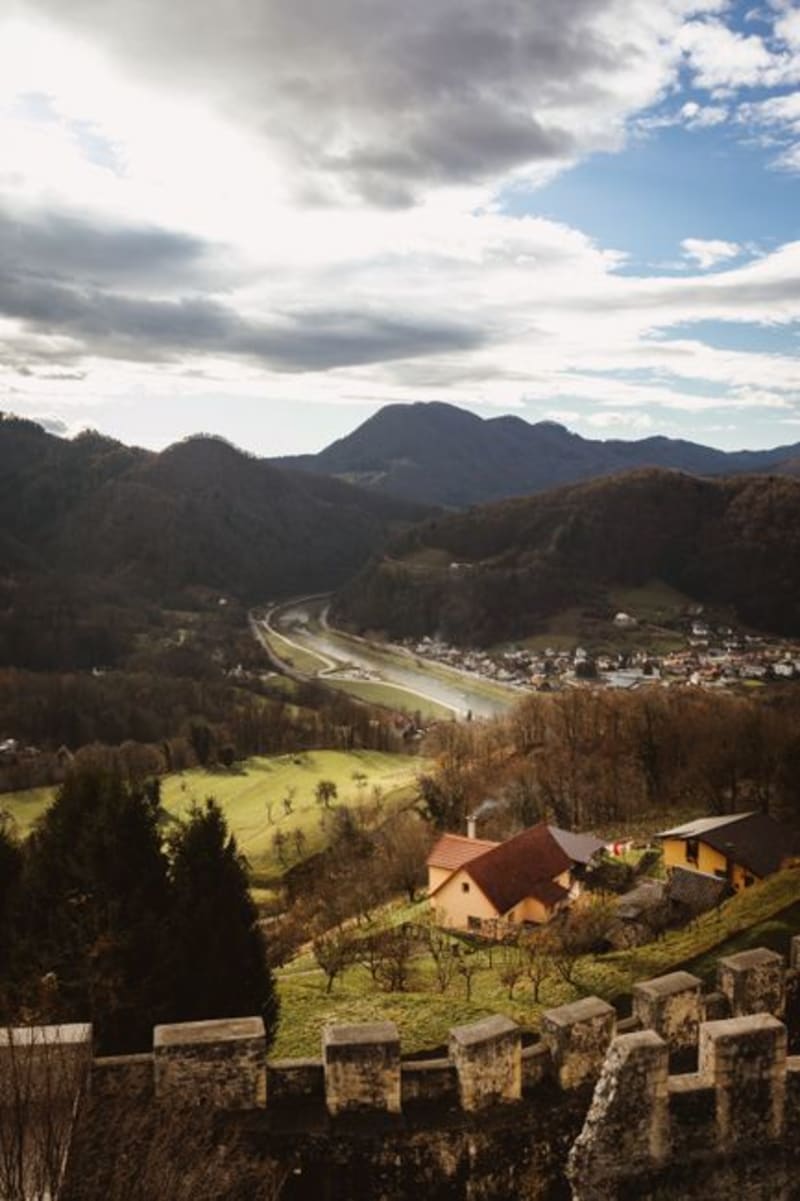 slovenia
 Rogatec
A tiny border town where an open-air museum of thatched farmhouses preserves a version of rural Štajerska that's almost entirely vanished elsewhere.
Explore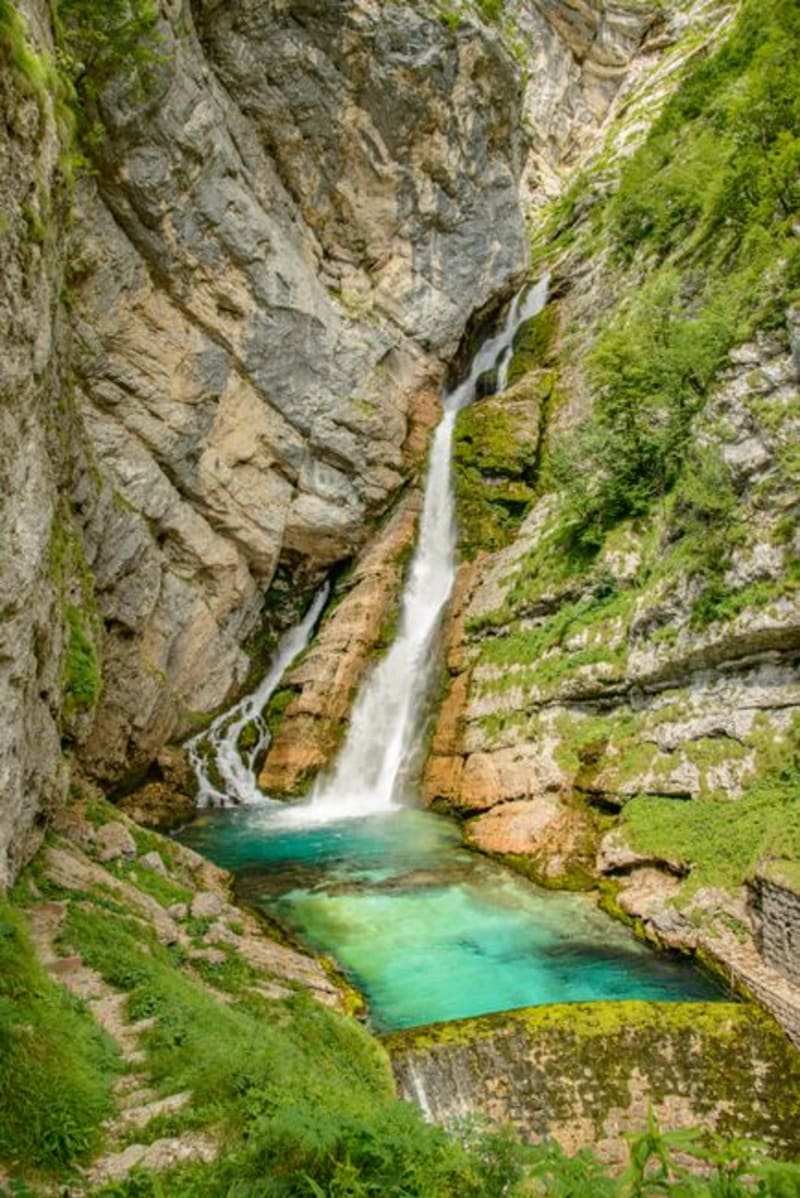 slovenia
 Savica Waterfall
A two-tiered waterfall dropping into a cave-carved amphitheater at the source of the Sava Bohinjka, mythologized in Slovenia's national epic and every bit as dramatic in person.
Explore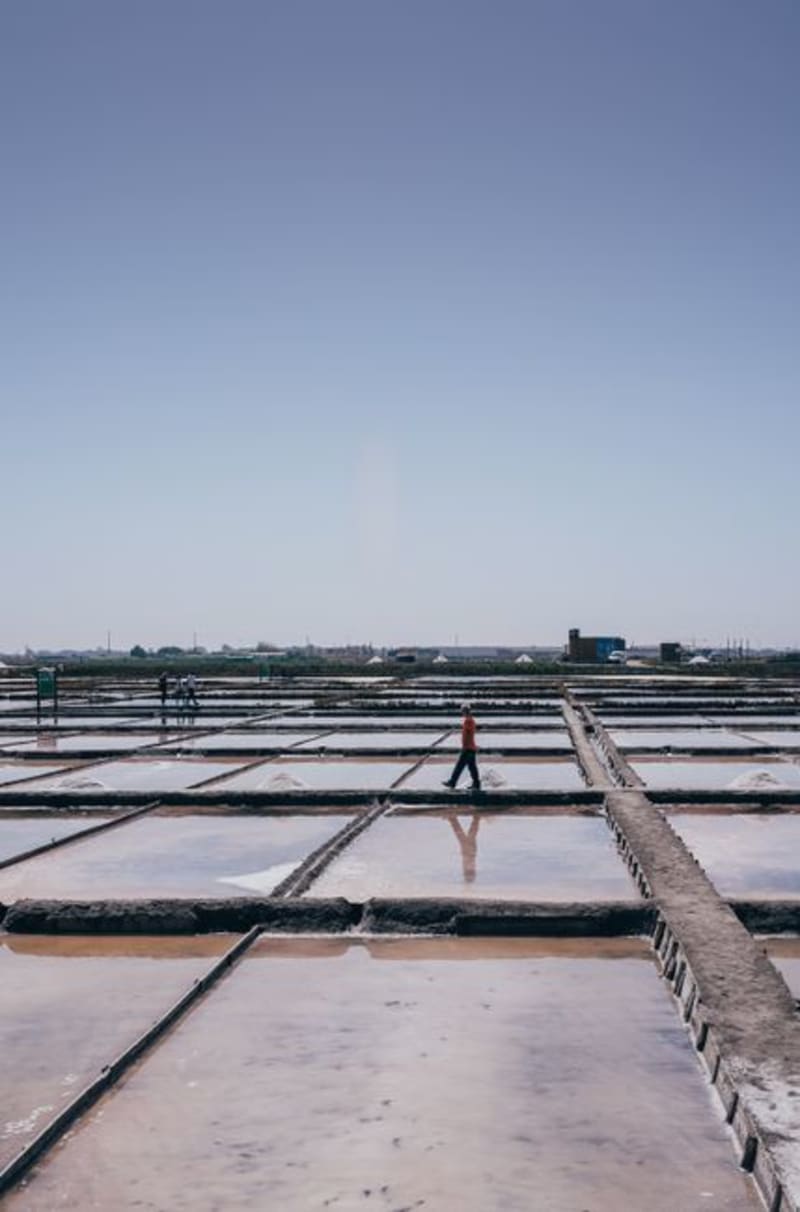 slovenia
 Sečovlje Salt Pans
A working salt landscape at Slovenia's southern tip where the harvest still happens by hand exactly as it did seven hundred years ago, and flamingos show up as if summoned.
Explore