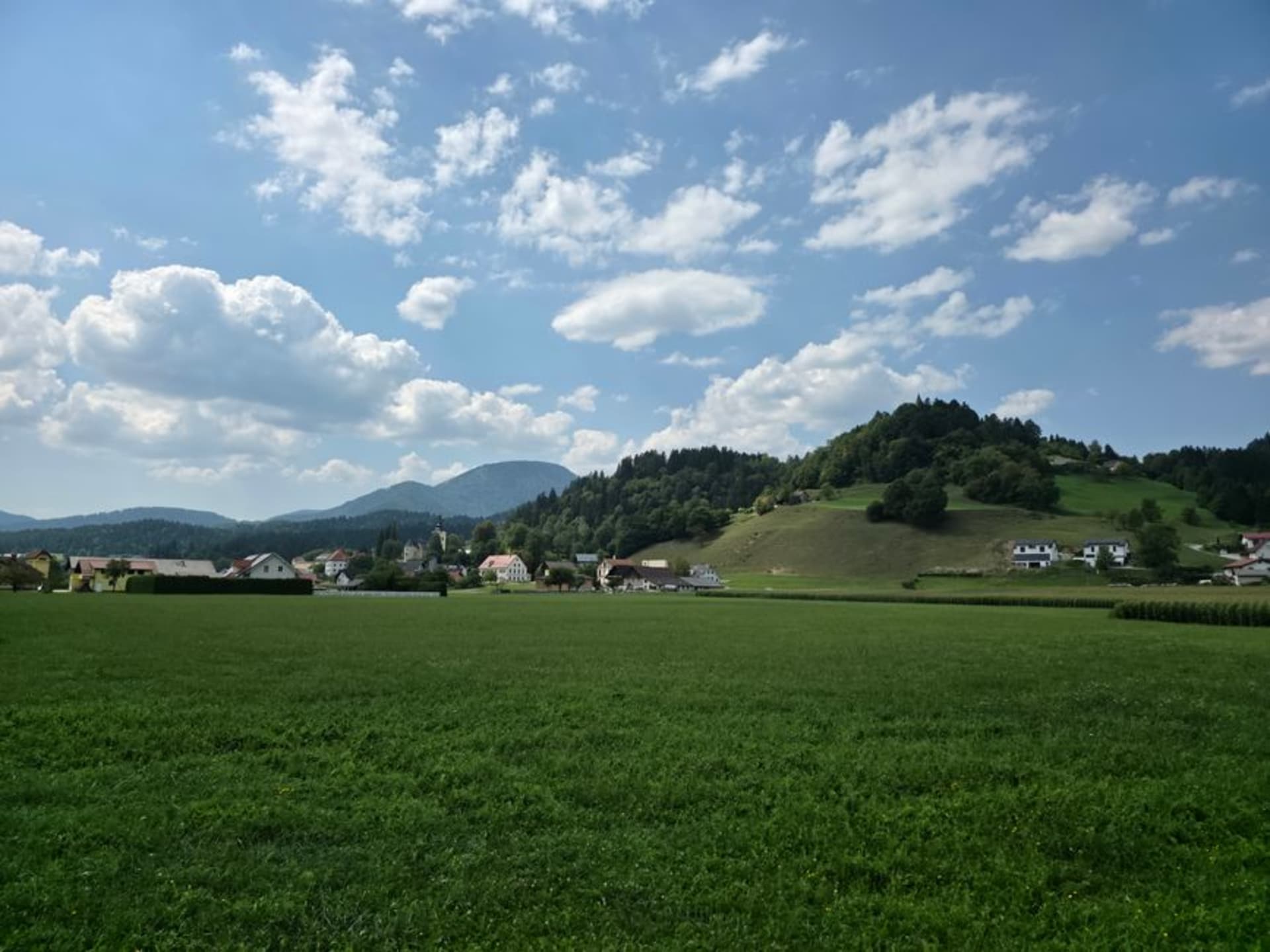
Rakov Škocjan
"The river disappears twice in two kilometers, and somehow that's the least strange part of the walk."
A pocket-sized karst valley in the Notranjska forest where a river vanishes underground twice, leaving behind two natural stone bridges and almost nobody around to see them.

I found Rakov Škocjan by accident, which feels like the only honest way to find it. We’d already done the big Škočjan Caves the day before — the ticket line, the suspension bridge over the underground canyon, the tour group shuffling in matching headsets — and Lia pulled up a map on her phone looking for something smaller. Twenty minutes later we were parked at a gravel pull-off with a single wooden sign and not another car in sight.
A River With No Patience for Being Seen
The Rak river runs through this valley for about two and a half kilometers, and it spends a good portion of that distance underground. It rises from a cave at one end, flows through open valley, drops into a sinkhole, resurfaces, flows again, and vanishes a second time before eventually feeding the Krka. What’s left on the surface are two natural bridges — Small and Big — where old cave ceilings collapsed and left stone arches spanning the gorge, the river still audible below even where you can’t see it.

Standing on the Big Bridge, looking down through beech branches at green water thirty meters below, I had the sensation of standing on solid ground that used to be a roof. Which, geologically, it was. The path down into the gorge itself is steep and a little slick with leaf litter even in dry weather, and it dumps you at river level where the light comes through in narrow columns and the temperature drops enough that I regretted the t-shirt.
The Valley Nobody Rushes Through
What struck me most wasn’t the bridges — it was how little infrastructure surrounds them. A few interpretive signs, a marked loop trail, and otherwise just forest: beech and hornbeam closing overhead, ferns thick along the damp banks, the occasional flash of a dipper bird working the shallows. We met two Slovenian retirees with walking poles and nobody else in three hours. This is a protected landscape park, not a monument, and it behaves like one — quiet, a little overgrown, entirely unbothered by tourism.

There’s a ruined church, Sv. Kancijan, near the trailhead — walls standing, roof long gone, grass growing where the pews would have been. It was damaged in the Second World War and never rebuilt, and something about a roofless church in a valley defined by roofless caves felt less like coincidence than the place making a quiet argument about itself.
Getting There
Rakov Škocjan sits just off the road between Postojna and Cerknica, close enough to either that it works as an easy half-day add-on rather than a destination requiring its own itinerary. There’s no entrance fee, no visitor center, no fixed hours. Park at the small lot near Cerknica-side entrance and follow the loop trail — two to three hours is enough to see both bridges and walk the gorge floor.
When to go: April through June, when the beech canopy is fresh and the Rak is running high enough to be dramatic without flooding the low paths. Autumn works too, for the color, but check trail conditions after heavy rain.
Keep exploring
More from Slovenia
 slovenia
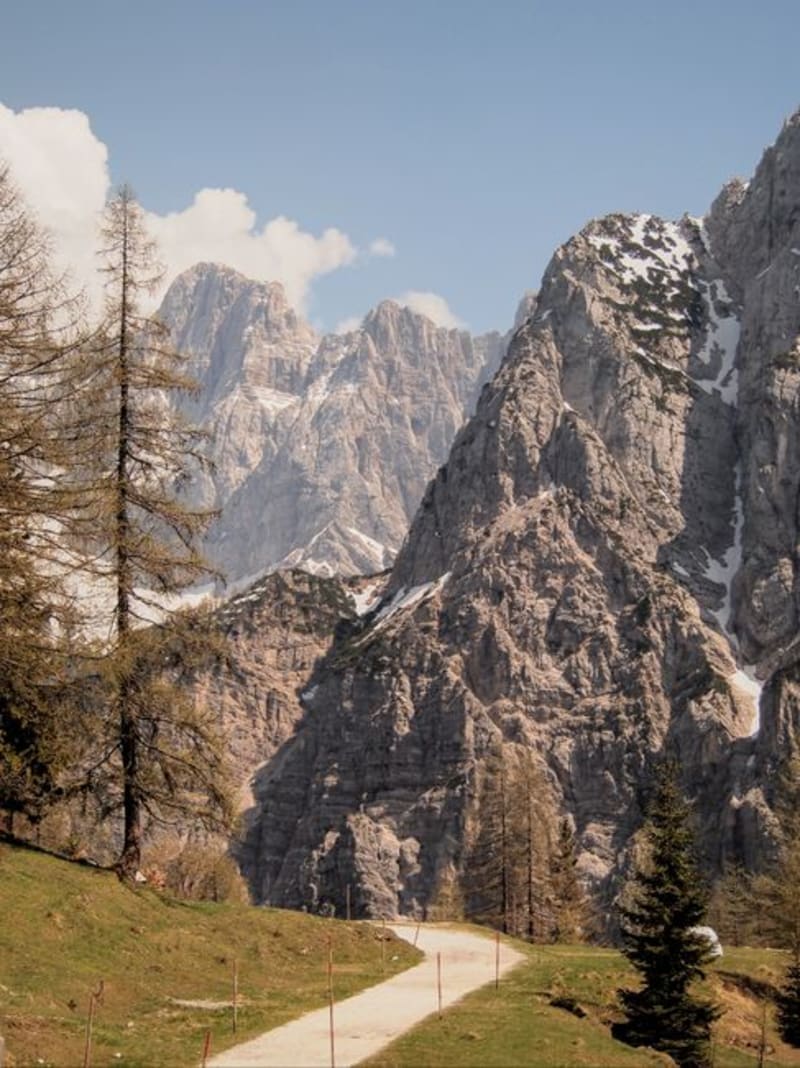
 Robanov Kot
A protected side valley of the Savinja Alps, narrower and quieter than its famous neighbor Logarska Dolina, where a handful of centuries-old farms sit beneath a wall of limestone peaks and almost nobody comes.
Explore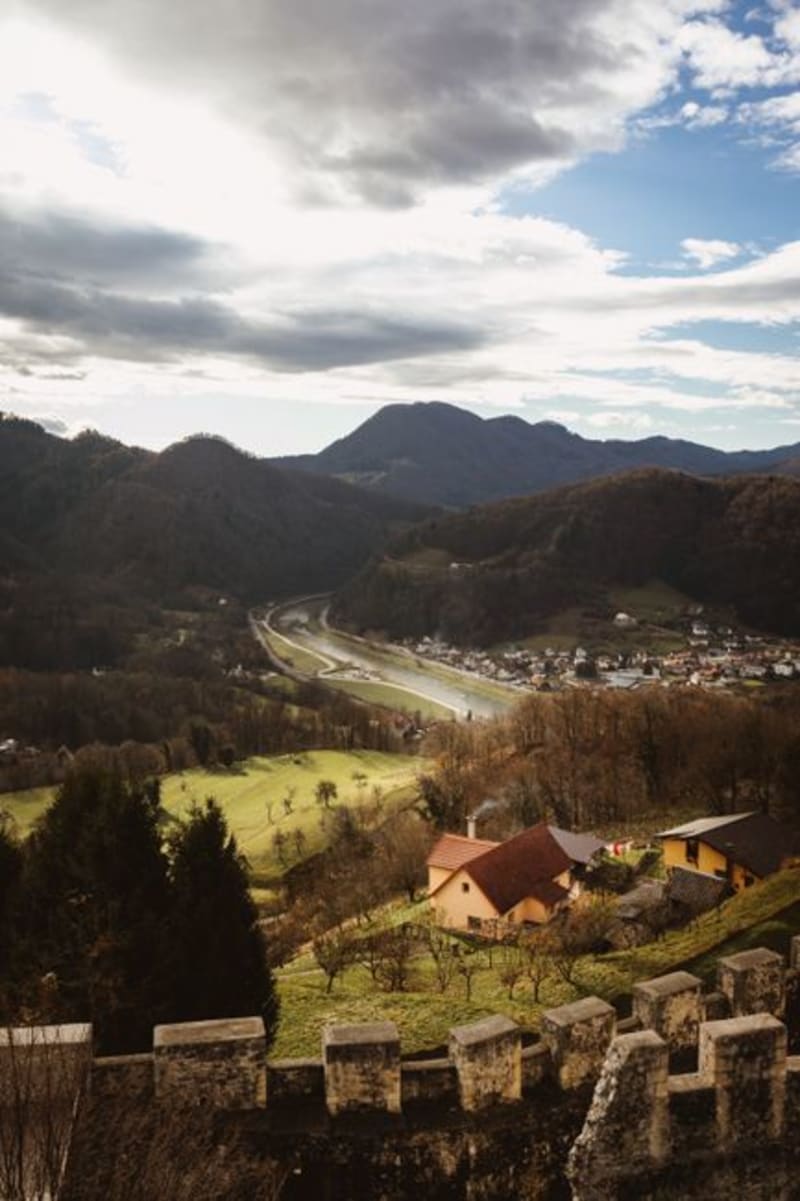 slovenia
 Rogaška Slatina
A belle-époque spa town built around mineral water so strong you drink it in small measured glasses, wrapped in crystal-cutting workshops and faded imperial grandeur.
Explore slovenia
 Rogatec
A tiny border town where an open-air museum of thatched farmhouses preserves a version of rural Štajerska that's almost entirely vanished elsewhere.
Explore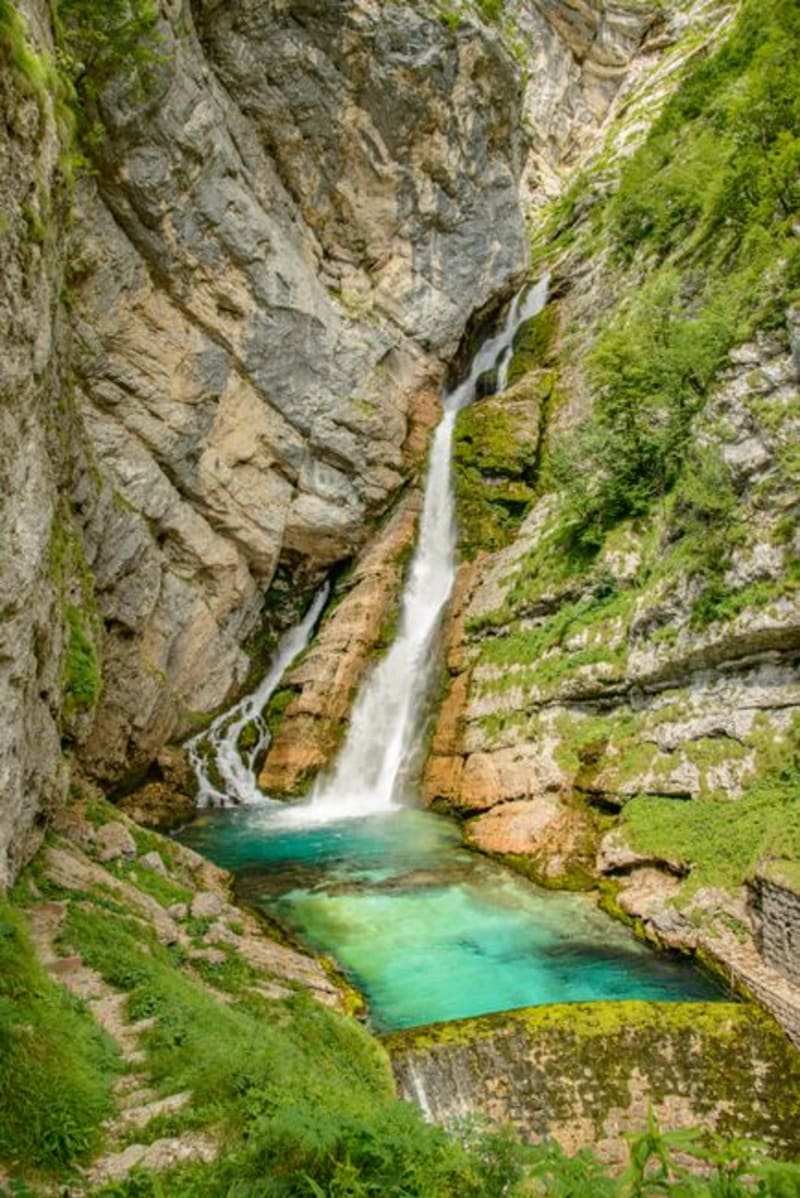 slovenia
 Savica Waterfall
A two-tiered waterfall dropping into a cave-carved amphitheater at the source of the Sava Bohinjka, mythologized in Slovenia's national epic and every bit as dramatic in person.
Explore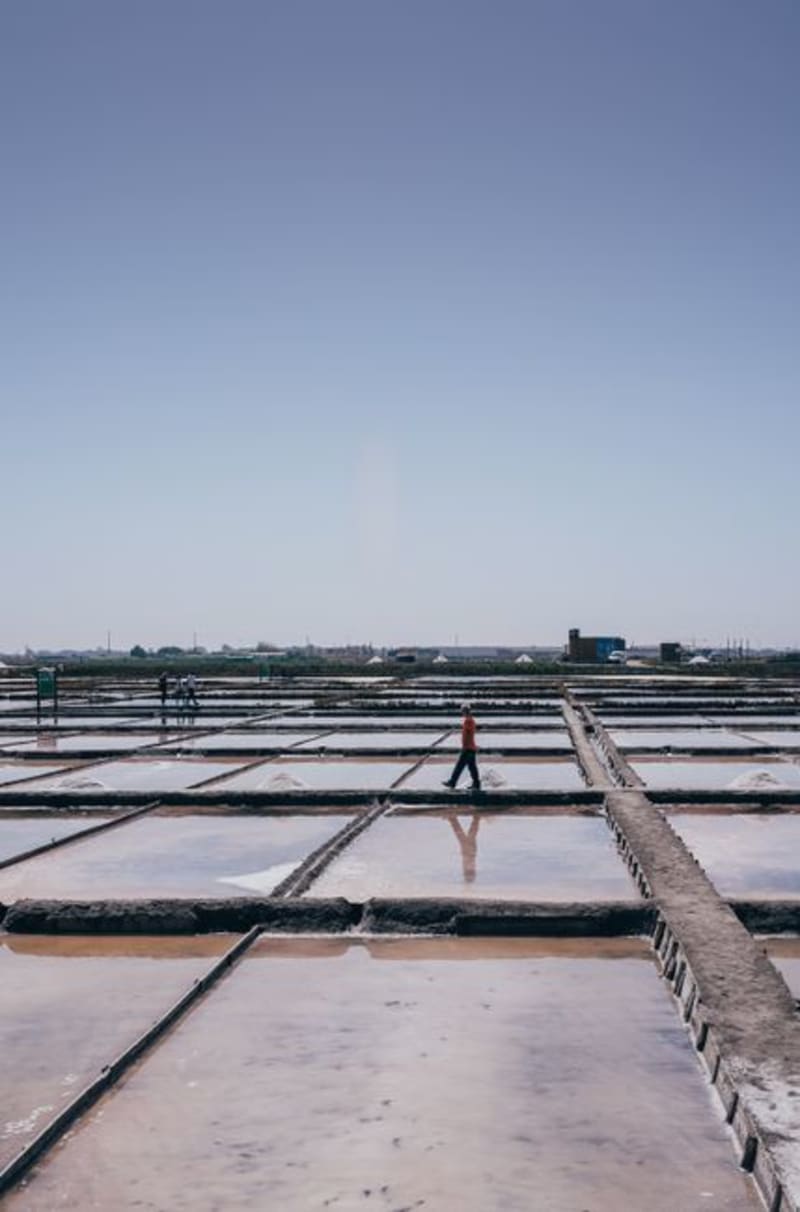 slovenia
 Sečovlje Salt Pans
A working salt landscape at Slovenia's southern tip where the harvest still happens by hand exactly as it did seven hundred years ago, and flamingos show up as if summoned.
Explore slovenia
 Šiška
Ljubljana's unglamorous northern district turned creative stronghold, anchored by a converted cinema that hosts some of the best live music in the Balkans.
Explore