Portorož
"Portorož is Piran's polished, slightly kitsch cousin — and it knows exactly what it's for."
Slovenia's only proper seaside resort town — a strip of belle-époque hotels, casinos, and a genuinely excellent thalassotherapy tradition, ten minutes and a world away from Piran.
We came to Portorož almost by accident, chasing a cheaper apartment than anything we could find in Piran during the last warm week of September. I expected a soulless strip of resort hotels, and for the first hour on the promenade, that’s roughly what I got — palm trees planted a little too symmetrically, a casino lit up mid-afternoon like it was already midnight, tour buses idling outside four-star hotels with names like “Grand” and “Slovenija.” Then Lia pointed out something I’d missed: half the guests strolling the seafront in white robes weren’t on vacation exactly, they were here for the mud.
The Salt Mud Cure
Portorož has been a spa town since Austro-Hungarian times, and the tradition survives almost unchanged: therapeutic mud from the nearby Sečovlje salt pans, packed onto joints and backs in treatment rooms that smell faintly of brine and eucalyptus. I am usually the last person to sign up for a spa day, but after three weeks of hiking the Julian Alps my knees put in a formal request, and I gave in. An hour later I understood the appeal — not as luxury exactly, more like a slightly medicinal ritual that locals have taken seriously for over a century.

Marina Life After Dark
What actually won me over was the marina at night. Once the day-trip buses clear out, Portorož quiets into something closer to a small Adriatic town again — fishing boats knocking gently against the dock, a handful of restaurants serving grilled scampi at tables set right at the water’s edge, teenagers on scooters circling the empty casino car park for lack of anything better to do. We ate wood-fired flatbread at a place with no sign, just a chalk menu, and watched the lights of Piran’s peninsula blink on across the bay.
Where to Actually Swim
Skip the concrete bathing platforms directly in front of the big hotels — they’re functional but charmless. Walk twenty minutes south toward Lucija instead, where the coast opens up a little and the crowd thins to families and old men doing laps at dawn. It isn’t a postcard beach; this stretch of Adriatic doesn’t really do sand. But the water is clean, warm by June, and free of the selfie-stick choreography you get on the Piran side.
When to go: June and September give you warm swimming water without peak-August crowds. If the spa culture interests you more than the beach, October and November bring off-season rates and near-empty treatment rooms.
Keep exploring
More from Slovenia
 slovenia
 Postojna Cave
Europe's most elaborate cave system pulls you underground by electric train into a world of cathedral-scale caverns, otherworldly formations, and a blind, pale amphibian that has lived in the dark for so long it forgot what eyes were for.
Explore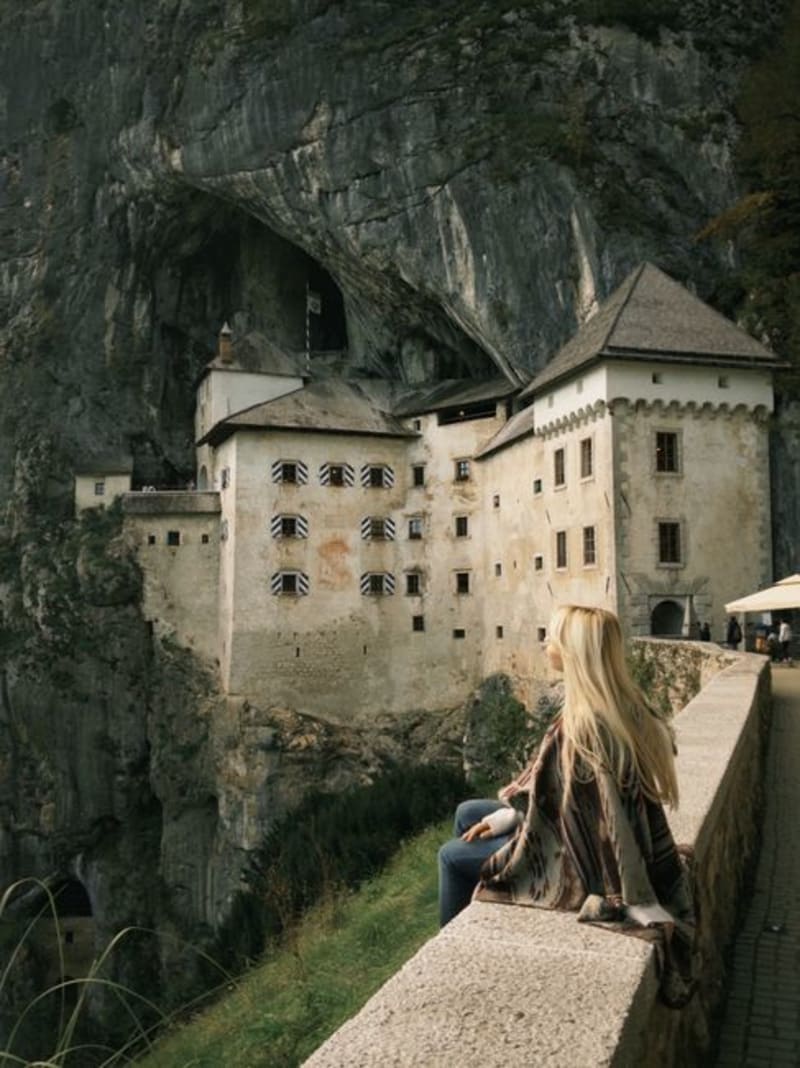 slovenia
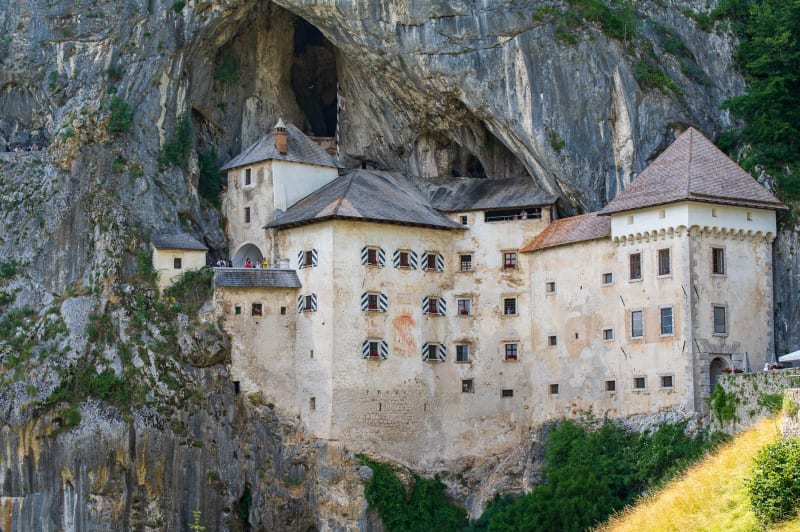
 Predjama Castle
A Renaissance castle built directly into the mouth of a cave halfway up a 123-meter cliff, home to a robber knight who held off a Habsburg army for over a year using tunnels no besieger ever found.
Explore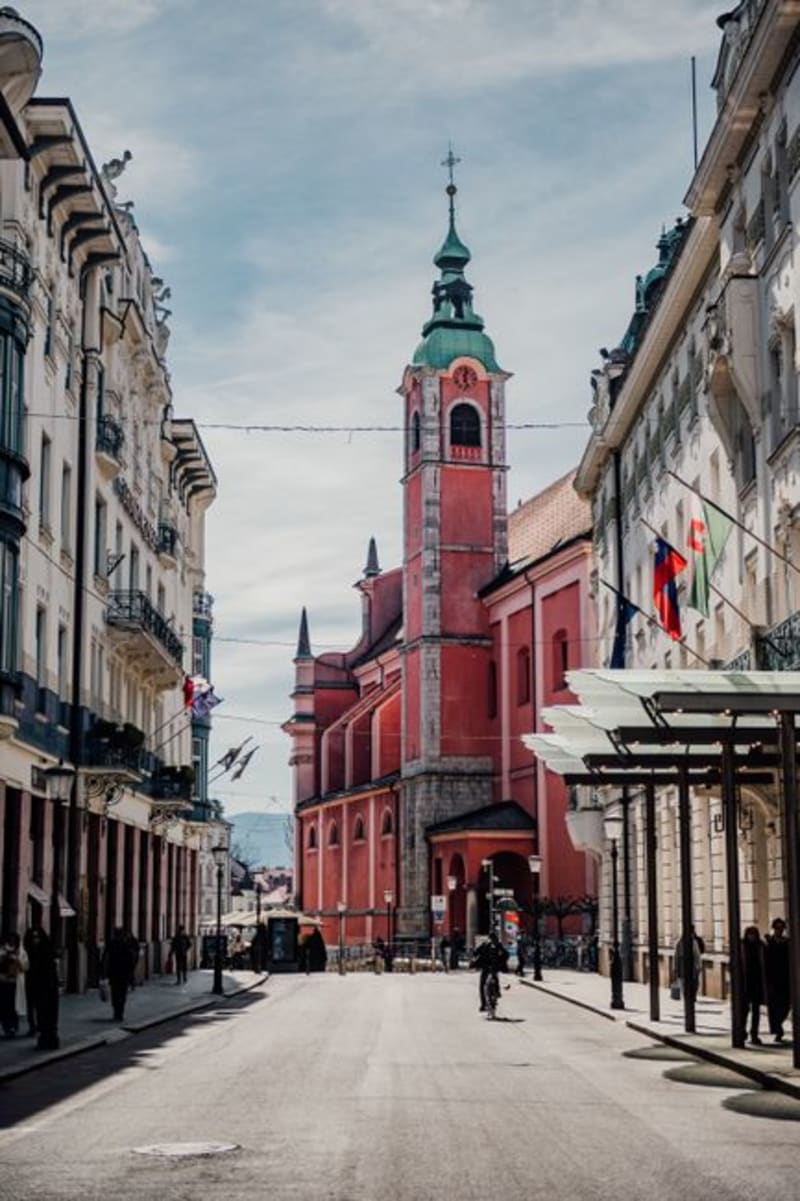 slovenia
 Prešeren Square
Ljubljana's beating central plaza, where a pink Franciscan church faces down a poet's statue and every street in the old town seems to begin.
Explore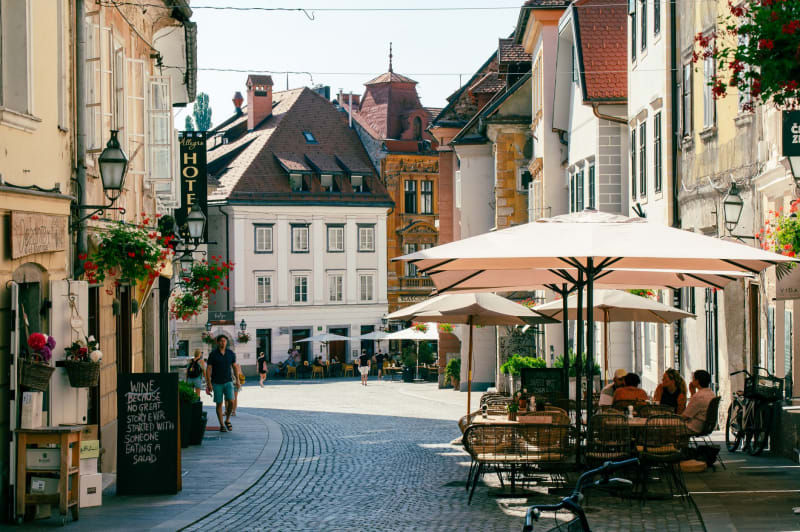 slovenia
 Ptuj
Slovenia's oldest town sits on the Drava River beneath a castle hill, carrying two thousand years of Roman, medieval, and Styrian wine culture with the quiet confidence of somewhere that has never needed to advertise itself.
Explore slovenia
 Ptujska Gora
A pilgrimage church on a Haloze hilltop with 365 carved faces looking down from its ceiling, and a view over the vineyards that stops conversation.
Explore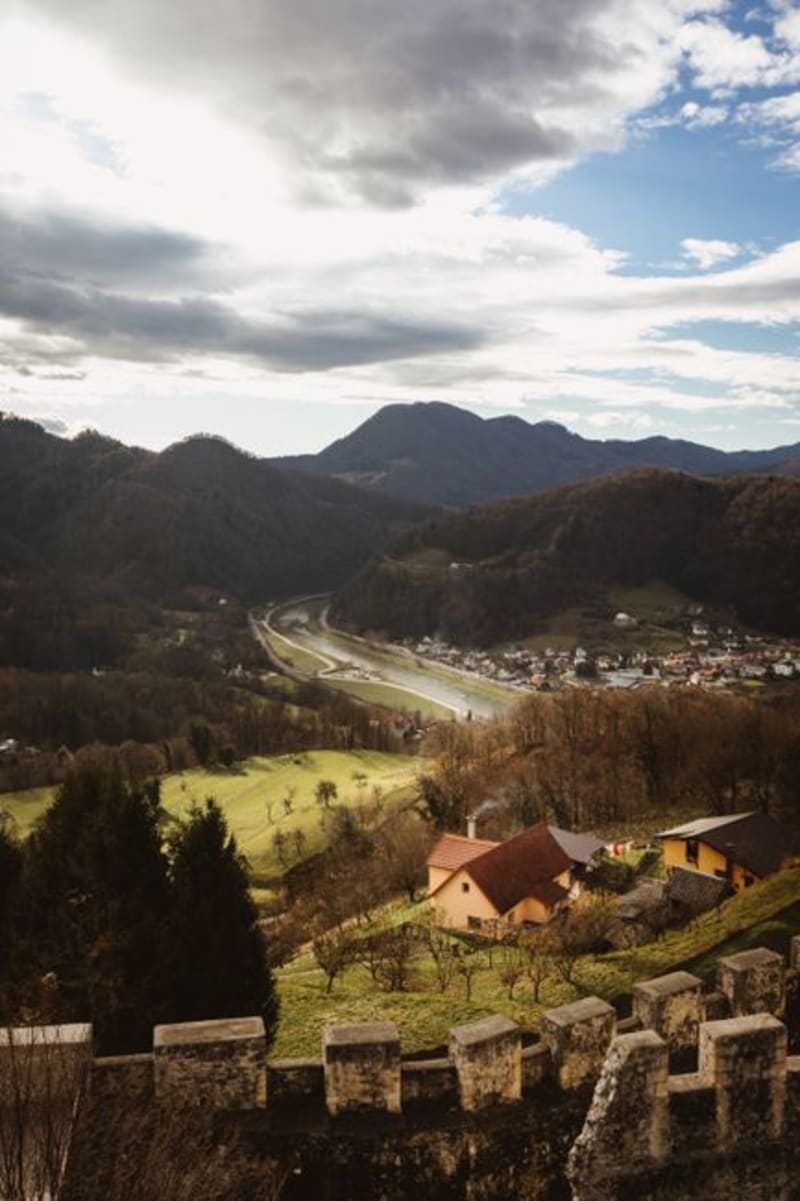 slovenia
 Rakov Škocjan
A pocket-sized karst valley in the Notranjska forest where a river vanishes underground twice, leaving behind two natural stone bridges and almost nobody around to see them.
Explore