
A modest castle town on the Drava, the quiet anchor of a wine district that outshines its own reputation, right on the Croatian border.
Ormož sits close enough to the Croatian border that our phones kept switching networks as we drove in, a small town on the flat plain of the Drava that most itineraries skip entirely in favor of Ptuj, twenty minutes up the road. That’s a mistake, or at least it was for us — we ended up spending a full day here almost by accident, and it became one of the more grounding stops of the trip.
A Castle Doing Its Own Thing
Ormož Castle is not trying to compete with the grander piles elsewhere in Slovenia. It’s a squat Renaissance-era building with a plain courtyard, home to the town’s regional museum, and I liked it precisely for its lack of pretension. Inside, alongside the expected archaeology and ethnography rooms, there’s a surprisingly good collection tracing the region’s wine history — old presses, coopers’ tools, black-and-white photos of harvest crews from a century ago that could have been taken yesterday given how little the vineyard work itself has changed.
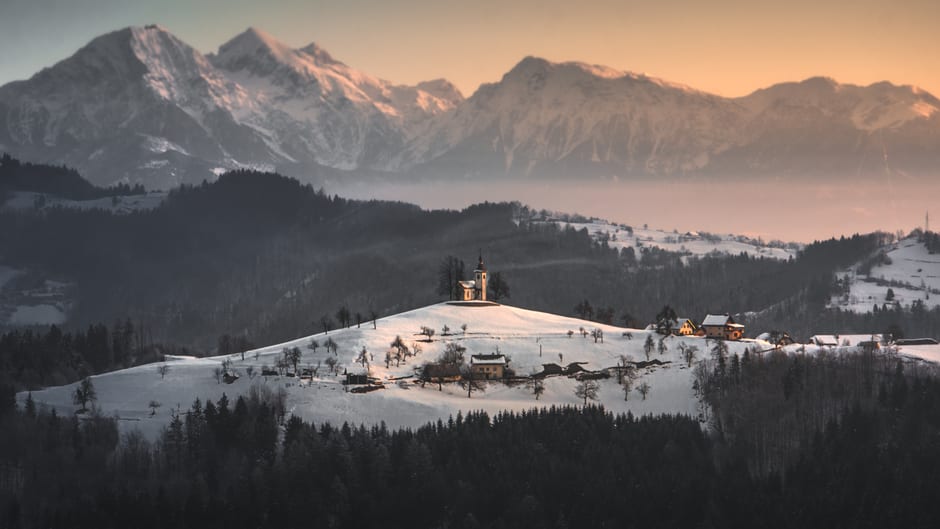
We climbed the small tower for a view over the Drava plain — flat, green, threaded by the river — with the Ormož-Jeruzalem wine hills rising gently to the north, a reminder of how quickly Slovenia’s geography changes within a few kilometers.
The District’s Quiet Half
Ormož gives its name to half of Slovenia’s most celebrated wine district, technically titled Ljutomer-Ormož, though Jeruzalem gets most of the postcards. The Ormož side felt less curated, more workaday, family cellars along back roads without much signage. We found one by accident, following a hand-lettered “vino” sign down a gravel track, and were waved in by an older man who barely spoke past a handful of English words but poured us four different wines without being asked, refilling our glasses each time we tried to politely decline.
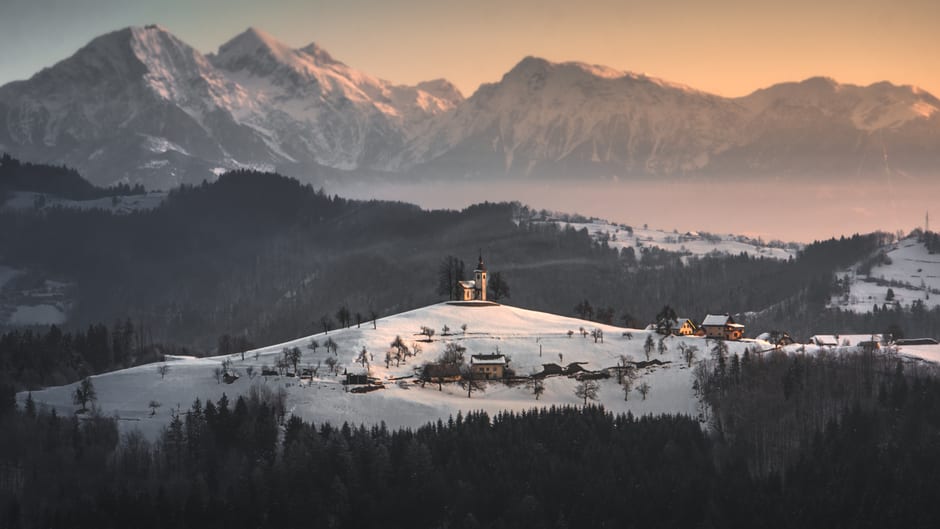
His Furmint was dry and honeyed at once, a contradiction I still can’t fully explain, and we bought two bottles for the price of what a single glass would have cost in Ljubljana. Lia said it was the most Slovenia had felt all trip — not performed, just offered.
When to go: September through October for harvest season in the surrounding hills, when the family cellars are busiest and most welcoming to wandering visitors. Spring works well too, for a quieter, greener version of the same countryside.