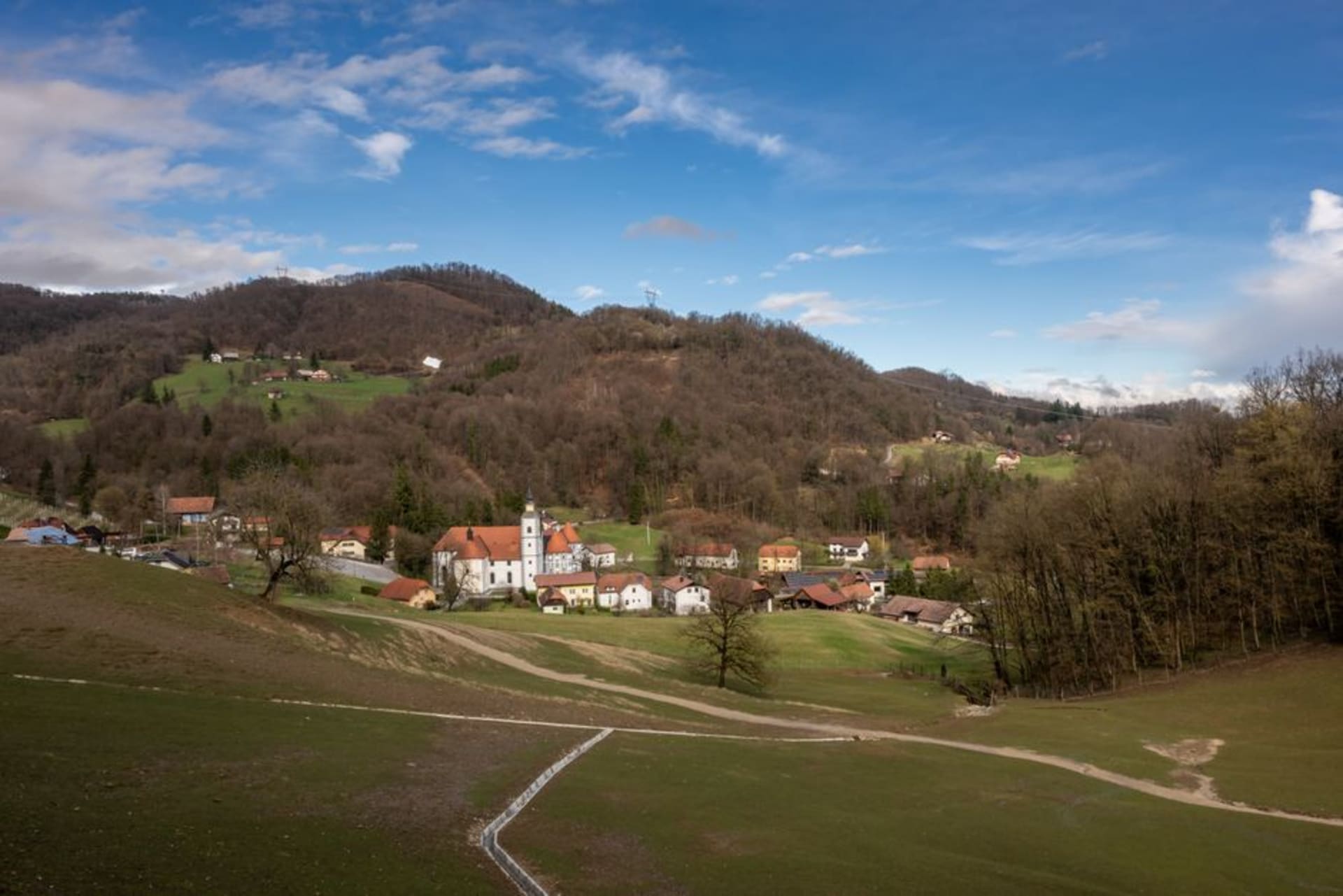
Nova Gorica
"I stood with one foot in Slovenia and one in Italy and neither country seemed to mind."
A planned socialist-era border town built to answer Italy's Gorizia across the frontier, now with a shared central square that erases the line between the two countries entirely.
Nova Gorica exists because of a line on a map that Yugoslavia found inconvenient. After the Second World War, the new border with Italy cut the historic town of Gorizia in half, leaving most of it — and its train station — on the Italian side. So Slovenia built a new town from scratch just across the frontier, a planned socialist city with wide boulevards and functional apartment blocks, designed in the late 1940s to prove that the Yugoslav side could thrive without the old town at all. It’s not conventionally beautiful in the way Ljubljana or Piran are, and that’s exactly what made it interesting to me — this is a city built as a statement.
A Square With No Border
The strangest and best thing about Nova Gorica today is Transalpina Square, which since Slovenia joined the Schengen Area sits entirely open, the actual border line marked only by a mosaic strip set into the pavement and a low stone marker. I walked across it several times just to feel the anticlimax of crossing an international border by stepping over a decorative tile, no passport, no booth, nothing. Lia bought a coffee on the Italian side and we drank it sitting on a bench that was, depending on which half you asked, in either country.
Two Cities Sharing a European Title
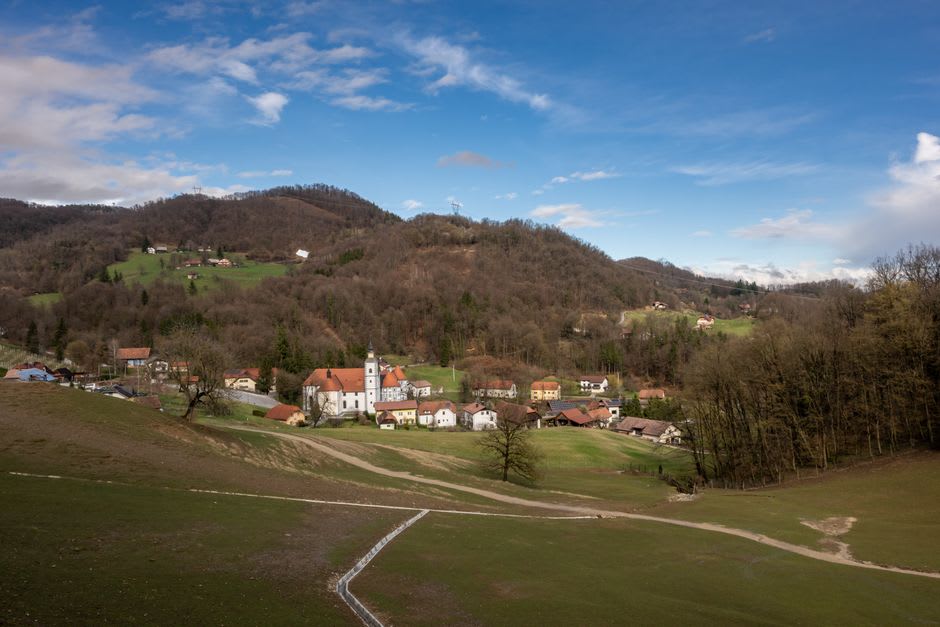
Nova Gorica and Gorizia jointly held the title of European Capital of Culture in 2025, the first time the designation was shared across a border between two different countries, and you can feel the city investing in that idea — public art referencing division and reunification, renovated cultural venues, an unmistakable sense of a town trying to redefine itself as something other than a Cold War leftover. Walking the wide central boulevard past the Kostanjevica monastery on its hill, where the last Bourbon king of France is buried in an odd historical footnote nobody quite explains satisfyingly, the city felt like it was still figuring out what it wants to be next.
An Underrated Casino Town, If You’re Curious
There’s also a stranger, more contemporary layer here: Nova Gorica became a gambling destination for Italians in the postwar decades since casinos were illegal across the border, and several large casino-hotels still operate along the frontier. I didn’t gamble, but we wandered through the lobby of one out of curiosity, and the contrast between velvet-and-neon casino interior and the sober planned-town streets outside summed up the town’s split personality better than anything else did.
When to go: Spring and autumn for comfortable walking weather. The town works well as a half-day stop combined with Gorizia itself, since both halves are best understood together.