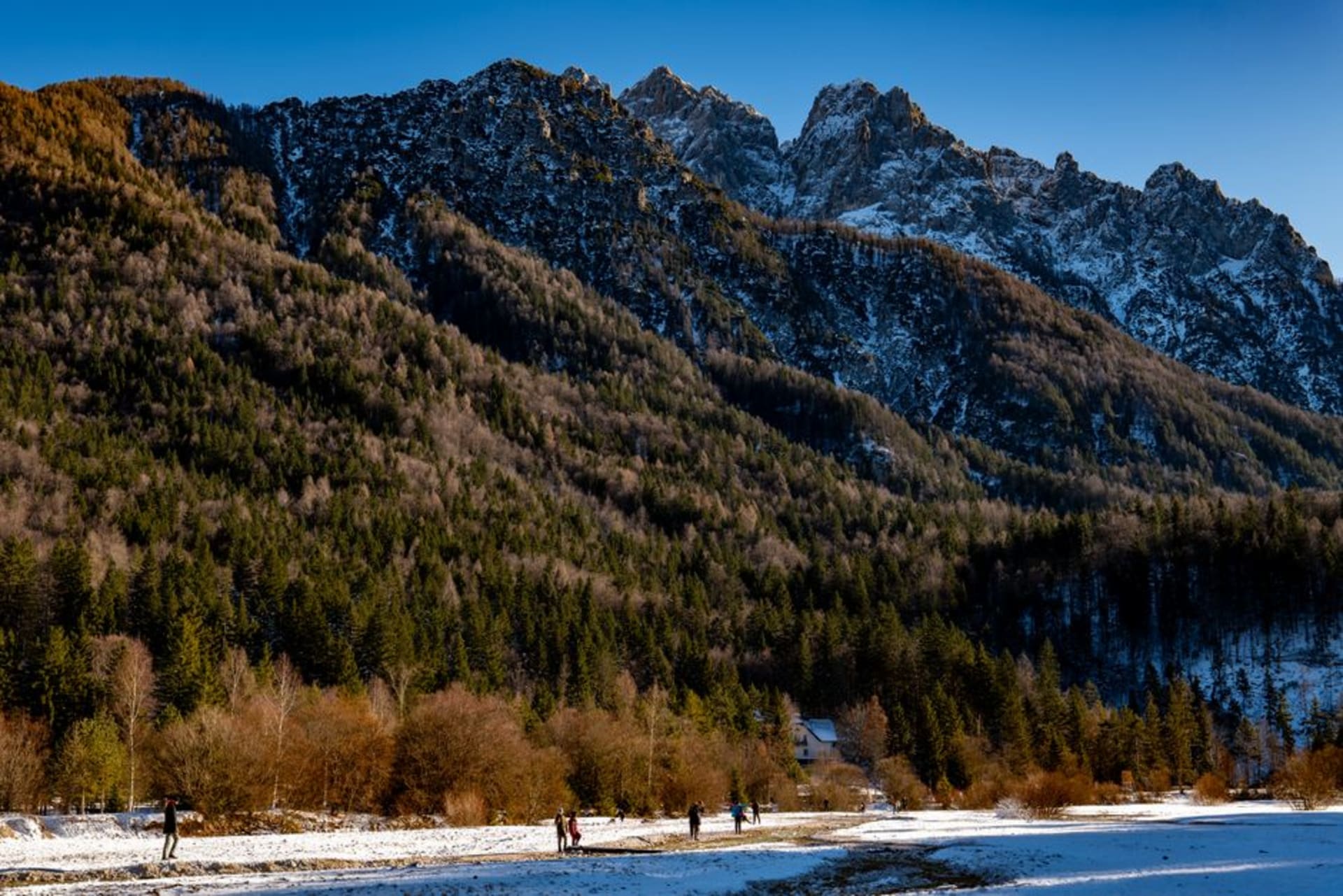
Metlika
"Bela Krajina felt like a small country tucked inside a small country, with its own costumes, wine, and river to prove it."
The capital of Bela Krajina sits against the Kolpa River and the Croatian border, its distinct folk costume, wine, and white birch landscape marking it as culturally apart from the rest of Dolenjska.
Metlika sits at the far southern edge of Slovenia, close enough to Croatia that the Kolpa River marking the border is visible from the edge of town, and it serves as the unofficial capital of Bela Krajina — White Carniola — a small subregion within Dolenjska with a strong enough sense of its own identity that it feels almost like a separate place. The name comes from the pale birch forests that once covered the area, and the region has held onto distinct folk traditions, costume, and wine culture that set it apart even from the rest of southeastern Slovenia.
A Border Town With Its Own Identity
We arrived in Metlika on a warm afternoon after driving down through the Krka valley, and the town’s old center — a compact grid on a low rise above the river plain — had a specific, self-contained charm that felt distinct from Novo Mesto or the villages further north. The parish church tower is visible from most approaches, pastel Habsburg-era facades line the small main square, and a regional museum in a former castle documents Bela Krajina’s folk costume tradition in detail — elaborate white embroidered dress that gives the region its name and that still appears at local festivals rather than existing purely as museum material.
The Kolpa River
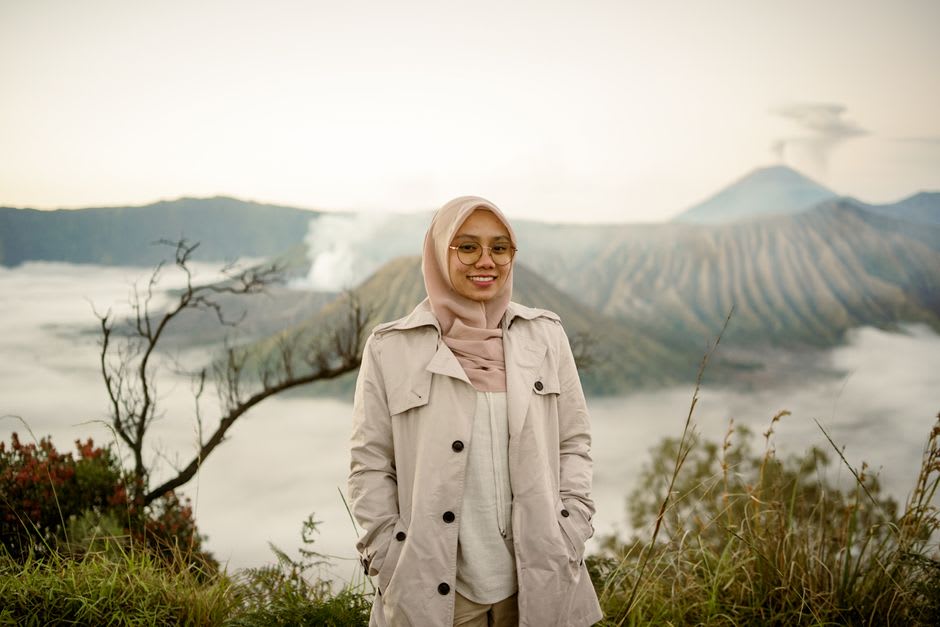
The Kolpa itself, forming the border with Croatia just south of town, is one of Slovenia’s warmest rivers in summer, warm enough that it’s a genuine local swimming destination rather than just a scenic backdrop. We waded in on a hot afternoon and it was noticeably warmer than the Krka further north — a function of its shallower, slower stretch through this southern valley. Locals were doing the same thing all along the bank, a low-key, unstaged scene that felt like the most honest kind of summer afternoon in Slovenia we found on the whole trip.
Wine of Bela Krajina
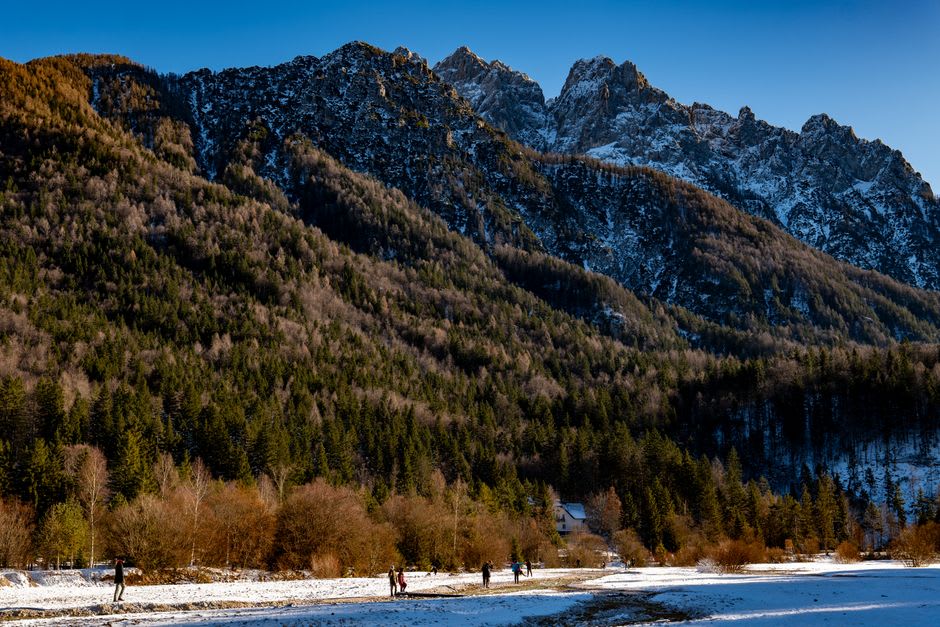
Bela Krajina has its own wine identity too, distinct from Dolenjska’s better-known Cviček — this region leans toward Metliška črnina, a lighter red, and produces it from gentle hillside vineyards that ring the town on nearly every side. We stopped at a small family cellar recommended by our guesthouse host, tasted three wines standing in a cool stone cellar while the owner talked, half in Slovenian and half in enthusiastic gesture, about his grandfather’s vines, and left with two bottles we drank slowly over the following week.
When to go: Summer for swimming in the Kolpa, when the water is at its warmest. Early autumn for the wine harvest and Bela Krajina’s folk festivals, when traditional costume appears in public rather than only in the museum. The town is a manageable day trip from Novo Mesto but rewards an overnight stay if the river swimming is the priority.