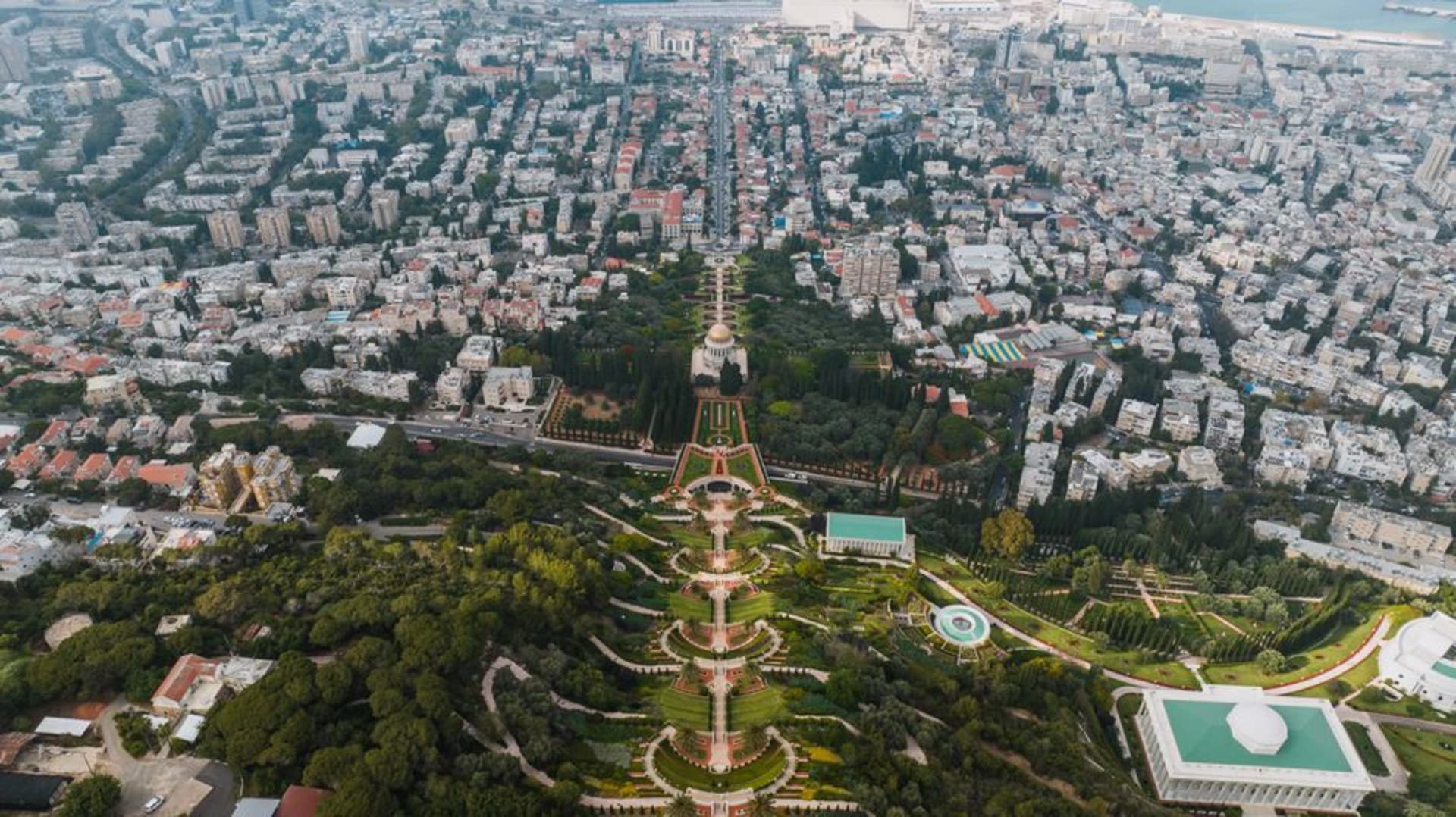
Jeruzalem
"Nobody warned me that the road to Jeruzalem would be this quiet, or this beautiful."
A ridge of vineyards so improbably named that the wine itself seems to have been blessed — Slovenia's most photogenic wine hills, and one of its quietest.

I’ll admit the name is what got me. Jeruzalem, Slovenia — a hamlet of maybe a hundred people, no relation whatsoever to the city it’s named for, sitting on a wine ridge in the far northeast corner of the country near the Croatian border. The story goes that returning Crusaders, exhausted and looking down on these vine-covered hills, declared they’d finally found their promised land. I don’t know if that’s true. I don’t especially care. I just wanted to see a place with that name on the road sign, and Lia wanted the wine, so we drove up from Ormož on a Tuesday with almost nobody else on the road.
A Ridge Built for Walking
The Jeruzalem wine road climbs in long, easy curves through Ljutomer-Ormož country, and the views are the kind that make you pull over every few hundred meters whether you mean to or not — vineyard rows combed across the hills in every direction, the odd chapel or cellar roof poking through the green, and on a clear day the Slovenske Gorice rolling away toward the horizon like a green sea that’s frozen mid-swell.
We parked near the small chapel of Mary Queen of Peace at the top and just walked the ridge for an hour, not really going anywhere. There’s a network of marked trails looping through the vineyards — the Jeruzalem-Ormož wine road proper runs about 45 kilometers if you want the full circuit, but the short walk from the chapel down through the Vuglajna estate vines and back was exactly the pace we wanted that afternoon.
Wine Without the Performance
This is Slovenia’s most celebrated wine region and yet somehow the tasting rooms feel like someone’s actual house, because they usually are. We stopped at a small family cellar with a hand-painted sign, no website, no reservation system, just a woman who came out wiping her hands on her apron and led us down into a cool stone cellar smelling of damp oak and fermenting must.
The Rhine Riesling from these slopes has a steeliness I didn’t expect from somewhere this far from any coast — sharp, mineral, almost saline, apparently from the marl and sandstone under the vines. We drank it slowly, sitting outside on plastic chairs while the light went orange and a farmer somewhere below burned brush, the smoke curling up between the rows. Lia said it was the best glass of wine she’d had in Slovenia, and I wasn’t inclined to argue.
When to go: September and October, during harvest, when the hills are busiest with pickers and the cellars are pressing fresh must — the smell alone is worth the trip. Spring is lovely too, when the vines are just leafing out and the hillsides are still green rather than gold.
Keep exploring
More from Slovenia
 slovenia
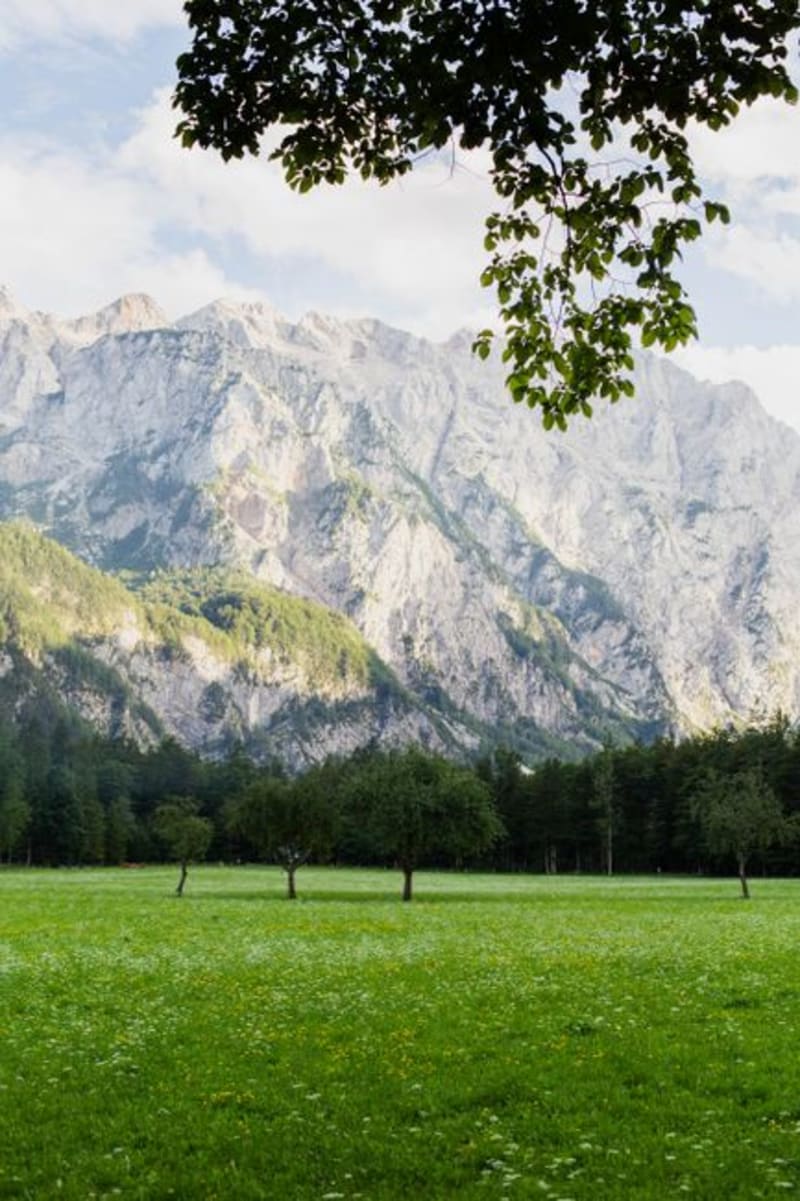
 Jezersko
A dead-end alpine valley near the Austrian border where a handful of farming families still outnumber the tourists, and the silence is the whole point.
Explore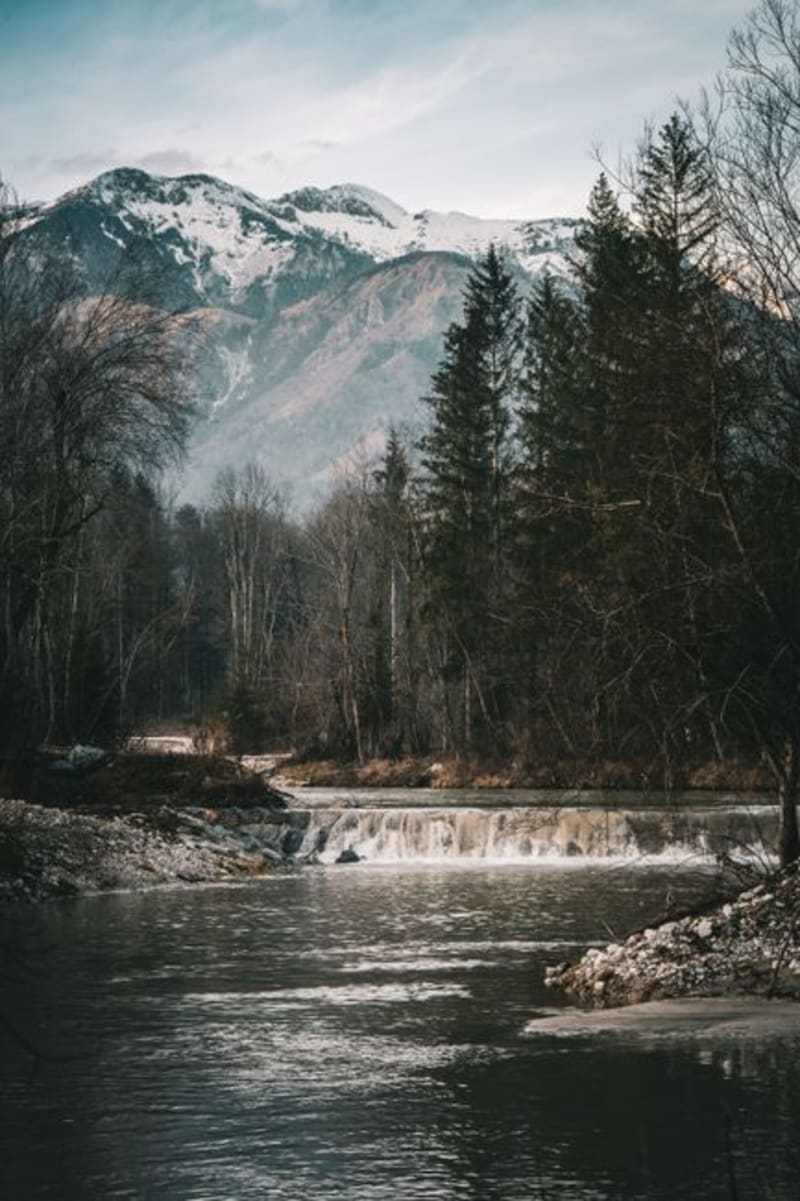 slovenia
 Kamnik
A medieval market town at the foot of the Kamnik-Savinja Alps, with two castles, a river running straight through the old center, and none of the crowds that Bled and Ljubljana have learned to expect.
Explore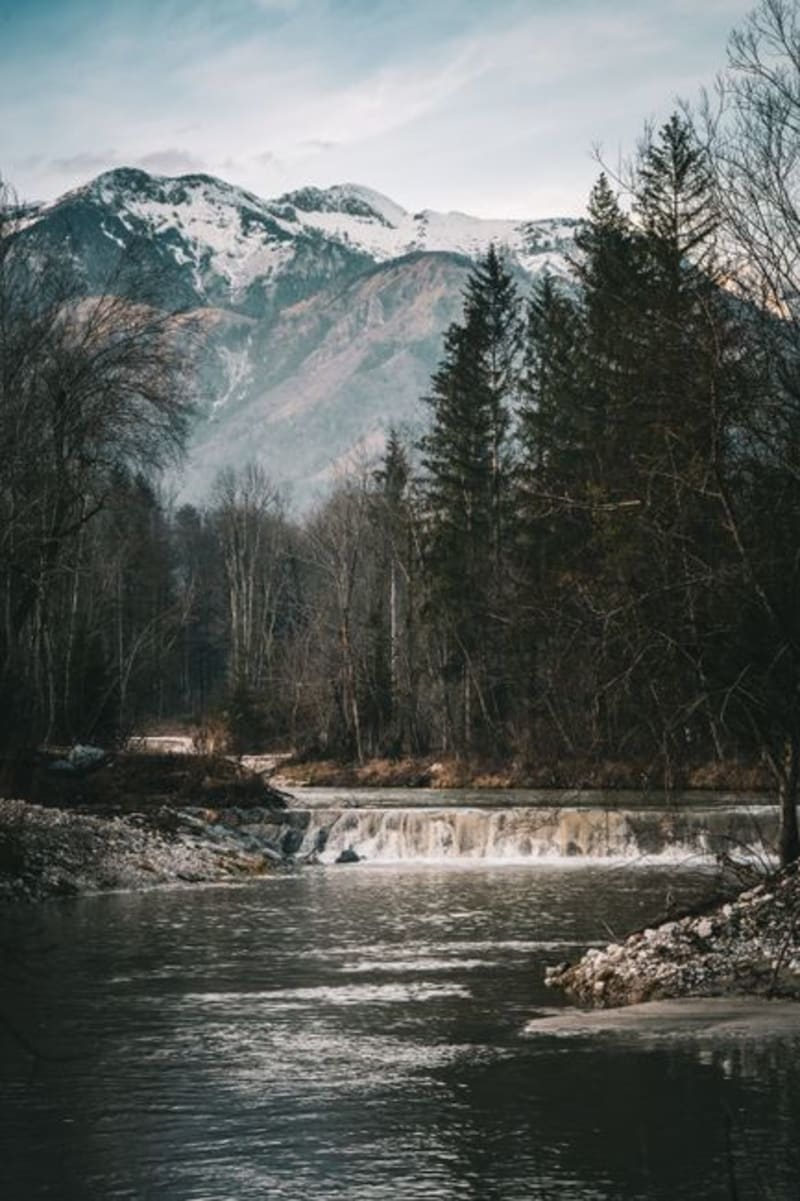 slovenia
 Kamniška Bistrica
The valley where the Kamniška Bistrica river is born from a wall of limestone peaks, a short drive from Kamnik and the starting point for the cable car up to Velika Planina and the serious climbs into the Kamnik-Savinja high country.
Explore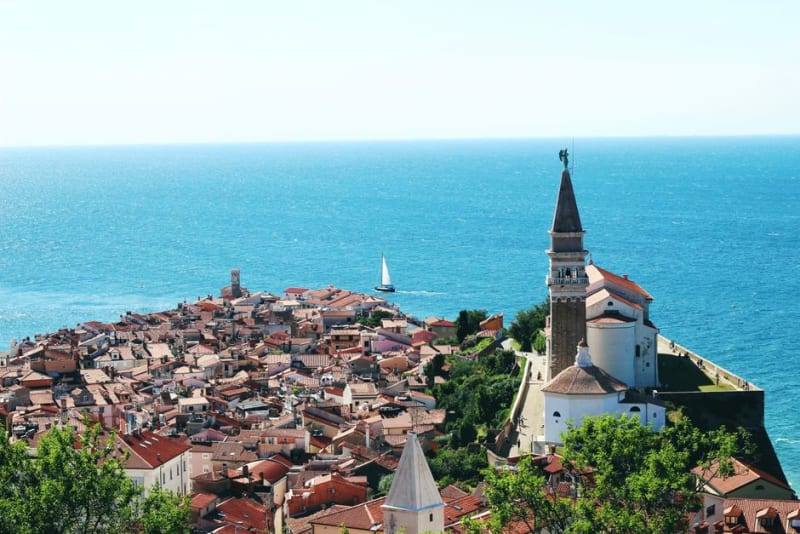 slovenia
 Kanin
Slovenia's highest ski resort, strung across a cross-border ridge with Italy, reached by a cable car that lifts you from valley meadow to bare alpine rock in three stages.
Explore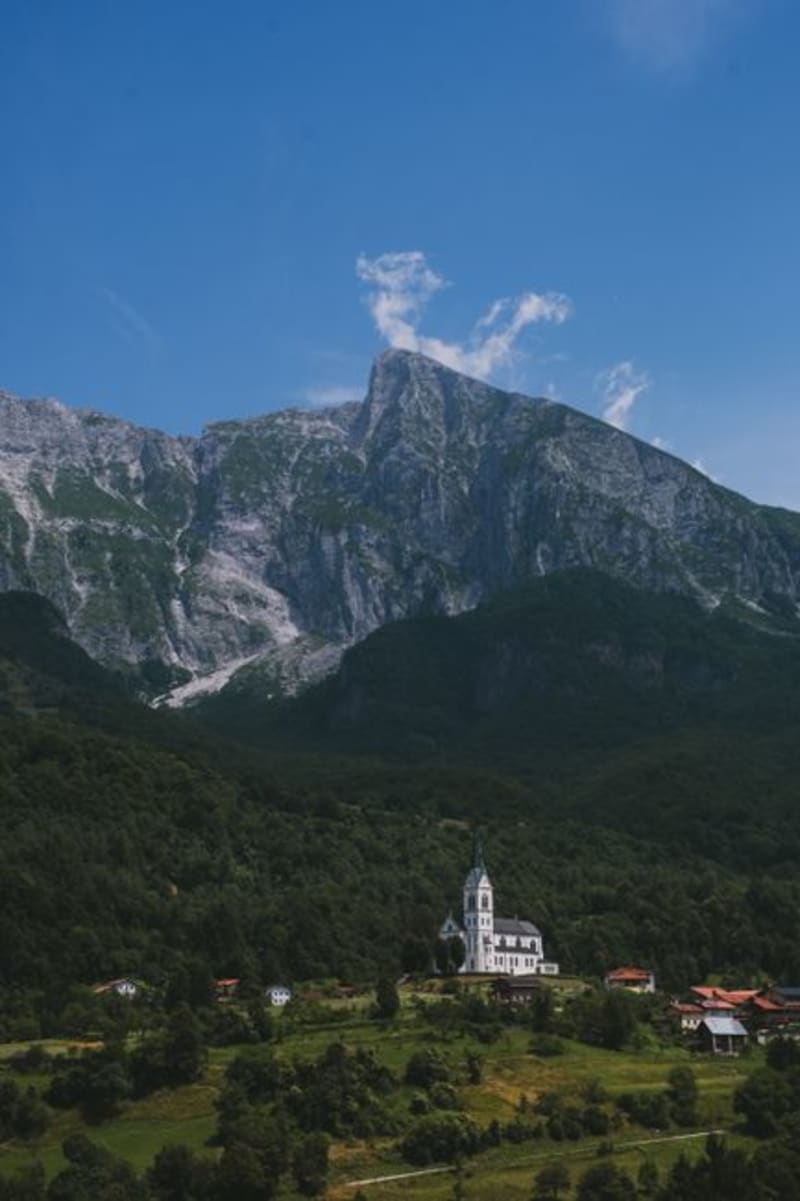 slovenia
 Kobarid
A small town in the lower Soča Valley carrying the weight of one of the First World War's most devastating battles, and one of Slovenia's best restaurants for the trouble.
Explore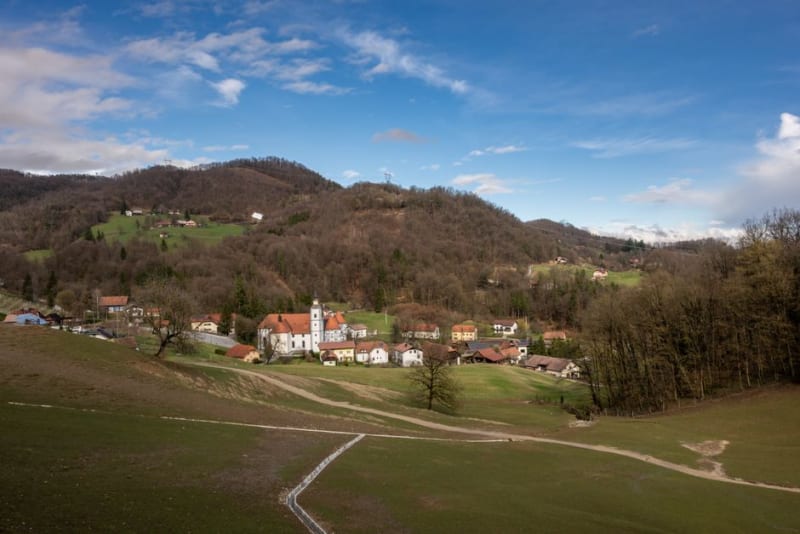 slovenia
 Kočevje
The largest, densest forest in Slovenia, home to one of Europe's healthiest brown bear populations, a WWII partisan hospital hidden in a canyon, and a town that used to speak German and now barely speaks at all.
Explore