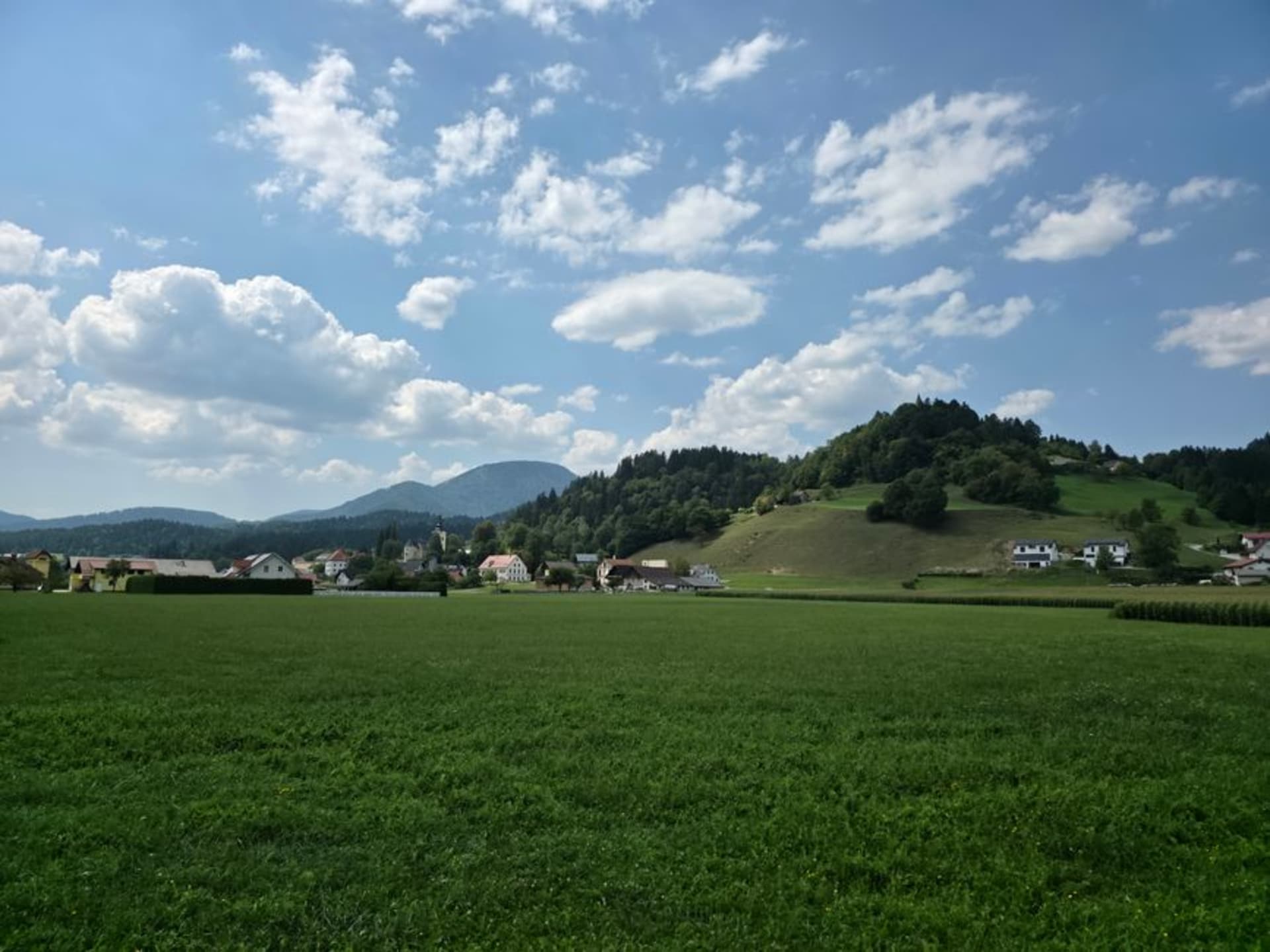
Haloze Hills
"I've never seen vines grow at that angle before, and I still don't understand how anyone harvests them."
The steepest wine country in Slovenia, a folded landscape along the Croatian border where vines cling to slopes that seem almost too sharp to farm.
Haloze doesn’t announce itself the way Jeruzalem does, with its wine-road signage and tasting-room brochures. It’s a rougher, steeper stretch of country running along the Croatian border south of Ptuj, and the first thing I noticed driving through was the gradient — vineyard rows running straight up slopes so steep they looked more like green cliff faces than farmland.
Vines on the Edge
The soil here is different from the gentler hills further north — flysch, a crumbly mix of sandstone and marl that erodes easily and makes for brutally hard vineyard work but, apparently, distinctive wine. We stopped at a viewpoint above the village of Zgornje Grušovje and just stared for a while at the pattern of it: terraces stitched into the hillsides at angles that made me wince thinking about harvest by hand, which is still, mostly, how it’s done here.
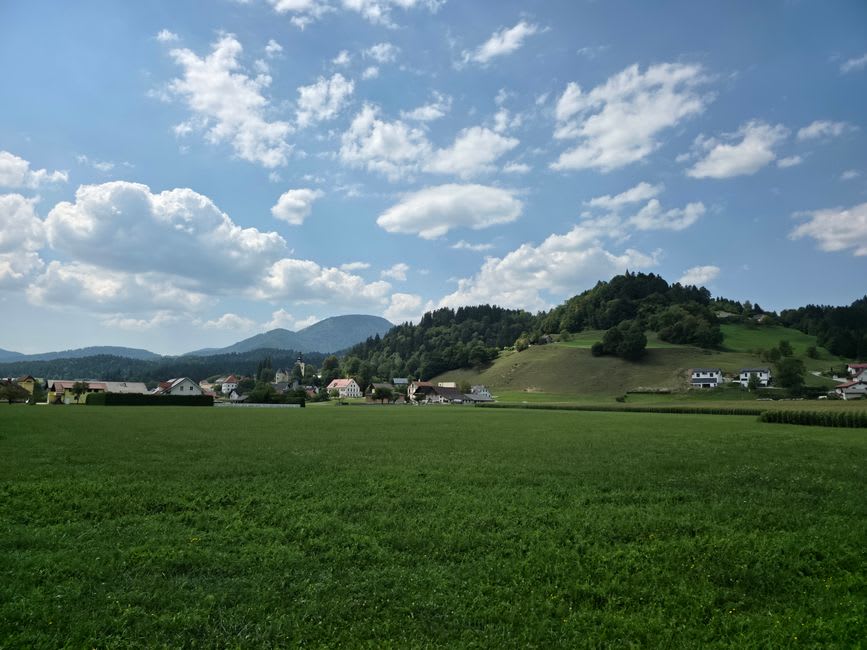
A winemaker we met near Cirkulane, who grows Modra frankinja and Rumeni muškat on a slope I wouldn’t want to walk up empty-handed, told us the steepness is exactly why the wine tastes the way it does — better drainage, more direct sun exposure, and roots that have to dig deep to survive. He said it with the flat pride of someone who’s stopped noticing how hard his own job is.
Villages Without Pretense
The hamlets scattered through Haloze — Cirkulane, Zavrč, Gorišnica’s outer edges — are small, agricultural, largely unvisited by anyone not already headed to a specific cellar. We had lunch at a family gostilna where the menu was recited rather than printed, and ate a plate of štruklji, rolled dumplings filled with cottage cheese, that the owner’s mother had apparently made that morning.
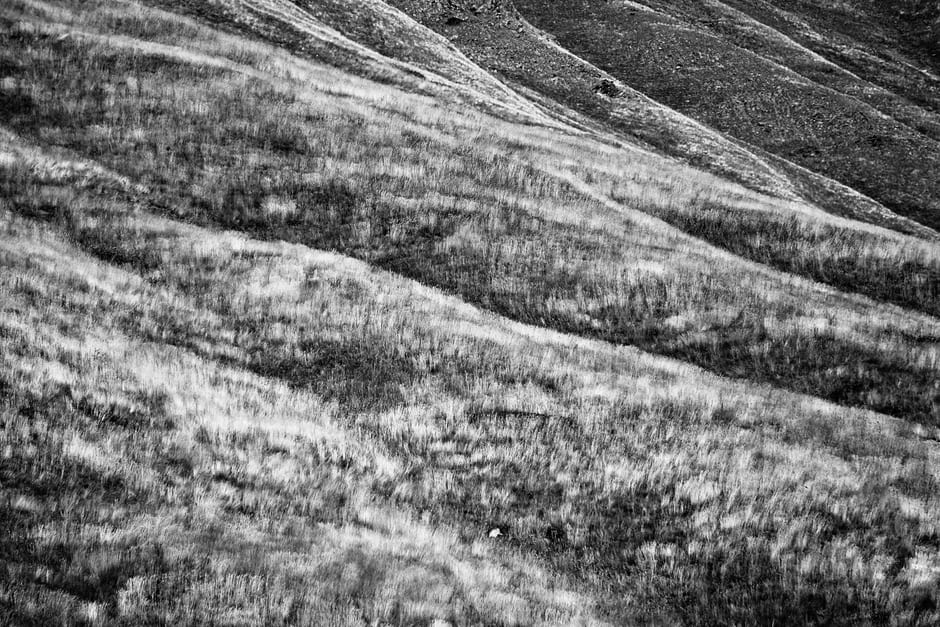
Lia said afterward that Haloze felt like the most unfiltered version of rural Slovenia we’d seen — no signage aimed at tourists, no English menus, just a landscape working hard for a living and, somehow, still managing to be beautiful about it.
When to go: Late September through October for harvest, when you can watch pickers working the near-vertical rows by hand — a sight in itself. Early summer is a quieter, greener alternative if you’d rather skip the activity and just take in the views.
Keep exploring
More from Slovenia
 slovenia
 Hrastovlje
A fortified medieval church hiding one of Europe's most complete Dance of Death frescoes — skeletons leading a pope, a king, and a peasant to the same grave, painted on the walls of a chapel surrounded by defensive stone.
Explore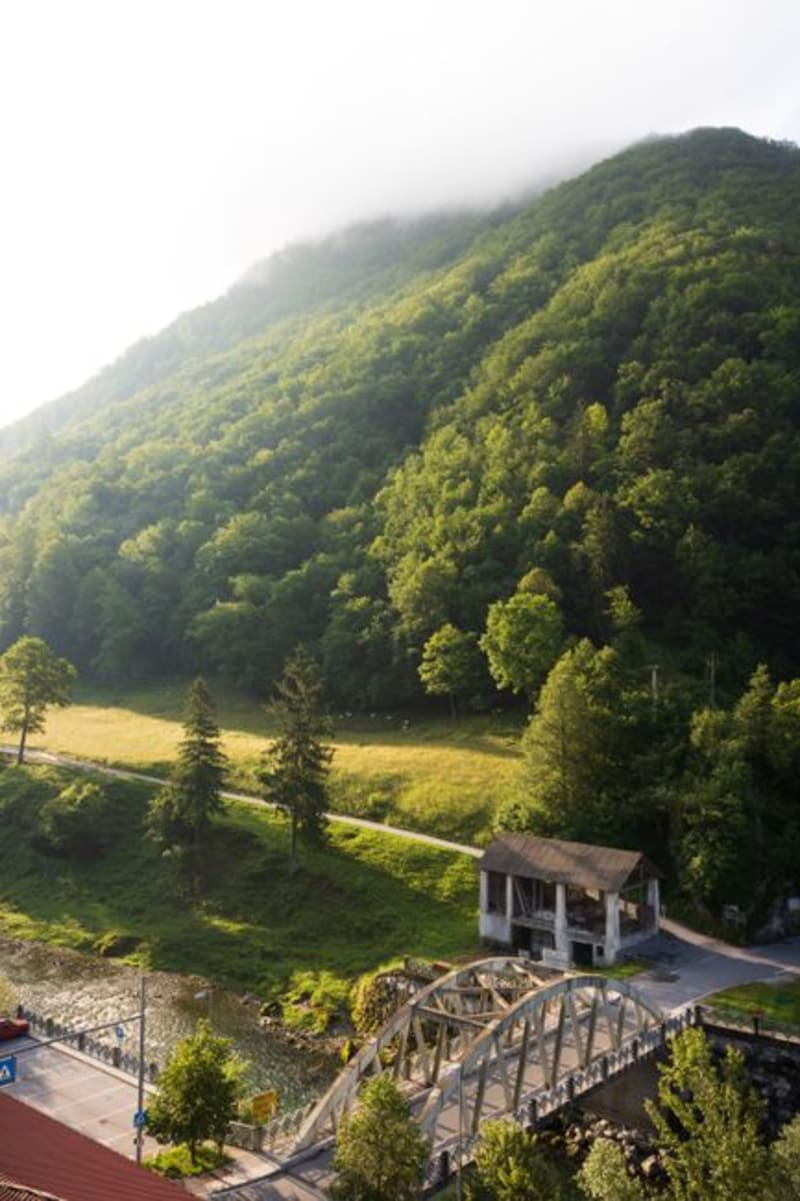 slovenia
 Idrija
A UNESCO mining town built on five centuries of mercury extraction, where a black hole in the earth funded a lace-making tradition of extraordinary delicacy.
Explore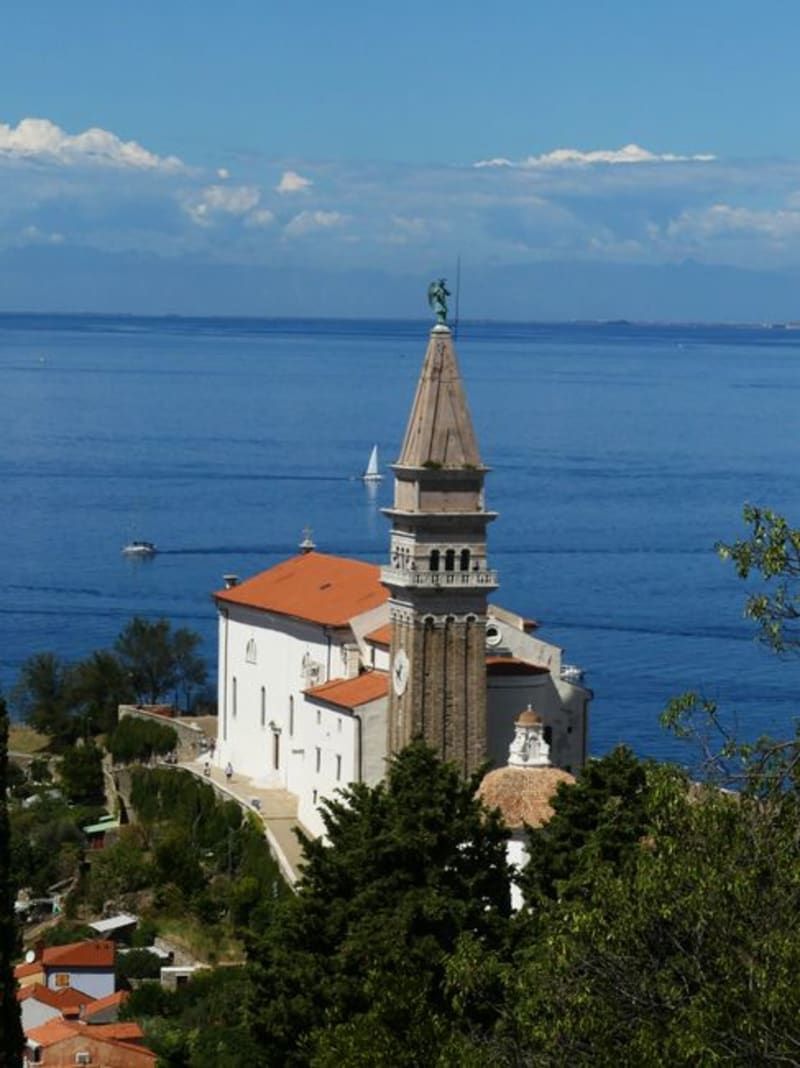 slovenia
 Izola
A scruffy, unglamorous fishing town between Koper and Piran that has resisted the postcard treatment — and is exactly what I wanted the Slovenian coast to feel like.
Explore slovenia
 Jeruzalem
A ridge of vineyards so improbably named that the wine itself seems to have been blessed — Slovenia's most photogenic wine hills, and one of its quietest.
Explore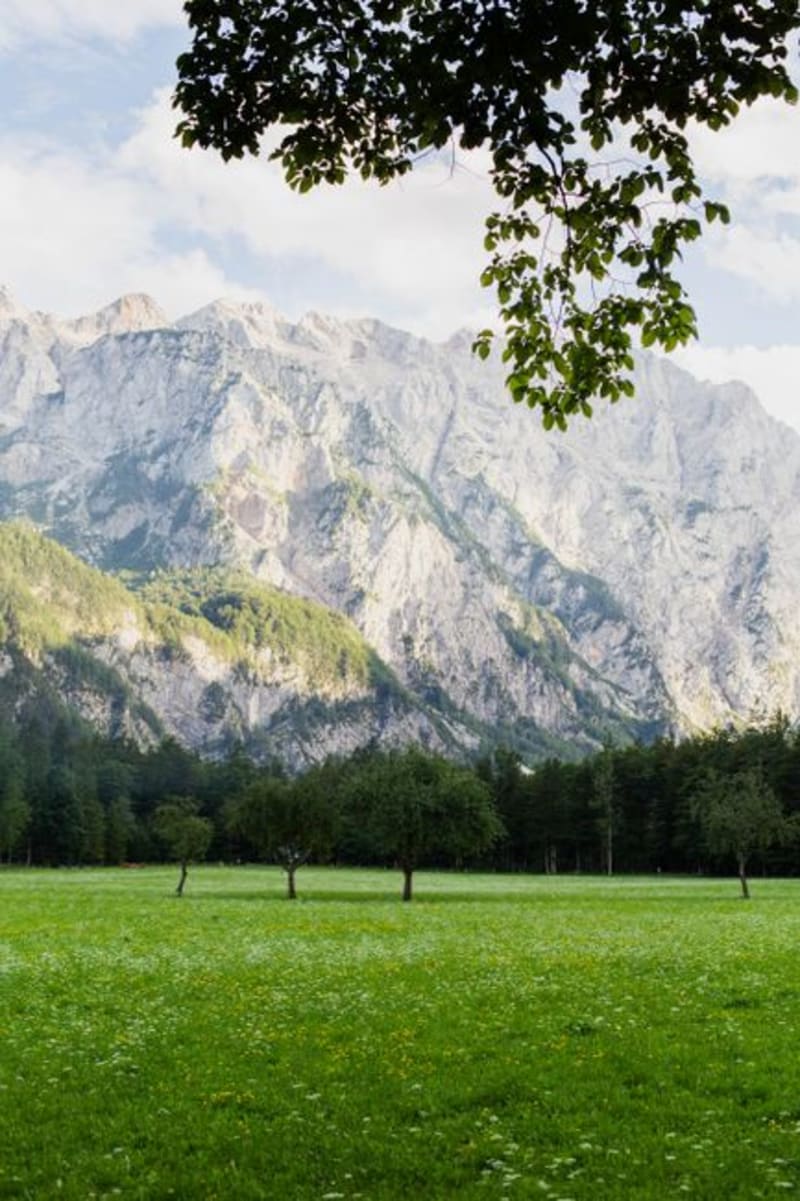 slovenia
 Jezersko
A dead-end alpine valley near the Austrian border where a handful of farming families still outnumber the tourists, and the silence is the whole point.
Explore slovenia
 Kamnik
A medieval market town at the foot of the Kamnik-Savinja Alps, with two castles, a river running straight through the old center, and none of the crowds that Bled and Ljubljana have learned to expect.
Explore