Grad and Goričko
"Nobody else was there. For twenty minutes it felt like I'd found a castle nobody remembered existed."
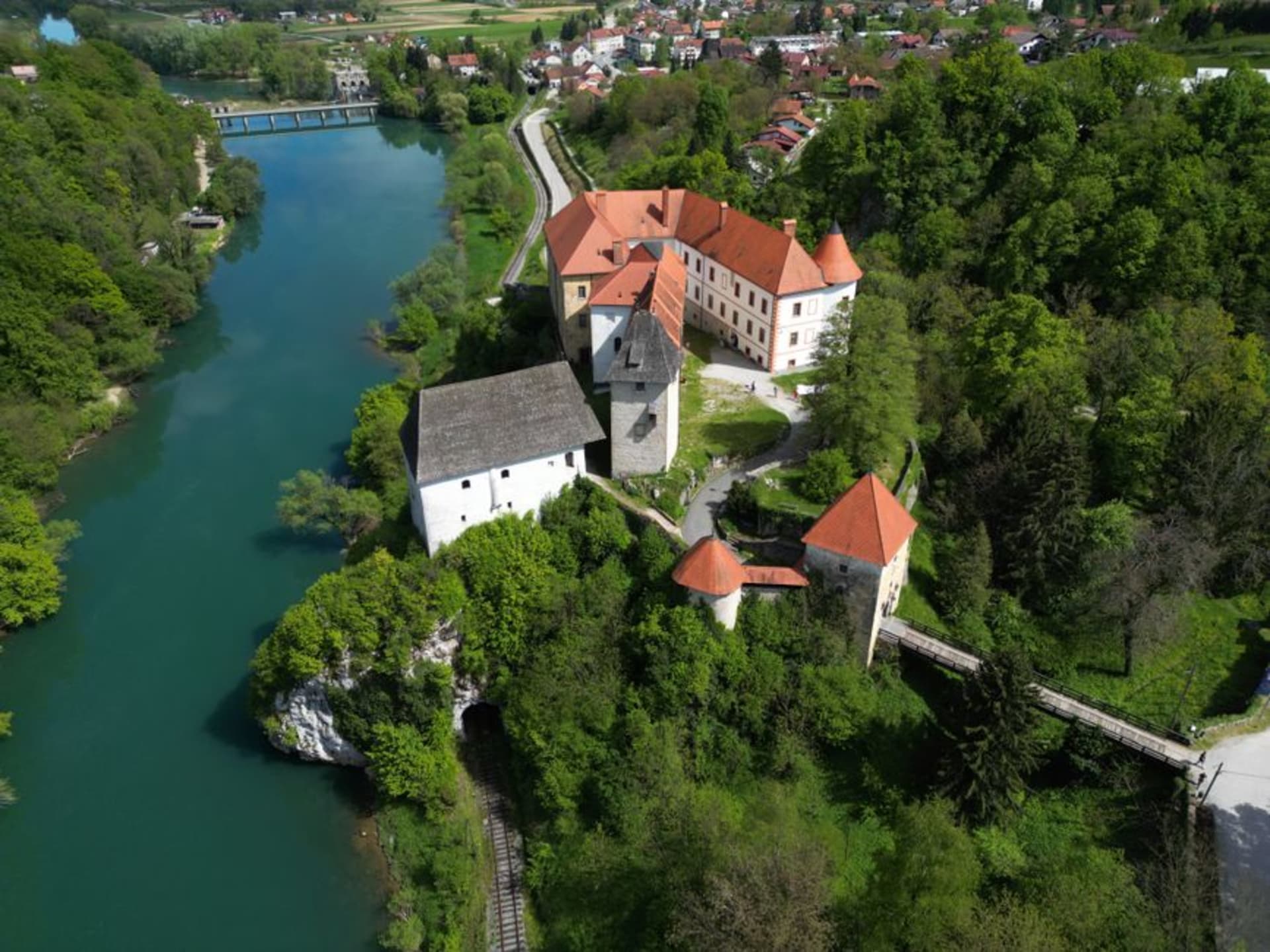
Slovenia's largest surviving Renaissance manor sits abandoned and half-wild at the edge of Goričko Nature Park, the remotest, least-visited corner of the country's rolling far-northeast.

Goričko is the part of Slovenia that barely registers on the country’s own tourism maps, let alone anyone else’s — a nature park of rolling hills, scattered farms, and thick oak forest running along the Hungarian and Austrian borders in the far northeast of Prekmurje. I drove out there on a whim after a week of hitting the country’s greatest hits, mostly because I’d read about a castle at Grad that supposedly nobody visits, and I wanted to see for myself whether that was true. It was true.
The Castle Nobody Visits
Grad Castle is, by floor area, the largest Renaissance-era manor house surviving in Slovenia, and it is in a state of gorgeous, faintly melancholic disrepair. Arcaded courtyards with peeling plaster, wings closed off for restoration that seems to move at geological pace, grass growing between courtyard stones. I paid a small entrance fee to a caretaker who seemed mildly surprised to have a visitor, walked through echoing rooms with almost no signage, and stood in the courtyard for a long while listening to absolutely nothing — no traffic, no other tourists, just wind moving through the empty wings. There’s a strange privilege in seeing a genuinely significant building in this state of quiet abandonment rather than the fully restored, gift-shopped version.
Into the Nature Park

Goričko Nature Park surrounds the castle and extends across the border into Hungary and Austria’s own protected areas, forming one of those cross-border conservation zones that function more coherently than the political map suggests they should. The landscape is soft and hilly rather than dramatic — orchards, small vineyards, forest patches, scattered farmhouses with the same long, low Prekmurje architecture I’d seen further south. I hiked a short marked trail from a village near the castle and saw no one else on it, which after the crowds at Bled and Postojna felt less like a downside and more like the entire point.
Storks and Slowness

This region shares Prekmurje’s stork population — nests on poles and chimneys through the summer months — and a general unhurriedness that seems built into the land itself rather than performed for visitors, because there are essentially no visitors to perform for. I stopped at a farmhouse selling honey and pumpkin seed oil from a table by the road, unstaffed except for a lockbox for payment, and bought both on trust. That level of quiet trust, more than any single sight, is what I think of when I remember Goričko.
When to go: Late spring through early autumn for hiking and the fullest stork population. The castle and park are open year-round but rural bus service is minimal, so a rental car is close to essential. This is a half-day or full-day add-on best combined with Moravske Toplice or Lendava rather than a standalone base.
Keep exploring
More from Slovenia
 slovenia
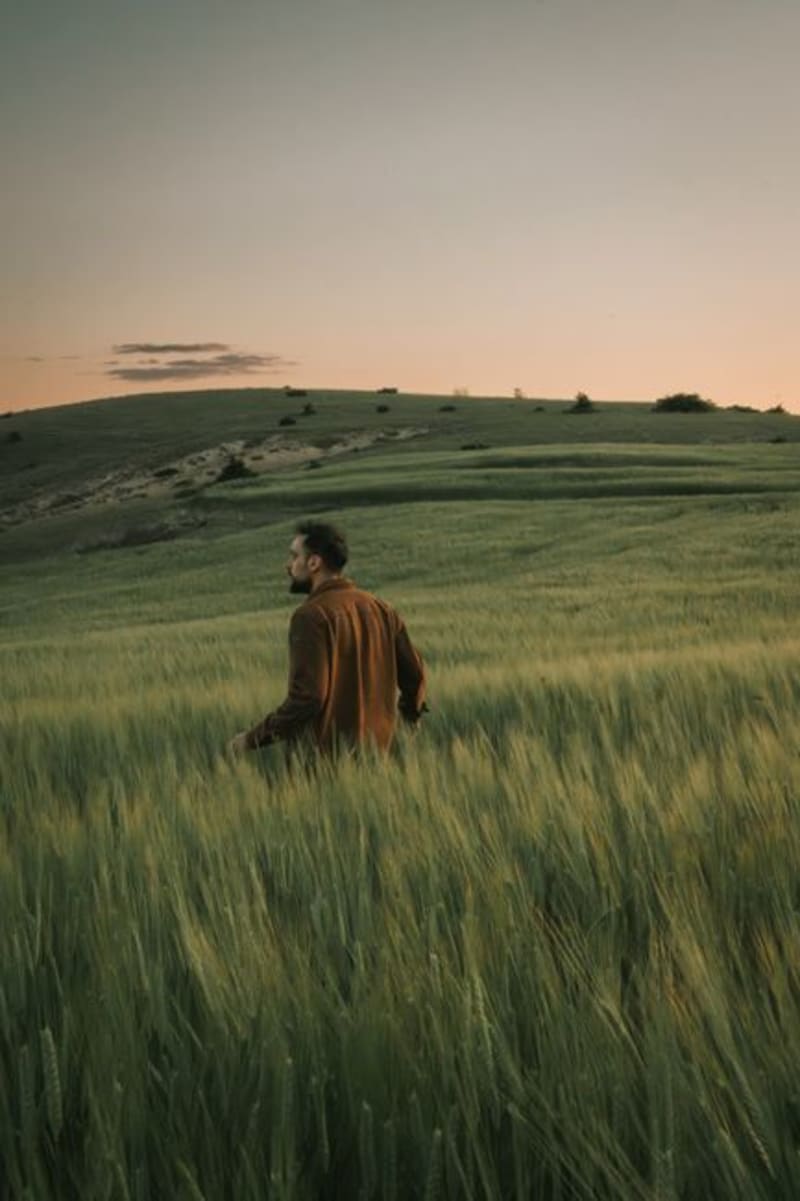
 Haloze Hills
The steepest wine country in Slovenia, a folded landscape along the Croatian border where vines cling to slopes that seem almost too sharp to farm.
Explore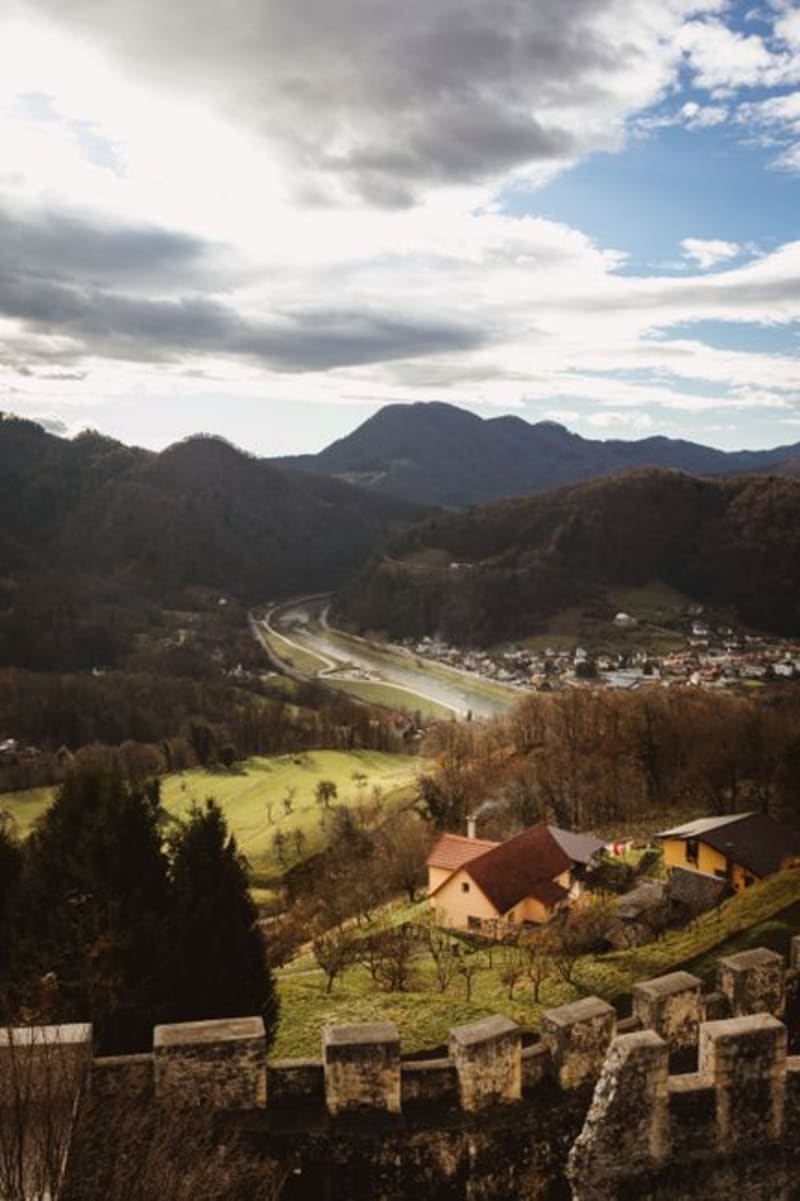 slovenia
 Hrastovlje
A fortified medieval church hiding one of Europe's most complete Dance of Death frescoes — skeletons leading a pope, a king, and a peasant to the same grave, painted on the walls of a chapel surrounded by defensive stone.
Explore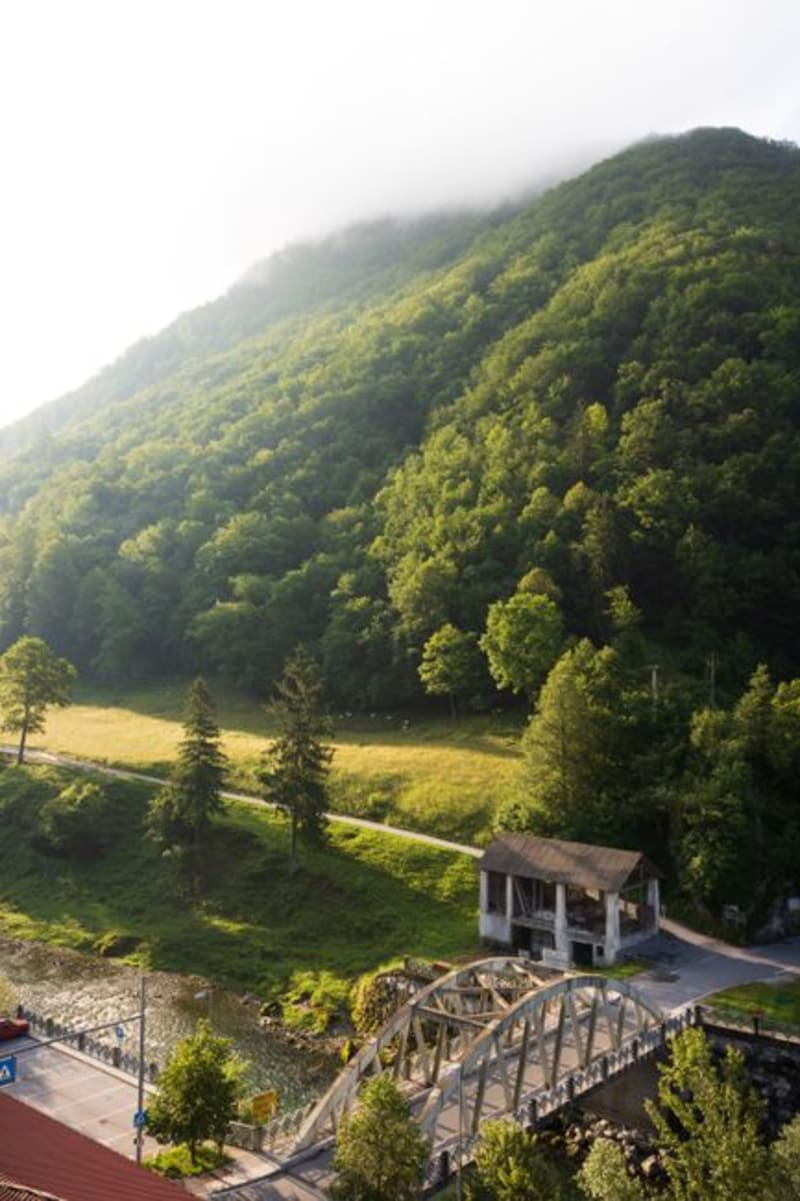 slovenia
 Idrija
A UNESCO mining town built on five centuries of mercury extraction, where a black hole in the earth funded a lace-making tradition of extraordinary delicacy.
Explore slovenia
 Izola
A scruffy, unglamorous fishing town between Koper and Piran that has resisted the postcard treatment — and is exactly what I wanted the Slovenian coast to feel like.
Explore slovenia
 Jeruzalem
A ridge of vineyards so improbably named that the wine itself seems to have been blessed — Slovenia's most photogenic wine hills, and one of its quietest.
Explore slovenia
 Jezersko
A dead-end alpine valley near the Austrian border where a handful of farming families still outnumber the tourists, and the silence is the whole point.
Explore