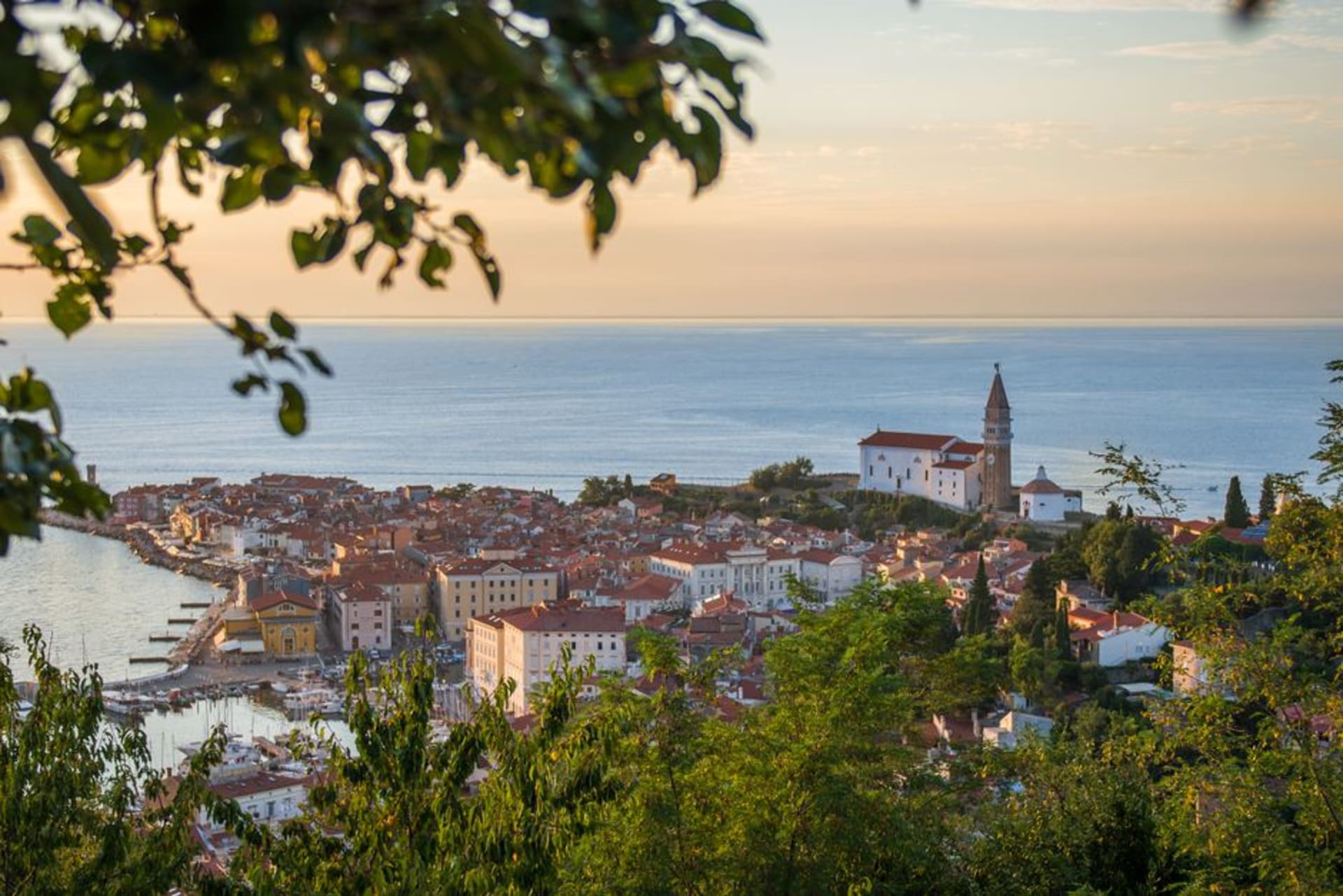
Brda
"Somewhere in these hills Slovenia becomes Italy and I never noticed the exact moment it happened."
Rolling wine hills on the Italian border, often called Slovenia's Tuscany, where cherry orchards and vineyards blur seamlessly across a frontier nobody bothers to notice.

Everyone who has heard of Brda describes it the same way — Slovenia’s Tuscany — and I arrived expecting to roll my eyes at the comparison and instead found myself nodding along within the first twenty minutes. The hills roll in identical soft waves, vineyards striping the slopes in tidy rows, cypress trees planted with obvious intent along driveways, stone farmhouses the color of old bone. The comparison is lazy shorthand, but it’s also just accurate, and I stopped resisting it somewhere around the second glass of wine.
Wine Hills Without a Border
Brda sits directly against Italy’s Collio wine region, and the two areas are, geologically and culturally, the same place split by a 20th-century line that the vines clearly never agreed to respect. We drove several backroads that crossed the frontier without so much as a sign, the vineyards on either side indistinguishable, the wine styles closely related — both regions favor the same local grape, Rebula (Ribolla Gialla on the Italian side), grown in the same marl-and-sandstone soil the locals call opoka. We tasted it at a small family cellar in Dobrovo, where the owner poured us four vintages side by side and let us watch how dramatically the wine changed with just two or three years of age.
Cherries Before the Grapes
Before it was known for wine, Brda was known for cherries, and the orchards still cover a huge share of the hillsides, blossoming in a pale pink wave each spring that draws its own small crowd of photographers. We were there in early summer, past blossom season but right in the middle of cherry harvest, and bought a bag from a roadside stand run by a woman who waved off payment for the extra handful she pressed on us “for the road.” Lia ate most of the bag before we’d gone another five kilometers.
The Castle Above It All
Dobrovo Castle, a squat Renaissance building at the region’s center, houses a small gallery and a wine cellar in its vaulted basement, but the real reason to climb up there is the view from its terrace — the entire patchwork of vineyards and orchards spread out below, the Julian Alps visible to the north on a clear day, and if you look carefully, the exact spot where the hills stop being Slovenian and start being Italian, though nothing on the ground marks it.
When to go: April for cherry blossoms, June and July for the cherry harvest itself, and September through October for grape harvest and new wine. Each season shows a genuinely different landscape.
Keep exploring
More from Slovenia
 slovenia
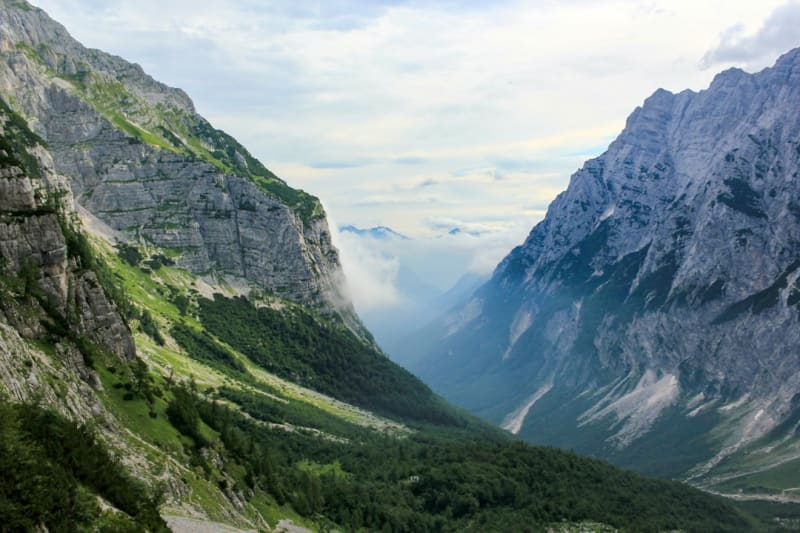
 Celje
Slovenia's third city, ruled once by a dynasty that nearly became European royalty, still guarded by the largest medieval castle ruin in the country.
Explore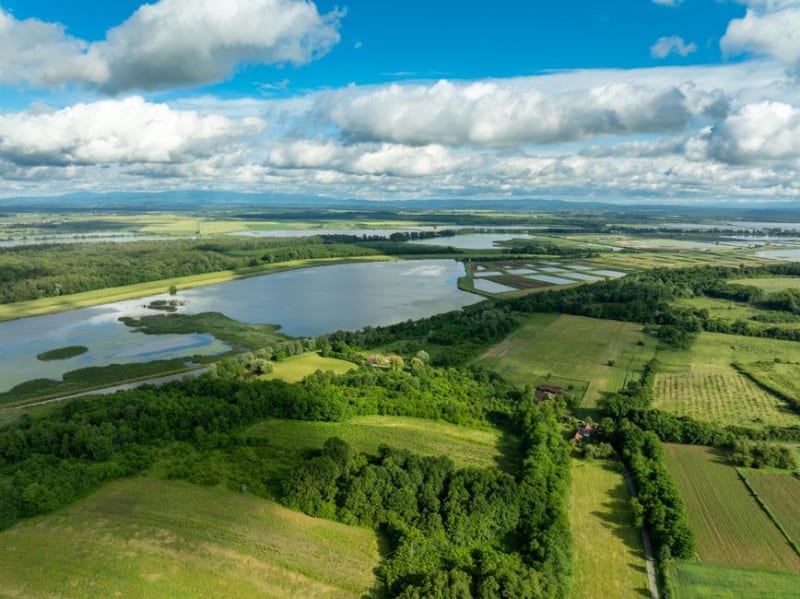 slovenia
 Lake Cerknica
An intermittent lake that vanishes underground each summer through a network of karst sinkholes and refills every autumn — one of Europe's strangest bodies of water, described by astronomer Johannes Kepler four centuries ago.
Explore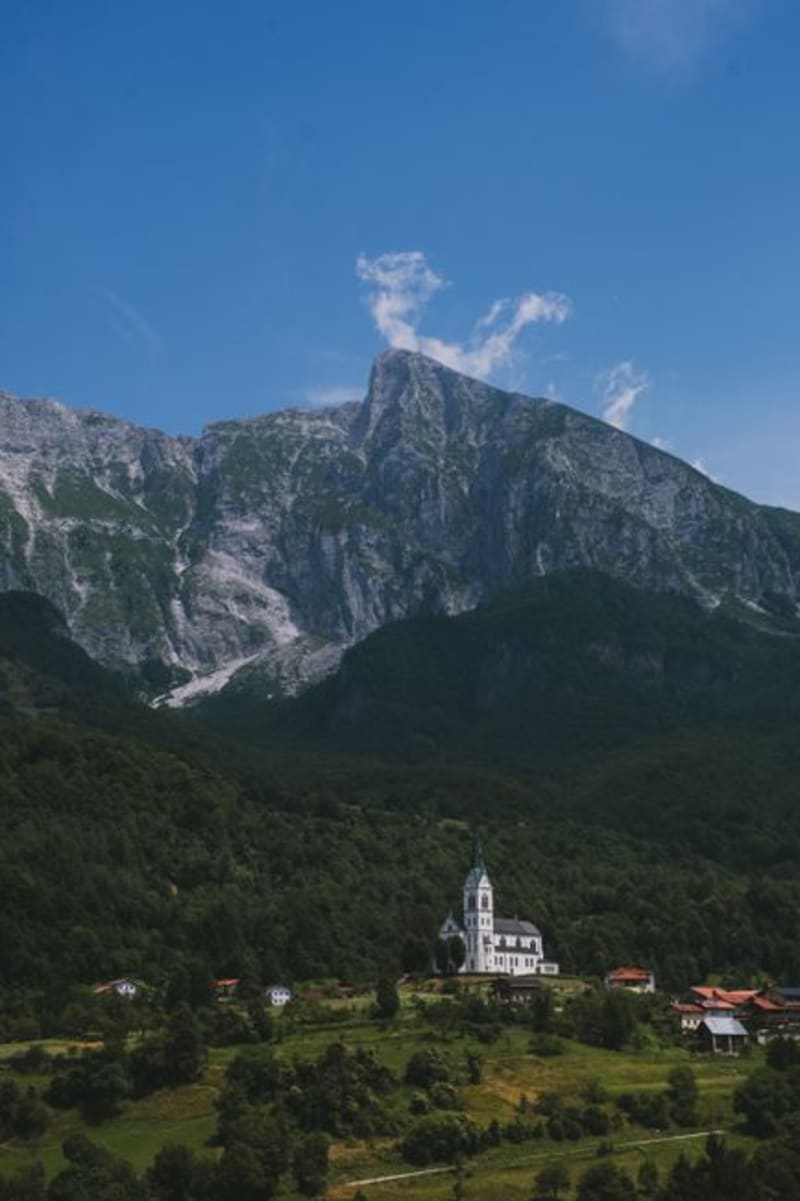 slovenia
 Debeli Rtič
A wooded headland at the very edge of Slovenia's coastline, where flysch cliffs, a pebble cove, and the last stretch before the Italian border stay almost entirely to yourself.
Explore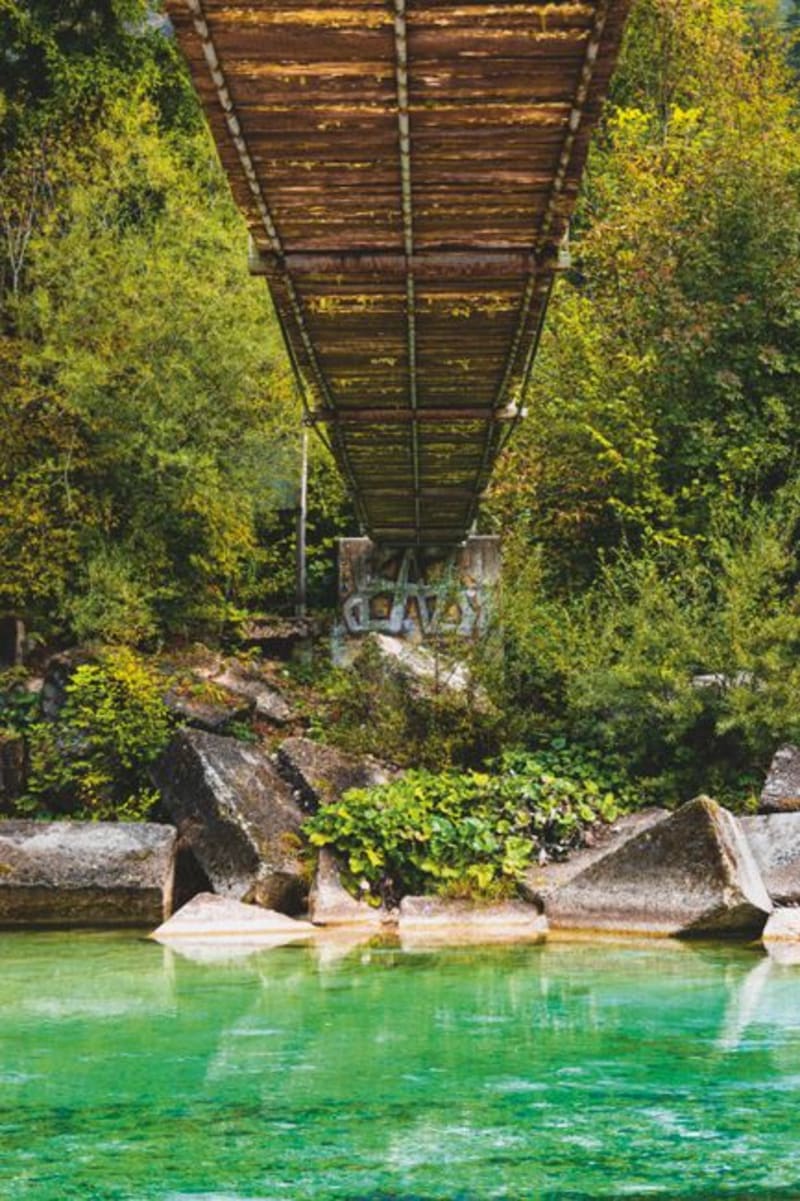 slovenia
 Dolenjske Toplice
Slovenia's oldest recorded thermal spa town sits in a wooded valley of Dolenjska, its warm springs documented since the 1400s and its pace of life adjusted accordingly.
Explore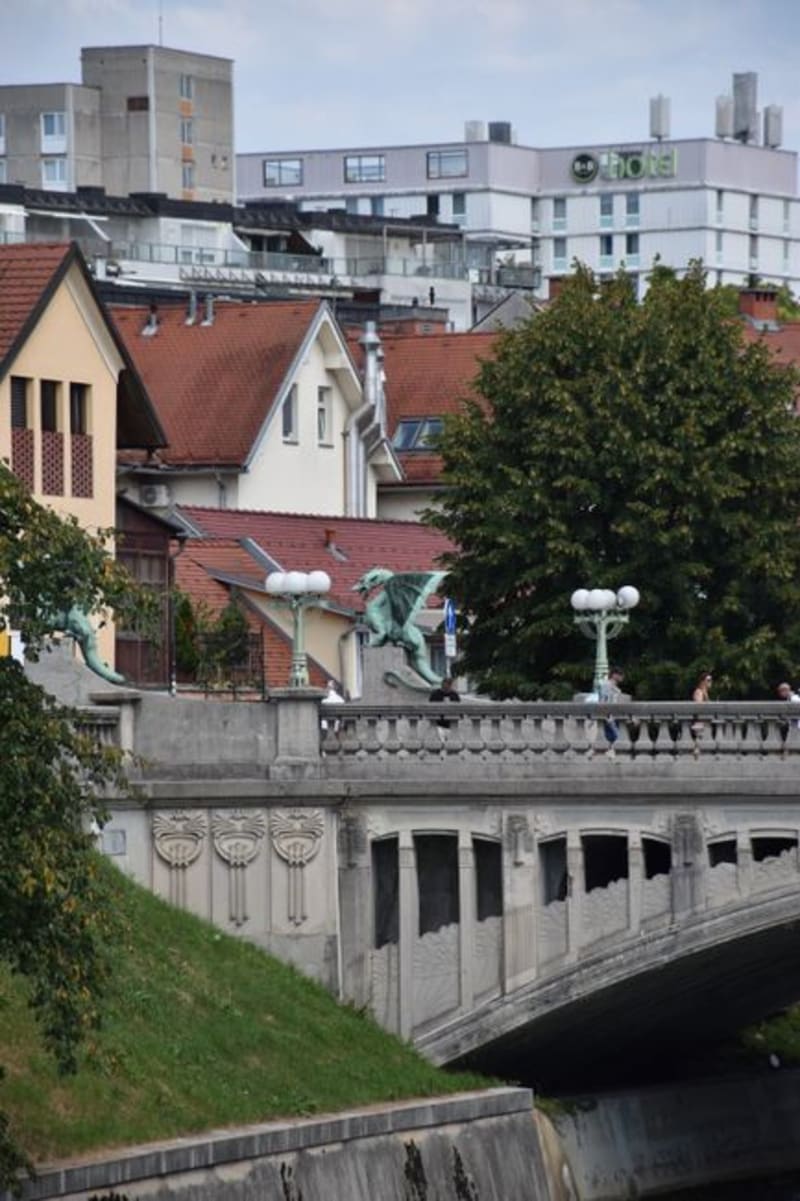 slovenia
 Dragon Bridge
Four bronze dragons guard Ljubljana's most theatrical bridge, a Secessionist masterpiece over the Ljubljanica with a legend attached to every scale.
Explore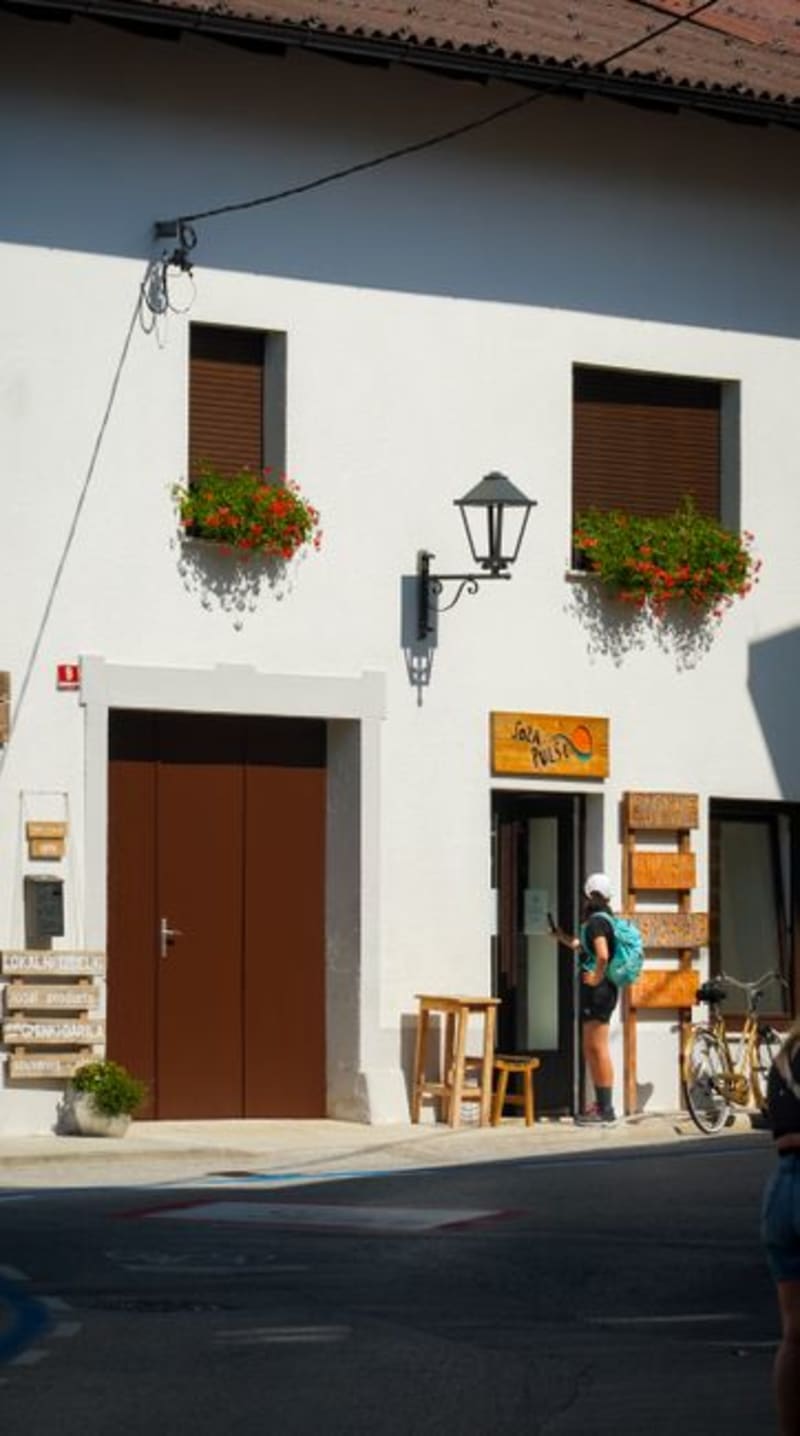 slovenia
 Fiesa
A tiny cove beach ten minutes from Piran's old town, backed by a freshwater lake and a chapel, that somehow still feels like a secret.
Explore