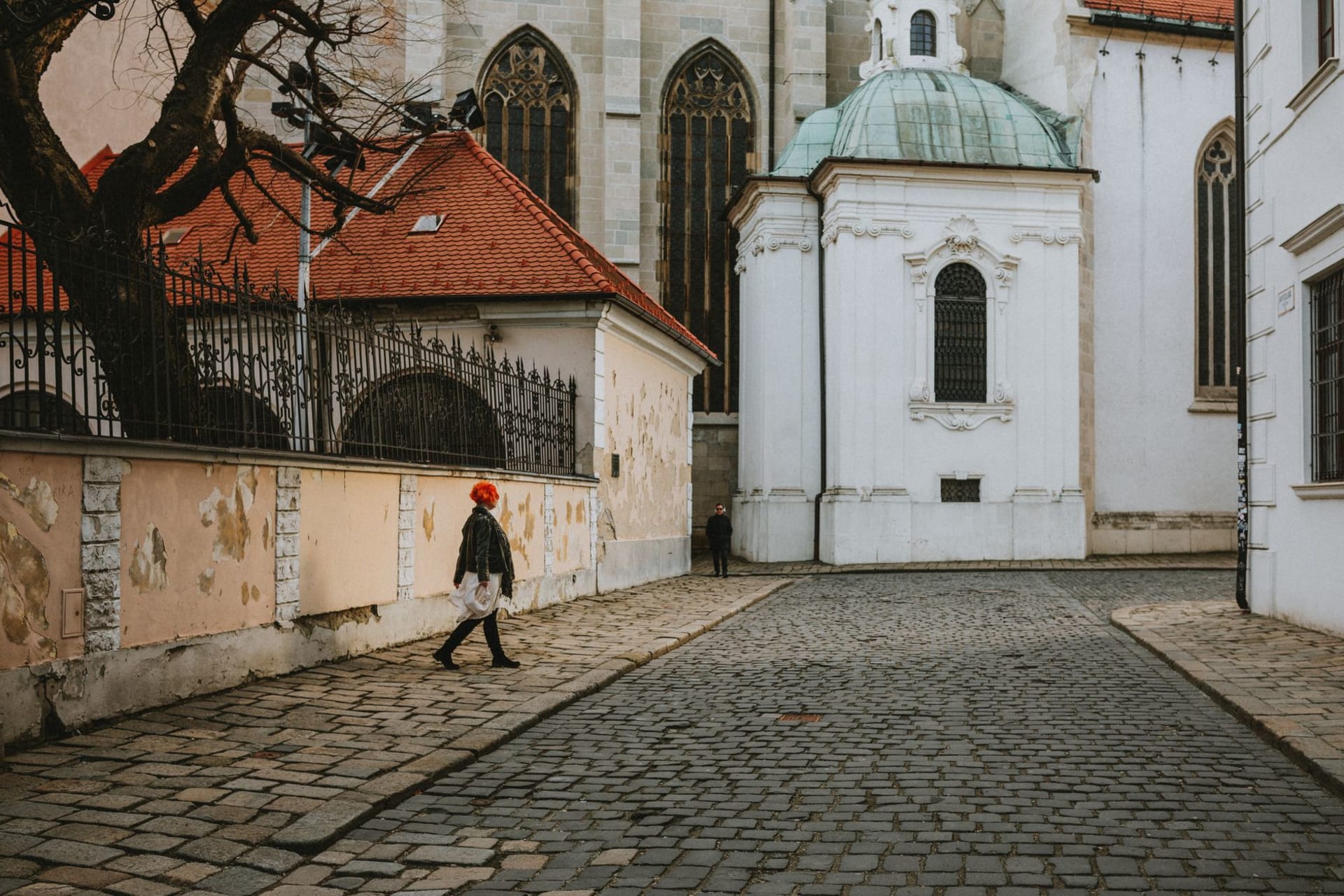
A compact baroque capital that rewards slow walkers — the Old Town fits inside an afternoon but reveals itself only to those who stay past dark.

The city nobody expects
Bratislava has a reputation problem it doesn’t deserve. Arrive by train from Vienna — a forty-five-minute ride — and the first thing you hear from fellow travelers is that they’re just doing it as a day trip. I thought the same thing once. Then I missed my return train, booked a room on impulse, and spent three days eating duck confit in a cellar restaurant, and I have never once regretted that missed connection.
The Old Town is genuinely small — you can walk its perimeter in under twenty minutes — but that density is the point. Cobblestones that tilt and shift underfoot, pastel facades in dusty yellow and terracotta, iron lampposts that haven’t changed shape since the Austro-Hungarian era. The main square, Hlavné námestie, fills with café tables by mid-morning, and there’s a specific quality to the light there in late afternoon: low, golden, bouncing off the cream-colored plaster like something you’d see in a Vermeer.
Up to the castle, then down to the Danube
The castle sits on its bluff with a no-nonsense practicality that I appreciate — four white towers, no ornamental excess. The walk up through the castle gardens takes fifteen minutes and the view justifies every step: the river curving away toward Hungary to the east, the red rooftops of the old quarter just below you, and on clear days the flat Pannonian plain stretching into Austria to the west. It’s the kind of view that makes you understand why someone built a fortress here specifically.
Down at the Danube embankment, locals run and cycle in the early evenings. The river is wide and slow and gray-green, and sitting on the railing watching barges pass felt like the most honest thing I did in this city. No monuments, no guided audio. Just the river doing its old work.
Eating and drinking below street level
A recurring architectural feature of Bratislava is the cellar. Medieval stone vaults converted into wine bars, beer halls, restaurants — the city goes underground with particular conviction. I ate at a place on Sedlárska Street where the ceiling was original thirteenth-century stonework and the wine list ran to three laminated pages of Slovak varieties. Frankovka modrá, poured cold in a carafe, with a plate of bryndzové halušky — potato dumplings in sheep’s cheese, topped with bacon fat — is as specific and satisfying a meal as you’ll find anywhere in Central Europe.
The craft beer scene has grown up quickly. There are small bars in the backstreets of the Old Town that wouldn’t look out of place in Prague or Warsaw, with chalkboards and local IPAs and bartenders who speak excellent English and are genuinely interested in what you think of their city.
Getting oriented
The Old Town is the logical base. Most of what matters is walkable from there — the castle, the market, the best restaurants, the Danube. Buses run frequently to Devin Castle upriver if you want a half-day excursion. The city is compact enough that you’ll memorize its street layout within a day, which is exactly when it starts showing you its corners.
When to go: May through September for outdoor café culture and easy castle walks. December brings a Christmas market in the main square that’s genuinely atmospheric rather than touristy-overcrowded. Avoid August weekends if you dislike bachelor party groups arriving from Vienna.
Keep exploring
More from Slovakia
 slovakia
 Cerveny Klastor
A small riverside village named for the red-roofed ruins of a Carthusian monastery, tucked at the mouth of the Dunajec Gorge.
Explore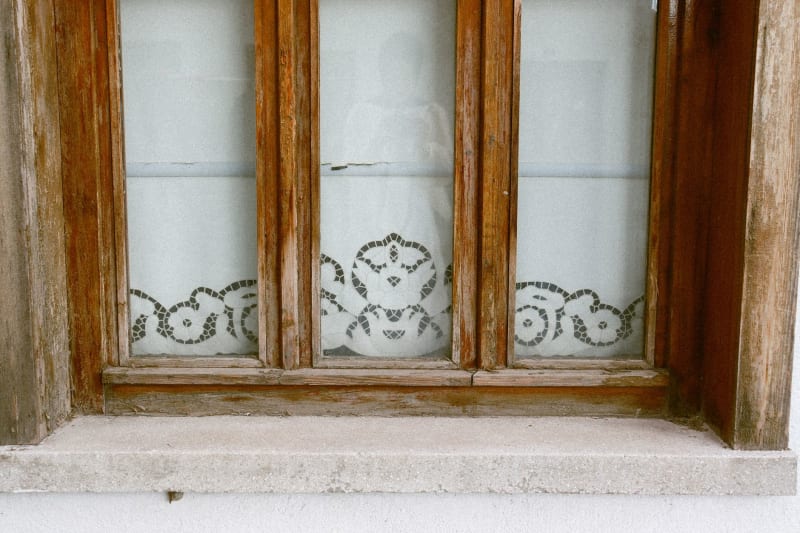 slovakia
 Čičmany
A village where every wooden house is painted with white geometric folk patterns, creating the most visually singular streetscape in Central Europe — and it's still entirely inhabited.
Explore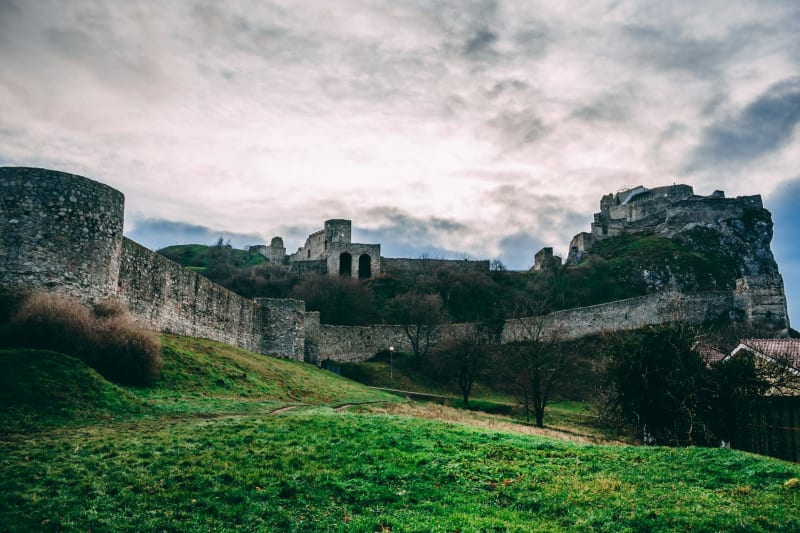 slovakia
 Devin Castle Bratislava
A ruined castle above the confluence of the Danube and Morava rivers where Slovak nationalists gathered before independence.
Explore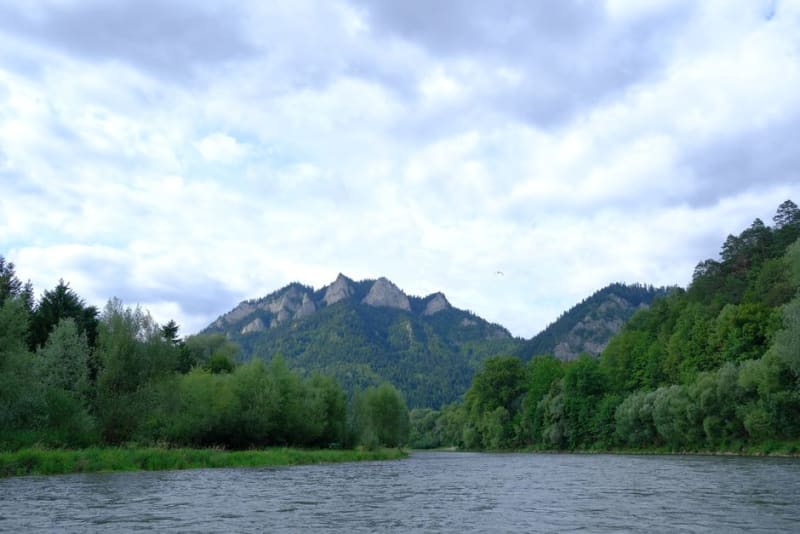 slovakia
 Dunajec Gorge
A dramatic limestone canyon straddling the Polish border, run for generations by flat wooden rafts poled downstream by local boatmen.
Explore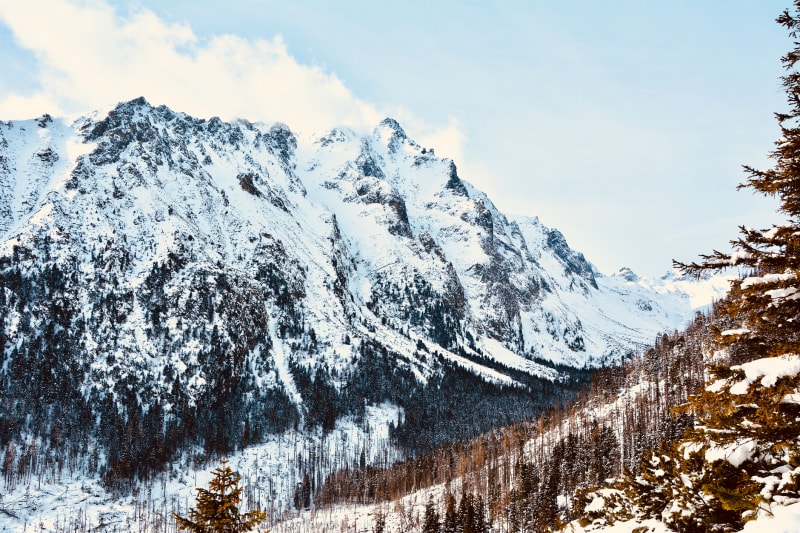 slovakia
 High Tatras
The smallest alpine range in the world punches far above its weight — granite peaks, glacial lakes, and hiking trails that feel genuinely serious.
Explore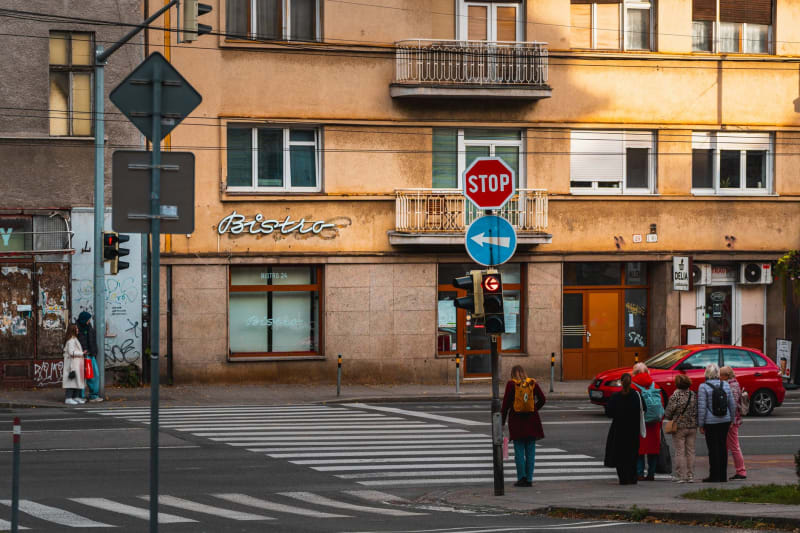 slovakia
 Košice
Slovakia's second city is Eastern Europe at its most underestimated — a Gothic cathedral, a main street built for strolling, and a food scene that has no interest in being compared to Bratislava.
Explore