
Pulau Ubin
"Singapore spends billions engineering nature into perfection. Pulau Ubin just left it alone, and somehow that felt more radical."
Ten Minutes and Forty Years
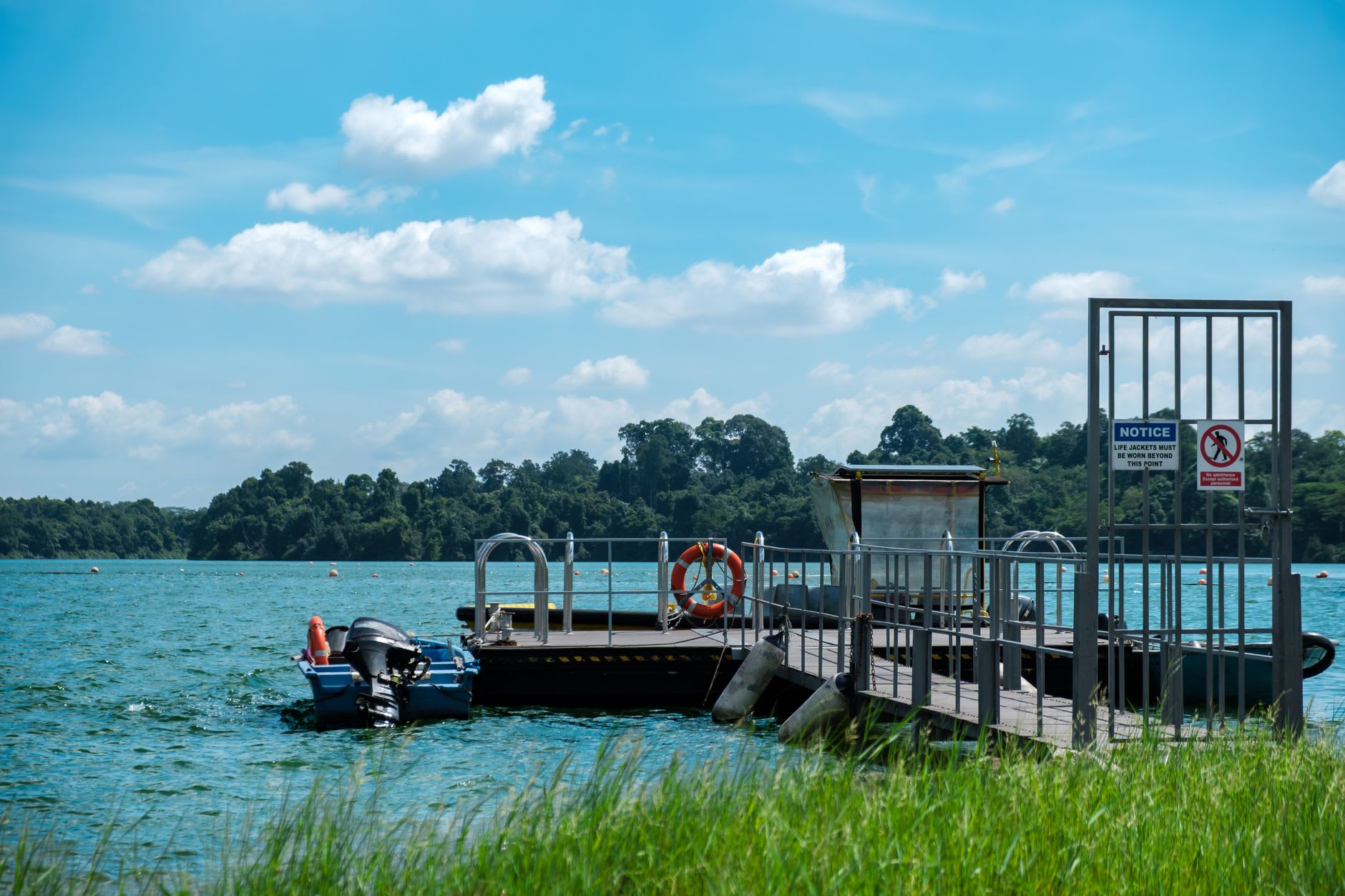
To reach Pulau Ubin you go to Changi Point, buy a ticket, and wait for a wooden bumboat to fill up. There is no schedule — the boat leaves when it has its twelve passengers, in the patient logic of a place that predates the rest of the country’s obsession with timetables. The crossing takes ten minutes and somewhere in the middle of it you cross a line in time. The glass towers of mainland Singapore slide behind you and an island of jungle, tin roofs, and overgrown granite quarries slides forward.
Lia had been skeptical. We live in Mexico, she pointed out, where unmanicured tropical islands are not exactly a rarity. But Pulau Ubin is unique precisely because of where it sits — a piece of 1960s Singapore that the twenty-first century forgot to bulldoze, a ten-minute boat ride from one of the most relentlessly modern cities on earth. The contrast is the whole point.
Bicycles and Boars
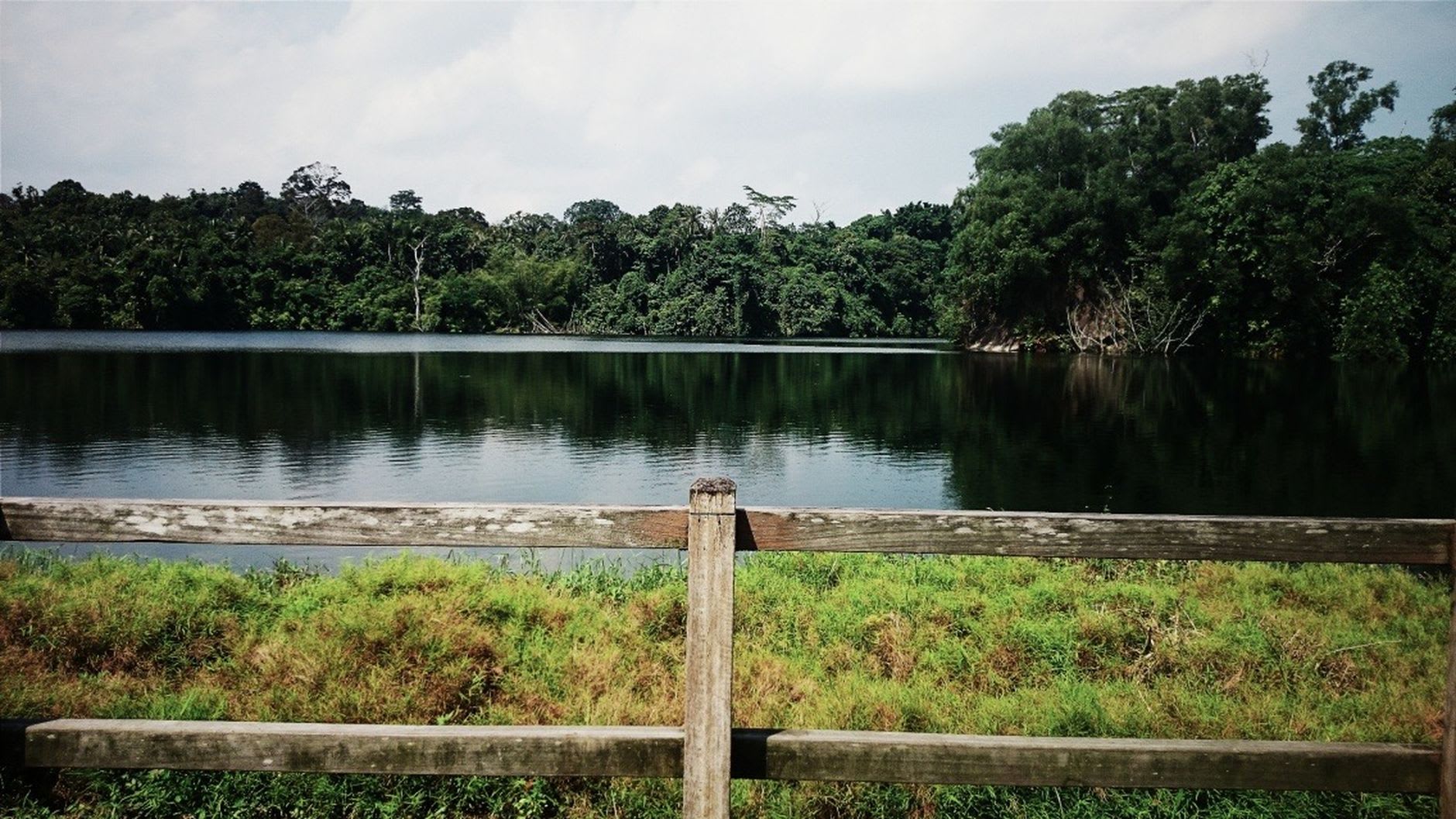
You rent a bicycle at the jetty village from one of the shops where the bikes range from “slightly rusty” to “an act of faith,” and you ride. There is no other dignified way to see Ubin. The roads are part tarmac, part dirt, winding through secondary forest past abandoned quarries now flooded into improbably blue lakes, past durian and rambutan trees, past wooden houses where dogs sleep in the road and chickens conduct their business with total confidence.
We surprised a family of wild boar crossing the track — a sow and four striped piglets — and I braked hard enough to nearly go over the handlebars. The sow looked at us with the flat contempt of an animal that has decided humans are not worth the energy of fear, and herded her young into the undergrowth. The island has monitor lizards the length of my leg and mosquitoes that are an absolute certainty. Bring repellent. I did not, the first time, and paid for it for a week.
Chek Jawa, Where the Land Meets the Sea Six Ways
The eastern tip of the island holds Chek Jawa Wetlands, one of the richest intertidal areas in Singapore, where six ecosystems — sandbar, seagrass lagoon, coral rubble, mangrove, and more — sit side by side. There is a boardwalk that loops out over the mangroves and a coastal stretch over the water, and a viewing tower that gives you the canopy from above. We timed it for low tide, which is the only way to do it properly, and walked the boardwalk while crabs the colour of warning signs scuttled across the exposed flats below.
A volunteer guide, retired and visibly delighted to have an audience, pointed out a carpet anemone and a sand-dwelling worm with the enthusiasm of a man showing off his grandchildren. This is the thing about Ubin: it is loved by people who go out of their way to love it, and that affection is contagious.
The Last Kampong
Back at the village before the boat, we ate a plate of fried noodles at one of the handful of stalls and drank coconut water straight from the husk. The kampong here is the last true village settlement in Singapore, a survivor of a way of life the mainland has otherwise erased entirely. It is not preserved as a museum. People still live here, fix their boats, and run their shops, and the place has the slightly melancholy feel of something everybody knows is on borrowed time.
When to go: Early morning on a weekday, year-round, to beat both the heat and the weekend crowds. Check tide tables before you go if Chek Jawa is your priority — low tide is essential. Bring cash, water, sun protection, and serious mosquito repellent. The last boats back leave in the early evening, so do not lose track of time, however tempting the island makes it.