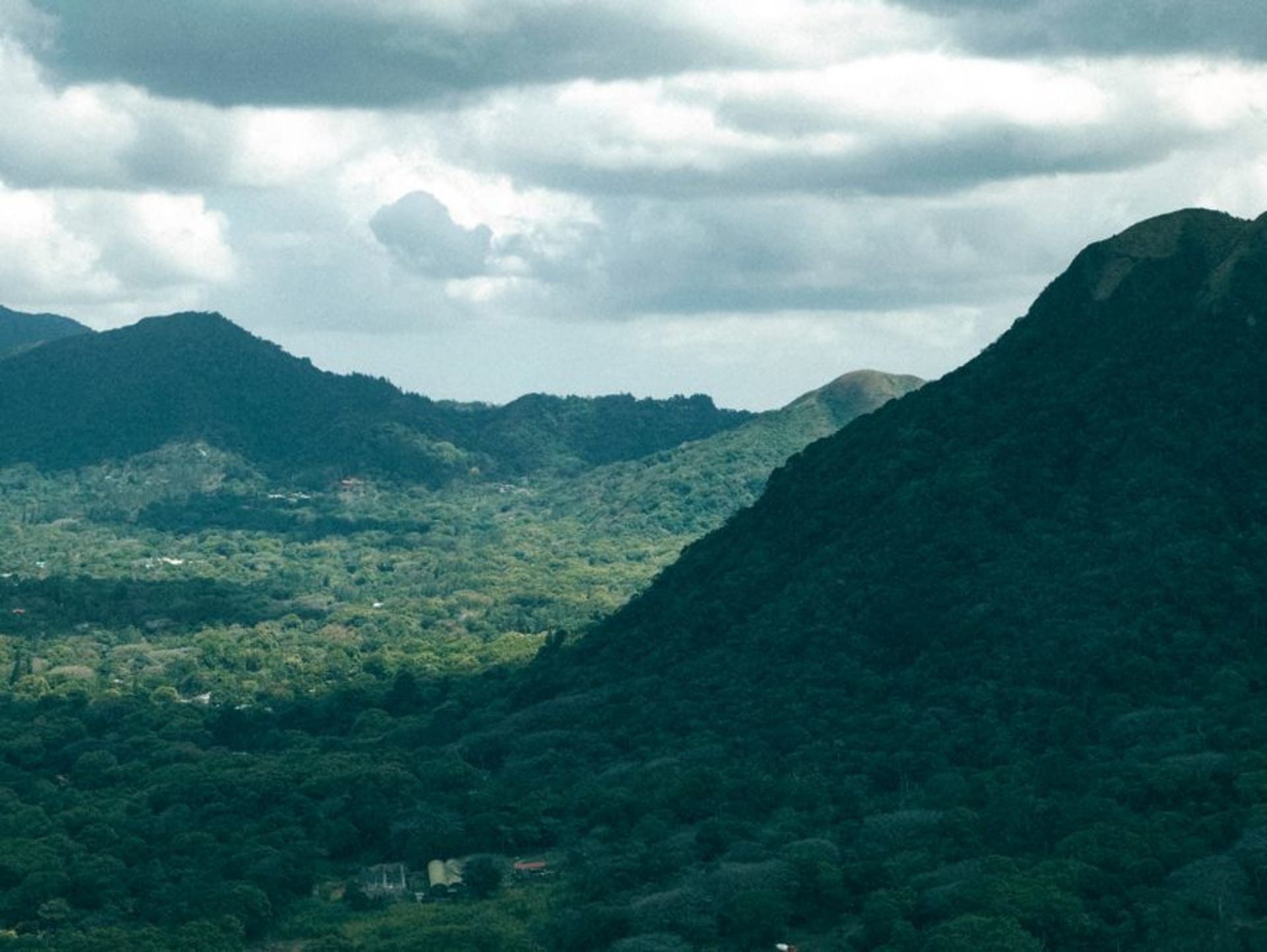
Loma Mountains National Park
"Some places don't want to be reached easily, and that's exactly why you go."
A remote highland reserve in northeastern Sierra Leone where forest gives way to savanna beneath West Africa's second-highest peak.
I’d heard about Mount Bintumani for almost a year before Lia and I actually made it to Sinekoro, the village where the trek begins. Every time I mentioned it to someone in Freetown, I got the same reaction: a raised eyebrow, then some version of “you know that’s not a day trip, right?” They were right. Getting to Loma Mountains National Park at all takes planning, and once you’re there, the park doesn’t hand you anything. It makes you earn it, one river crossing and one ridge at a time.
What struck me first wasn’t the mountain itself but the transition zone we walked through to get near it. One afternoon we were under proper Guinean forest canopy, dense and dripping, and by the next we’d crossed into open savanna grass that came up past my knees. Our guide pointed out duiker tracks pressed into the mud along one of the streams feeding the watershed below, and I remember standing there thinking about how much of Sierra Leone’s water starts right here, in a reserve most people outside the region have never heard of.
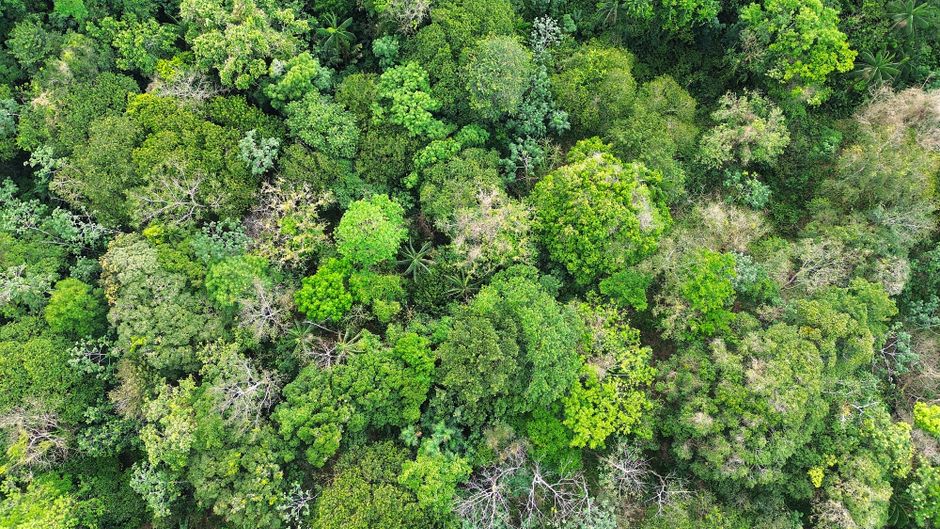
We didn’t summit Bintumani itself — Lia had twisted her ankle on the second day, nothing serious, but enough that we turned back before the final push to 1,945 meters. Still, just being in its shadow was enough to understand why the Kuranko and Limba communities have always treated the mountain as something more than geography. Our guide, a Kuranko man named Alusine, talked about it the way you’d talk about a relative, not a landmark. He mentioned, almost in passing, that Europeans only reached the summit in 1927, as if that fact was interesting but beside the point next to everything the mountain had meant to his family long before that.
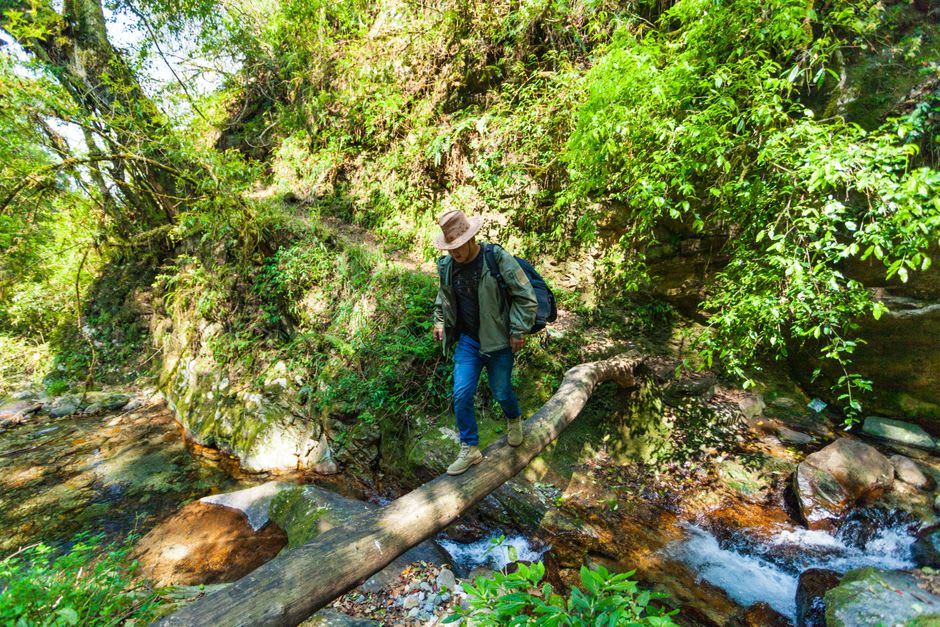
By the time we got back down to Sinekoro, muddy and a little humbled, I’d stopped thinking of the 2012 upgrade to national park status as a bureaucratic footnote. Out here, forest elephants and chimpanzees still move through country that’s barely mapped, and the protection status is the only thing standing between that and a very different future. It’s not a park you visit for comfort. It’s one you visit because so few people do.
When to go: Stick to the dry season, December to March — the river crossings that gave us trouble even then get genuinely risky once the rains start, and you’ll want the clear skies for any hope of a summit view.