
Gola Rainforest National Park
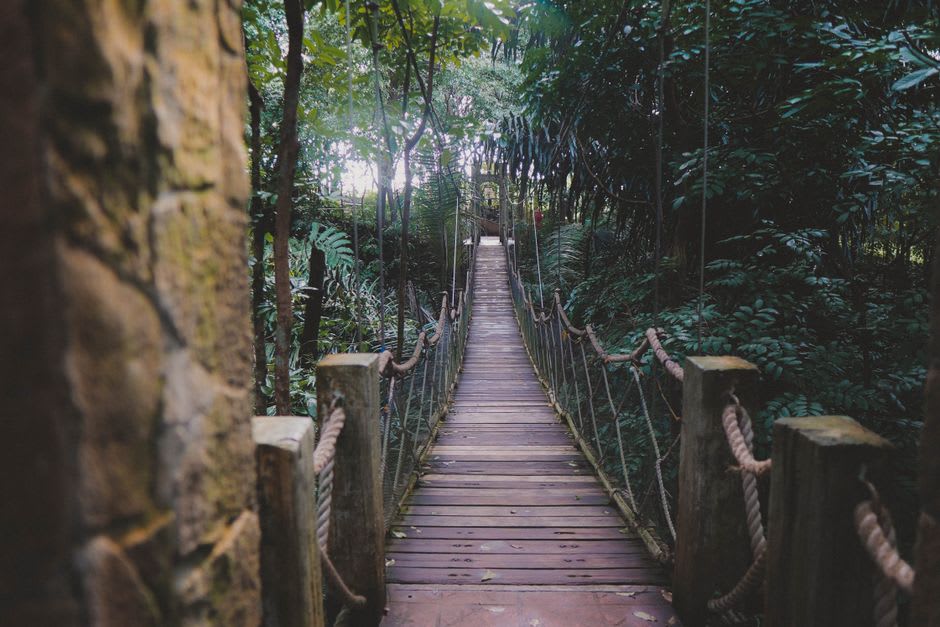
"I stood on a swaying rope bridge forty meters up and finally understood why they fought so long to save this place."
A dripping, chimp-calling wall of Upper Guinean rainforest on the Liberian border, walked one plank at a time from a canopy bridge.
I’ll admit I had no idea Sierra Leone still held onto a chunk of rainforest this size until a guesthouse owner in Freetown mentioned it almost in passing. Gola, she said, like it was obvious. It took us most of a day on rough roads to reach Lalehun, the village that runs the guide program at the edge of the park, and by the time we arrived my back ached and my shirt was soaked through with humidity. But the moment our guide, a soft-spoken man named Foday who’d grown up on the forest’s edge, pointed out a troop of colobus monkeys crashing through the upper branches, the drive stopped mattering.
Gola protects around 71,000 hectares of Upper Guinean forest, one of the last big unbroken blocks of it left in West Africa, and it shows the second you step under the canopy — the light drops to a green dusk even at midday. Foday walked us out to the canopy walkway, a series of suspended platforms and rope bridges that climb into the upper story of the forest. Lia went first and I heard her laugh nervously the whole way across. From up there you can actually see how the forest breathes: birds moving between crowns, a haze of insects catching the light, and somewhere below us, invisible, the rustle of something larger.
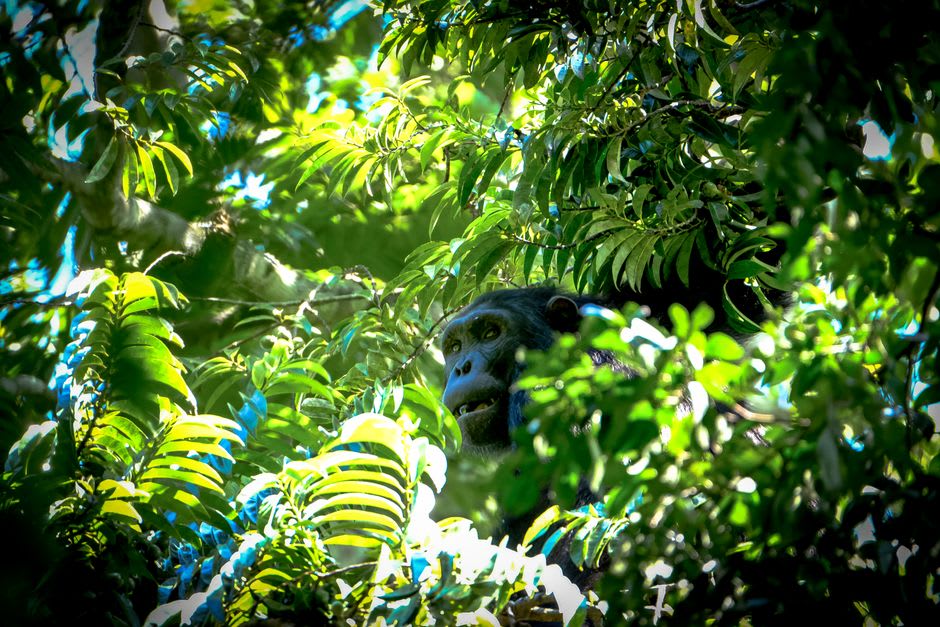
We didn’t see forest elephants or pygmy hippos — Foday was honest that both are shy and increasingly rare even here, and that most visitors go home without a sighting. But we heard chimpanzees twice, that rising, chattering call moving through the trees like it was being passed hand to hand, and Foday’s binoculars found us an endangered white-breasted guineafowl picking through the leaf litter, which he seemed genuinely thrilled about. He told us Gola’s story as we walked: forest reserves carved out under British colonial administration in the 1920s and 30s, then decades of slow, patient advocacy by the Sierra Leone government alongside RSPB and the Conservation Society of Sierra Leone, until the national park was finally declared in 2011. It’s rare to stand somewhere and feel the weight of that much sustained effort.
That night in Lalehun we ate rice and groundnut stew by lantern light with Foday’s family, and I remember lying awake listening to a wall of insect noise so dense it felt physical. Gola isn’t an easy add-on to a Sierra Leone trip — there’s no shortcut to it, and you need a few unhurried days — but it’s the kind of place that recalibrates what you think “rainforest” means.
When to go: Aim for the dry season, November to April — the trails into the forest interior turn to thick mud outside those months, and Foday told us some sections become impassable entirely once the rains set in.