Europe
Sicily
"Sicily does not belong to Italy. It belongs to itself, grudgingly."
I arrived in Palermo by overnight ferry from Naples, deck-sleeping under a sky so clear it felt performative, and by the time we docked at dawn the smell of the city had already reached the water — frying dough, diesel, jasmine. It was six in the morning and the Ballarò market was already loud. A man was selling snails. Another had a brazier of boiled octopus. A woman in slippers was arguing with her fishmonger with the sort of focused intensity I usually associate with contract negotiations. I had not eaten breakfast yet. I bought a panelle sandwich and stood in the street and understood immediately that this was not going to be a relaxing trip.
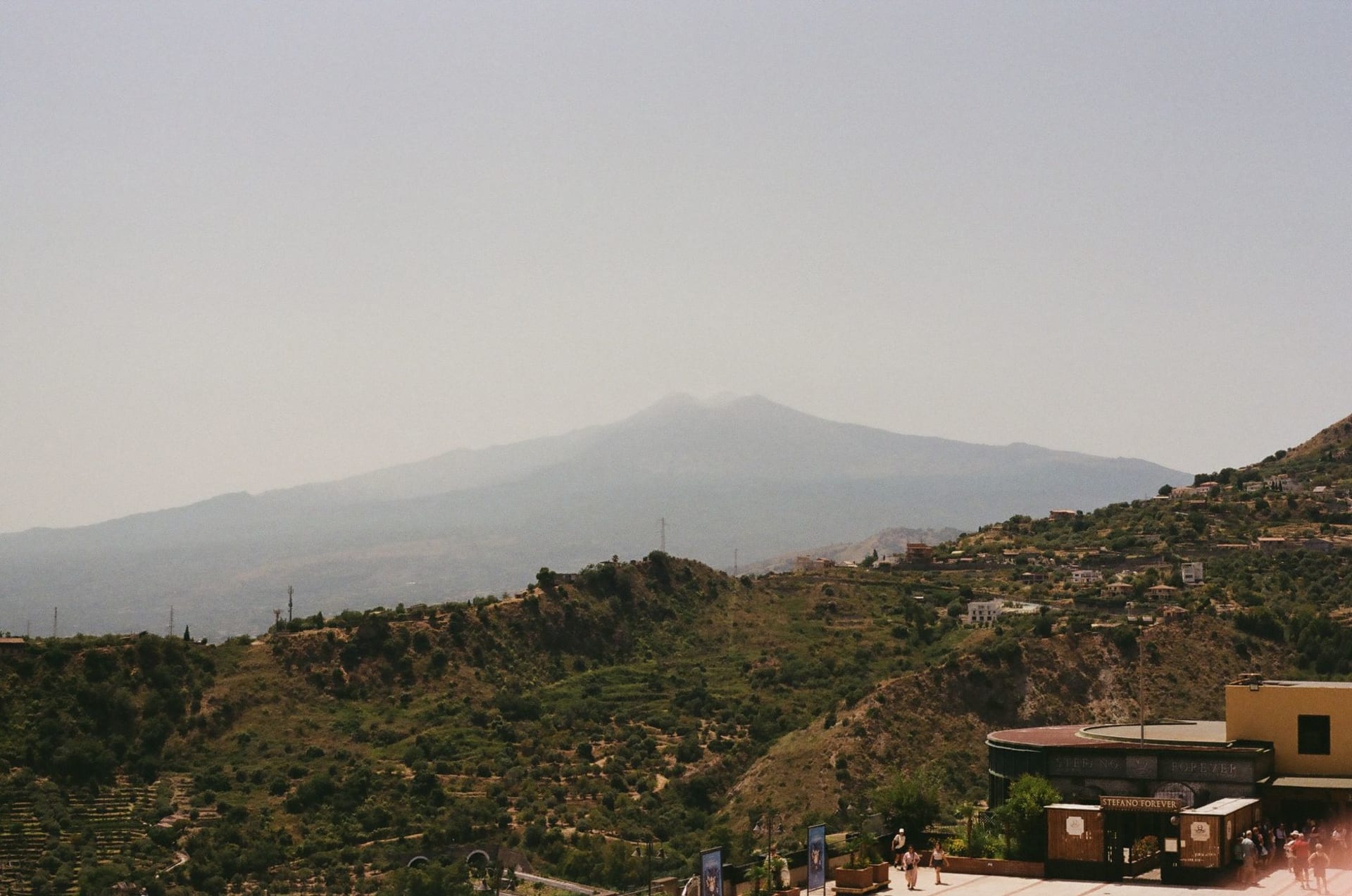
Sicily keeps you alert. The history alone is vertiginous — Phoenicians, Greeks, Romans, Arabs, Normans, Spanish — each layer still visible in the architecture if you know what to look for. The Cappella Palatina in Palermo is a Byzantine chapel built by Norman kings decorated by Arab craftsmen, and it is more beautiful than things that took three times as long to build. Outside Agrigento, the Valley of the Temples sits on a ridge above the sea with a matter-of-fact grandeur that Athenian ruins would envy. Taormina has a Greek theatre with Etna in the background, which is one of those views that makes the phrase “breathtaking view” feel inadequate. I usually distrust places that are that obviously beautiful. Taormina earned it.
The food operates at a register of seriousness that Italy’s mainland cannot quite match. Arancini in Catania are not the sad airport versions — they are objects of genuine craftsmanship, the saffron rice dense and properly seasoned, the ragù inside cooked low for hours. The cannoli are filled to order and only to order, because a pre-filled cannolo is a crime here and the people who make them will tell you so directly. Caponata varies by family recipe and every family believes theirs is definitive. The swordfish in Messina, grilled simply with capers and mint, arrived at my table tasting like the sea had agreed to become lunch.
When to go: April to June or late September through October. Sicilian August is genuinely brutal — 38°C in Palermo with nowhere to hide and crowds at every monument. May is ideal: warm enough for the coast, cool enough for inland driving through almond groves and sulfur-yellow hills. October brings vendemmia energy, near-empty temples, and a quality of light that makes every photograph look like you knew what you were doing.
What most guides get wrong: They treat Sicily as an extension of Italian tourism rather than its own thing. The package-tour version — Taormina, Etna cable car, Palermo Cathedral, fly home — skips everything that makes the island genuinely strange. The interior is where Sicily gets interesting: the Madonie mountains, the baroque towns of Val di Noto after the tour buses leave, the fishing village of Marzamemi at dusk where the old tonnara stands half-collapsed and beautiful. And the street food in Palermo’s markets is better than most restaurant meals on the island. Start there.