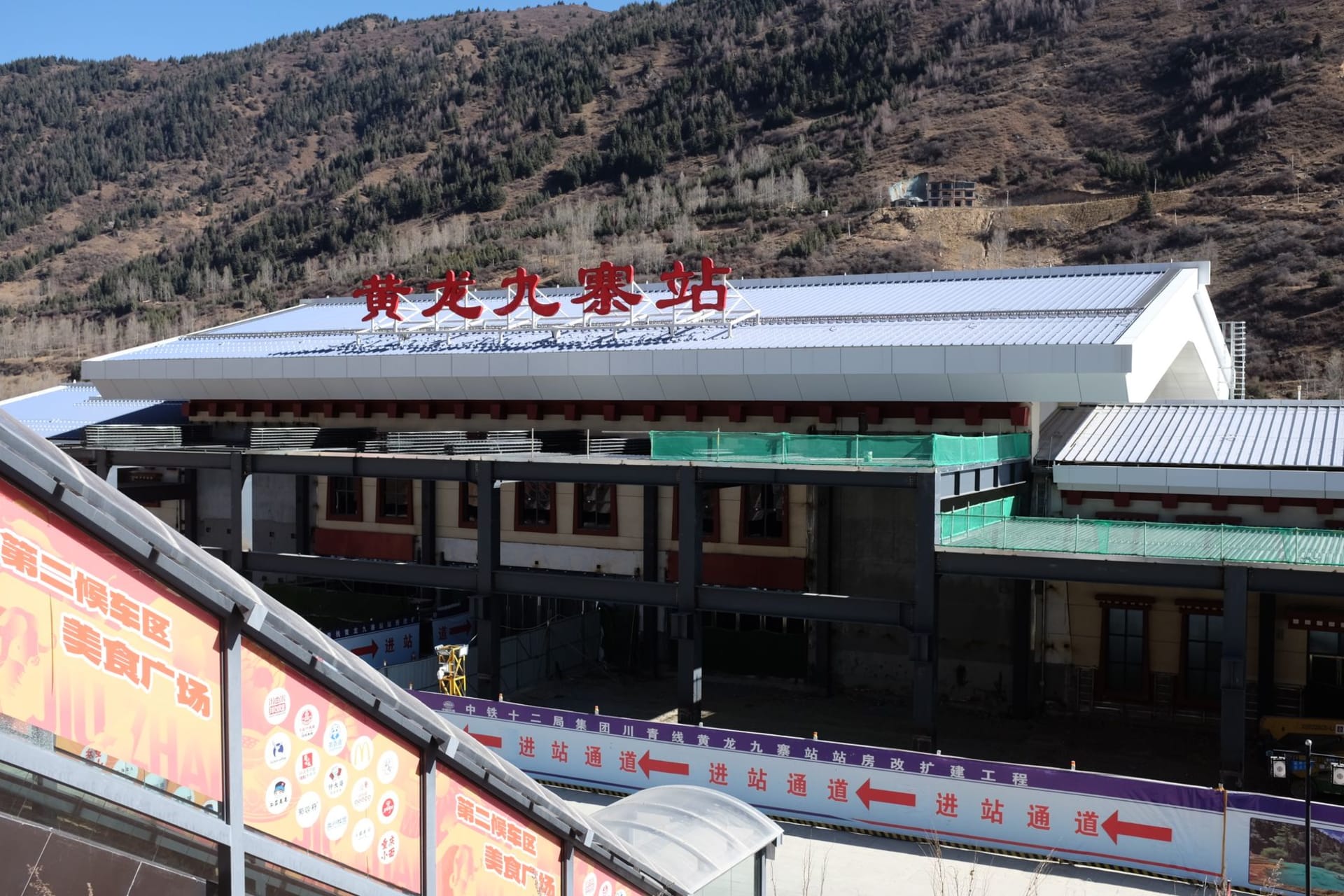
Songpan
"The horseman looked at my city shoes, then at the mountains, then back at my shoes, and said nothing. He was right to say nothing."
A Gate, a River, a Road
Most people pass through Songpan without stopping. It sits on the highway between Chengdu and the famous valleys of Jiuzhaigou and Huanglong, and the tour buses treat it as a lunch break with a wall around it. That is their loss. I came up from Chengdu on a bus that climbed for most of a day, my ears popping somewhere past Maoxian, and arrived in a town that turned out to be far more interesting than the brochure for it.
Songpan is old in the way that frontier towns are old: it was a military garrison, a customs post, a place where the Han Chinese world met the Tibetan and Qiang worlds and traded with them whether it wanted to or not. The Tea Horse Road ran straight through here, hauling Sichuan tea north and west in exchange for the sturdy horses of the plateau. The city gates and a long stretch of Ming-dynasty wall still stand, restored but not embalmed, and the Gusong covered bridge crosses the Min River exactly where it has always crossed it.
Three Worlds in One Street
What I liked most about Songpan was the genuine collision of cultures along its main street. There is a mosque with a green dome serving the Hui Muslim community, the smell of cumin and grilled lamb drifting out of the Hui restaurants. A few doors down, Tibetan traders sell felt, prayer flags, and chunks of yak butter the size of bricks. The Qiang have their own embroidery, sold by women who do not lower the price simply because you have failed to understand the first price.
Lia spent an entire afternoon in a single shop negotiating for a piece of Qiang embroidery, and I spent that afternoon eating my way down the lamb-skewer end of the street. We both came out satisfied, which is the rare ideal outcome of any negotiation.
Onto the Horse
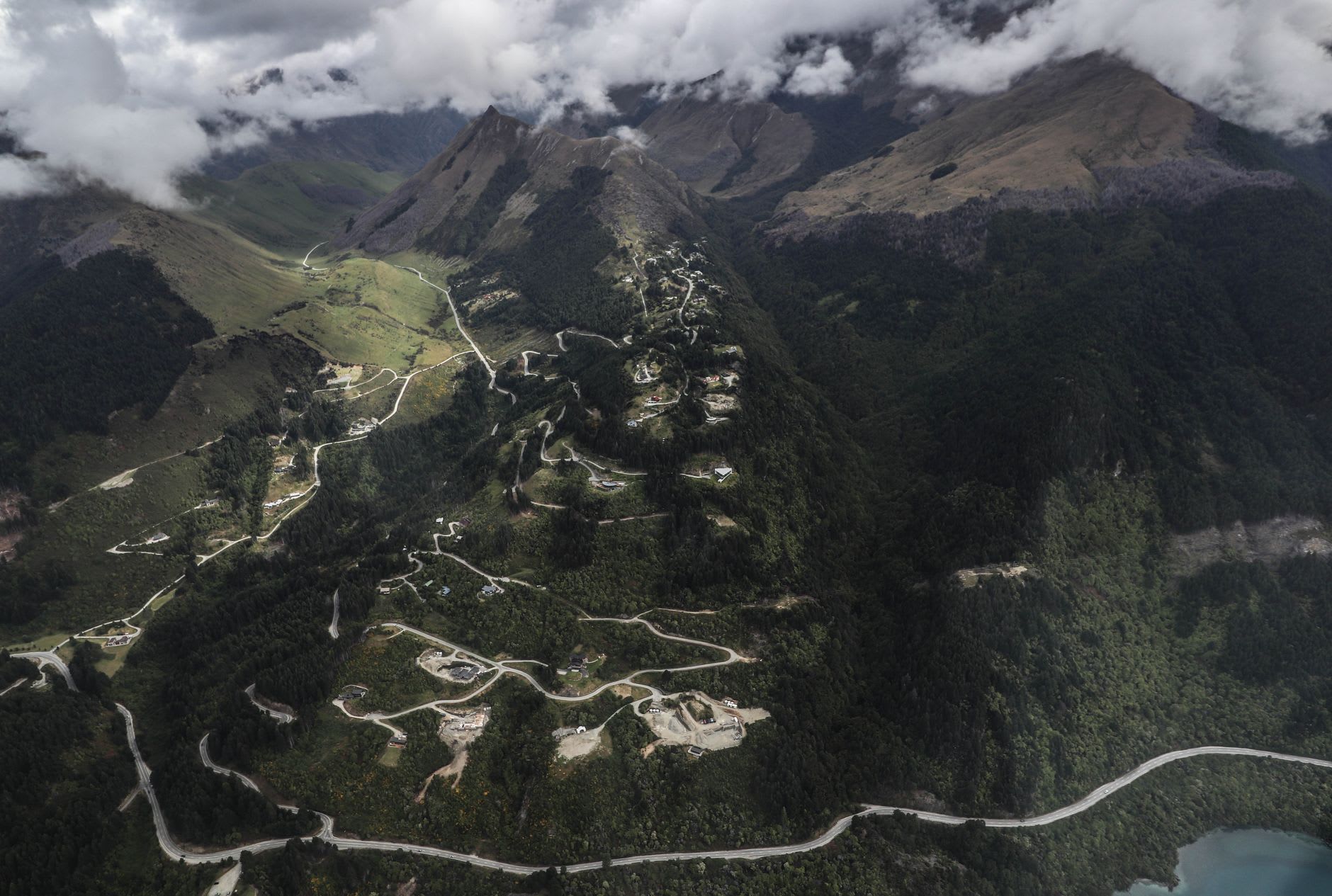
The real reason adventurous travelers come to Songpan is the horse trek. Outfits in town have been running multi-day rides up into the mountains for decades, to alpine lakes and meadows like Munigou and the Erdaohai valley, and the horses know the route far better than the riders do. I am not a rider. I made this clear. The horseman assigned me an animal of profound patience and we set off in a line up a valley that narrowed and rose until the town disappeared behind us.
By the second hour my body had located muscles it intended to complain about for days. But then we came over a rise and the meadow opened out, the snow peaks standing up at the head of the valley, and a herd of yaks regarding us with total indifference. We boiled water for tea over a fire of dried dung — the only fuel up there — and I understood, briefly and completely, why people had been moving through these mountains on horseback for a thousand years.

Coming Down
Back in town that evening, saddle-sore and smelling of woodsmoke, I sat on the steps of the Gusong bridge and watched the river run dark under the lanterns. Songpan does not perform for visitors the way the restored towns further south do. It is busy with its own life, half on the plateau and half off it, and it lets you watch.
When to go: June through September for the horse treks, when the high meadows are green and the passes are clear of snow. Autumn is short and beautiful. Bring warm layers regardless of season — Songpan sits above 2,800 metres and the nights are cold even in summer. Acclimatize for a day before riding if you have come straight up from Chengdu.