Huanglong
"I've never felt my own lungs so loudly, and I've never seen water do what it does at Huanglong."
A valley of golden travertine pools terraced beneath a 5,000-meter peak, where mineral water spills into hundreds of shimmering, colored basins.
I’ll be honest, the first twenty minutes at Huanglong were not romantic. Lia and I stepped off the cable car at close to 3,500 meters and I felt my heart doing something it doesn’t normally do just from walking. We’d been warned about the altitude, we’d bought the little cans of oxygen from the stall at the base just in case, and we still stood there for a minute catching our breath before we’d even seen a single pool. But then the boardwalk curved and the trees opened up, and I stopped thinking about my lungs entirely.
What hit me first was the color. I’d seen photos before we came, and I assumed they were edited, oversaturated for Instagram. They weren’t. The calcium carbonate that seeps down from the slopes of Xuebaoding settles into these terraced basins in sheets of gold, turquoise, and a strange milky green, and depending on where the light falls, a single pool can hold three colors at once. We walked the boardwalk slowly, mostly because we had to at that elevation, and I kept stopping to photograph the same shapes from different angles, convinced the color had shifted.
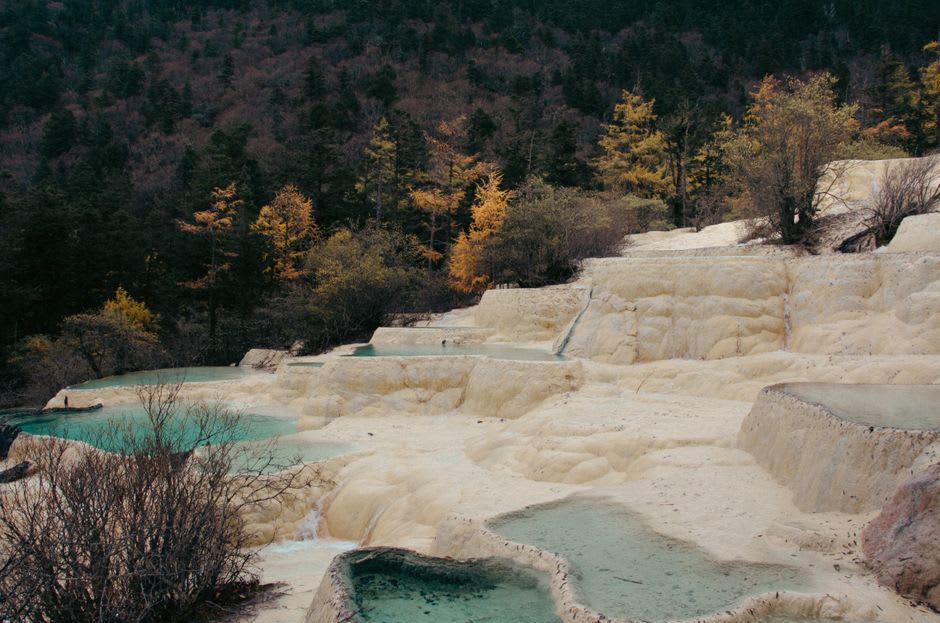
Partway up, we passed the Huanglong Temple, a Ming-dynasty structure tucked into the trees that gives the whole valley its name — Yellow Dragon. I liked that the site wasn’t just a natural spectacle dressed up for tourism; people have been coming here for centuries to pay respect to the dragon deity they believed shaped this water into pools. Lia lit an incense stick at the temple while I sat on a rock nearby, still a little dizzy, watching a group of older Chinese hikers move past us at a pace that put us both to shame.
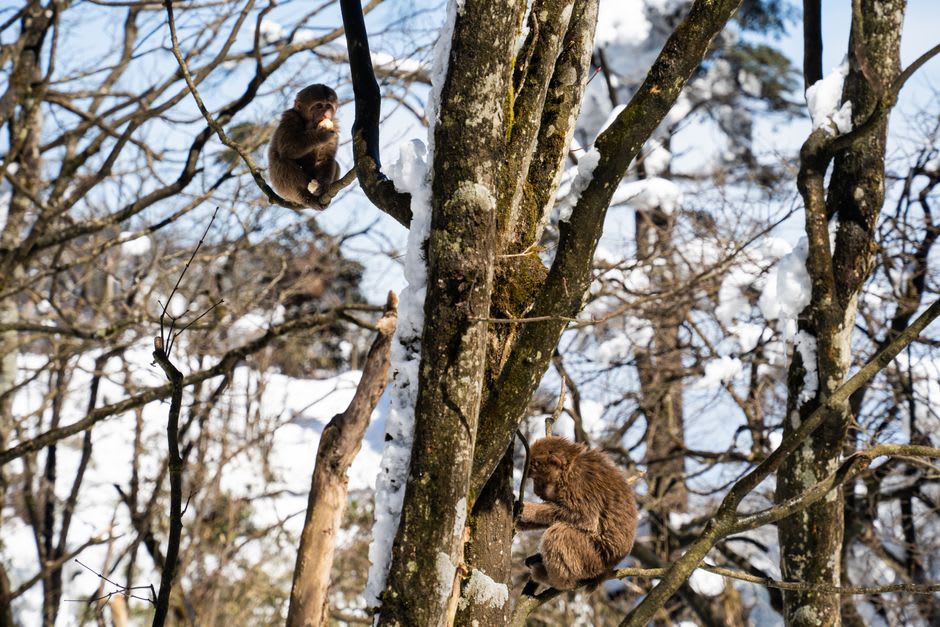
We got lucky near the top and spotted movement in the canopy — a troop of Sichuan golden snub-nosed monkeys, their orange-gold fur almost glowing against the dark pines. Someone on the boardwalk whispered that pandas live in this valley too, though we never saw one, which felt about right; some things you’re meant to just know are there. By the time we reached Wuse Chi, the Five-Colored Pool at the top, my legs were shaking more from the altitude than the climb, and I remember just sitting down on a bench and not talking for a while, letting Lia take it all in without me narrating it.
When to go: September and October are the sweet spot, when the surrounding slopes turn gold and rust and the pools run clear enough to mirror it all back at you.
Keep exploring
More from Sichuan
 sichuan
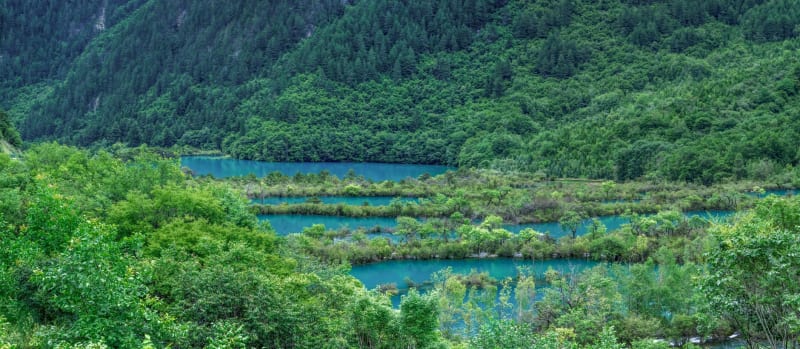
 Jiuzhaigou Valley
A valley where the lakes have no reasonable explanation for their color — turquoise bleeding into cobalt bleeding into jade, tier after tier.
Explore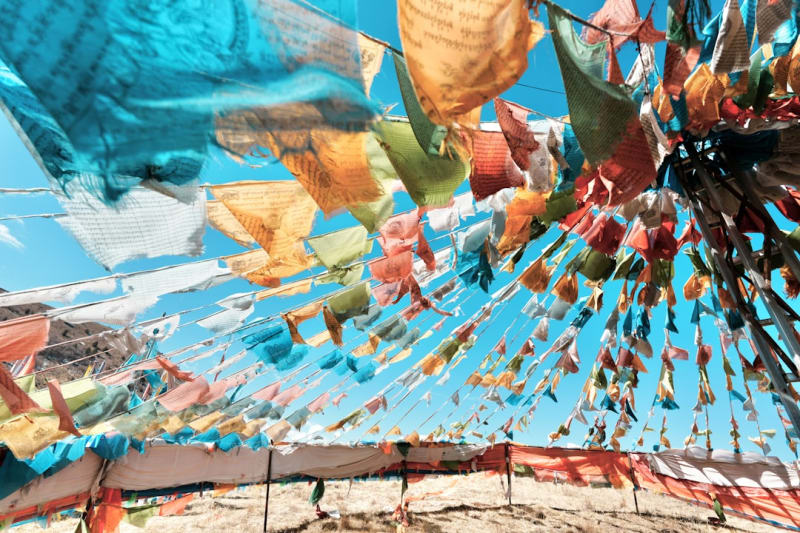 sichuan
 Kangding
A high-altitude river town wedged between Han China and the Tibetan plateau where a famous love song, a working horse trade, and the best butter tea east of Lhasa collide at 2,600 meters.
Explore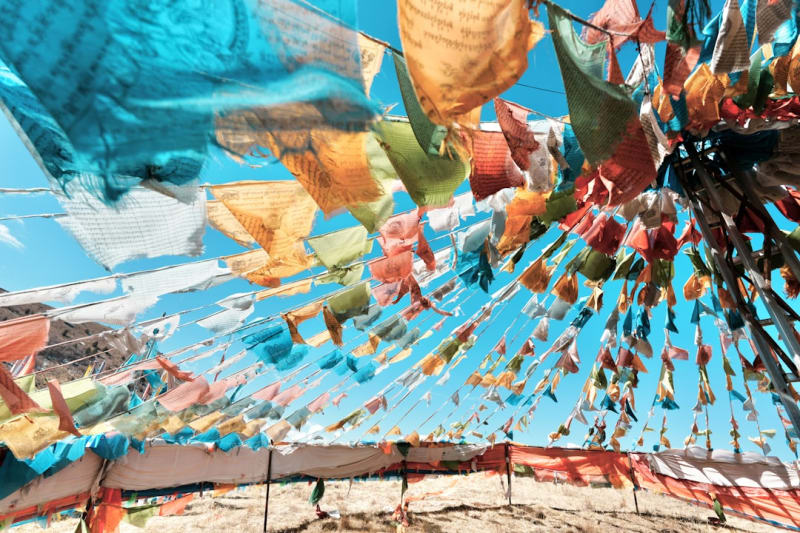 sichuan
 Langzhong
A remarkably intact ancient town on the Jialing River bend where Tang, Ming, and Qing dynasty streets survive as working neighborhoods rather than museum exhibits, and the local vinegar has been aging in clay jars for the better part of three centuries.
Explore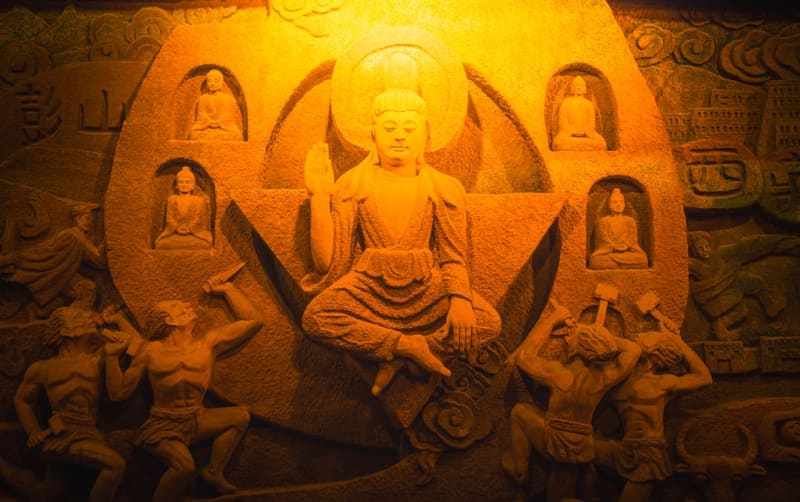 sichuan
 Leshan
Where three rivers collide at the feet of the world's largest stone Buddha, carved into a cliff face over ninety years by monks who hoped to calm the currents below.
Explore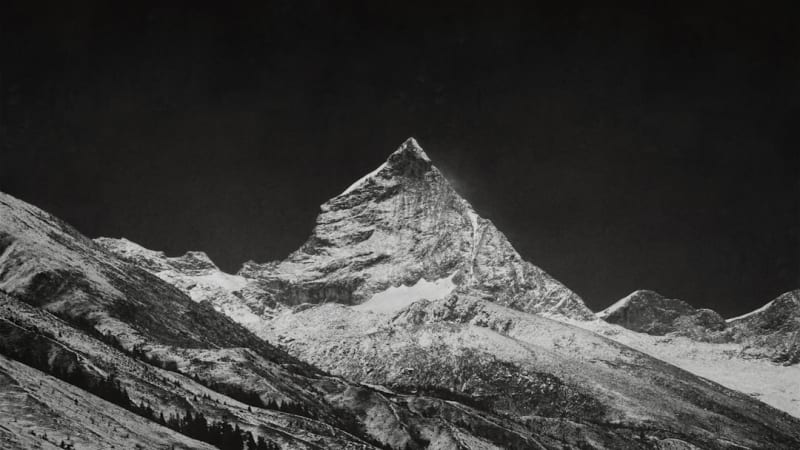 sichuan
 Siguniang Mountain
Four dramatic snow peaks — the Four Girls Mountain — preside over a tangle of hiking valleys where birch forests, glacial streams, and Tibetan farmhouses exist in the kind of proportion that makes you suspicious of superlatives until you're standing inside one.
Explore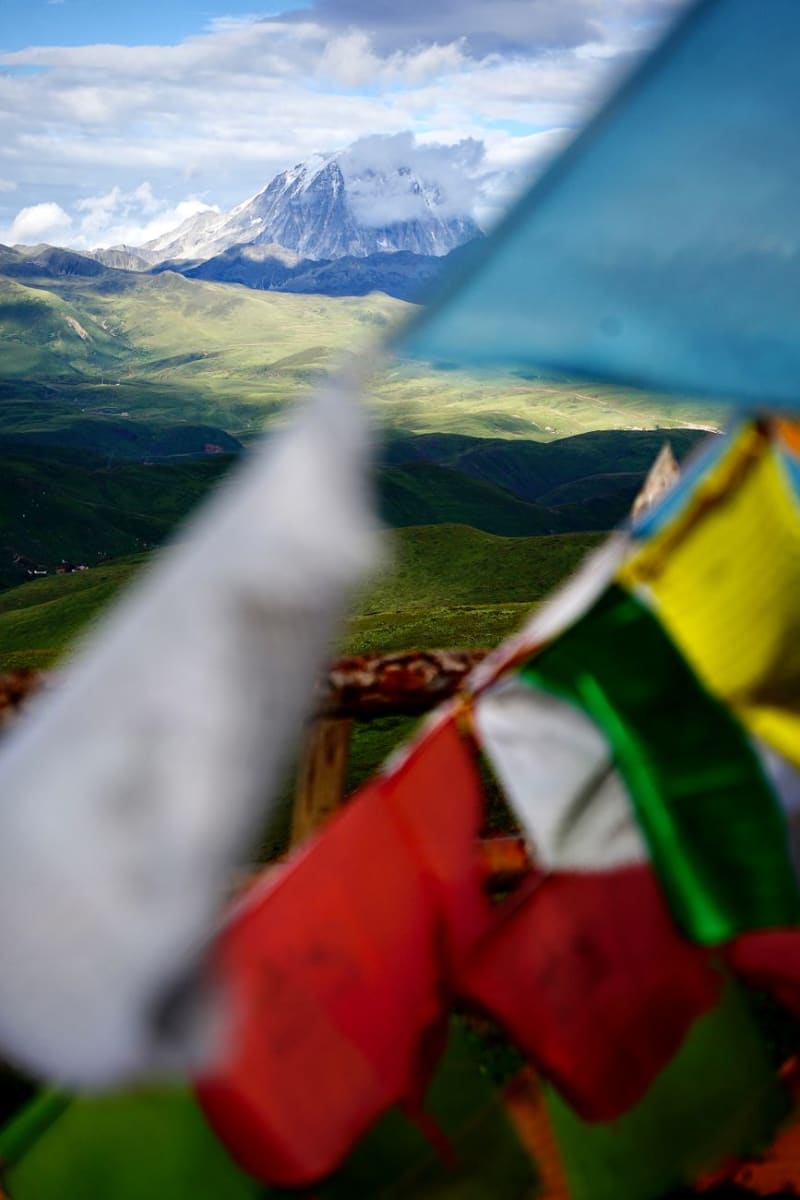 sichuan
 Songpan
A walled garrison town on the upper Min River where the old Tea Horse Road still runs through the city gates, and where the fastest way out of town is on the back of a horse.
Explore