A 2,200-year-old irrigation system near Chengdu that still waters the plain today, no dam required, just brilliant engineering.
I’ll admit I almost skipped Dujiangyan. Lia and I had budgeted one full day for Chengdu’s pandas and figured an “ancient irrigation system” sounded like homework dressed up as a day trip. We were wrong, and I’m glad a guy at our guesthouse talked us into the forty-minute train ride out. What’s waiting on the Min River isn’t a museum piece behind glass, it’s a piece of infrastructure from around 256 BC that is, right now, still splitting a river and feeding water to the Chengdu Plain. No dam. Just a levee, a channel, and an idea that has outlasted every dynasty since.
The engineering is the whole story here, and once it clicked for me I couldn’t stop pointing at things. The Fish Mouth Levee is this narrow tongue of land that juts into the current and physically divides the Min River into an inner channel and an outer channel, using nothing but the shape of the riverbed and the natural pull of the water to send the right proportion into each during flood season versus dry season. We stood on the walking bridge above it for a long time, watching the water fork and churn, and I kept thinking about how counterintuitive that restraint is. Every instinct in modern engineering says build a wall. Li Bing built a shape instead.
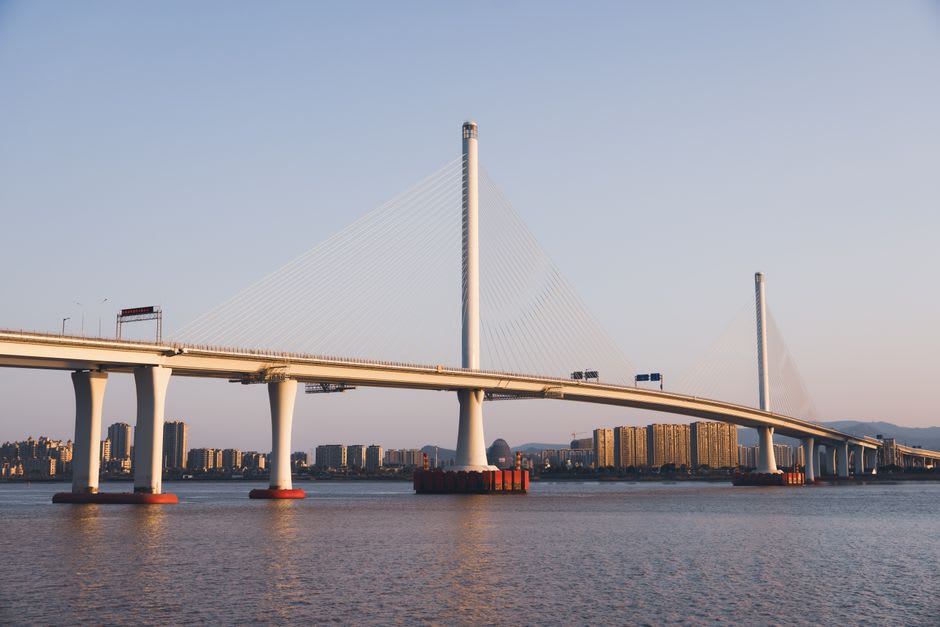
After the levee, we crossed over to Erwang Temple, tucked into the hillside above the river and dedicated to Li Bing and his son, who is credited with finishing the project. Incense smoke, steep stone stairs, and a view down onto the very channels we’d just been walking over, it’s a genuinely moving way to close the loop on what you’ve just seen. Lia lit a stick of incense there, half joking that we should thank the man personally for the noodles we’d eaten that morning, all grown on rice paddies fed by water he routed two millennia ago. Then we wandered into Dujiangyan’s old town, where narrow canals still run beside the shopping streets, and had a very good bowl of dan dan noodles at a stall a few steps from the water.
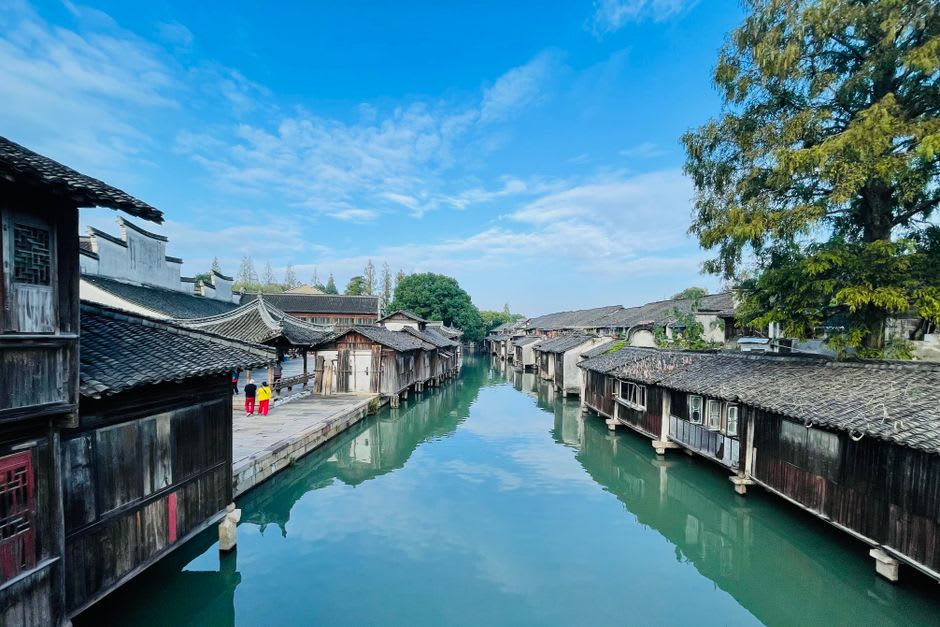
What stuck with me most, walking back to the train that evening, was the scale of continuity. This system was added to the UNESCO World Heritage list in 2000 alongside nearby Mount Qingcheng, but it never stopped being a working piece of infrastructure long enough to need saving, it just kept doing its job, largely on its original principles, through every regime and flood since the Qin dynasty.
When to go: We went in autumn and the mild weather made the long walk along the levees genuinely pleasant rather than a slog. If you can time a spring visit for early April, aim for the Qingming Festival water-release ceremony, when the seasonal dam that closes off the inner channel each winter is ceremonially broken open, something I regret missing and already want to go back for.
Keep exploring
More from Sichuan
 sichuan
 Emei Shan
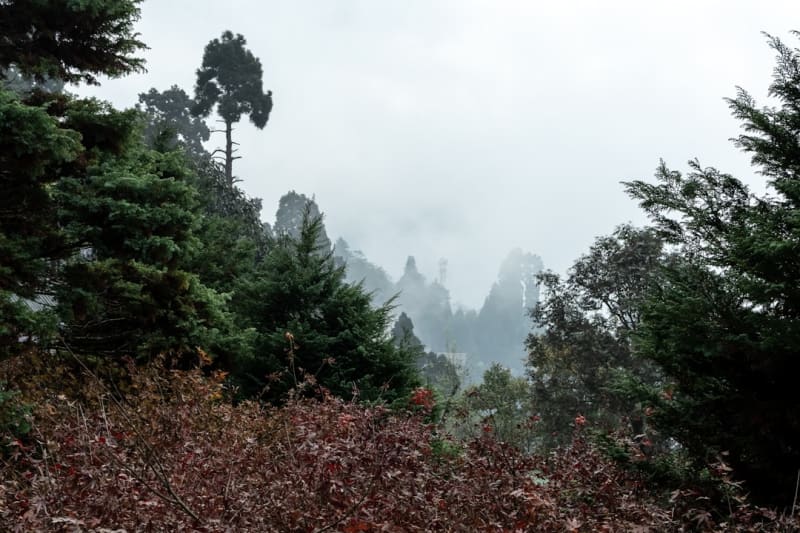
A sacred Buddhist mountain where pilgrims in cotton robes climb through cloud-wrapped forests past macaque gangs and ancient monasteries toward a golden summit that sometimes floats above the sea of mist.
Explore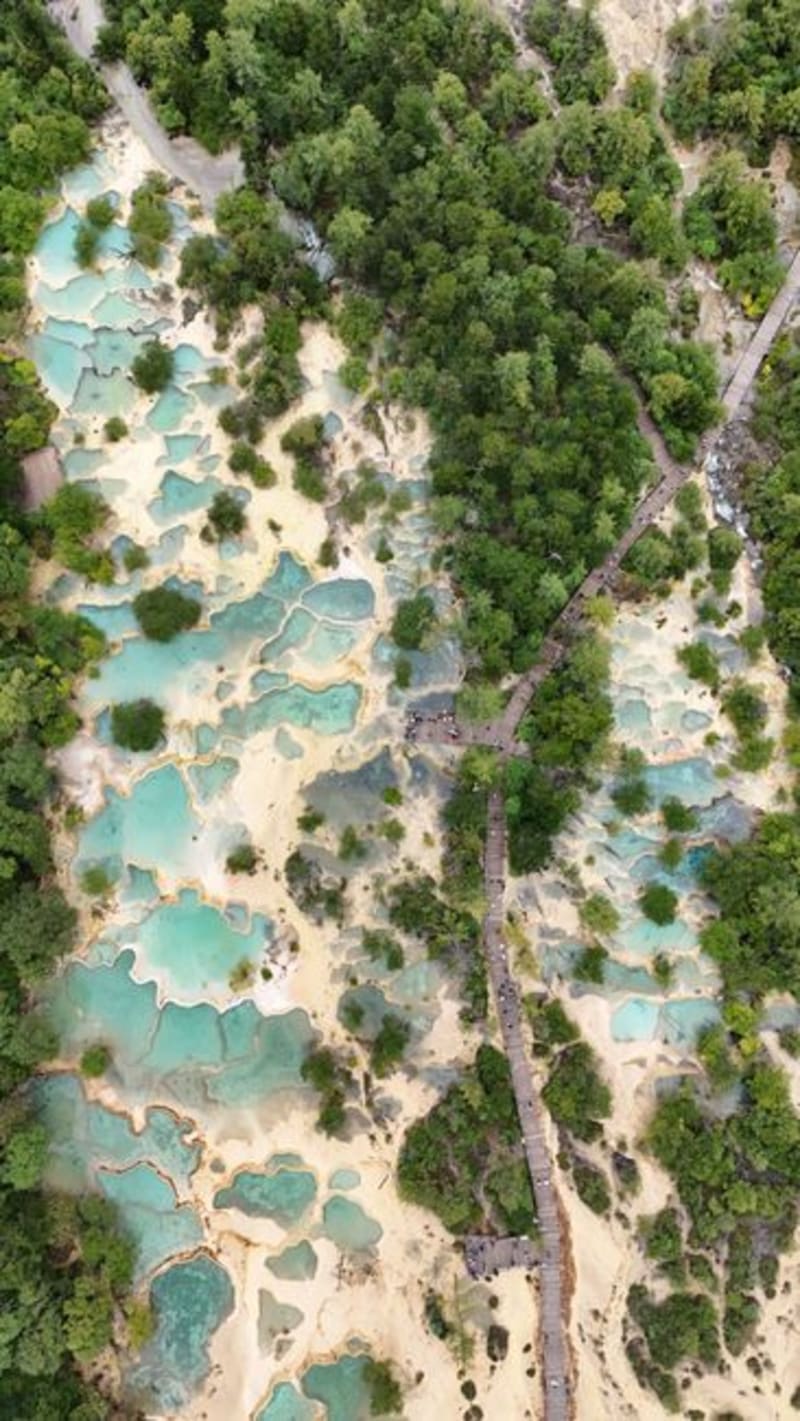 sichuan
 Huanglong
A valley of golden travertine pools terraced beneath a 5,000-meter peak, where mineral water spills into hundreds of shimmering, colored basins.
Explore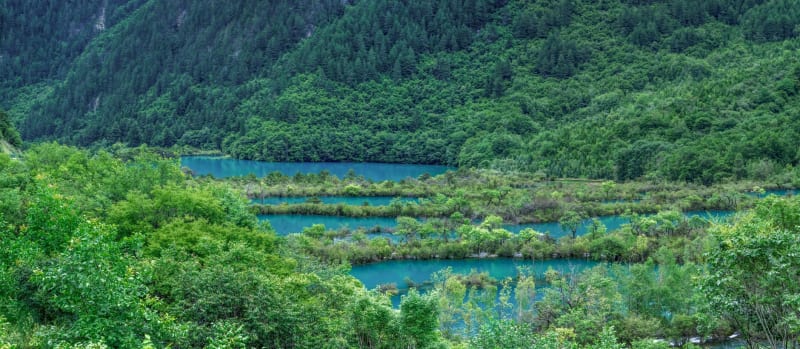 sichuan
 Jiuzhaigou Valley
A valley where the lakes have no reasonable explanation for their color — turquoise bleeding into cobalt bleeding into jade, tier after tier.
Explore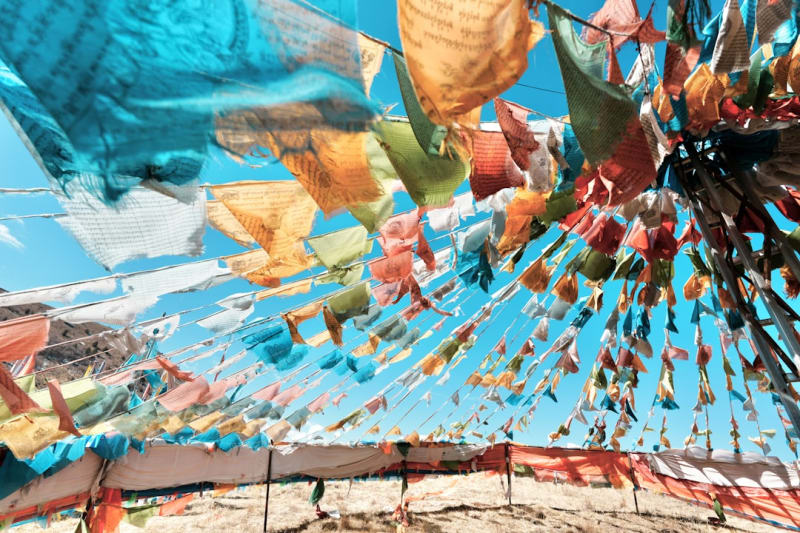 sichuan
 Kangding
A high-altitude river town wedged between Han China and the Tibetan plateau where a famous love song, a working horse trade, and the best butter tea east of Lhasa collide at 2,600 meters.
Explore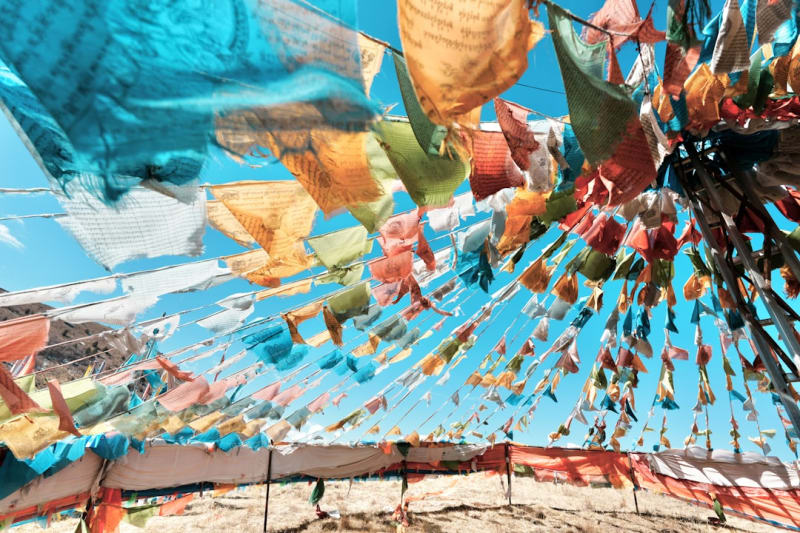 sichuan
 Langzhong
A remarkably intact ancient town on the Jialing River bend where Tang, Ming, and Qing dynasty streets survive as working neighborhoods rather than museum exhibits, and the local vinegar has been aging in clay jars for the better part of three centuries.
Explore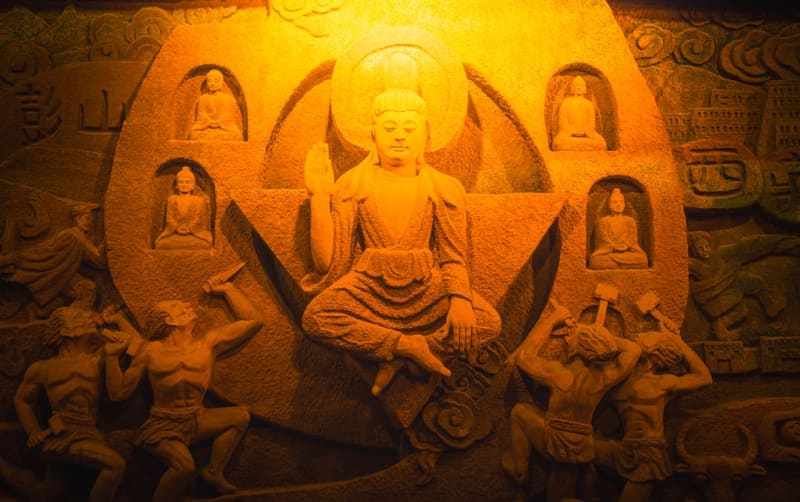 sichuan
 Leshan
Where three rivers collide at the feet of the world's largest stone Buddha, carved into a cliff face over ninety years by monks who hoped to calm the currents below.
Explore