Getting There Is Half the Point
The road to Daocheng drops in altitude three times before it climbs to stay. From Chengdu it’s a two-day drive through a landscape that changes so aggressively — from farmland to forest to high grassland to something that looks like the moon with yaks — that you arrive feeling like you’ve crossed several countries. The last stretch of highway follows river valleys where willows turn gold in autumn, villages of stone and whitewash appearing on hillsides with no obvious road connecting them. Lia kept pointing at things through the window and I kept missing them because I was watching something else. There’s too much to look at. That sounds like praise and it is.
The altitude begins to assert itself above 3,500 meters. Not dramatically — no one collapses — but you notice that walking uphill requires a pause you didn’t previously need, and that sleep at 4,000 meters is lighter, populated by vivid half-dreams and a slight headache behind the eyes.
The Three Peaks
Yading is officially a nature reserve centered on three sacred mountains that Tibetan Buddhists have circumambulated for centuries: Chenrezig (the Bodhisattva of Compassion), Jampayang (the Bodhisattva of Wisdom), and Chanadorje (the Bodhisattva of Power). The pilgrimage circuit, done properly, takes three days. Most visitors do a compressed version — shuttle buses, a horse ride to the upper lakes, a walk to the viewpoints — and it’s fine, though the compression misses the point that the mountain is experienced through the body over time, not through a telephoto lens from a viewing platform.
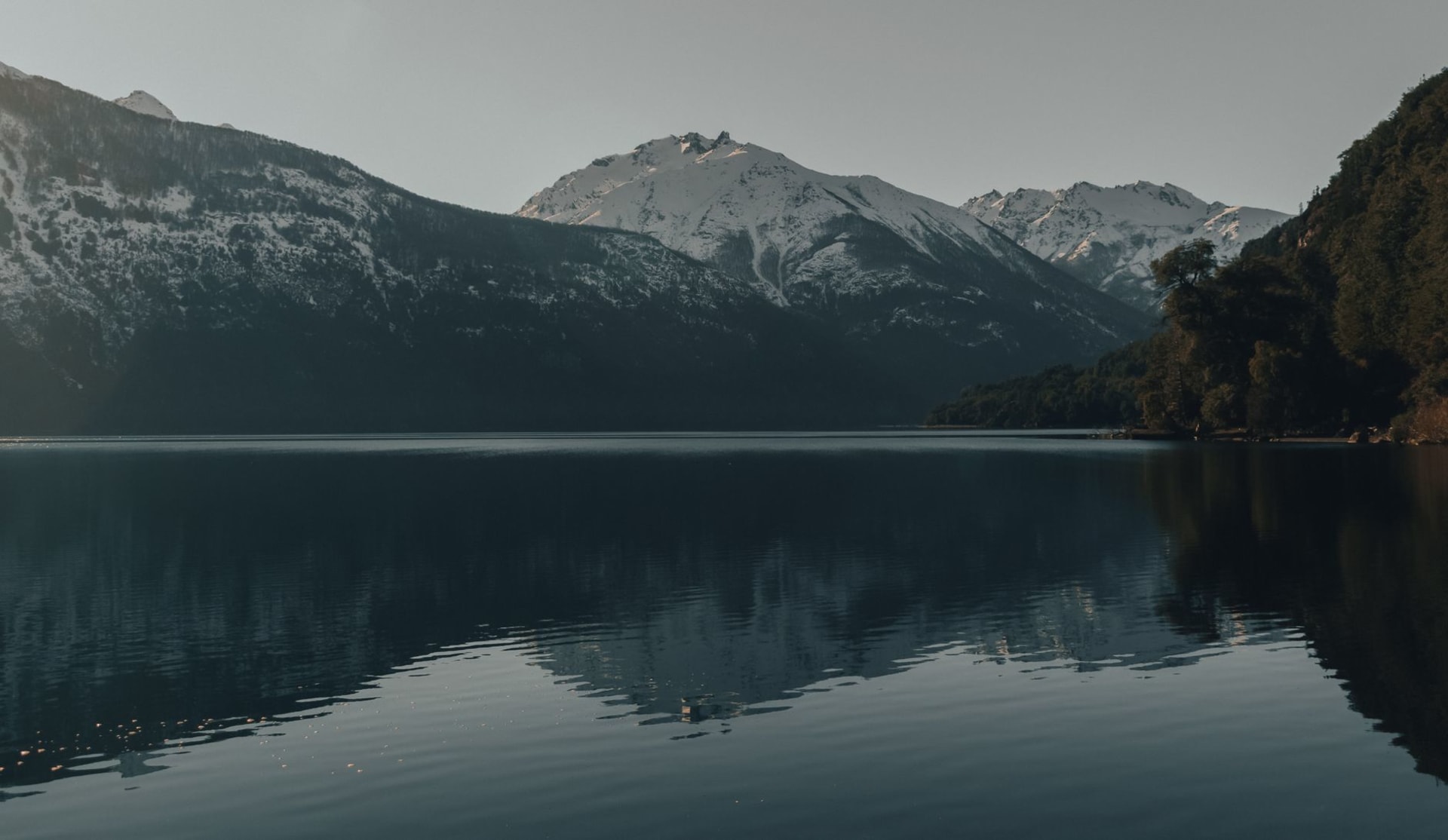
Chenrezig is the commanding one, a near-perfect triangular peak that appears in almost every photograph taken here. From Milk Lake — Rúguō Hǎi — the reflection on a calm morning is the kind of scene that feels staged, too symmetrical to be real. The water is a blue that shouldn’t exist at this altitude under this sky.
The Plateau Light
The quality of light at 4,500 meters is different. There’s less atmosphere between you and the sun, and everything looks simultaneously overexposed and impossibly detailed. The grass of the high meadows is a dozen shades of amber in October, prayer flags bleached by seasons of UV into pastel ghosts of their original colors. Yaks graze on the slopes above the treeline with the slowness of things that have never been hurried by anything. I sat on a rock for thirty minutes watching one particularly large animal move about eight meters. It was not boring.
The monasteries within the reserve are small, working, and not particularly oriented toward tourism. A monk at Chonggu Monastery was feeding a dog when I passed and gave me a nod that felt like an acknowledgment rather than a welcome. That seemed right.
The Limits of Comfort
This is not a luxury destination in any meaningful sense. Guesthouses in Daocheng town are functional, the food is yak-based and honest, and the roads in the reserve are frequently under construction. Hot showers exist and work maybe half the time. None of this is a complaint — the remoteness is the value. What you’re buying with the discomfort is the fact that the crowds taper out. The higher you go, the fewer people continue. By the time I reached Luorong Pasture at dusk on the second day, I was essentially alone with the peaks and the sound of a river somewhere below the fog.
When to go: Late September through mid-October is peak season for a reason — the foliage turns gold and the skies clear. Book accommodation weeks in advance for this window. May and June offer wildflowers and fewer people but variable weather and possible snowpack on the high trails. July and August bring monsoon rains. Avoid November through March when passes close.