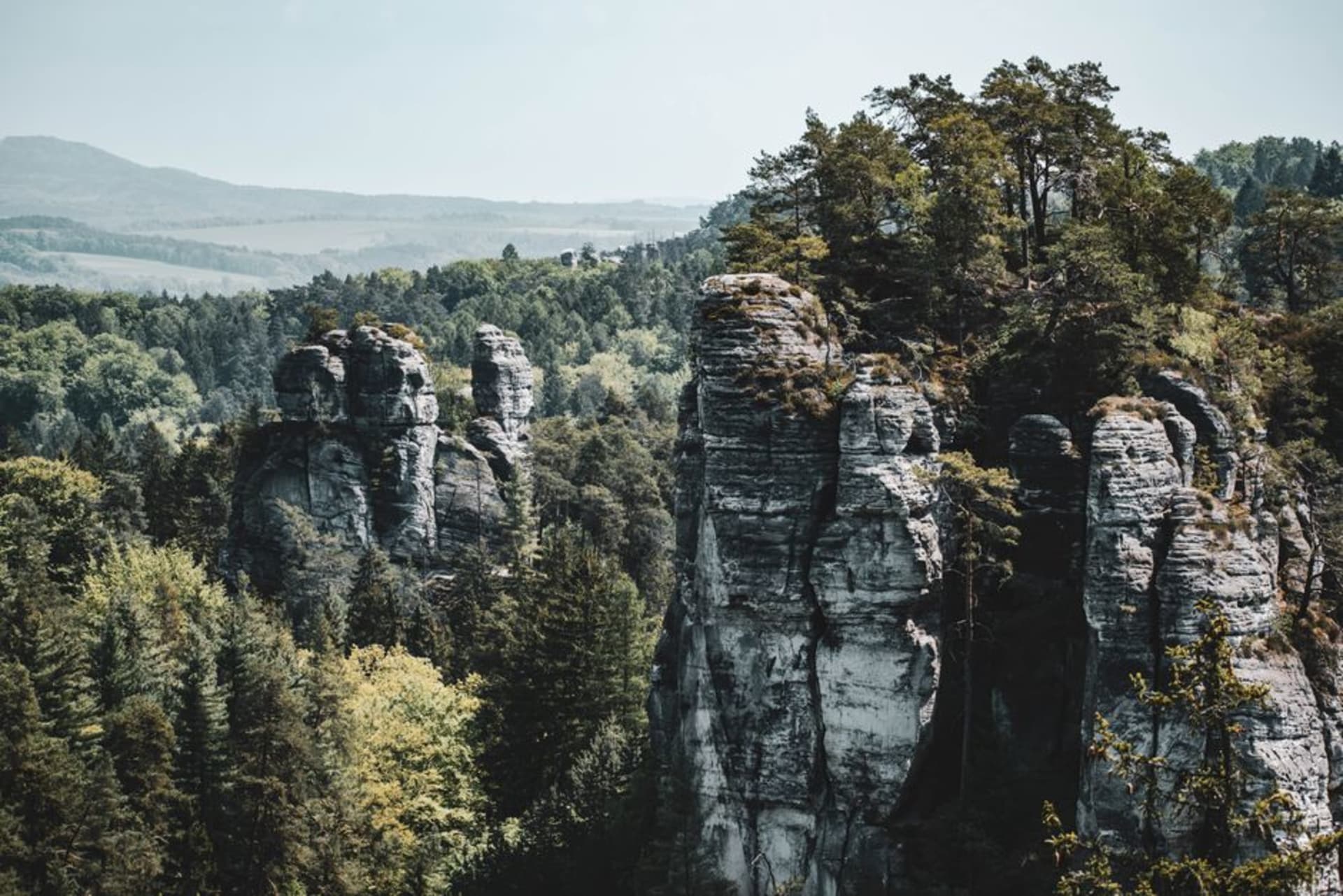
Stolby Nature Reserve
"Krasnoyarsk ends and the taiga begins, and somewhere in between, the rocks start talking to you."
A taiga wilderness south of Krasnoyarsk where syenite pillars rise from the forest and free climbers have tested themselves for over a century.
I hadn’t expected a national park to start at a bus stop. But that’s Stolby: you get off at the edge of Krasnoyarsk, follow a paved trail into the trees, and within an hour the city noise is gone, replaced by wind moving through taiga pine and the strange, silent presence of stone giants. Lia kept looking up and saying “that’s not real” under her breath, over and over, as we passed pillar after pillar — nearly a hundred of them scattered across the reserve’s 47,000 hectares, some over 100 meters tall, all of them syenite, all of them shaped by roughly 600 million years of weather doing what weather does when nobody’s watching.
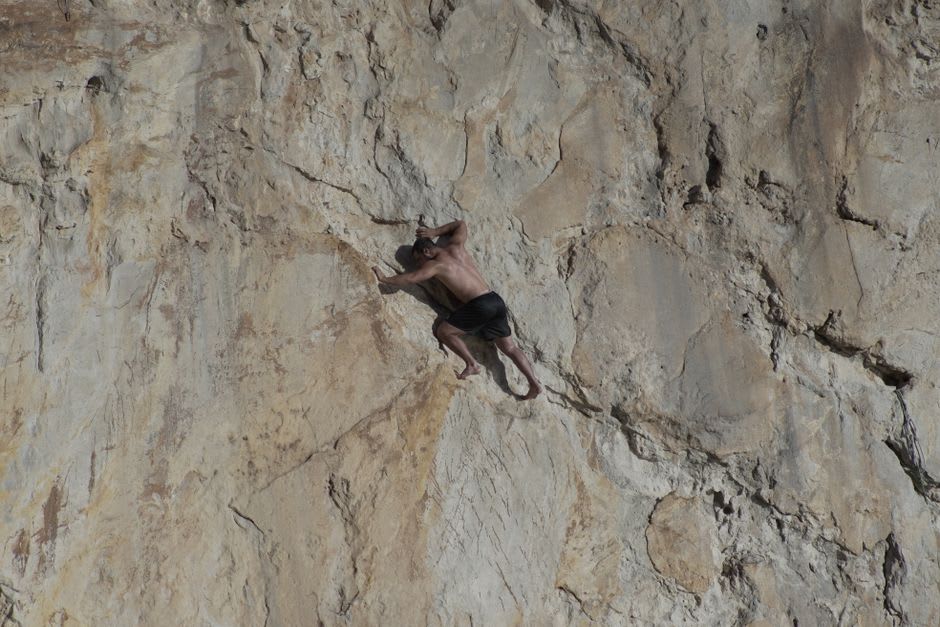
We aimed for Dedushka — Grandfather — the most iconic of the formations, and the First Pillar, both an easy, well-marked walk from the entrance. It’s a strange kind of accessible wilderness; I’ve hiked to remote ranges that took days to reach and felt less awed than I did standing at the base of these rocks less than an hour from a Siberian city of over a million people. We ate boiled eggs and rye bread on a flat outcrop below Dedushka, and a local guy nearby was doing something between yoga and free-climbing on the rock face beside us like it was nothing.
That guy, it turns out, was probably a stolbist — the reserve has its own climbing subculture going back to at least the 19th century, long before Stolby became a protected sanctuary in 1925. These climbers free-solo the pillars, no ropes, no harnesses, and over generations they’ve built their own slang for routes and holds that I couldn’t begin to decode. Watching from below, hands in my pockets, I felt the particular vertigo of admiring something I would never dare try myself. Lia, braver than me, scrambled up a low ledge on one of the smaller formations just to say she’d touched the rock, and came back down grinning and slightly out of breath.
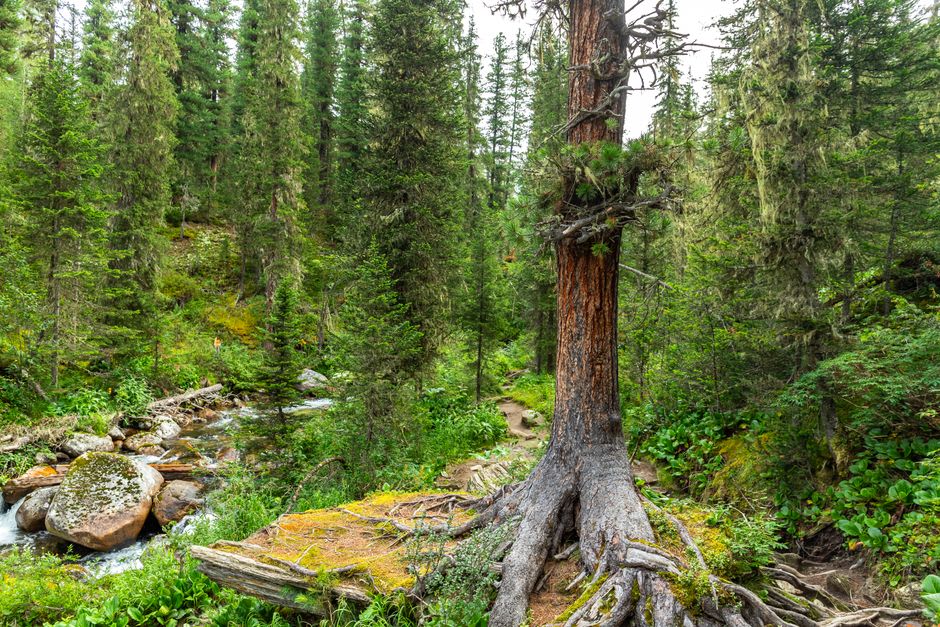
We stayed until the light went long and gold through the pines, and walked back to the city half-talking, half-just listening to our boots on the trail. Stolby isn’t dramatic in the way a mountain range is dramatic — it’s quieter, older-feeling, like the forest is keeping a secret it’s still slowly revealing, one pillar at a time.
When to go: Come between June and September if you want the trails dry and the pillars in full view for hiking and scrambling, or aim for February and March if you’d rather glide past them on cross-country skis over groomed snow.