Asia
Siberia
"I came for the Trans-Siberian and stayed for the silence that follows."
The train had been moving for nineteen hours when I finally stopped tracking time. Somewhere past Yekaterinburg, heading east toward Novosibirsk, the taiga took over everything — not just the window, but my sense of scale. Birch and pine as far as the eye could push in any direction, interrupted occasionally by a frozen river or a village that looked like it had been dropped from a great height and simply stayed where it landed. I had brought three books for the Trans-Siberian crossing. I opened none of them.
Siberia resists the logic of ordinary travel. There is no single highlight, no moment where you tick a box and feel done. The whole point is the accumulation: the four-day train ride from Moscow to Irkutsk, the way Lake Baikal appears without warning and turns out to be bluer than any photograph suggests, the smell of smoked omul fish at the Listvyanka market, the old women on train platforms selling hot potatoes wrapped in newspaper for a few rubles. In the city of Irkutsk itself — a genuine city, with Art Nouveau facades and a university and a literary café that serves decent espresso — I met a geologist who had spent thirty years studying the permafrost and spoke about its thaw with the quiet grief of someone watching a childhood home crack apart. That conversation stayed with me longer than any monument.
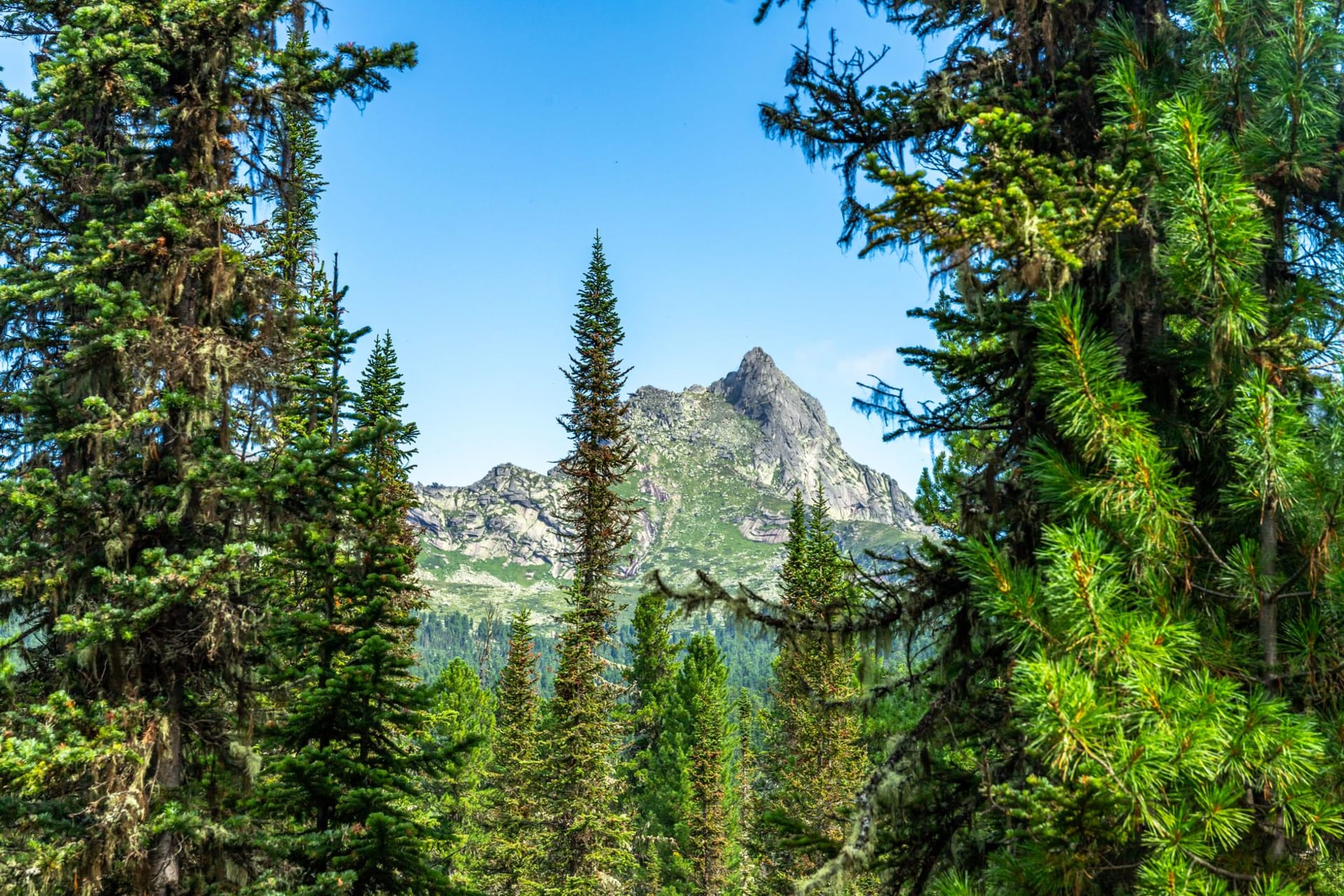
In summer, the landscape transforms into something almost incomprehensible in its greenness: wildflowers across the steppe, the midnight sun in the far north, mosquitoes the size of small aircraft. In winter, Siberia becomes the version of itself you imagined — temperatures that make the air hurt, the Angara River steaming in the cold, the particular stillness of snow that has been packed and frozen so many times it no longer crunches but squeaks underfoot.
When to go: June through August for long days, accessible hiking around Baikal, and the full green explosion of the taiga. February for the full cold-weather experience and ice festivals on Lake Baikal — the ice grows thick enough to drive across. Avoid October and April, which are the mud seasons when neither the beauty of winter nor summer is reliably present.
What most guides get wrong: They treat Siberia as a backdrop for the Trans-Siberian Railway, as if the train were the destination and the landscape merely scenery. The actual Siberia — the one worth understanding — requires getting off the train. Stay two or three days in Irkutsk, hire a car to the Olkhon Island ferry, walk through the forest alone. The Trans-Siberian is only the beginning of the conversation.