The Exile City
The fortress where Dostoevsky served four years of hard labor still stands at the confluence of the Irtysh and the Om rivers. It’s a museum now, relatively modest, with displays about the penal colony period and a restored portion of the barracks. What struck me was how ordinary the space feels — functional brick buildings, a parade ground, views of the river. The conditions had been genuinely terrible, but the physical evidence of them is gone. What remains is the architecture of order.
Dostoevsky wrote about Omsk in “Notes from a Dead House,” arguably the most honest account of prison life written in the nineteenth century. Reading it before arriving made the city stranger and more dimensional than it would otherwise have been. The Omsk Literary Museum has a good Dostoevsky section, though the whole building rewards more time than most visitors give it.
The Irtysh and the Old City
Omsk grew from a Cossack fort at the river confluence, and the oldest part of the city — the grid of streets between the Om and the Irtysh — still carries that logic. The Cathedral of the Assumption was rebuilt after Soviet demolition and now stands white and gold on the riverbank with a confidence that feels either earned or performative depending on your feelings about reconstruction. The interior is new but not unserious.
Walking along the Irtysh embankment on a June evening, I passed families, runners, couples occupying benches with the settled quality of people who use this space regularly. The river is wide and brown-green and moves with a current you can see. On the far bank, dacha gardens run down to the water. The light at nine in the evening was the long golden Siberian light that makes everything look more significant than it is, which is both a distortion and a gift.
Soviet Ambition in Layers
Omsk was briefly the capital of White Russia during the Civil War, when Admiral Kolchak set up his government here. The traces of that period are visible in some of the grander pre-revolutionary buildings along Lenina that escaped Soviet demolition. Siberian merchants built well; they had money and time and provincial ambition.
The Soviet layer is the dominant one. Lenina itself is a textbook Soviet boulevard — wide enough for a tank parade, lined with institutional buildings of appropriate scale. The drama theater on the main square is particularly accomplished Stalinist architecture: not beautiful exactly, but committed. I attended a performance and found the staging surprisingly contemporary, which is a thing that happens often enough in Russian regional theaters that I’ve stopped being surprised.
Markets and Kuchen
The central market is the reliable version of any Siberian city. Smoked fish in varieties I couldn’t name, barrels of fermented things, honey from seventeen different flowers, and at the market’s edge, vendors selling pelmeni by weight from large trays. I ate three portions across two days and consider this reasonable fieldwork.
A particular find was a German-inflected bakery run by a Volga German family whose ancestors had been relocated to Siberia during the war. The kuchen was correct. I hadn’t expected kuchen in Omsk. Siberia will do this to you.
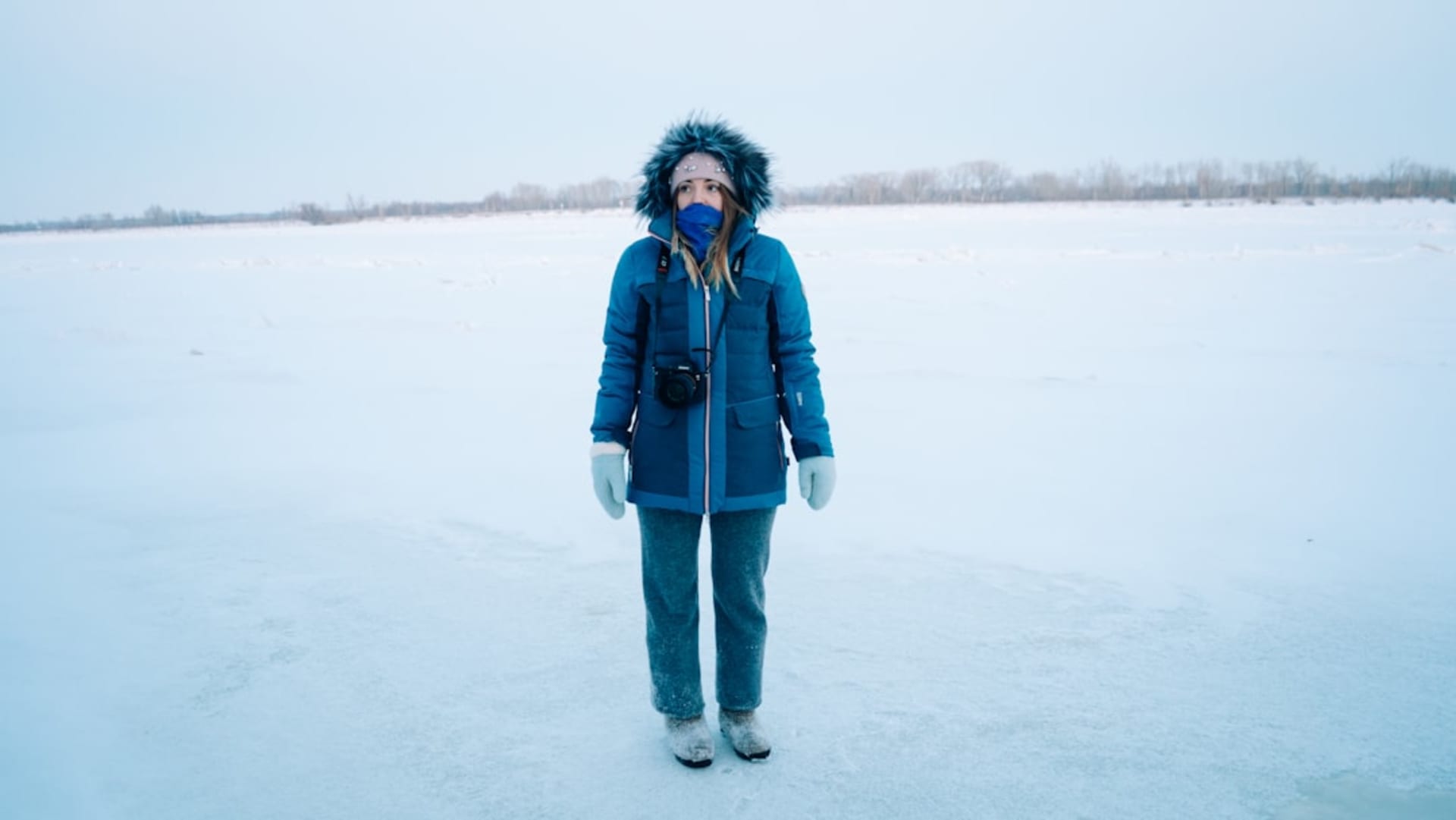
When to go: May through September. June and July offer long evenings on the Irtysh and full market season. September has the best light and fewer mosquitoes than July. Winter in Omsk is serious — minus twenty-five is common — but the fortress and river views under snow are worth it for those prepared.