Lake Baikal
"Nothing prepares you for that blue. Not descriptions, not photographs, not the number 1,637 metres. Nothing."
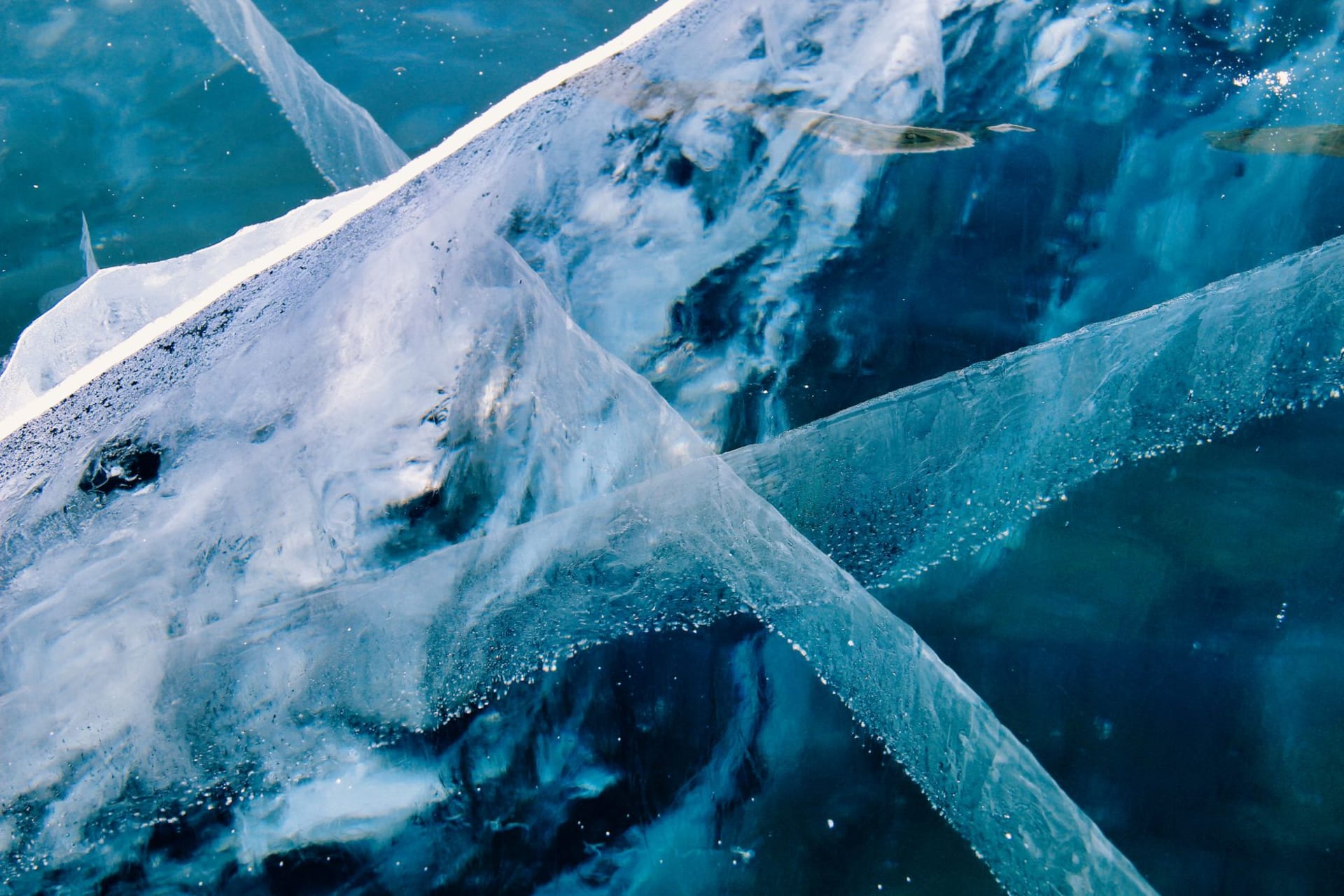
The lake appeared suddenly, around a curve in the Baikal Highway, and I actually said something out loud — not to anyone, just to the air in the car. It was February, and the lake was frozen, but the ice was not the dull white of a hockey rink. It was deep translucent green, and through it, in places, you could see down into something that looked like it went all the way through the planet. The mountains across the far shore were so far away they had turned the specific blue of things that exist at the limit of visibility. I had read every statistic about Baikal — 636 kilometres long, 1,637 metres at its deepest point, 20 percent of all unfrozen fresh water on Earth — and the statistics had not prepared me for any of it.
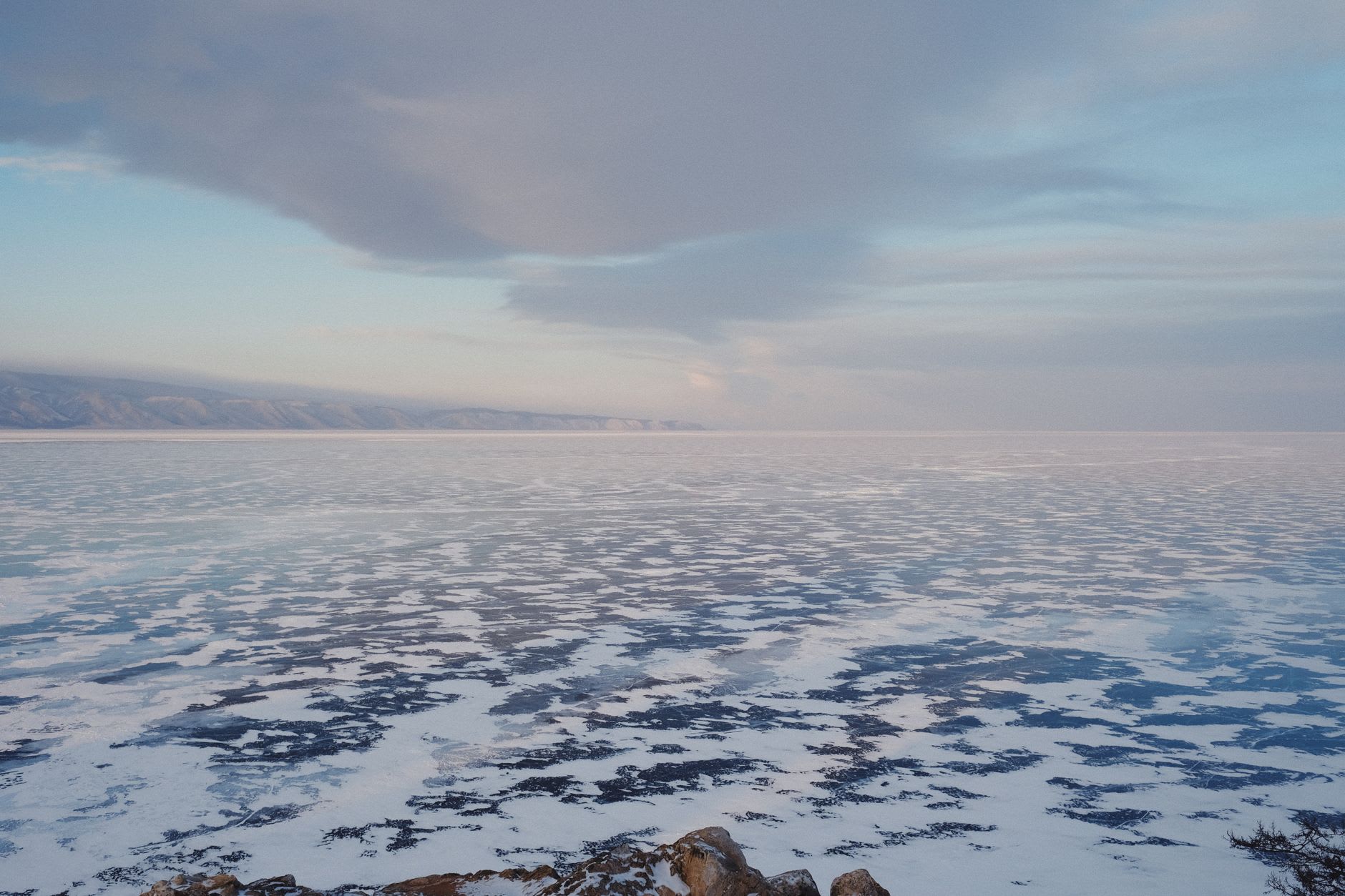
In February, the ice is thick enough to walk on, thick enough to drive across on the official ice roads that connect the lake’s islands to the mainland. I went out alone one morning, very early, before the tour groups arrived. The ice made sounds — deep, low groans that travelled for what felt like kilometres, as if the whole lake were settling into itself. The surface was not flat. Wind and temperature swings had sculpted it into ridges and pressure waves, and in places it was cracked and refrozen into formations that looked architectural. I lay flat and pressed my face against the surface and looked down into the green dark and felt genuinely vertiginous. Beneath me, twenty-five metres down at that spot according to the map, the bottom was invisible. The transparency of the water is so extreme that objects are visible at forty metres in summer.
The nerpa seals — the world’s only freshwater seal species, endemic to Baikal, existing nowhere else on the planet — were somewhere out on the ice, but I didn’t find them that morning. I found, instead, a hole someone had drilled for ice fishing, abandoned, and beside it a thermos lid. The lake is enormous enough that its presence is felt even when nothing is happening: the cold radiating from all that mass, the particular quality of the silence, which is not empty but occupied by the sound of the ice.
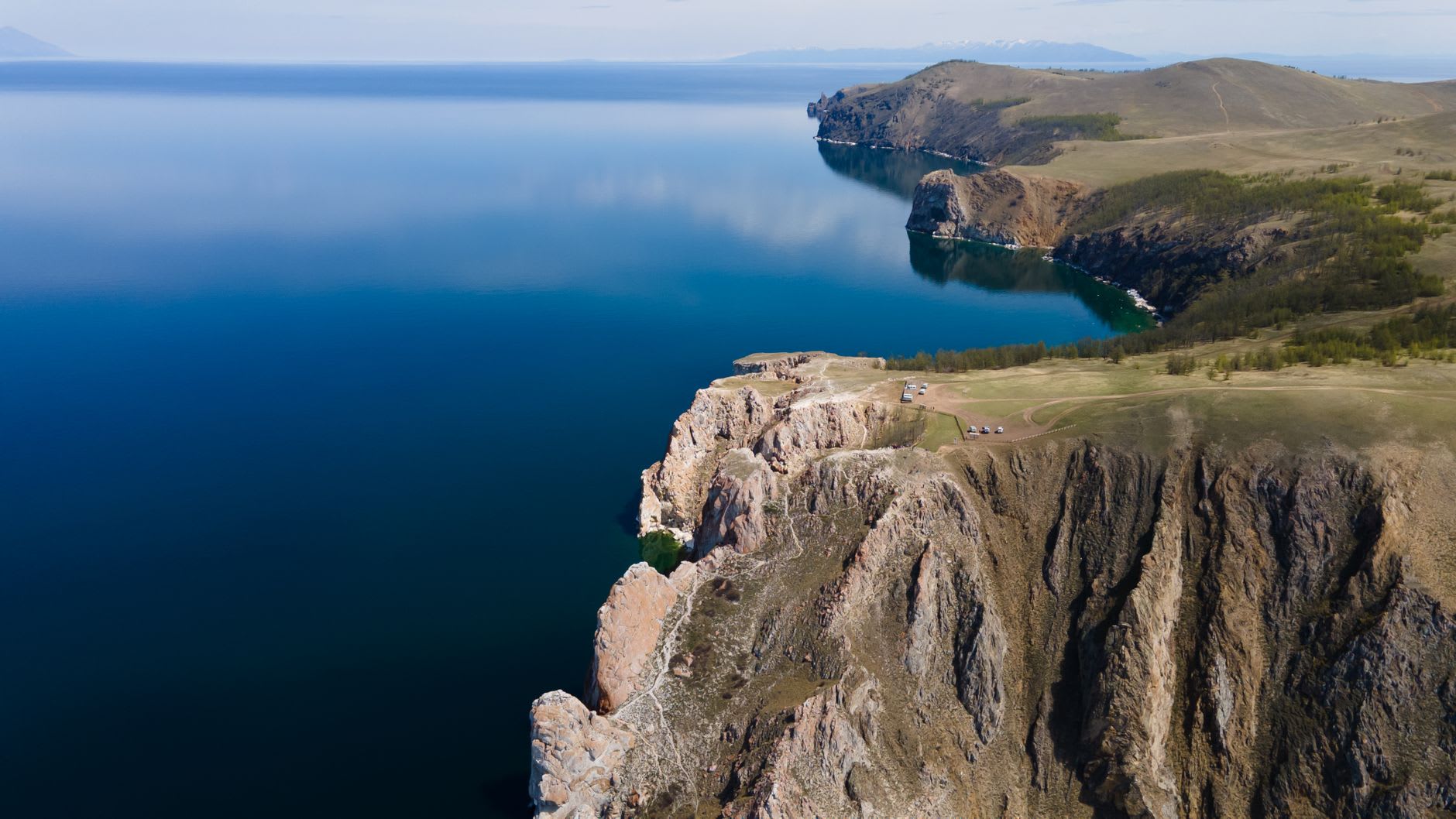
In summer, Baikal transforms without losing its strangeness. The water turns the blue of cobalt glass, and it is cold — always cold, never above eight or nine degrees at the surface even in August — and swimming in it is an experience that resets something in the nervous system. The omul fish, endemic to Baikal, comes smoked and salted and raw and as a soup called ukha, and eating it on the shore with the lake in front of you feels like an appropriate form of communion. The taiga presses down to the water’s edge in places, and in others limestone cliffs drop straight in. Each kilometre of shoreline is a different character of the same story.
When to go: February and March for ice walking, ice roads, and the frozen transparency that makes Baikal feel like science fiction. Late June through August for hiking, swimming (for the brave), and access to the full shoreline. The shoulder seasons — May and September — offer solitude and shifting light but can be cold and logistically complex.