
Golubac Fortress
"I've stood on a lot of ramparts. None of them had a river this wide staring back at me."
A ten-towered medieval fortress clinging to the Danube's edge, guarding the entrance to the Iron Gates gorge in eastern Serbia.
We drove out from Belgrade on a whim, the kind of decision Lia and I make maybe once a trip — no real plan, just a name on a map that sounded like it deserved a detour. Golubac Fortress had been sitting in my bookmarks for months, a photo of stone towers stacked against water that I couldn’t quite place until I read that it marks the entrance to the Iron Gates gorge. Three hours later we were standing at the base of it, and the photo hadn’t done it justice. The fortress doesn’t sit neatly on flat ground like the castles I grew up visiting in the Loire — it climbs the rock, ten towers connected by walls that bend and buckle with the terrain, like whoever built it in the 14th century just followed the cliff and dared anyone to take it from them.
And people tried, for centuries. Standing at the base of the walls, I kept thinking about how many hands this place passed through — Serbian despots, Hungarian kings, Ottoman garrisons, back and forth for four hundred years, each one adding a tower or reinforcing a wall to hold the river crossing a little longer. Our guide pointed out where you could still read the different building styles in the stone if you knew what to look for, though I’ll admit most of it blurred together for me. What didn’t blur was the sense of why — the Danube is genuinely massive here, and whoever controlled this narrow stretch controlled everything moving upriver or down.
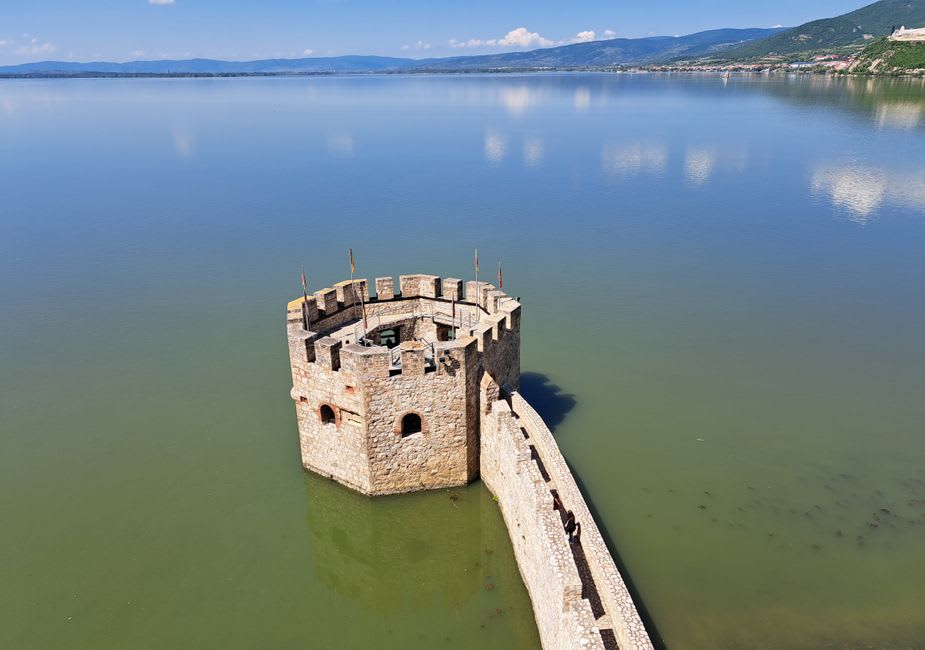
The 2019 restoration is the reason any of this is even walkable now. They added glass walkways through towers that used to be sealed off, and I remember Lia stopping dead in the middle of one, looking straight down through the floor at the river far below, refusing to move for a solid minute. I teased her about it until I did the exact same thing two towers later. It’s a strange sensation — being inside a 600-year-old wall and standing on something so obviously modern, but it works, because it’s the only way most of us will ever get to see the fortress from the inside instead of just admiring it from the road like everyone did for decades before the renovation.
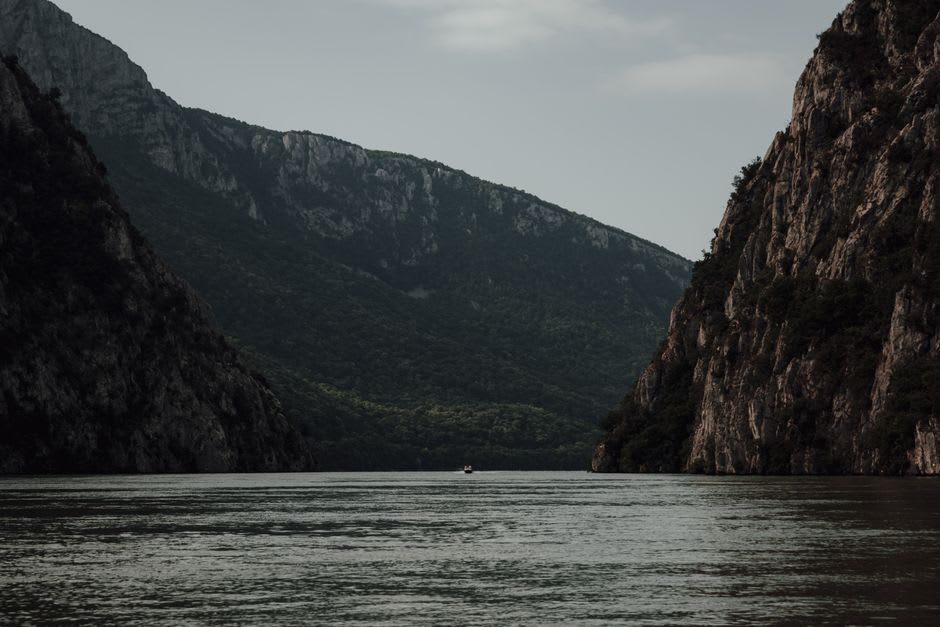
We ended the visit sitting on a low wall near the entrance, sharing a bag of pretzels from a stall by the parking area, watching a barge push slowly upriver toward the gorge. Lia said it felt like the kind of place that should be more famous than it is, and I didn’t disagree. It’s not polished into a theme park the way some European castles are — it still feels like a fortress, weathered and irregular and slightly stubborn, the way the river itself seems to be.
When to go: Aim for April through June or September into October — the light on the Danube is clearest then, the heat hasn’t turned brutal, and the towers stay comfortable to climb.