A sleepy Fouta Toro river town built around a restored nineteenth-century French fort, ancestral home to some of Senegal's most celebrated musicians, where the Senegal River marks the border with Mauritania a stone's throw away.
Podor sits far enough up the Senegal River, deep into the Fouta Toro region, that almost nothing about it feels like the coast anymore. I came up from Saint-Louis on a road that got progressively quieter, the vegetation thinning into proper Sahelian scrub, until the town appeared as a low cluster of buildings around an old French fort right on the water. The fort itself, built in the nineteenth century and restored more recently, has thick ochre walls and a squat, defensive solidity that made sense the moment I remembered how far this outpost once sat from anything resembling French colonial power’s actual center.
The town’s real pull for me was less the fort and more its musical pedigree. Podor is the ancestral home of Baaba Maal, one of Senegal’s most internationally celebrated singers, and the Fouta region more broadly has produced generations of Toucouleur and Halpulaar musicians whose influence runs through West African music well beyond Senegal’s borders. I didn’t manage to catch a performance while I was there, but a shopkeeper near the fort talked about Maal with the specific pride of someone discussing a neighbor rather than a celebrity, which told me plenty about how the town holds its own history.
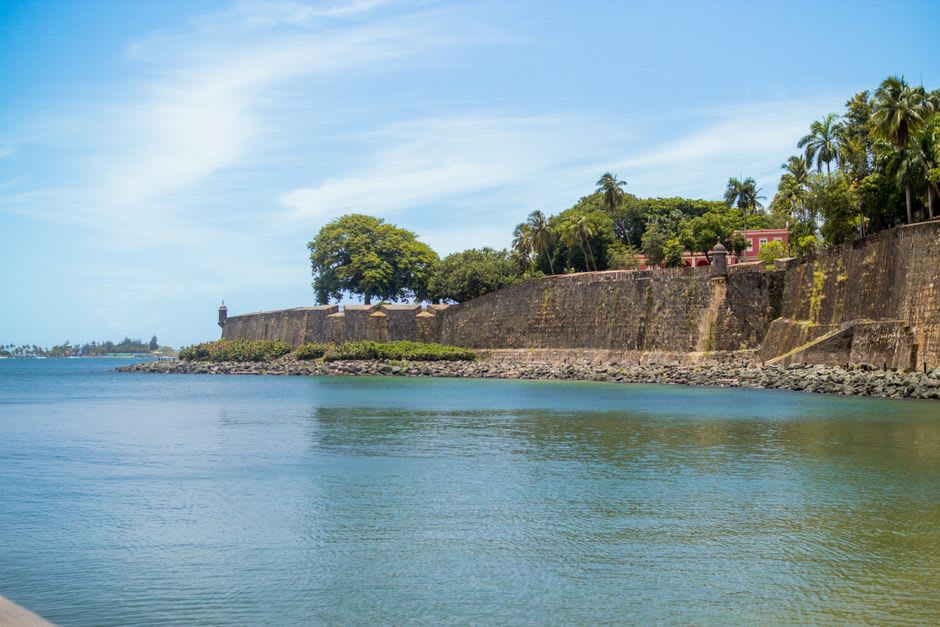
Down at the riverbank, Mauritania sits close enough across the water that I could make out individual buildings on the far side without binoculars. Pirogues crossed back and forth all afternoon, ferrying goods and people between the two countries with a casualness that made the international border feel almost incidental. I sat with a mint tea at a small riverside stall and watched the crossings for longer than I meant to.
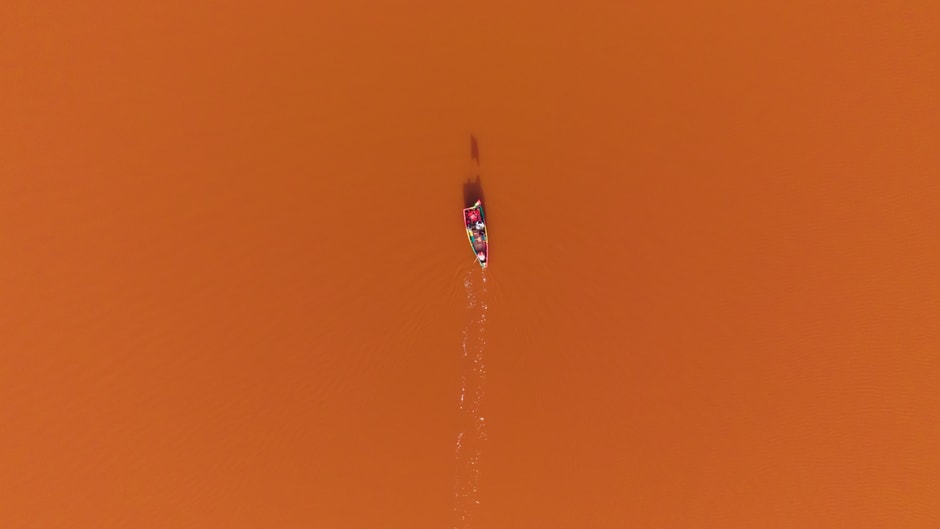
Podor moves slowly, and after the intensity of Dakar or even Saint-Louis, that slowness felt less like a lack of things to do and more like the point of coming this far upriver at all.
When to go: November through February — the Fouta region gets brutally hot the rest of the year, and the cooler months make the riverfront genuinely pleasant to sit beside for hours.
Keep exploring
More from Senegal
 senegal
 Popenguine
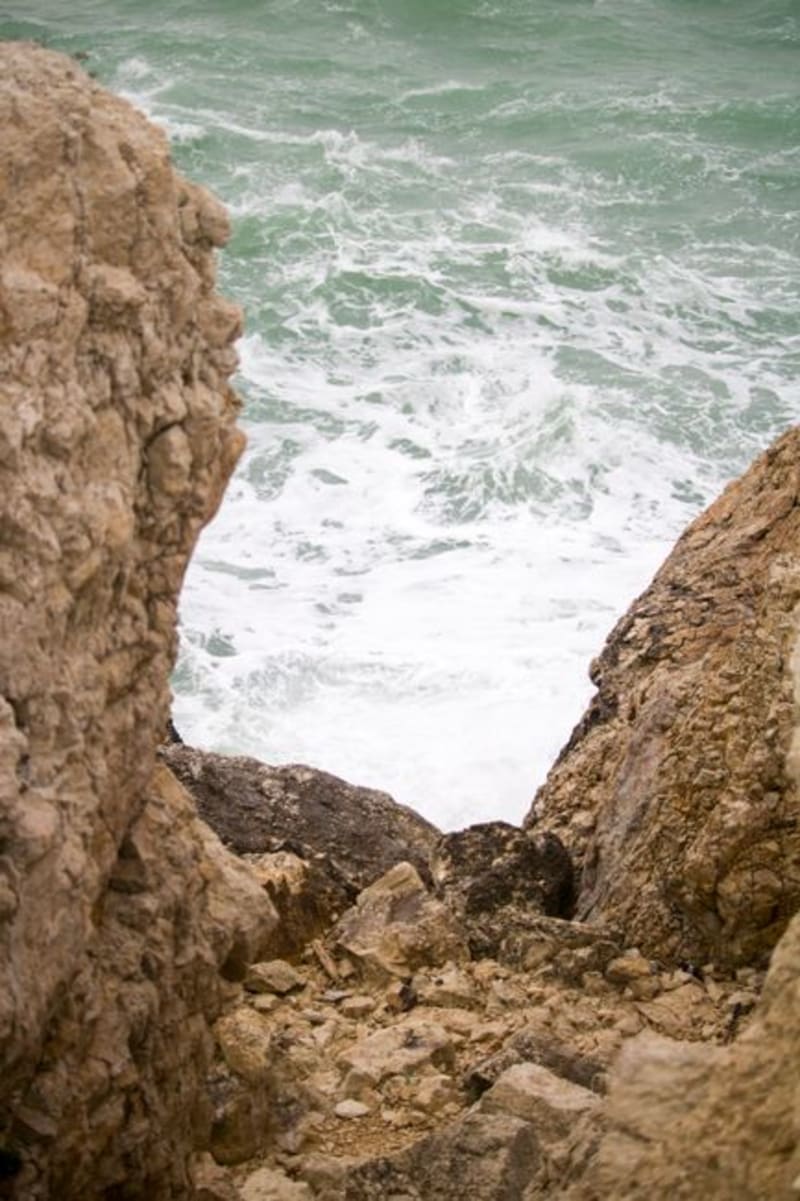
A cliffside fishing village on the Petite Côte where a Marian shrine draws pilgrims each May, a protected reserve of red laterite cliffs drops straight into the Atlantic, and almost nobody stops on their way further south.
Explore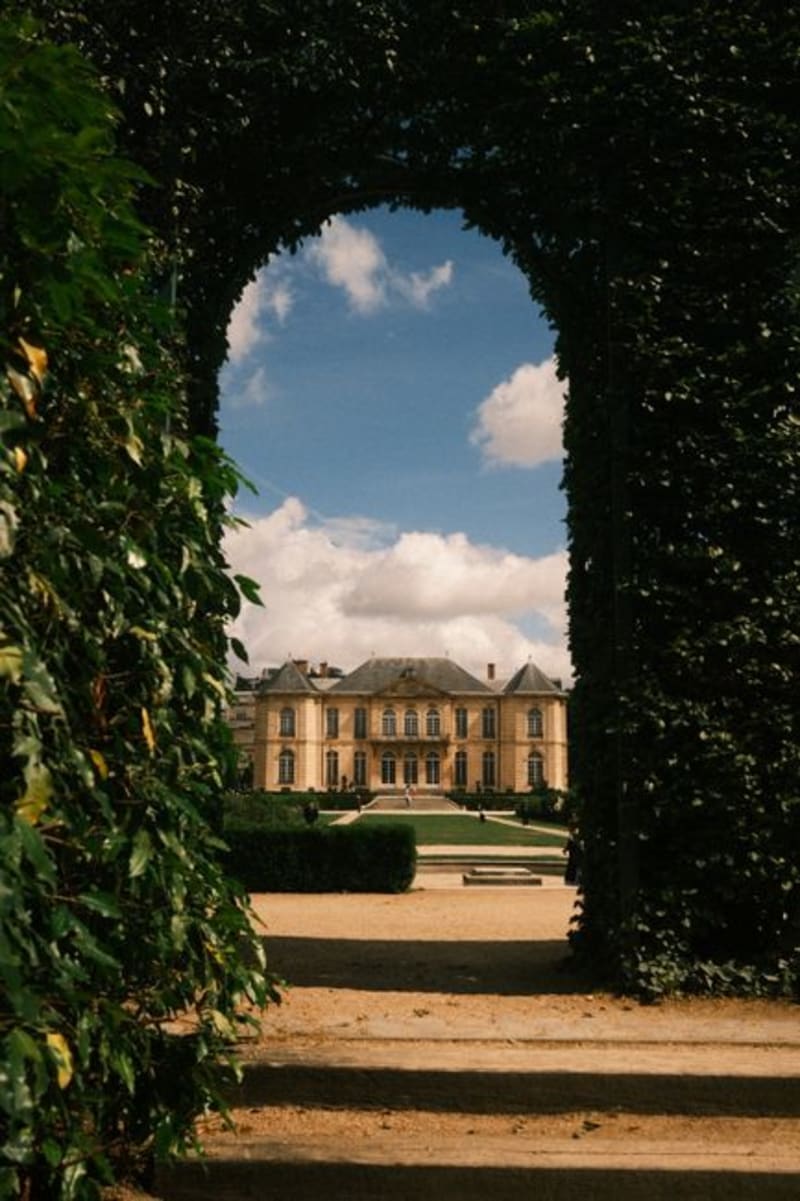 senegal
 Richard Toll
A sugar town on the Senegal River built around a nineteenth-century French agronomist's failed garden, where a fairy-tale château sits oddly among cane fields and the river runs wide and slow toward Mauritania.
Explore senegal
 Saint-Louis
A crumbling UNESCO island of faded French colonial grandeur, where pirogues crowd the river at every hour.
Explore senegal
 Sine-Saloum Delta
A labyrinth of mangrove channels and shell middens, where pelicans and fishermen share the same silver water.
Explore senegal
 Tambacounda
A dusty railway junction city in Senegal's eastern interior that almost everyone passes through and almost nobody stops in, though the market, the heat, and the old station tell you plenty if you give them an evening.
Explore senegal
 Thiès
Senegal's second city and its old railway heart, where colonial-era workshops now house tapestry weavers producing some of West Africa's finest woven art, and the trains that built the town still occasionally rattle past.
Explore