
Glencoe
"The valley doesn't let you forget. Even if you don't know the history, you can feel it."
A valley so brutally beautiful it feels like the earth is still angry about what happened here in 1692.

You enter Glencoe through a narrowing. The road from Rannoch Moor drops into the valley and suddenly the mountains are on both sides — the Three Sisters to the south, the Aonach Eagach ridge to the north — and they are close, much closer than mountain ridges usually are, and they hang over you with a quality that is less grandeur than pressure. I stopped at the first layby and got out into air that smelled of heather and wet stone and something faintly peaty, and I stood looking up at a world that seemed to have been arranged specifically to communicate scale to a single human standing at the bottom of it.
The massacre of 1692, when government troops killed thirty-eight members of the MacDonald clan in their beds in an act of political score-settling, is woven into the valley with a persistence that doesn’t fade. The National Trust for Scotland visitor centre at the valley entrance handles this history carefully, with a restraint that makes it land harder. You learn the numbers, the names, the cold political logic of it. Then you drive into the valley and look up at the same peaks those people looked up at, and the abstract becomes specific in an uncomfortable way.

The walking here is serious. The Aonach Eagach — the notched ridge that walls the northern side of the valley — is one of the most demanding ridge walks in Scotland, not technical climbing but exposed scrambling that requires clear weather and a good head for heights. I did a version of it on a day when the cloud was high and the rock dry, and spent most of it moving carefully along a crest barely wide enough for my boots, with the valley floor absurdly far below on one side and the corries on the other dropping away into shadow. I ate a cheese sandwich sitting on a pinnacle with my legs dangling. It tasted spectacular, the way food always does when you’ve earned it with your legs.
Below the ridges, the valley floor is crossed by the River Coe, and in autumn — which is when I came — the birch trees on the lower slopes turn gold and amber in a colour that seems to catch and hold the low Scottish light. The village of Glencoe itself is quiet and functional: a handful of houses, a pub with a fire, a signal box turned into a hostel. The Clachaig Inn, a few miles up the valley, is the traditional stopping point for climbers and walkers, and on a wet Saturday evening the boot room smells of damp wool and the bar smells of old beer and the conversation is almost exclusively about weather and routes.

I spent two nights and found the valley did something to my sleep — deep and strange, full of what felt like very old weather. Whether this is the altitude or the history or simply the absence of light pollution I can’t say. I left understanding, viscerally, why the Scots have the relationship to their landscape that they do. This valley has been doing things to people for a very long time.
When to go: September to November for autumn colour and thinner crowds. Winter offers the dramatic possibility of snow on the ridges but the passes can close. Spring is unpredictable and magnificent. Avoid the July–August peak season on the valley floor unless you are happy sharing your silence.
Keep exploring
More from Scotland
 scotland
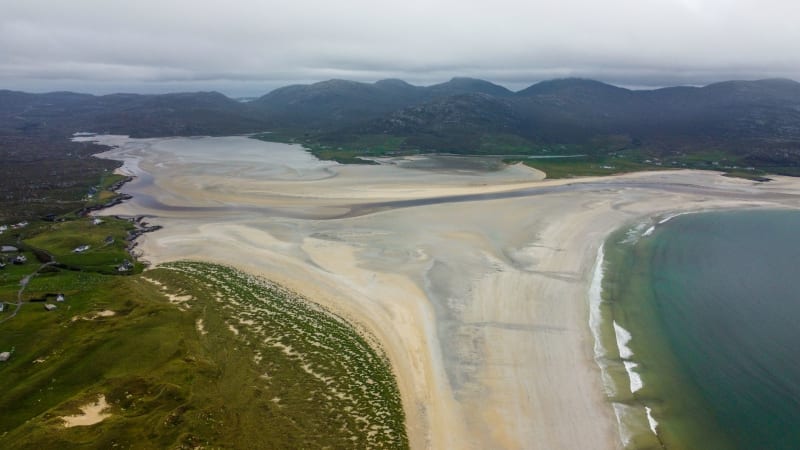
Isle of Harris
The Outer Hebrides island where turquoise Caribbean-looking beaches meet treeless peat moors and no one seems bothered by the contradiction.
Explore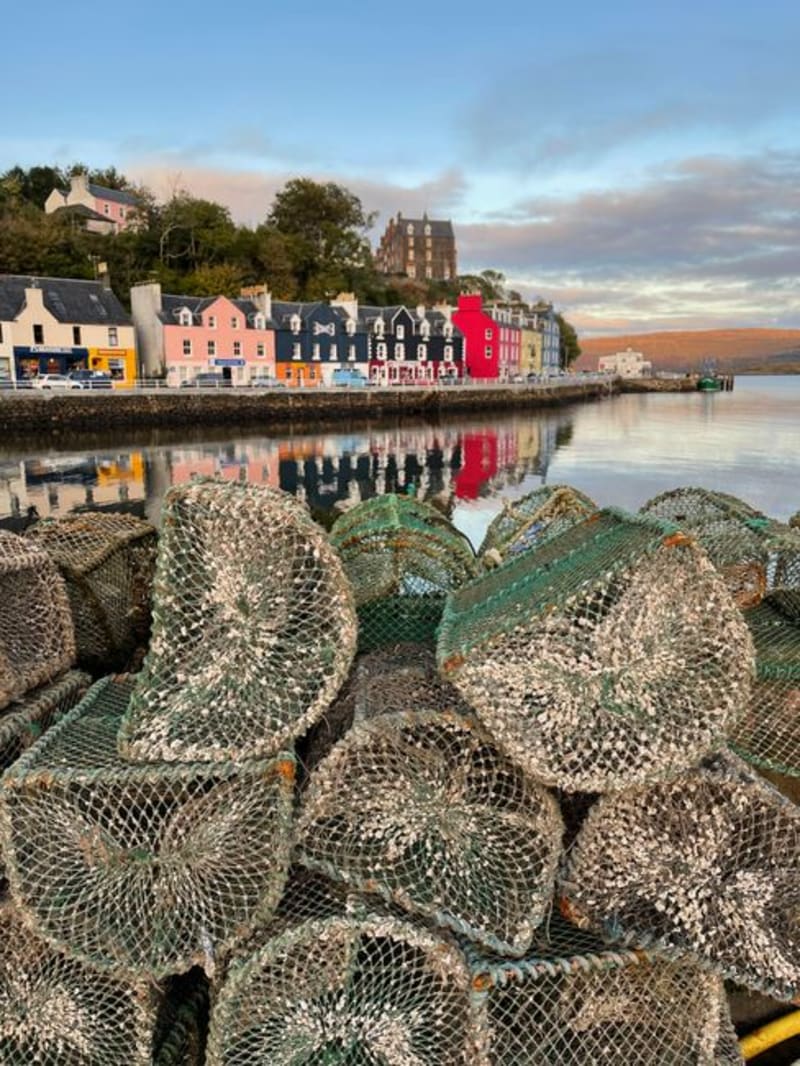 scotland
Isle of Mull
A wildly colorful harbor town, a castle guarding the Sound of Mull, and eagles wheeling overhead on Scotland's Inner Hebrides.
Explore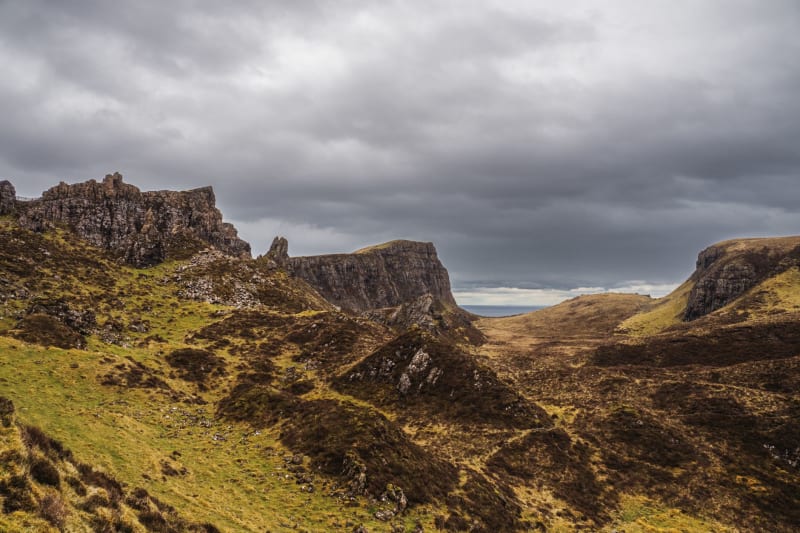 scotland
Isle of Skye
A Hebridean island where the geology is so violent and the light so strange it feels less like land than like a mood.
Explore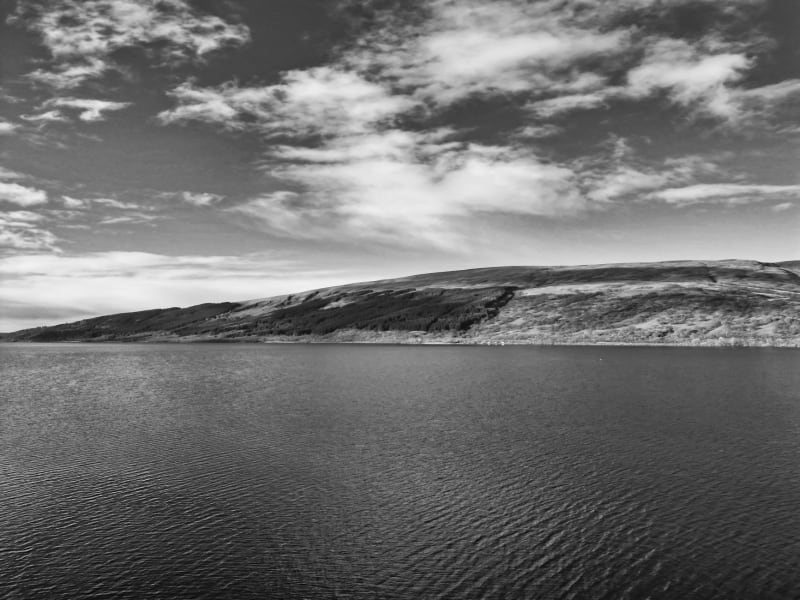 scotland
Loch Lomond
Scotland's largest loch and its most democratic landscape — serene enough for a Sunday morning canoe and wild enough to humble you by afternoon.
Explore scotland
Oban
A small west-coast port that punches well above its weight — seafood straight off the boats, a distillery in the middle of town, and ferries to islands most people never find.
Explore scotland
Orkney Islands
A windswept archipelago where Neolithic chambered tombs predate the pyramids and the light in June never quite surrenders to dark.
Explore