
Britain's largest national park, where the plateau sits high enough to feel genuinely arctic and ancient Caledonian pines glow orange in early morning light.

The Cairngorms are not dramatic in the way that Glencoe is dramatic. They don’t knife into the sky or frame themselves for photographs. They are high, rounded, and persistent — an arctic plateau in the middle of Britain that the last ice age sculpted into something that looks like it belongs further north and further east. The first time I drove through them, I couldn’t decide if I was underwhelmed or if I simply hadn’t understood the scale yet. By the second day, I understood the scale.
Britain’s largest national park covers over 4,600 square kilometers of montane plateau, ancient Caledonian forest, river valleys, and moorland. The summits above 1,000 meters have a subarctic climate — genuine subarctic, not a marketing term — and are home to species that exist nowhere else in Britain: dotterel, ptarmigan, snow bunting in winter, and mountain hare that turn white by November.
The Plateau
The best way to understand the Cairngorm plateau is to walk onto it and feel the wind. The approach from the ski car park at Cairn Gorm itself is efficient but crowded; the approach from anywhere else requires commitment. I came up from Glenmore through Coire an t-Sneachda, following the stream until the corrie walls closed in, then scrambling up to the plateau rim. At the top, the terrain flattens into a vast rolling high-ground that gives no obvious landmark and in cloud would become dangerous very quickly. In sun it is extraordinary — brown and russet and pale gold, the tundra plants pressed flat by centuries of wind, the horizon in every direction a gentle curve.
Cairn Gorm summit at 1,245 meters gives views to the sea on a clear day. More importantly, it gives the sensation of being genuinely above the weather, which in Scotland is a rare and hard-won feeling.
Forest and Wildlife
The old Caledonian pines in Rothiemurchus and the Abernethy Forest are not like other forests. They are open and park-like, the trees widely spaced and ancient and orange-barked, the floor carpeted in heather and bilberry. Red squirrels move in the canopy. Roe deer appear at dusk with a reliability that borders on theatrical. I spent two mornings walking in Rothiemurchus without any particular goal and found that the light through Scots pine in early morning — low, amber, slanting — is a specific quality I didn’t know I wanted until I had it.
Ospreys nest at Loch Garten in the Abernethy Forest from April through August, and there is a hide from which you can watch them on the nest. I am not generally someone who drives somewhere to watch a bird, but the osprey made me revise that position immediately.
Whisky Villages
The Spey Valley — Speyside — runs through the eastern Cairngorms and contains more whisky distilleries per square mile than anywhere on earth. Dufftown, Craigellachie, Aberlour, Rothes. Most distilleries offer tours but the more interesting exercise is to simply sit in a hotel bar in a small Speyside village and drink what they pour you without instructions. The water here is peat-filtered and cold and tastes directly of its landscape. That directness shows up in the whisky too — less smoke than Islay, more fruit, more precision, a clarity that suits the mountain rivers it comes from.
Aberlour village has a good distillery walk and a river walk along the Spey that is worth an afternoon even if you’re not chasing drams.
When to go: June and September are ideal — long days in June, heather color and lower crowds in September. The plateau is safely hikeable from May through October, though early June can still have snow on the summits. Winter skiing exists at Cairn Gorm but the ski area is modest; come for the landscape and the pine forest in frost, not the lifts. Avoid July and August school holidays if you want Rothiemurchus forest to feel remote.
Keep exploring
More from Scotland
 scotland
Edinburgh
A city built on two volcanic rocks and a millennium of drama, where every alley seems to hide a pub and a ghost.
Explore scotland
Eilean Donan Castle
A rebuilt medieval stronghold on its own tidal island where three sea lochs meet, connected to the mainland by a single stone footbridge.
Explore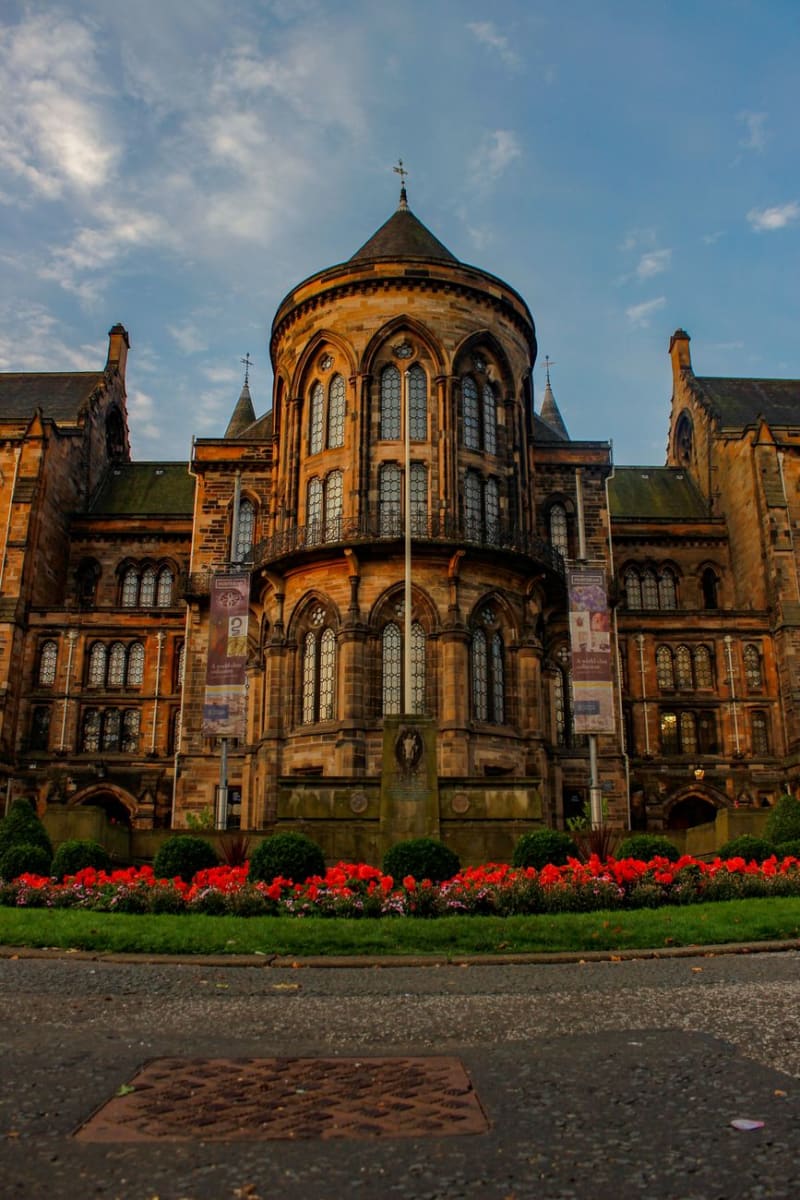 scotland
Glasgow
Scotland's biggest, loudest, friendliest city — Victorian sandstone, Mackintosh tearooms, and a music scene that doesn't stop for the rain, which is constant.
Explore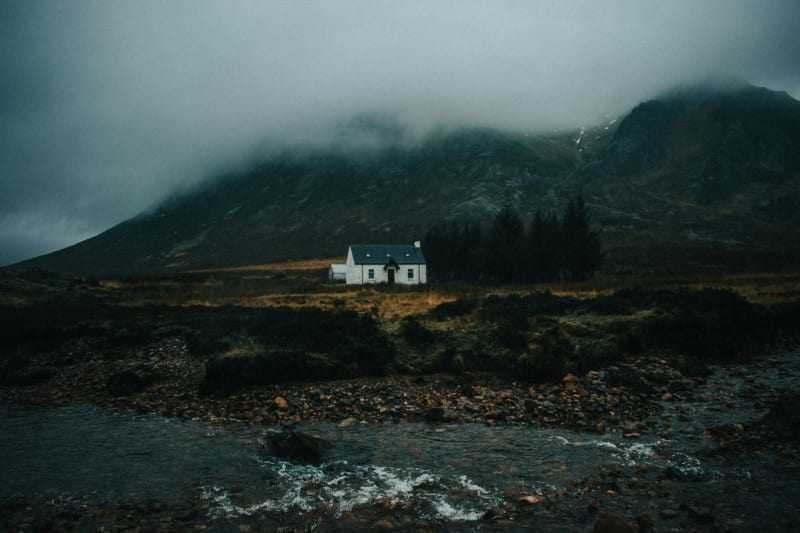 scotland
Glencoe
A valley so brutally beautiful it feels like the earth is still angry about what happened here in 1692.
Explore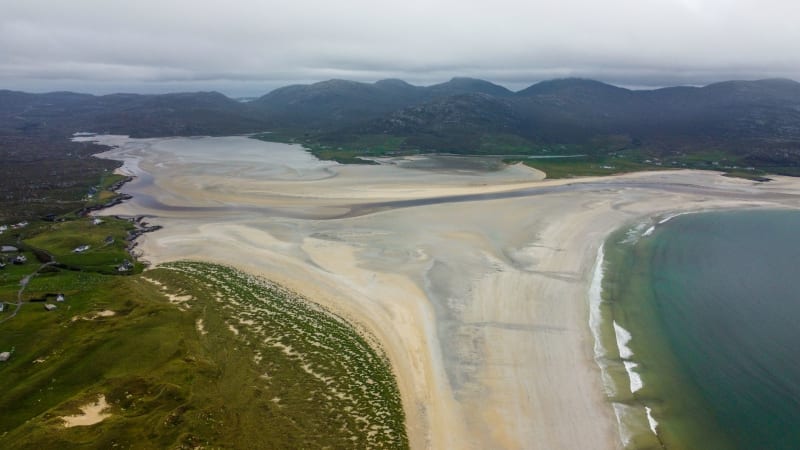 scotland
Isle of Harris
The Outer Hebrides island where turquoise Caribbean-looking beaches meet treeless peat moors and no one seems bothered by the contradiction.
Explore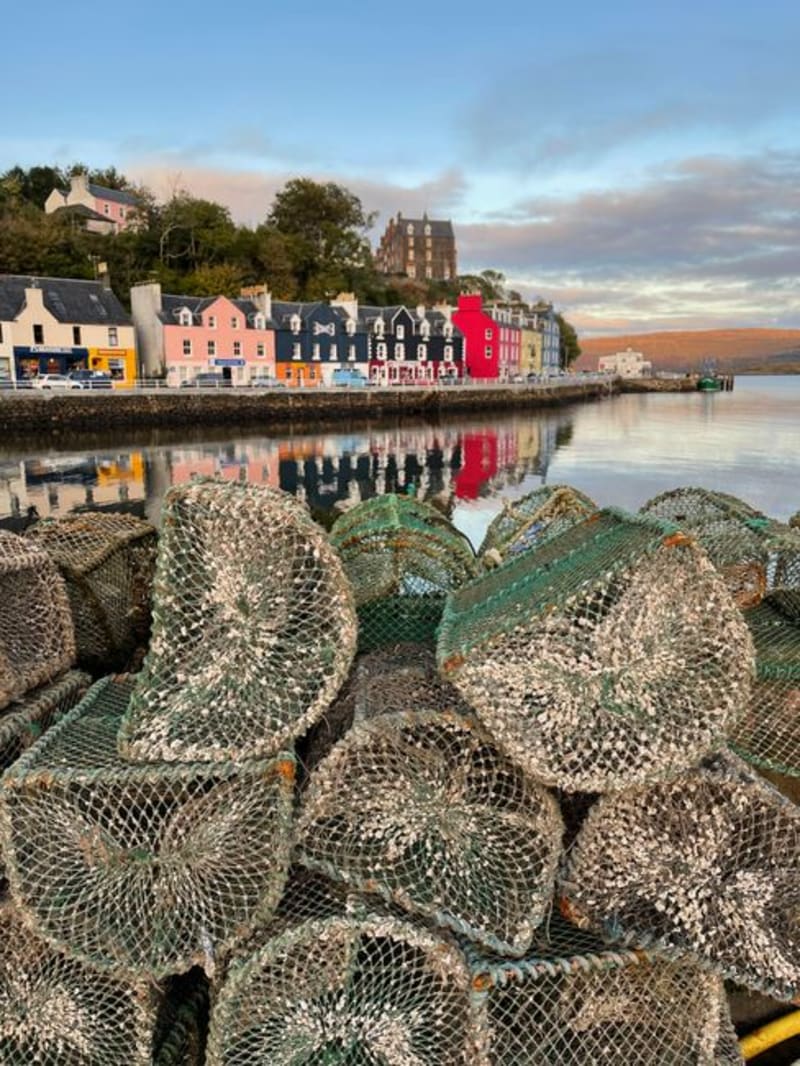 scotland
Isle of Mull
A wildly colorful harbor town, a castle guarding the Sound of Mull, and eagles wheeling overhead on Scotland's Inner Hebrides.
Explore