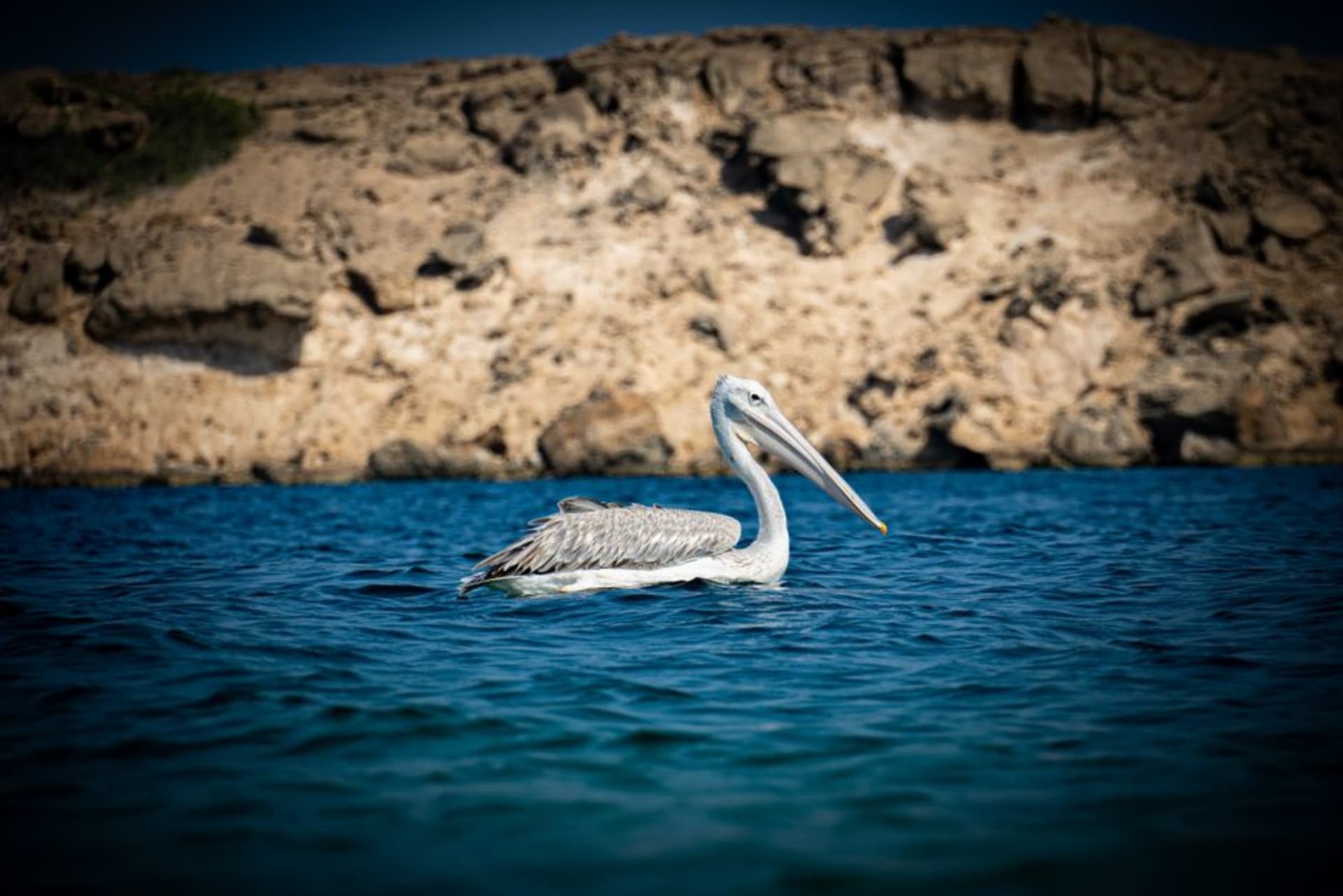
Farasan Islands
"Eighty-four islands and we barely met another traveler on any of them."
A scatter of 84 coral islands in the Red Sea where mangroves, gazelles, and Ottoman ruins sit in near-total silence.
I’ll admit I had no real idea what to expect from the Farasan Islands when the ferry pulled out of Jizan. Lia had found a grainy photo online of a collapsed coral-stone house with a fig tree growing through its roof, and that single image was basically our entire pitch to ourselves for coming. Two hours later we stepped off onto Farasan Al Kabir into a heat that felt thicker than anywhere else we’d been on the Red Sea coast, and a quiet that felt even thicker than the heat. No resorts, no tour buses, just a handful of fishermen mending nets on a dock and a stray cat asleep in the shade of a coral wall.
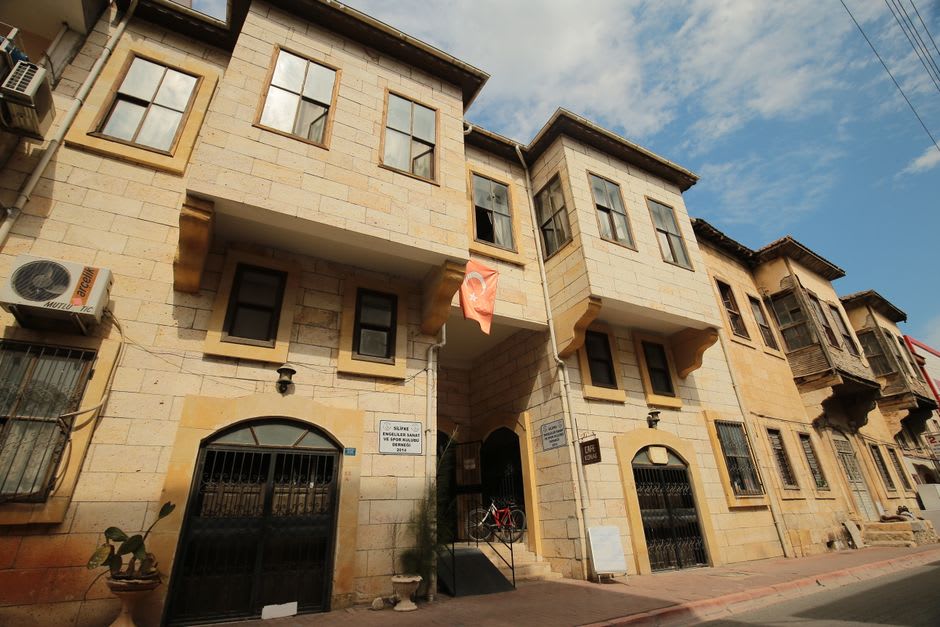
The old merchant quarter took us most of a morning to wander, and I mean wander in the literal sense — there’s no ticket booth, no roped-off path, just streets of 19th-century coral-stone houses left standing since the pearling trade collapsed. Some still have their carved wooden window screens intact, weathered grey and impossibly detailed for something nobody’s restored. I put my hand on one wall and the coral blocks were warm enough to feel like they’d been baking since sunrise, which they probably had.
What I wasn’t prepared for was the mangroves. Saudi Arabia doesn’t exactly market itself on wetlands, but Farasan holds the country’s largest mangrove stands, and we spent an entire afternoon drifting a rented boat through channels of them with a local guide named Suleiman who kept pointing out herons I couldn’t see until they moved. He told us, half-joking, that the Farasan gazelle — small, pale, found nowhere else on Earth — was harder to spot than the birds, and he was right; we caught only a flash of one crossing a scrubby clearing near dusk, ears up, gone before I could get my phone out.
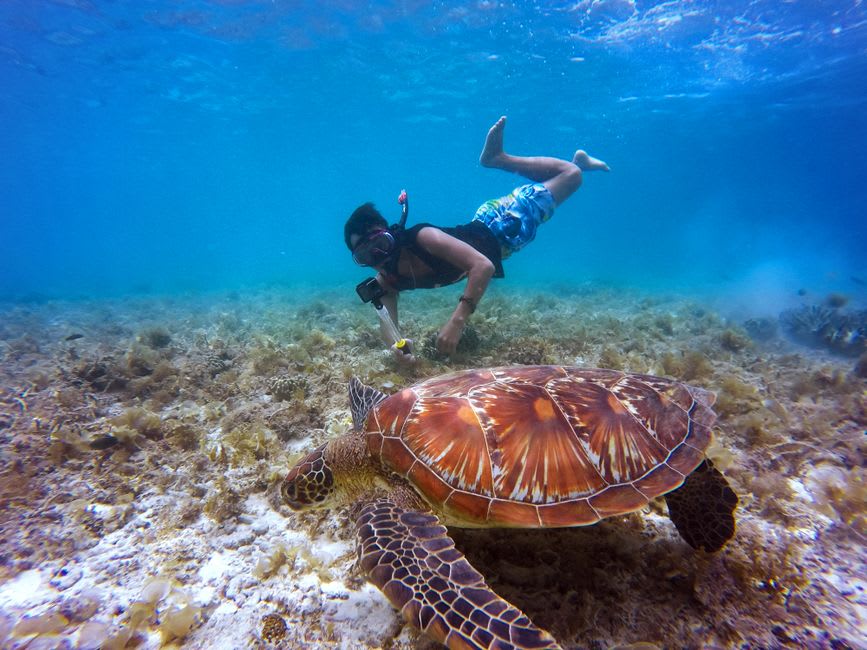
The reef diving is what stays with me most, though. Lia and I aren’t certified divers, so we snorkeled off a beach near the old fort instead, and the coral there was healthier than I expected given how little protection this whole stretch of the Red Sea gets elsewhere. A green sea turtle surfaced maybe four meters from us, took one look, and went back down like we’d interrupted something important. The islands were made a protected area back in the 1990s specifically for reefs and turtle nesting sites like that one, and floating there watching it disappear into the blue, I understood exactly why.
When to go: aim for October through April — we went in November and were grateful for it, because locals told us the summer humidity down in Jazan Province turns the islands into a sauna that even the sea breeze can’t cut through.