Fordongianus
"I dipped a hand into water that was scalding two thousand years ago and is scalding today. Some things just don't need fixing."
A small inland town built around Roman thermal baths where hot spring water still pours into the river at 54 degrees, exactly where it has for two thousand years.
Fordongianus sits on the Tirso river in central Sardinia’s Barigadu district, and its Roman name, Forum Traiani, tells you most of what you need to know: this was a spa town under the empire, built specifically around a natural hot spring that still pours out of the ground today at a genuinely startling 54 degrees Celsius, essentially unchanged since Roman engineers first channeled it into bathing pools two millennia ago.
Bathing Pools That Never Stopped
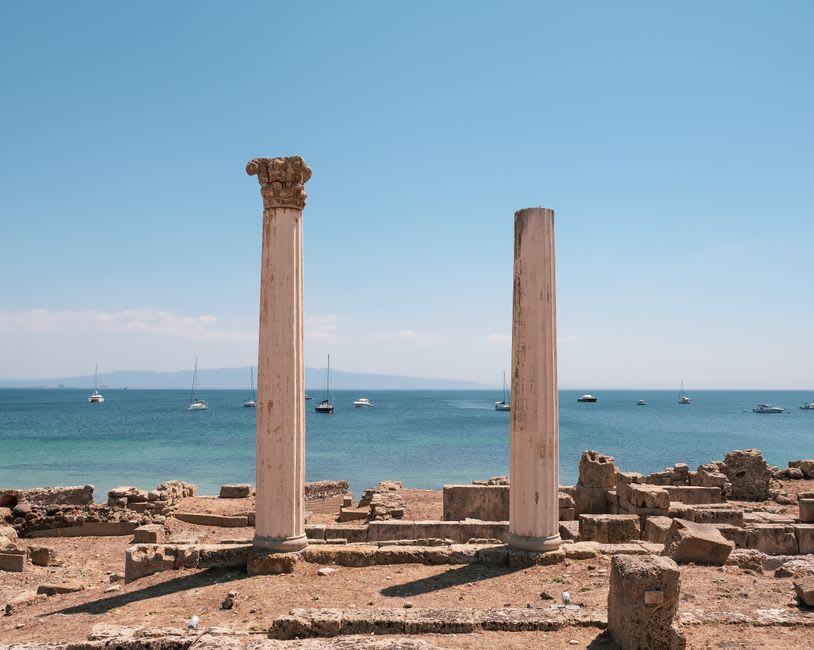
The excavated remains of the Roman baths sit right beside the modern road, their basalt-block walls and channeled pools laid out clearly enough that you can trace the original bathing circuit — cold room, warm room, hot room — through structures that have survived remarkably intact for their age. What struck me most wasn’t the archaeology itself but the water: it still flows, at the same temperature, into the same stone channels, some of which locals have informally adapted into small pools where you can dip a foot, or in my case an entire forearm, into water that felt genuinely dangerous within a few seconds.
The Casa Aragonese Above the River
A steep, narrow lane climbs from the baths to the Casa Aragonese, a fortified medieval house perched on a rocky spur above the Tirso, its position clearly chosen for defense and its views across the river valley genuinely worth the climb regardless. From the terrace, the whole layout of Fordongianus resolves at once: the modern village, the excavated baths below, and the river curving through a landscape of cork oak and olive groves that felt distinctly more continental than the coastal Sardinia I’d spent most of the trip in.
A Town That Still Uses Its Water
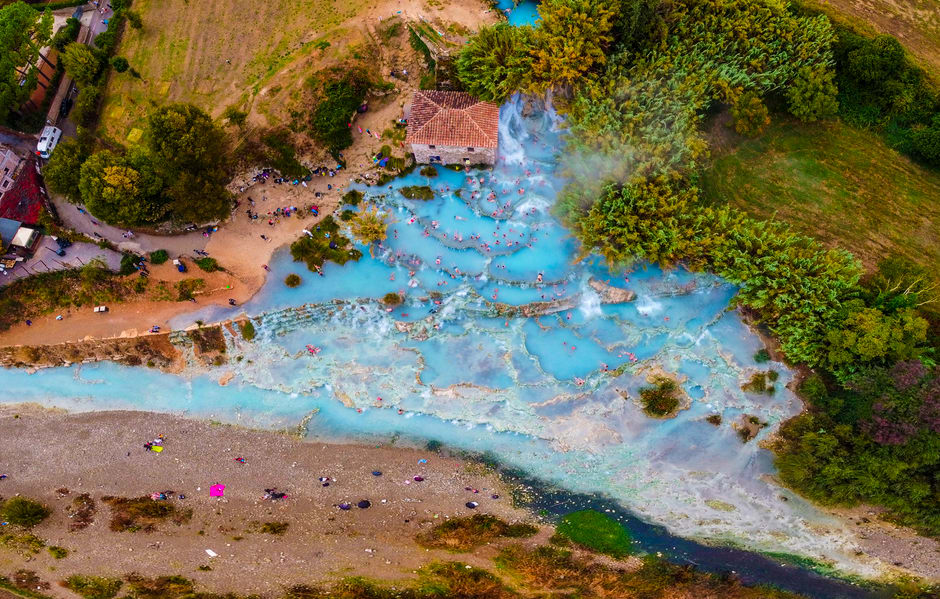
Unlike many archaeological sites that feel sealed off from ordinary life, Fordongianus’s hot spring remains genuinely part of the town’s daily rhythm — I watched an elderly woman doing laundry in a stone basin fed by the runoff, a practice, I was told, that goes back generations and shows no sign of stopping just because archaeologists have taken an interest in the water’s Roman plumbing. A small spa hotel nearby has more recently begun bottling and channeling the spring formally, but the informal, in-town version felt like the more honest way to experience it.
When to go: Any season works, since the spring’s temperature never changes, but spring and autumn make the walk between the baths and the Casa Aragonese far more comfortable than the peak of summer.
Keep exploring
More from Sardinia
 sardinia
 Gennargentu National Park
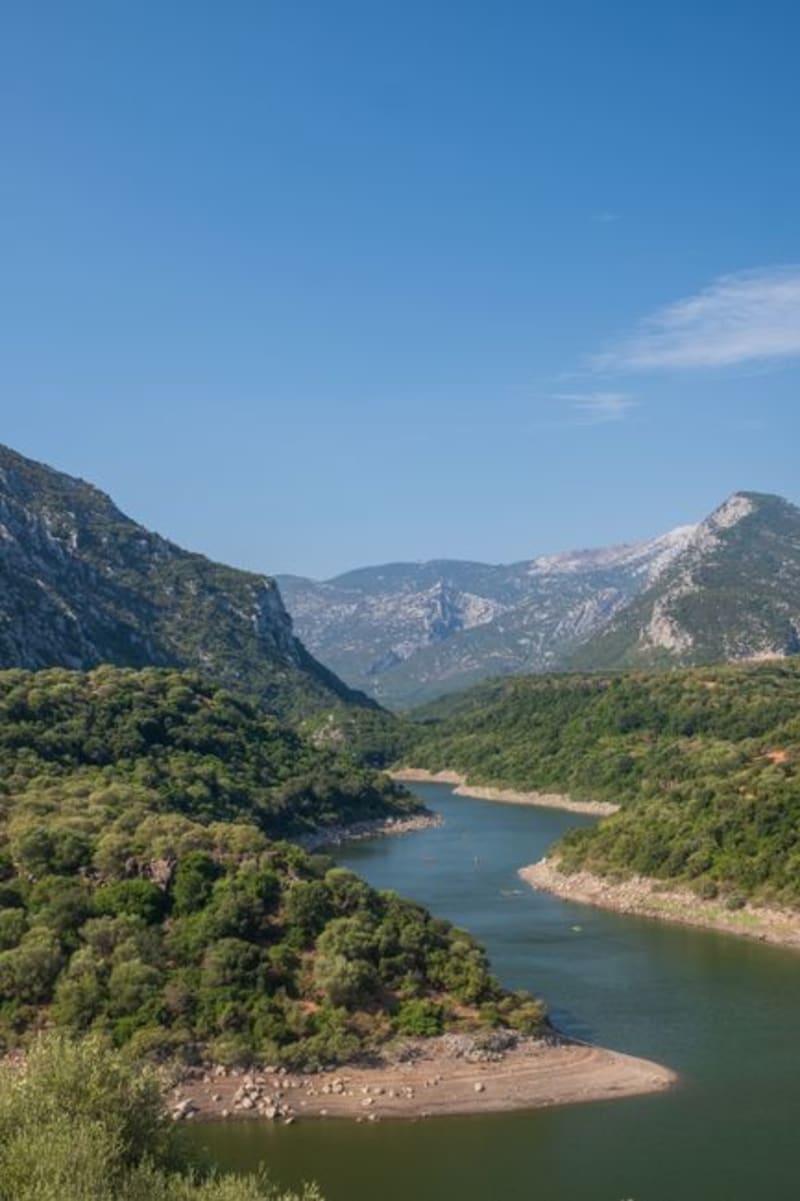
Sardinia's mountainous heart, where wild horses graze granite ridges above the treeline and shepherds still move flocks the way their families have for centuries.
Explore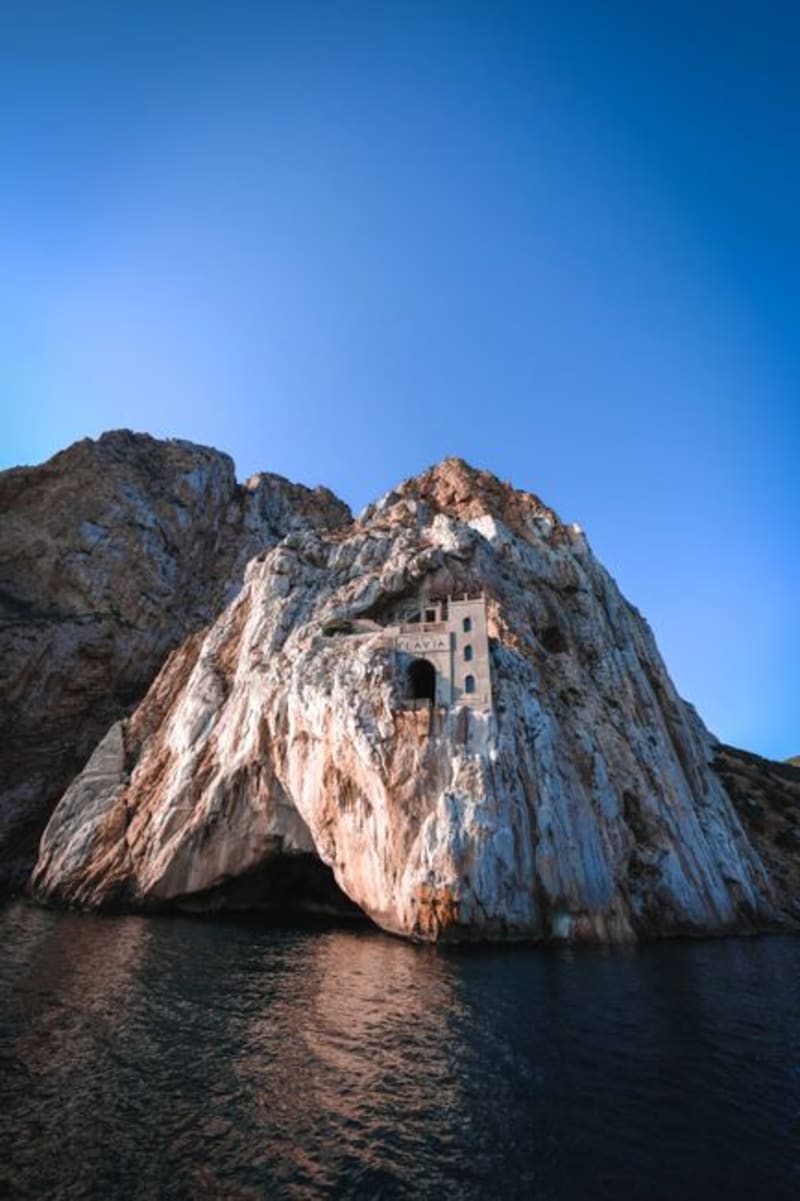 sardinia
 Iglesias
A former mining capital in Sardinia's southwest, where abandoned pit head towers stand over a landscape of lead, zinc, and silver seams that built the town and then quietly left it behind.
Explore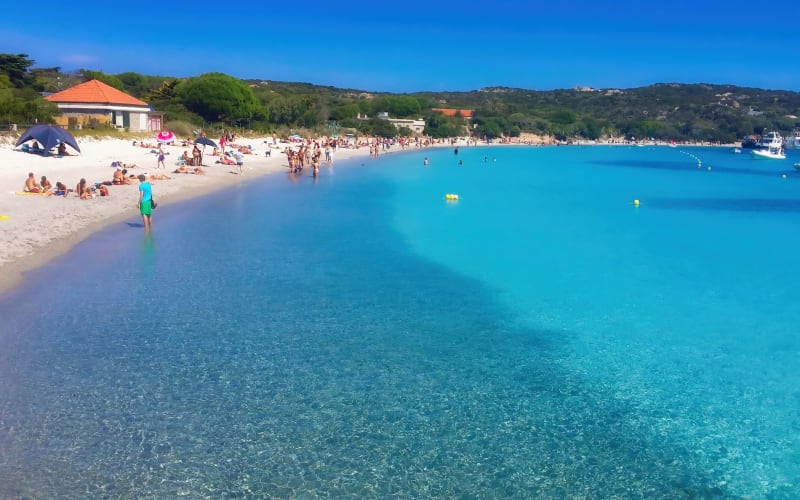 sardinia
 La Maddalena
A pink granite archipelago off Sardinia's northeastern tip where fourteen islands of sculpted rock and improbable water sit inside a national park that Garibaldi once called home.
Explore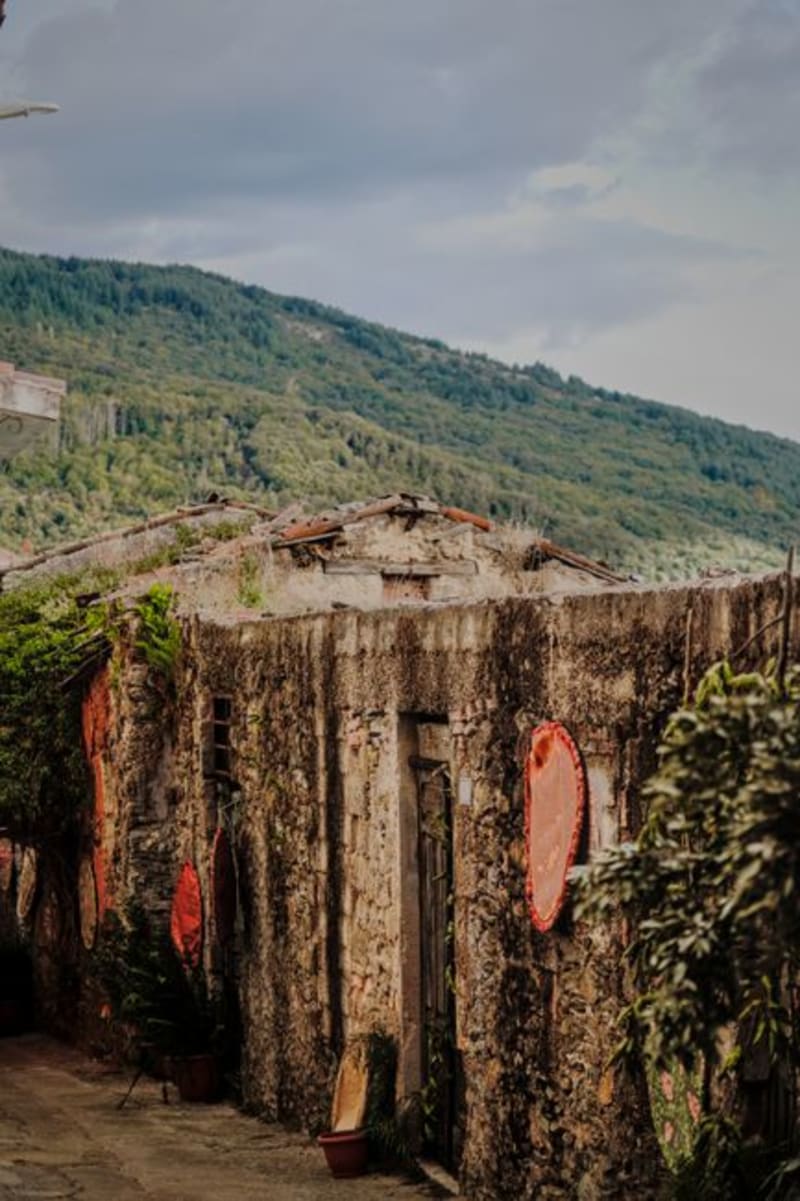 sardinia
 Mamoiada
A Barbagia village whose entire identity centers on the Mamuthones, dark wooden masks and heavy cowbells worn in a carnival ritual whose origins nobody can fully explain.
Explore sardinia
 Nora
A Phoenician-Roman city slowly being reclaimed by the sea near Pula, where mosaic floors run right up to the waterline and a Roman theater still faces the water it was built to overlook.
Explore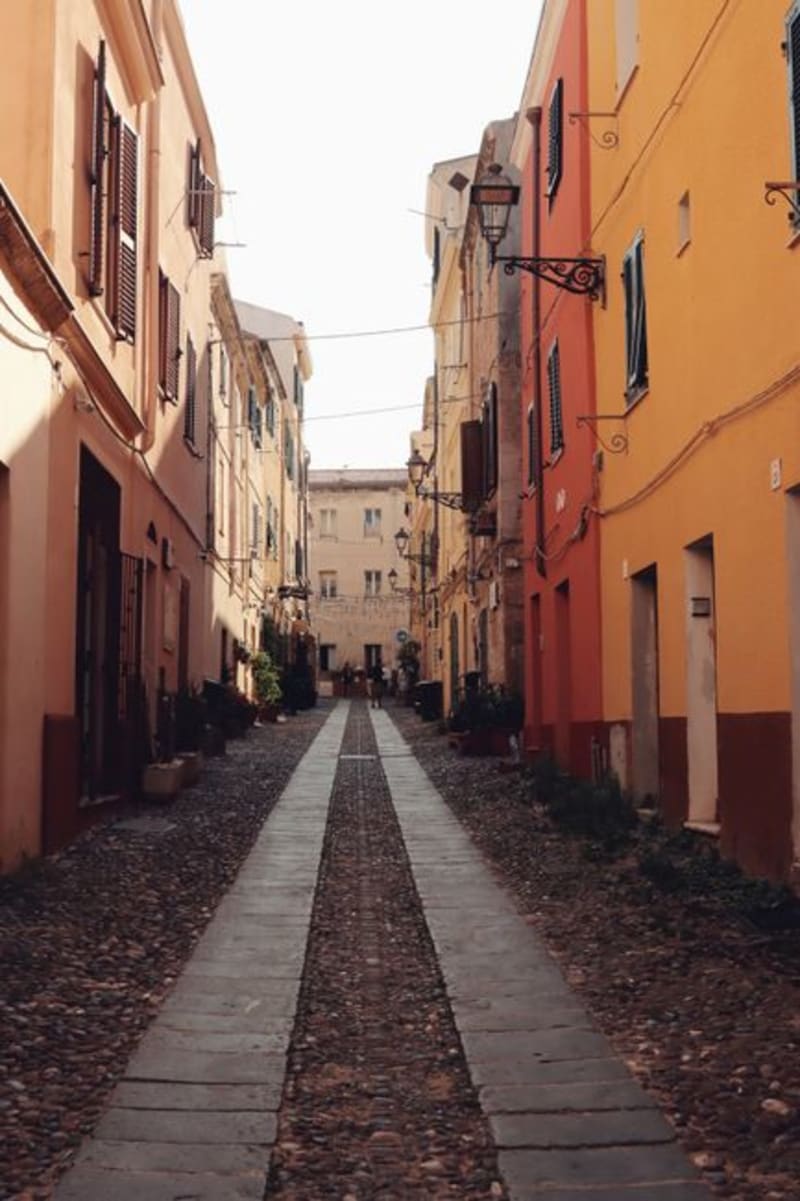 sardinia
 Nuoro
A mountain town beneath Monte Ortobene that produced more of Sardinia's great writers than any other, and still feels more concerned with literature than with tourists.
Explore