Carloforte
"The menu had cascà next to malloreddus, and the waiter explained both like they were equally, obviously Sardinian."
A Ligurian-speaking fishing town on San Pietro Island where Genoese settlers who'd first colonized Tunisia brought couscous into Sardinian cooking and never quite let go of either homeland.
Carloforte, the only town on San Pietro Island off Sardinia’s southwest coast, has one of the more improbable backstories on the entire island: settled in 1738 by Ligurian families who had themselves emigrated generations earlier to the Tunisian island of Tabarka, brought over by the King of Sardinia specifically to found a fishing colony here. The result, three centuries on, is a town that speaks its own dialect — tabarchino, closer to Genoese than to Sardinian — and cooks a cuisine that folds North African technique directly into an Italian island’s food culture.
Couscous on a Sardinian Menu
The clearest evidence of this layered history shows up on the dinner table: cascà, a Tabarkin couscous dish built with a rich vegetable and fish broth, sits on local menus beside standard Sardinian fare without anyone treating the combination as unusual. I ate a version of it at a harborside restaurant with a view of moored fishing boats, the semolina steamed properly light and fluffy, ladled over with a broth thick with local vegetables and a piece of grilled fish on the side — genuinely one of the more surprising meals I’ve had anywhere in Italy.
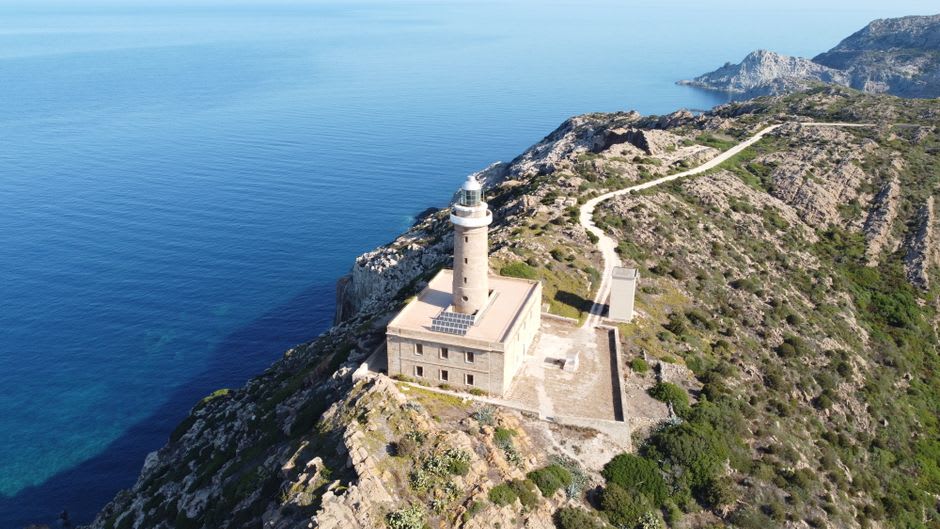
A Harbor Built for Tuna
Carloforte’s fortunes were built for two centuries on tuna, and the mattanza — the traditional, brutal tuna-trapping ritual practiced here well into recent decades — still shapes the town’s identity even as the industry itself has faded. The harborfront is lined with tall, narrow, brightly painted houses in ochre and rose and pale blue, a Ligurian architectural signature transplanted wholesale onto a Sardinian island, and in the early evening the whole waterfront fills with a slow procession of locals for the passeggiata, many still speaking tabarchino to each other in passing.
The Rest of the Island
Beyond the town, San Pietro’s coastline turns wild fast — volcanic rock formations at Punta delle Colonne, low scrub inhabited by one of the world’s few colonies of Eleonora’s falcons, and quiet coves reachable mostly by scooter along narrow roads. I rented one for an afternoon and got happily lost along the island’s western edge, stopping at a nameless cove where the water ran a deep, clean blue over black volcanic sand.
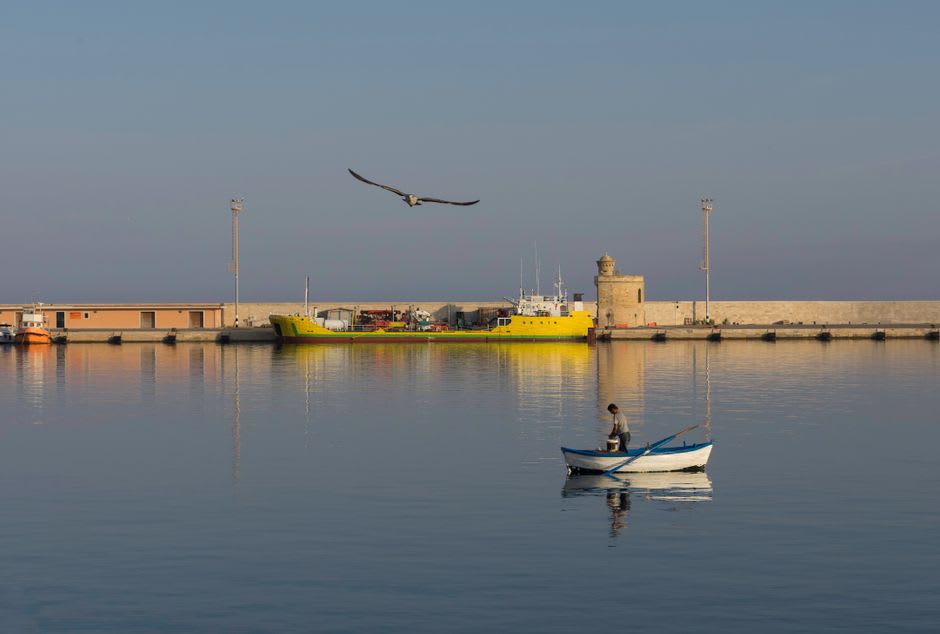
When to go: The ferry from Portovesme or Calasetta runs year-round; late spring and September offer the calmest crossings and the best chance at a table for cascà without a wait. Falcon-watchers should aim for spring, during the Eleonora’s falcon nesting season.
Keep exploring
More from Sardinia
 sardinia
 Castelsardo
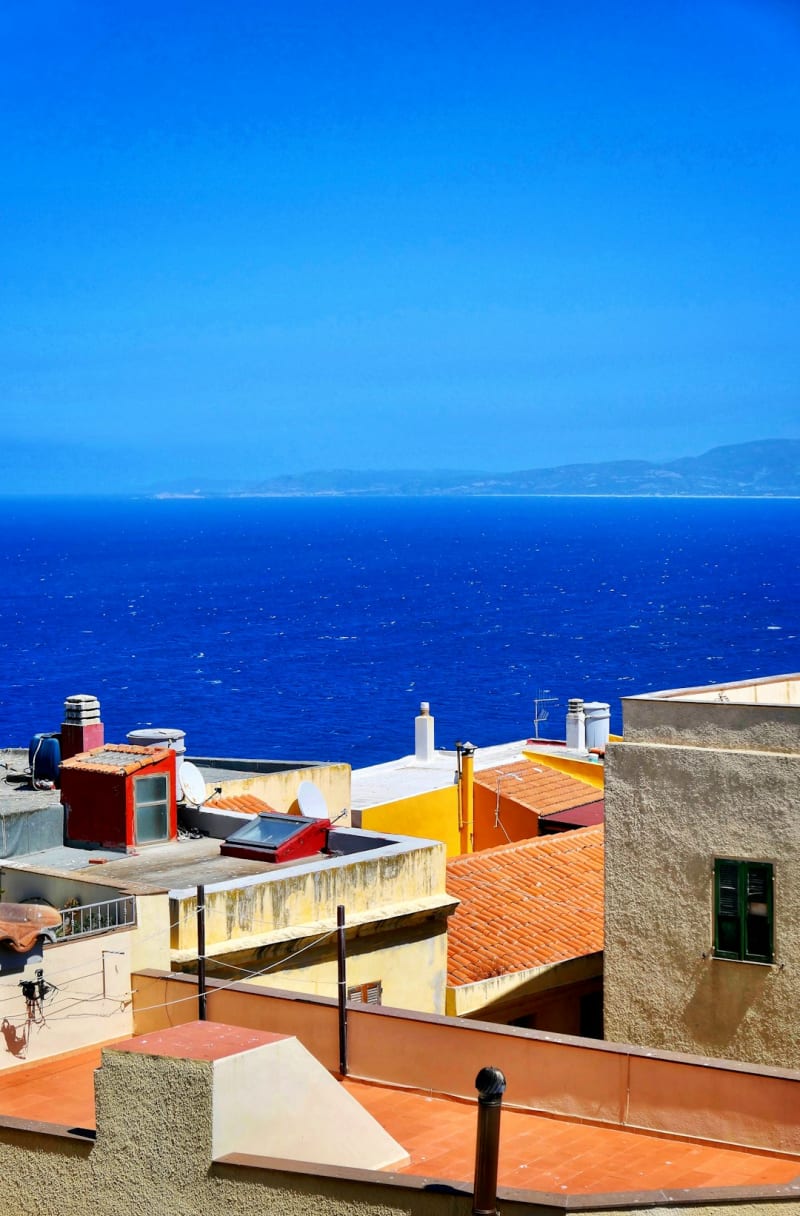
A fortified hilltop town on Sardinia's north coast where a Doria castle crowns a cluster of pastel houses and the women in the doorways still weave baskets from dwarf palm the way their grandmothers did.
Explore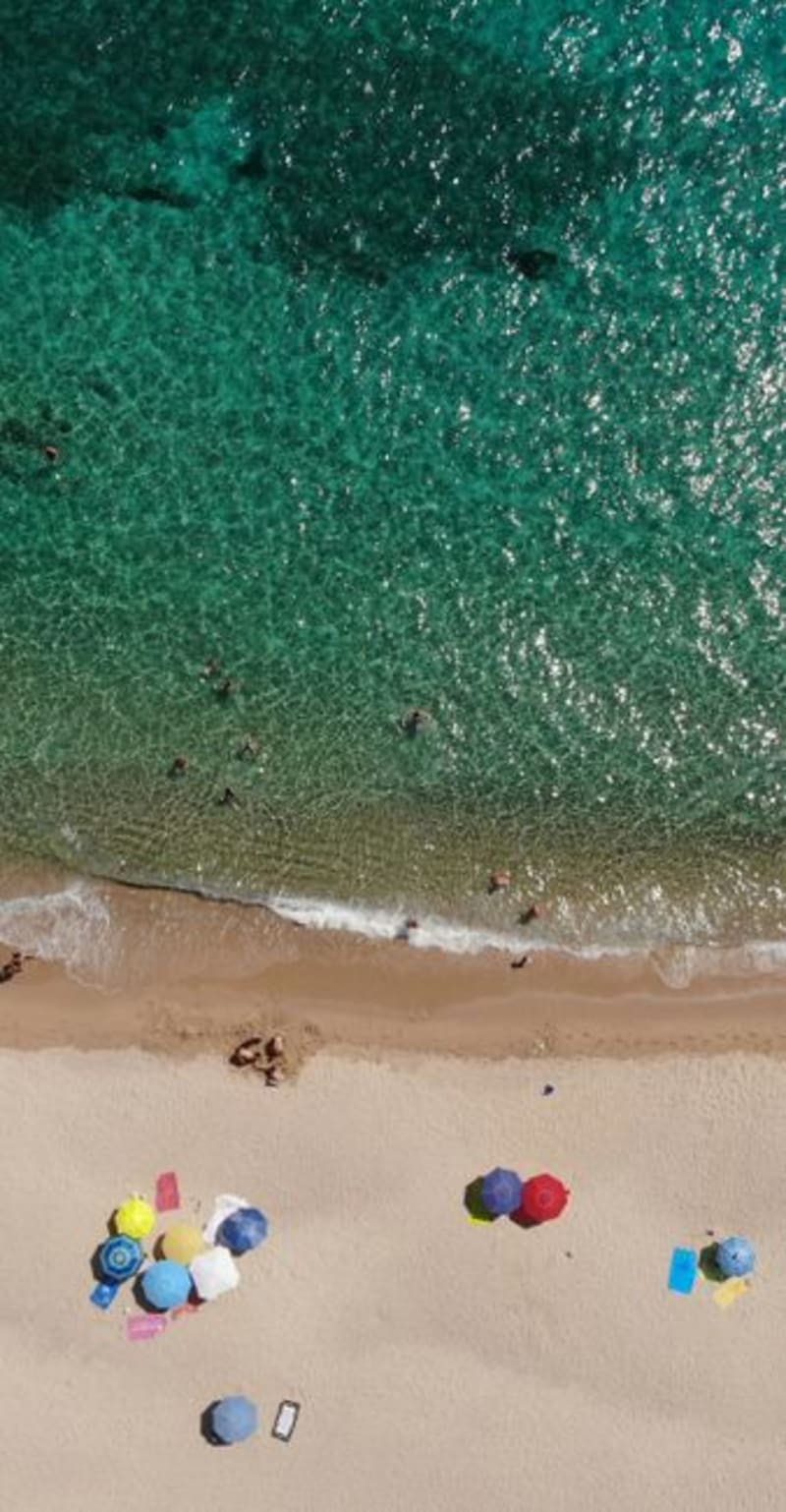 sardinia
 Chia
A stretch of dune-backed beaches on Sardinia's southwest coast where a Spanish watchtower guards sand so fine the wind builds it into small moving hills.
Explore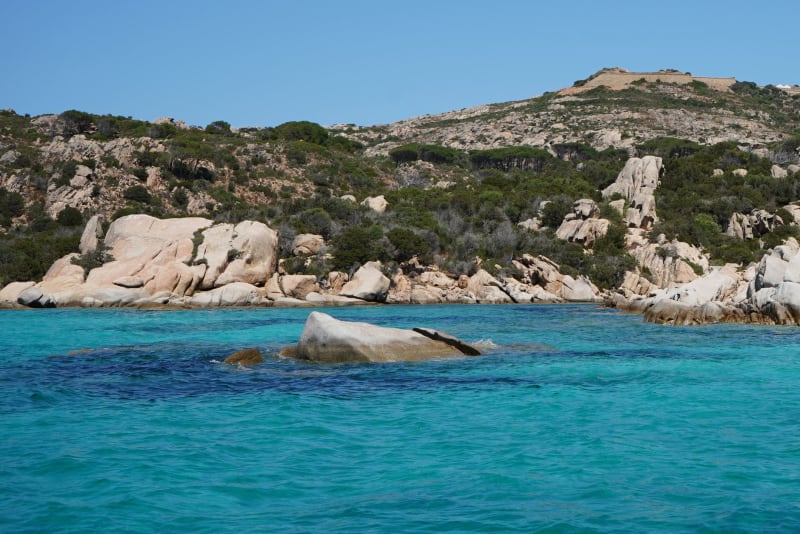 sardinia
 Costa Smeralda
Forty kilometers of granite coastline where the water turns colors that seem engineered rather than natural, if you can get past the yachts.
Explore sardinia
 Fordongianus
A small inland town built around Roman thermal baths where hot spring water still pours into the river at 54 degrees, exactly where it has for two thousand years.
Explore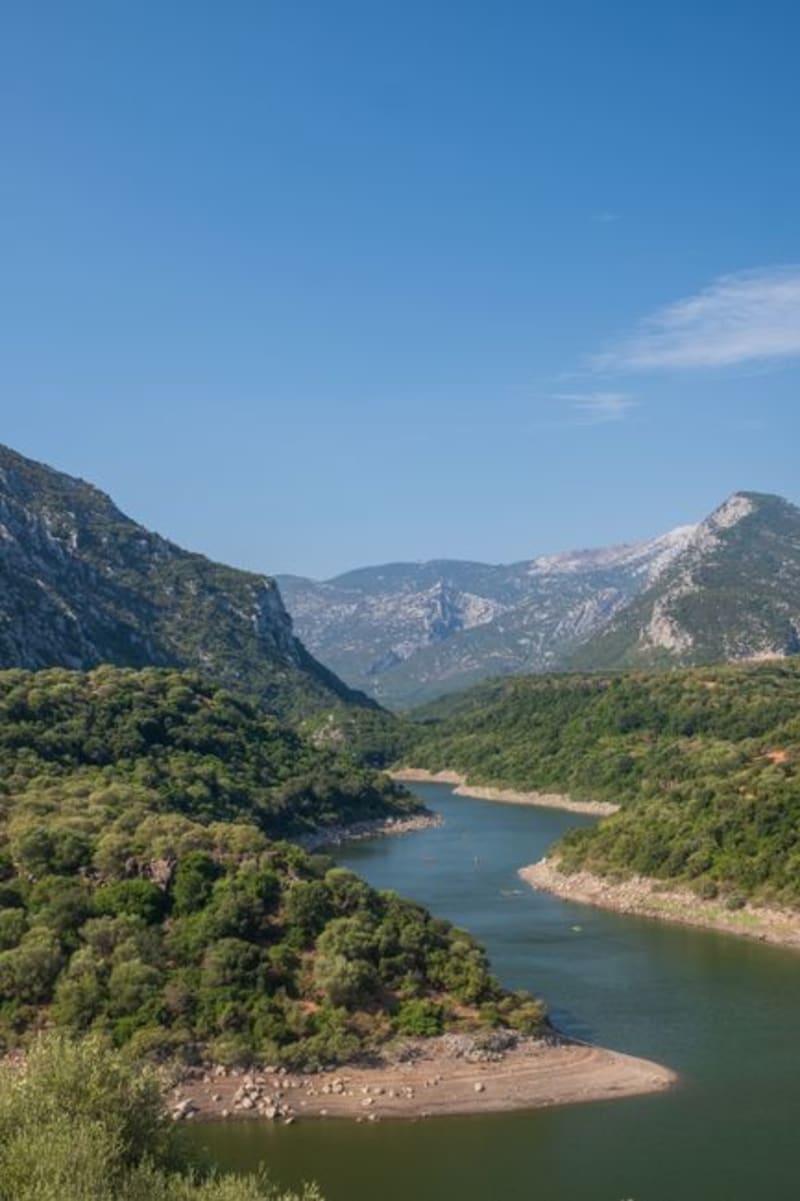 sardinia
 Gennargentu National Park
Sardinia's mountainous heart, where wild horses graze granite ridges above the treeline and shepherds still move flocks the way their families have for centuries.
Explore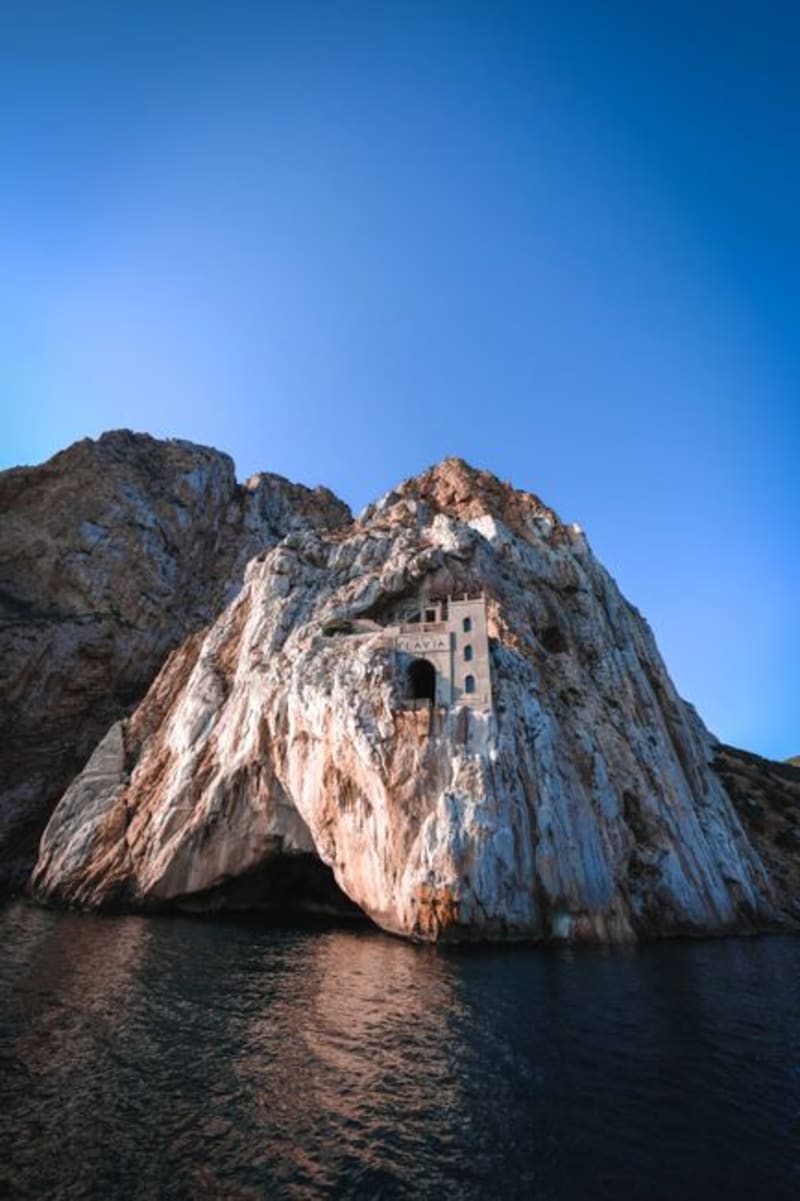 sardinia
 Iglesias
A former mining capital in Sardinia's southwest, where abandoned pit head towers stand over a landscape of lead, zinc, and silver seams that built the town and then quietly left it behind.
Explore