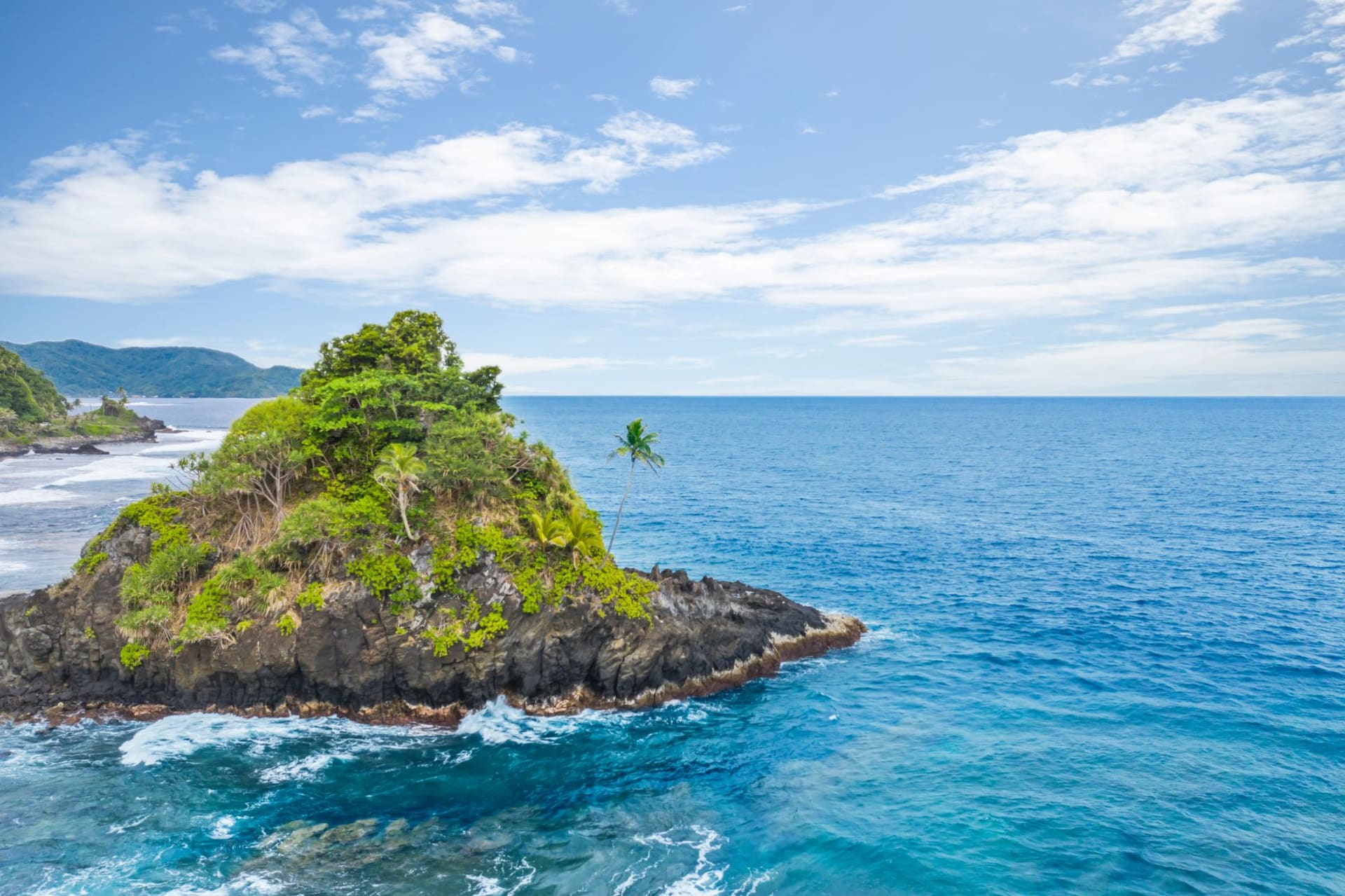
To Sua Ocean Trench
"The ladder drops you into a color of water that shouldn't exist at this latitude."
The first thing you notice is the garden. The family that maintains To Sua has planted the approach in a way that feels less like landscaping and more like tenderness — taro, banana, frangipani, the low ground cover that Samoans call paogo. You pay your entry fee to a woman sitting in the shade of a breadfruit tree, and then you walk out to the edge of the rock and look down. The trench opens below you like something that has no business being here: a circular pool maybe fifteen meters across, walled in on all sides by black volcanic rock draped in fern and vine, and at the bottom of it a color of water that I can only describe as what happens when turquoise decides to be completely serious about itself. The wooden ladder bolted to the rock face is long — I counted the rungs going down, lost count somewhere around twenty — and when you finally slip into the water it is cool in a way that makes the heat of the walk out feel like it was worth it specifically for this moment.
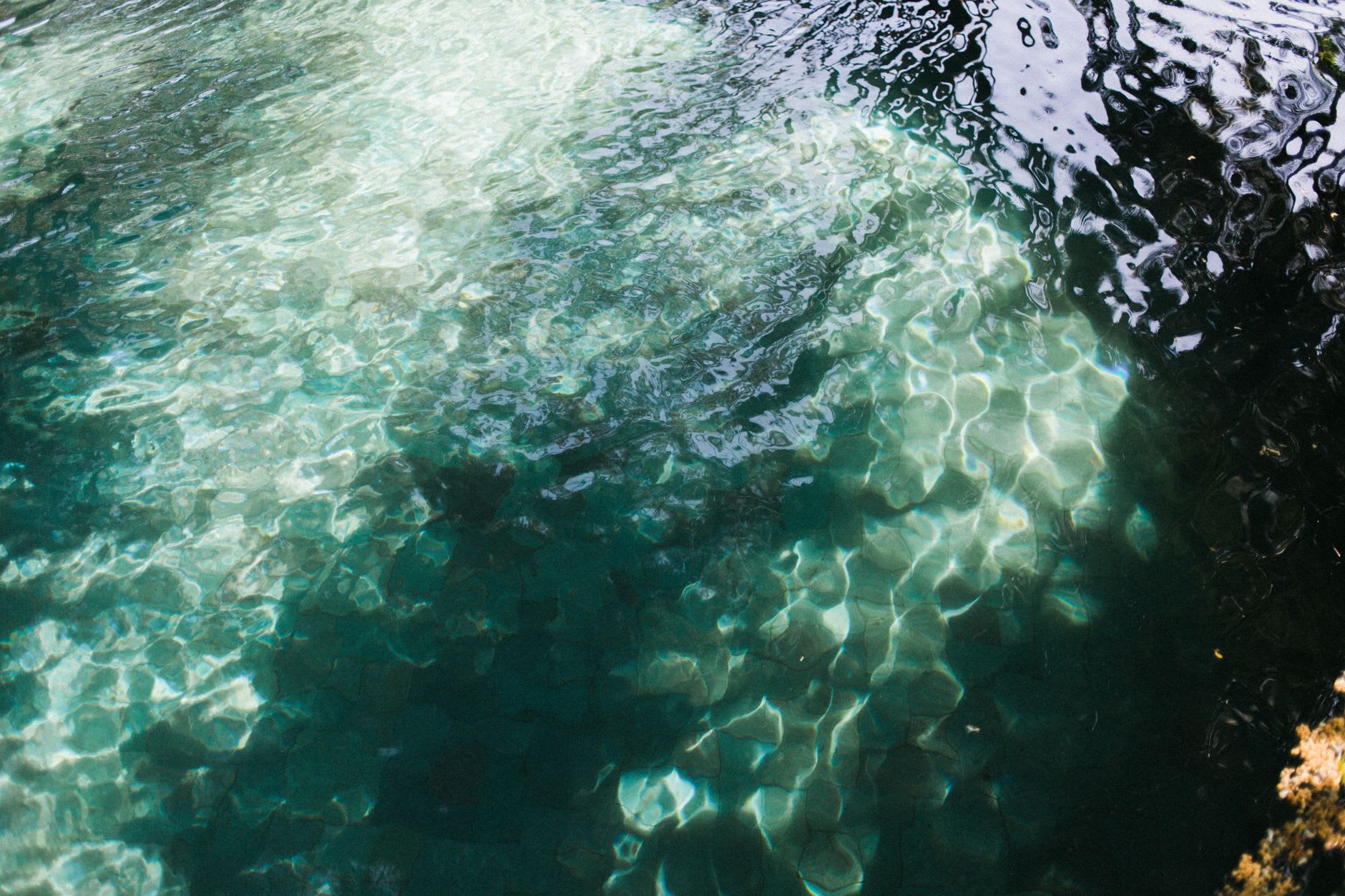
The pool connects to the open sea through a lava tube at its base. At low tide, with the right swell conditions, you can swim through the tube and emerge on the ocean side — I watched a teenage boy do it three times with the practiced ease of someone who has grown up treating this as an ordinary swimming hole, which for him it is. For me it carried the full weight of novelty: the darkness of the tube, the pressure change as a wave moved through, and then the blinding brilliance of the open Pacific on the other side. I didn’t manage it myself. The current through the tube felt like a living thing, and I had enough respect for it to stay in the trench and float on my back instead, watching the clouds move across the circle of sky above me. The volcanic walls are textured like coral, and small crabs move through the fissures. It smells of salt and wet stone and something faintly green, the way all tropical coast eventually smells when the vegetation presses close enough.
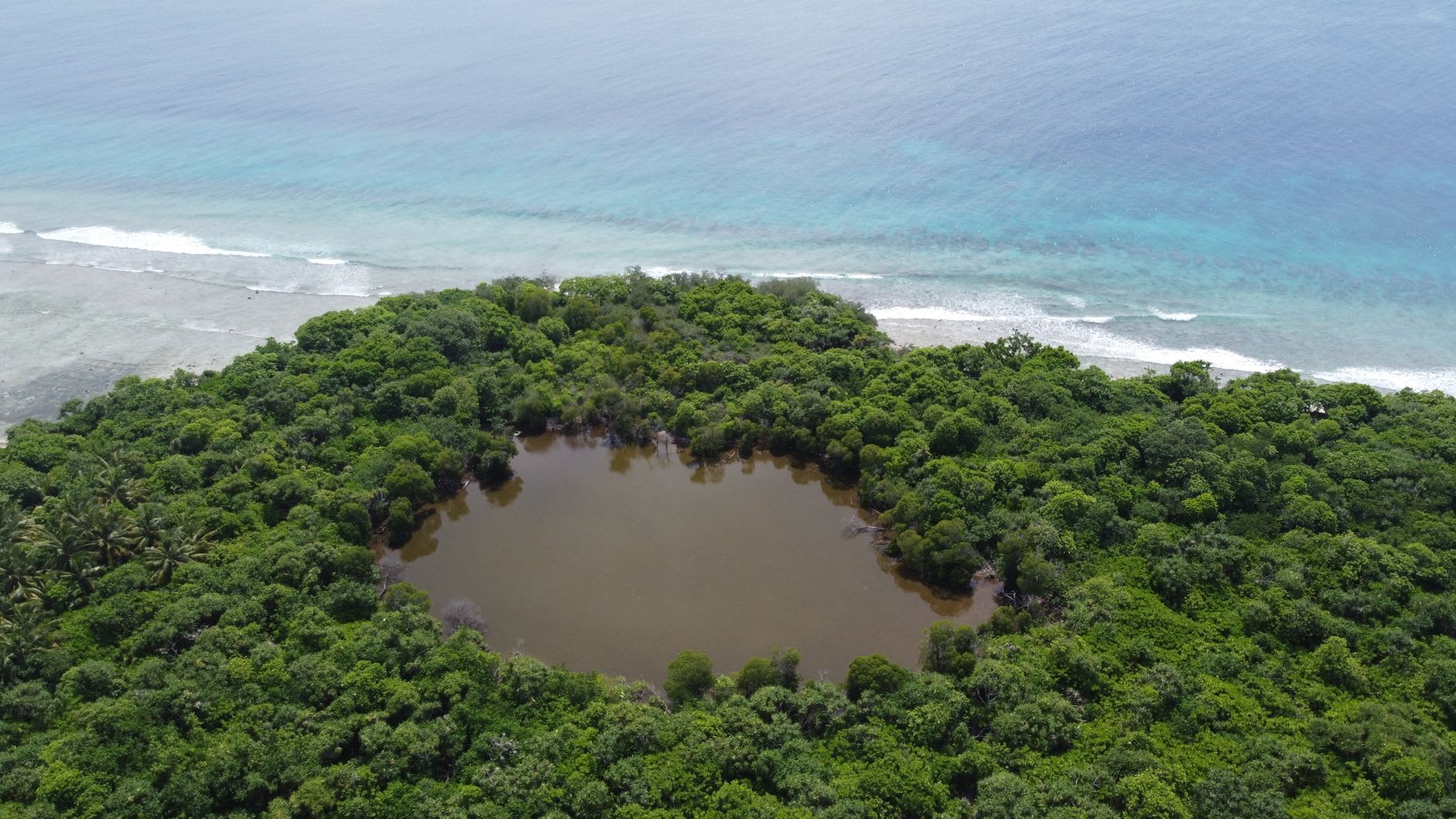
The surrounding property includes a tidal pool area along the coast, accessible through a gap in the rock, where the ocean fills shallow basins at high water and leaves them warm and still as the tide drops. Sit there in the late afternoon when the light comes in low and the sky starts its gradual performance — Upolu’s southern coast faces directly into the wind and the sunsets here have a quality of drama that feels proportionate to being on a small island in the middle of the largest ocean on earth. The roadside stalls on the drive back toward Apia sell oka: raw fish in coconut cream and lime, served in plastic cups, cold from the cooler. Order two.
When to go: May through October for the clearest water and calmer swells, which matters enormously for the lava tube swim. The trench itself is swimmable most of the year, but the tube crossing requires low-to-medium swell — ask the family on site, they will tell you honestly whether it’s safe that day.