Molinos
"I asked where I could get dinner and a man pointed at the sky and said, when the lady decides to cook."
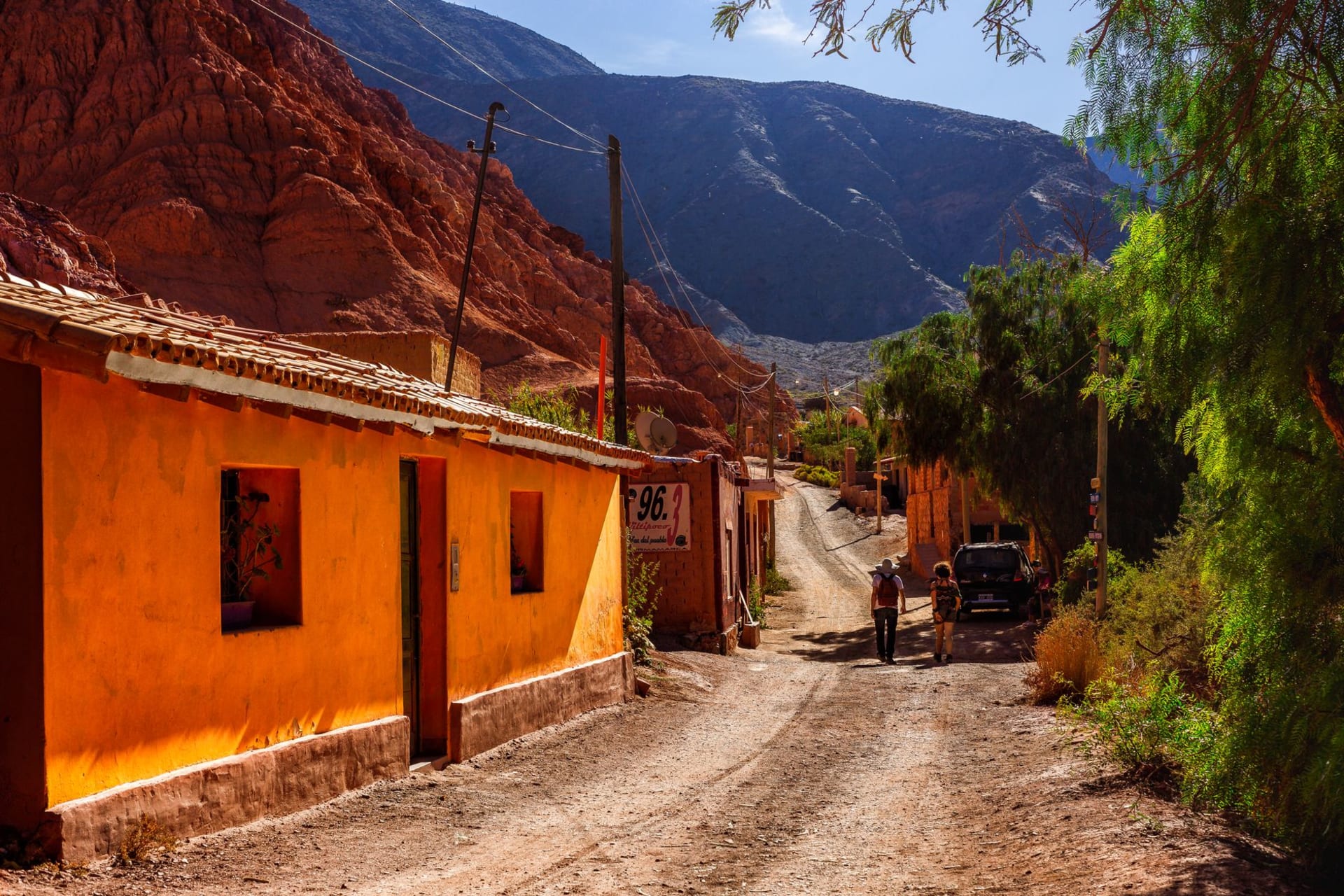
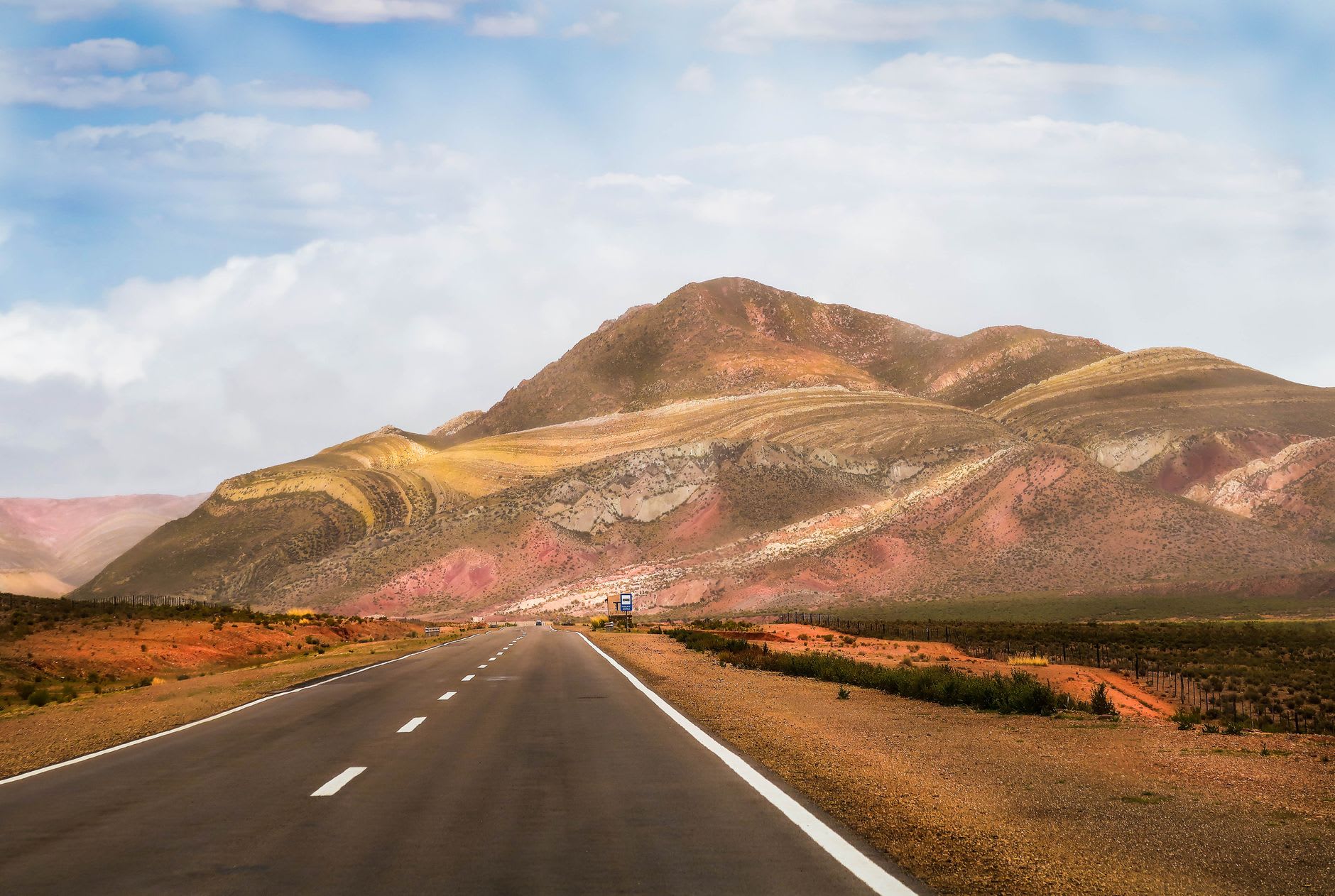
Molinos is the kind of place you reach by accident and remember on purpose. It sits roughly halfway along the Calchaquí Valleys between Cachi and Cafayate, on the stretch of Ruta 40 that is still honest dirt — washboard gravel that beats your spine and coats the car in pale dust for hours. We had not planned to stop, but the light was going and the next real town was too far, so we turned off into a grid of low adobe houses the colour of the ground they stand on and found a village that seemed to be holding its breath. The name comes from the old mills that once ground grain here; the river still runs past, and the wheels are long gone.
A church and a silence
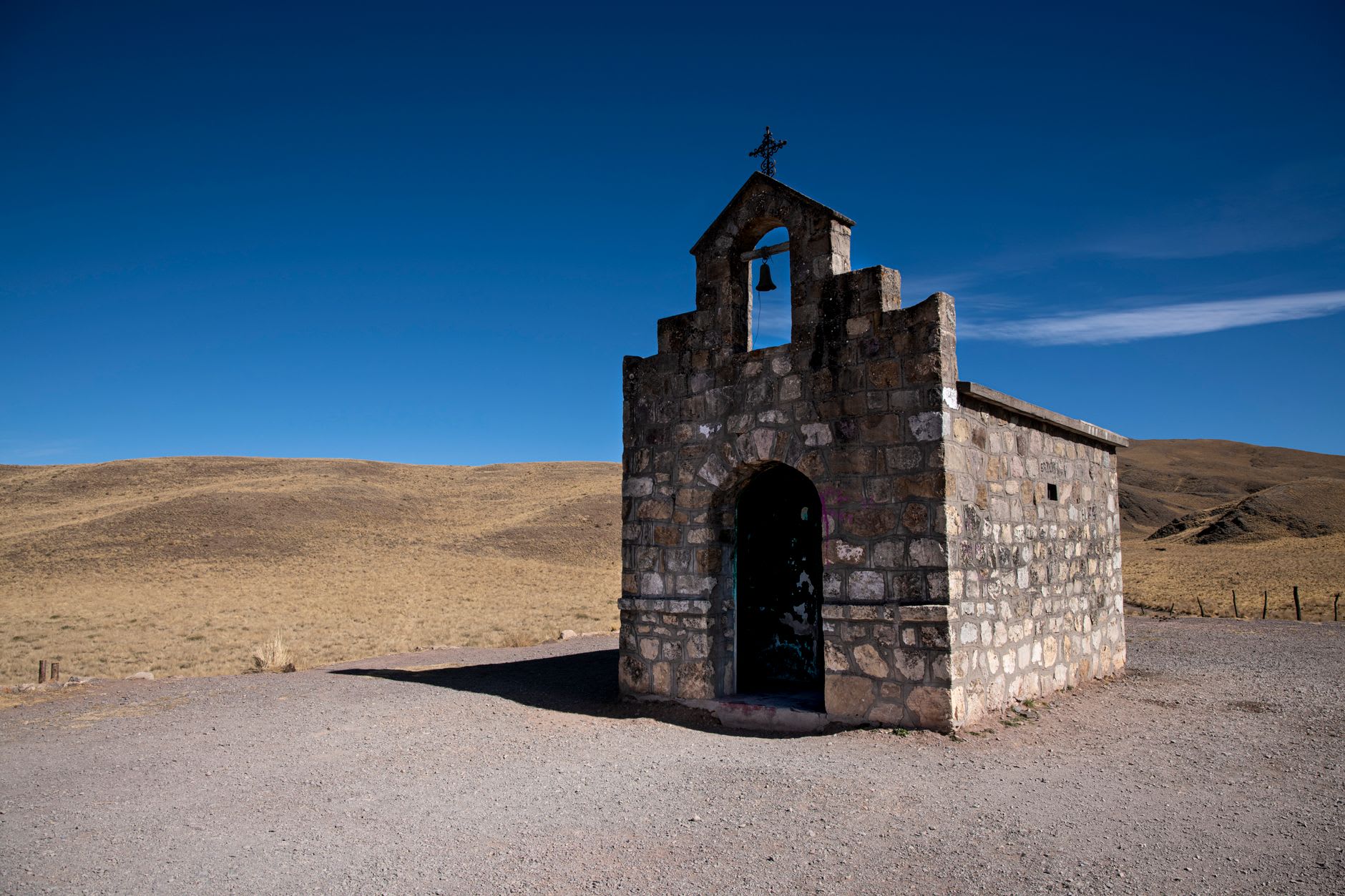
At the centre, as in every village out here, is the church — San Pedro Nolasco de los Molinos, a stout white colonial structure with twin bell towers, built in the late seventeenth century from adobe and the dark algarrobo wood that grows in the dry valley. The remarkable thing about it, which the caretaker told us with the flat delivery of a man stating a weather fact, is that the mummified body of the last royalist governor of Salta is interred inside, naturally preserved by the dry air. I went in expecting nothing and stood for a while in the cool dark, the only sound the caretaker’s footsteps and a dog barking somewhere in the heat outside.
The village has a stillness that took me a day to stop fighting. There is one small plaza with a few struggling trees, a couple of shops that keep their own private hours, and a population that seems to consist mostly of older people and dogs. I asked a man near the plaza where I could get dinner and he pointed vaguely at the sky and said, when the lady decides to cook — meaning the one open comedor would serve food when its owner felt moved to, which turned out to be around nine, and which turned out to be a plate of locro and a carafe of rough local red that I remember more fondly than meals that cost ten times as much.
Wine at the edge of the possible
What I had not known before arriving is that Molinos sits in the heart of some of the highest vineyards on the planet. Just outside the village, at well over two thousand metres, the Colomé estate works vines that benefit from the brutal sun and cold nights of the altitude — the grapes develop thick skins and deep colour to survive, which translates into wines of startling intensity. We drove out the next morning along another dirt road, past herds of goats and a single astonished-looking llama, to taste Torrontés and Malbec grown higher than seemed reasonable, in a tasting room that was completely empty but for us and a very patient sommelier. The Torrontés smelled of the dry mountain flowers we had been driving through for two days.
Molinos is not a destination so much as a pause — a place to break the long, jolting drive down the valley and to remember what an Andean village feels like before tourism teaches it to perform. Cachi to the north has prettied itself up for visitors; Cafayate to the south has its wine route and its tour buses. Molinos, in between, simply continues being itself, and that is precisely its quiet appeal.
When to go
The valley is high desert, sunny and dry most of the year. The most comfortable months are the southern autumn and spring — March to May and September to November — when the days are warm, the nights merely cold rather than freezing, and the dirt roads are at their most reliable. Avoid the summer rains of January and February, which can wash out sections of Ruta 40 and cut the village off for a day or two. Whenever you go, carry more fuel, water and cash than you think you need; out here there are long stretches with none of the three.