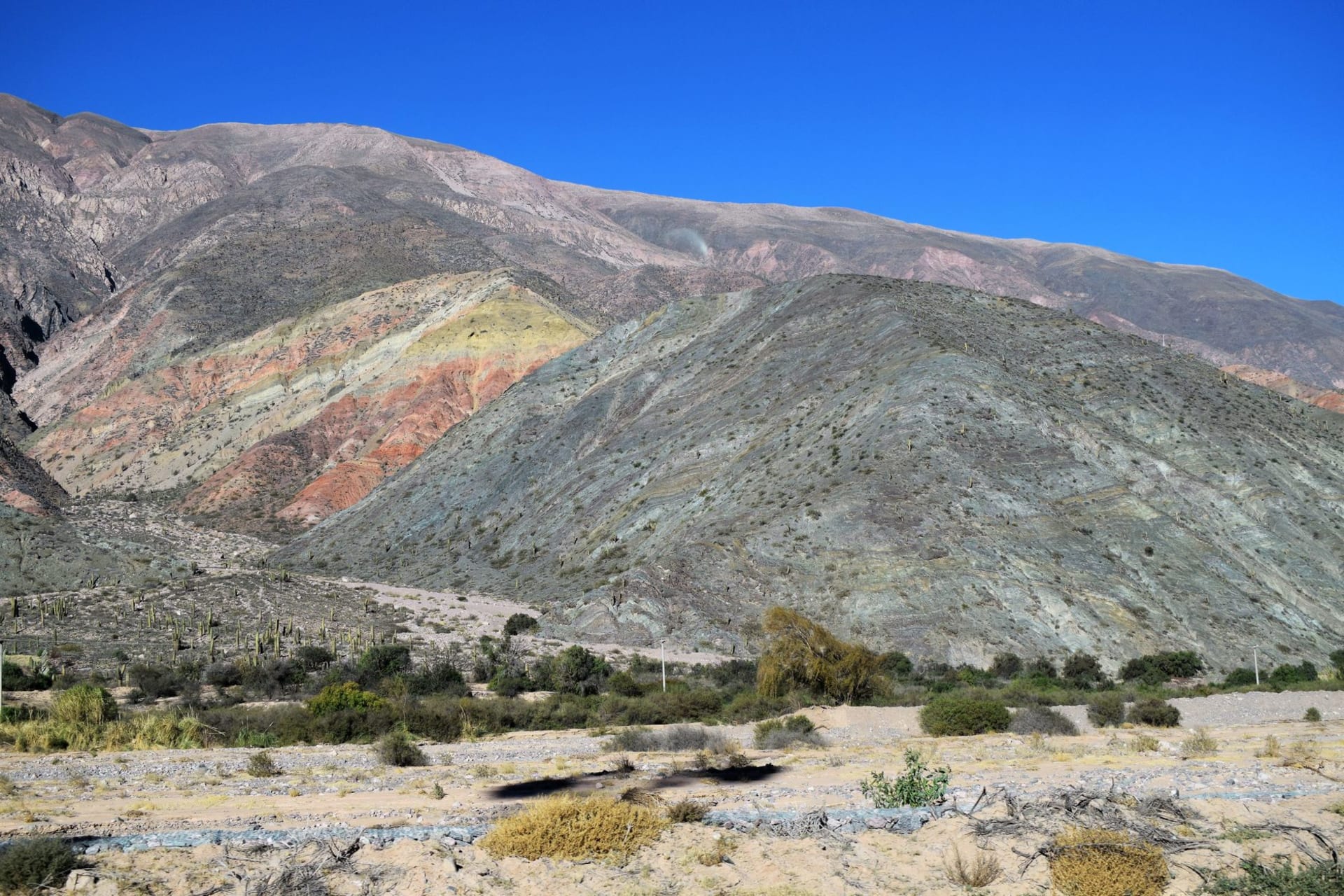
Humahuaca
"The market starts at five in the morning and by seven half the women are in pollera skirts and nobody is performing anything for anyone."
Humahuaca is not performing for you. That’s the thing about it that I noticed first and kept noticing. It’s a working Andean market town at 2,940 metres, the largest settlement in the Quebrada de Humahuaca and, unlike some of the villages further south, not primarily organized around tourism. The adobe streets are steep and cobblestoned and on market days — Thursday and Sunday — they fill with women in pollera skirts carrying things on their backs wrapped in institutional woven cloth, goats being led by children, pickup trucks full of vegetables from the valley floor. I arrived on a Thursday and walked straight into the middle of it, smelling of bus and completely underprepared for how specifically itself this place was.
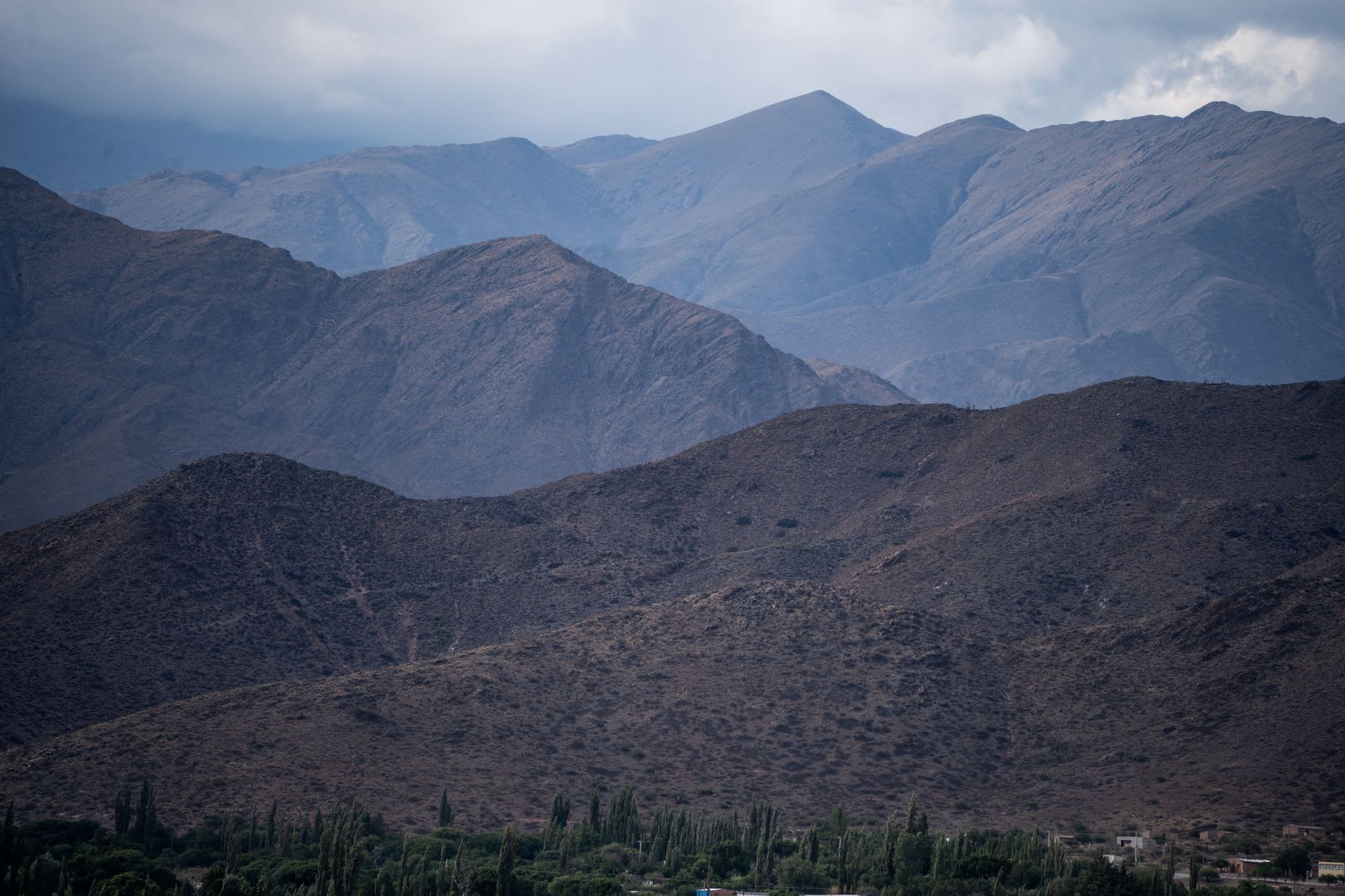
The UNESCO World Heritage inscription for the Quebrada covers the whole valley, but the formal centerpiece is Humahuaca’s Cabildo, the colonial town hall where every day at noon a mechanical figure of San Francisco Solano emerges from a door above the clock face and blesses the town for sixty seconds while a small crowd assembles out of apparently genuine habit rather than tourist curiosity. It is slightly absurd and entirely charming. The Iglesia de la Candelaria y San Antonio down the street is the seventeenth-century church with colonial paintings and the kind of cool stone-and-plaster interior that makes altitude feel like a gift. The hill above the town, the Cerro de la Cruz, has the large Independence Monument — a bronze figure by Ernesto Soto Avendaño, the sculptor from Tilcara — and from up there the Quebrada opens both directions and you can see what four thousand years of settlement have looked like from the same vantage point.
The food here is the least compromised version of the Quebrada’s pre-Columbian kitchen. In the covered market behind the main street, women serve from enormous pots: locro that has been on the stove since before dawn, humitas made from fresh choclo when it’s in season, api — a thick hot drink made from purple corn — that I ordered because I was cold and which turned out to taste like something between cocoa and cloves. The empanadas in Humahuaca are the Jujuy variety, different from Salta’s — smaller, spicier, the pastry thinner. I ate four at a folding table next to a man who was eating eight without apparent effort.
The peña culture here is older and less curated than Tilcara’s — a couple of dark rooms where musicians play from around nine in the evening, the music genuine and occasionally extraordinary. I stayed for a set one night and the singer had a voice that carried the specific quality of high altitude, of air that has been thinned until only the essential frequencies survive.
When to go: May through October in the dry season when the canyon light is sharpest and the market days are in full operation. Carnaval in February is the event — three days of ritual, folk music, and the tincunaco ceremony, where effigies are buried to ensure a good year, all conducted with the seriousness of genuine belief rather than spectacle. Go if you can handle the crowds and the noise and the flour thrown in your face.