
Georgetown
"Georgetown used to be the island's second city. The sugar left, and it just kept going anyway."
A faded former sugar town on Saint Vincent's windward coast, sitting between a dry riverbed of volcanic ash and the island's new international airport.
Georgetown sits on Saint Vincent’s windward coast, a good ninety-minute drive from Kingstown along a road that gets rougher and greener the further north you go, and it is, without much exaggeration, a town the twentieth century mostly passed by. Once the island’s second-largest settlement and the hub of a thriving sugar and arrowroot economy, Georgetown emptied out considerably after the sugar industry collapsed in the mid-1900s, and what’s left has a particular unhurried melancholy that I found more compelling than sad.
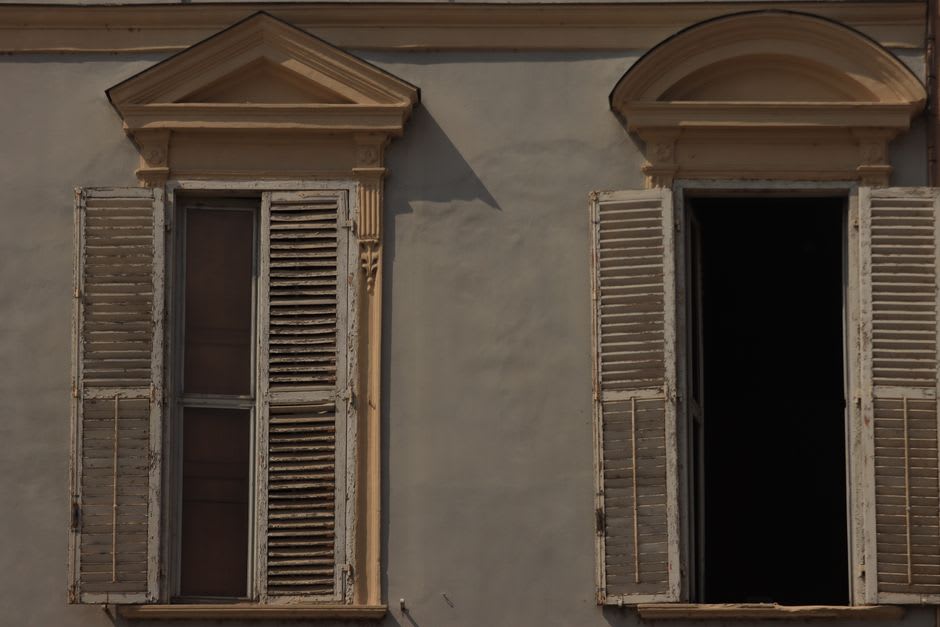
Wooden buildings from the plantation era line parts of the main road, some restored, most simply weathering in place, paint peeling in long strips under the salt air. A handful of rum shops do steady business, a market sells produce from the surrounding valleys, and the windward coast’s rougher Atlantic swell means the beaches here have none of the calm turquoise postcard quality of the leeward side — dark volcanic sand, real surf, and a wildness that feels appropriate to this side of the island.
Just south of town, the Rabacca Dry River cuts a wide, ash-grey gash across the landscape — a channel carved by lahars and pyroclastic flows during La Soufrière’s eruptions, dry most of the year but capable of turning into a genuinely dangerous flash flood during heavy rain. It also marks the trailhead for the windward route up La Soufrière, a longer and considerably more strenuous climb than the popular western approach, favored by hikers who want the volcano without the crowds. A few kilometers further, Argyle International Airport — opened in 2017 after a construction saga that spanned over a decade — now handles the direct flights that finally connect Saint Vincent to North America and Europe without a stopover in Barbados.
There’s something almost poetic about Georgetown’s position: a town built on an economy that vanished, sitting between a river made of volcanic destruction and an airport built on the promise of the island’s tourism future. It hasn’t decided yet which version of itself it’s becoming, and that uncertainty is part of what makes it worth the drive.
When to go: Dry season for safer crossing of the Rabacca Dry River and better hiking conditions on the windward volcano trail. Combine a visit with an early morning arrival or late departure from Argyle International, since the airport is only a short drive away.
Keep exploring
More from Saint Vincent and the Grenadines
 saint-vincent-and-the-grenadines
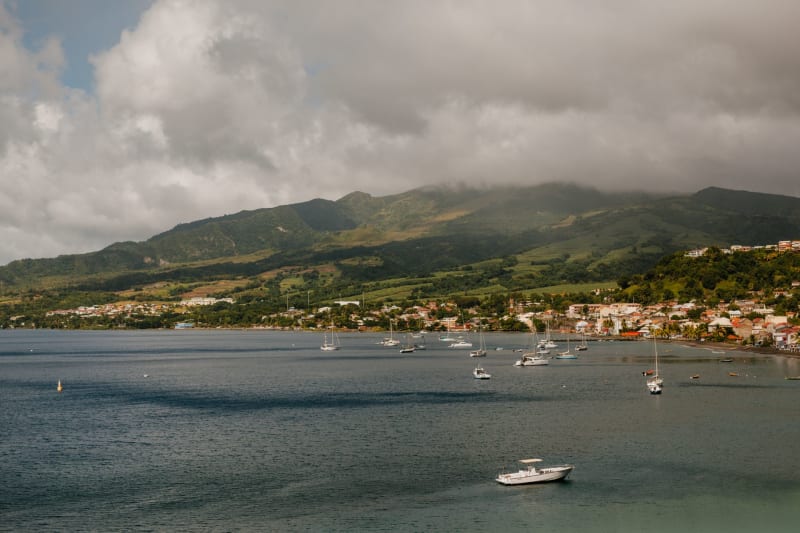
 Kingstown
Saint Vincent's capital smells of roti and diesel and doesn't particularly care whether you stay or go.
Explore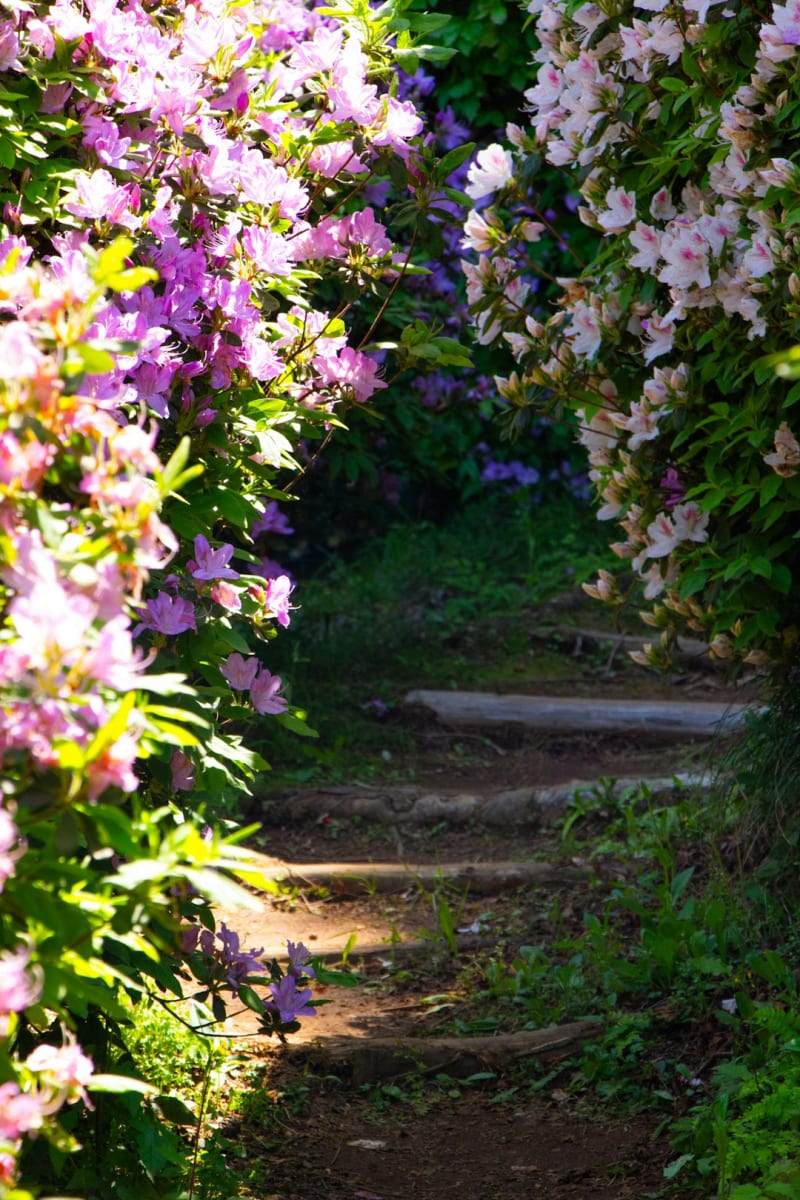 saint-vincent-and-the-grenadines
 Kingstown Botanical Gardens
The oldest botanical garden in the Western Hemisphere, founded in 1765, where a direct descendant of Captain Bligh's original breadfruit tree still grows.
Explore saint-vincent-and-the-grenadines
 La Soufrière
Saint Vincent's active volcano last erupted in 2021 — the summit still steams and the trail through cloud forest feels genuinely alive.
Explore saint-vincent-and-the-grenadines
 Layou
A leeward coast village where pre-Columbian petroglyphs are carved into a rock face beside the river, quietly predating everything else on this list.
Explore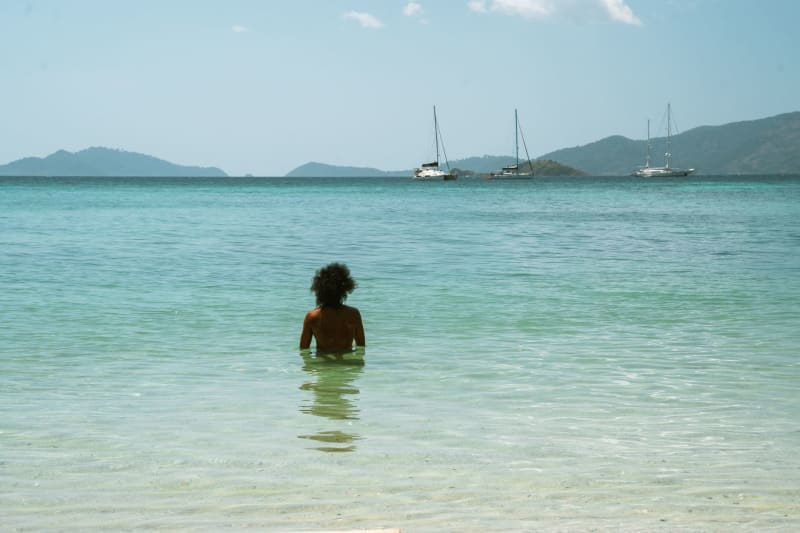 saint-vincent-and-the-grenadines
 Mayreau
The smallest inhabited island in the Grenadines — 250 residents, no cars, one road — with the archipelago's most postcard-perfect beach at its feet.
Explore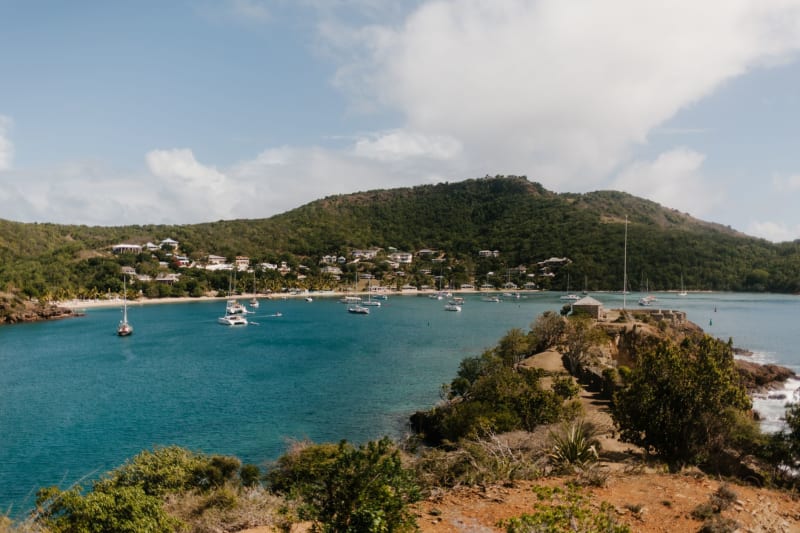 saint-vincent-and-the-grenadines
 Mustique
A 567-hectare private island whose exclusivity comes not from price but from the sheer deliberateness of everything that was left out.
Explore