Caribbean
Saint Vincent and the Grenadines
"The Caribbean for people who've given up on the Caribbean."
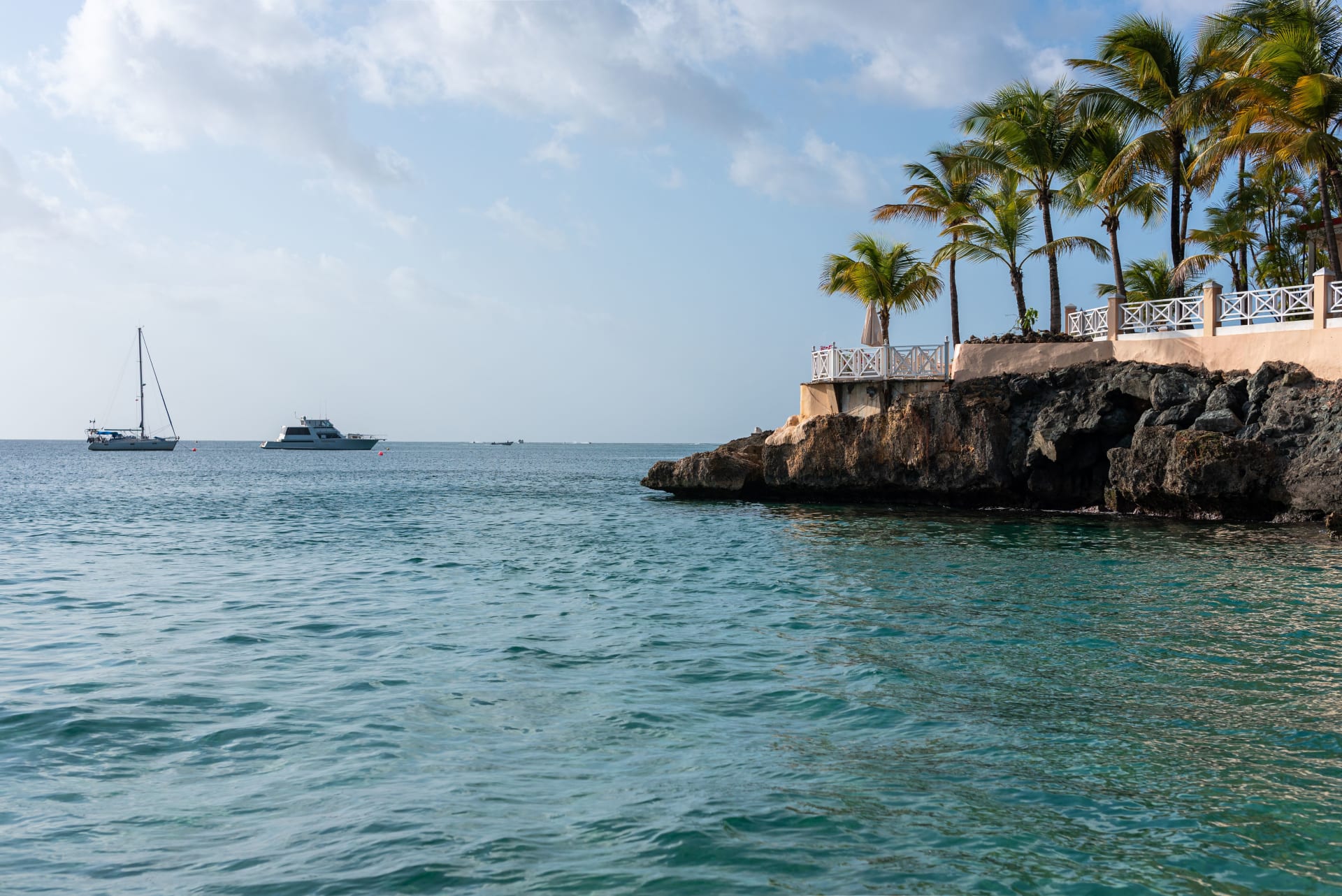
A scattered archipelago of thirty-two islands where volcanic black-sand beaches and barefoot yacht culture exist in a Caribbean that still feels genuinely undiscovered.

I arrived into Kingstown on a prop plane so small it felt like a toy, banking low over Saint Vincent’s ridgeline, and I remember thinking: this doesn’t look like the Caribbean I know. No coastal resort strips visible from the air, no cruise pier clogging the harbor. Just dense green volcanic hills tumbling into the sea and a small capital that seemed to be getting on with its business without caring whether I’d shown up or not. That indifference, I would come to understand, is precisely the point.
Saint Vincent itself is not the destination most people fly here for — though it should be. The island is volcanic, rugged, occasionally chaotic, and absolutely genuine. La Soufrière, the active volcano in the north, last erupted in 2021 and still wears a crown of cloud on most mornings. The black-sand beaches at Richmond and Wallilabou (where Pirates of the Caribbean was filmed, though the set has long since rotted into the sea) have a brooding quality that the white-sand islands entirely lack. Eat roti on the street in Kingstown — they are better than you have any right to expect, stuffed with curried conch or chicken, wrapped in foil, consumed standing up. That is the correct way.
But the real argument for coming here is the Grenadines themselves: Bequia, Mustique, Canouan, Union Island, and the Tobago Cays. Charter a sailboat out of Bequia — the island has a long tradition of whaling and boat-building, and the sailors here actually know the water — and spend five days moving between islands with no fixed plan. The Tobago Cays are what most Caribbean brochures are selling: coral reefs of staggering clarity, sand bars that appear at low tide, hawksbill turtles grazing on the sea grass in water so transparent it feels imaginary. But because there are no airports in the Cays, no cruise ships, no hotel infrastructure at all, you have to earn them. You arrive by sail or dinghy, you anchor, you swim. Everyone there made an effort to get there. That filtering mechanism keeps the experience intact in a way that drives me slightly crazy about how easily it could all be ruined.
When to go: December through May is the dry season and the prime sailing window. January and February offer the most reliable trade winds and the calmest seas — ideal for first-time charterers. Avoid hurricane season (July through October) not just for weather risk but because many of the better boat charters suspend operations. If you arrive in late November, prices drop considerably and the crowds from the Christmas season haven’t yet materialized.
What most guides get wrong: They present Saint Vincent and the Grenadines as an exclusive destination — Mustique’s celebrity associations, Canouan’s luxury resorts — and price many travelers out before they’ve considered it. In reality, the most extraordinary parts of SVG cost almost nothing if you’re willing to camp on a sailboat, eat at local spots, and move on your own schedule. Bequia in particular is affordable, charming, and completely without pretension. The expensive version exists, but it’s optional. The guides rarely mention that.
Explore
Places in Saint Vincent and the Grenadines
 saint-vincent-and-the-grenadines
 Bequia
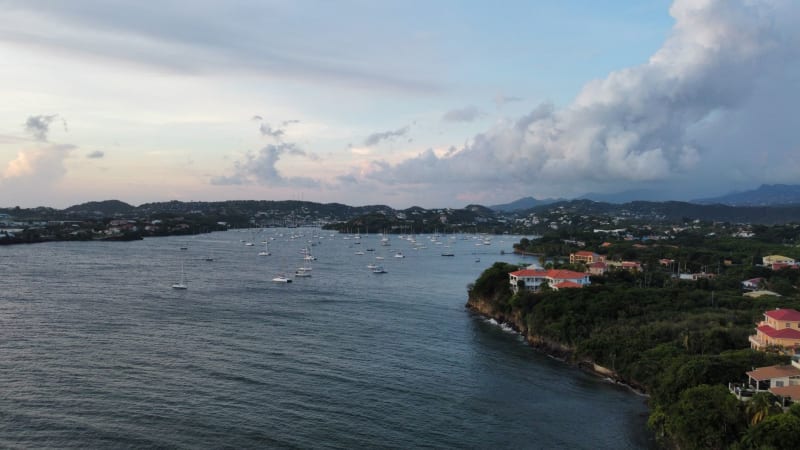
A boatbuilding island with a whaling past where the harbor rum shops never close and the sailors actually know the sea.
Explore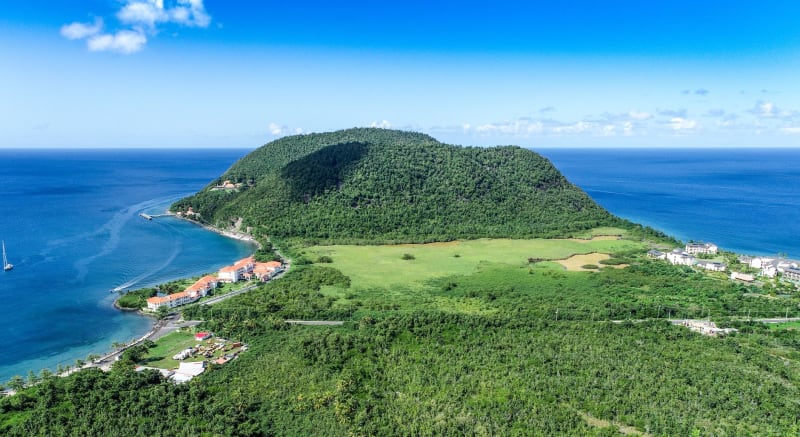 saint-vincent-and-the-grenadines
 Canouan
A comma-shaped Grenadines island caught between old fishing village quiet and golf resort excess, with extraordinary windward beaches mediating between them.
Explore saint-vincent-and-the-grenadines
 Chateaubelair
A quiet fishing village on Saint Vincent's leeward coast, the last real settlement before the road runs out and the rainforest takes over.
Explore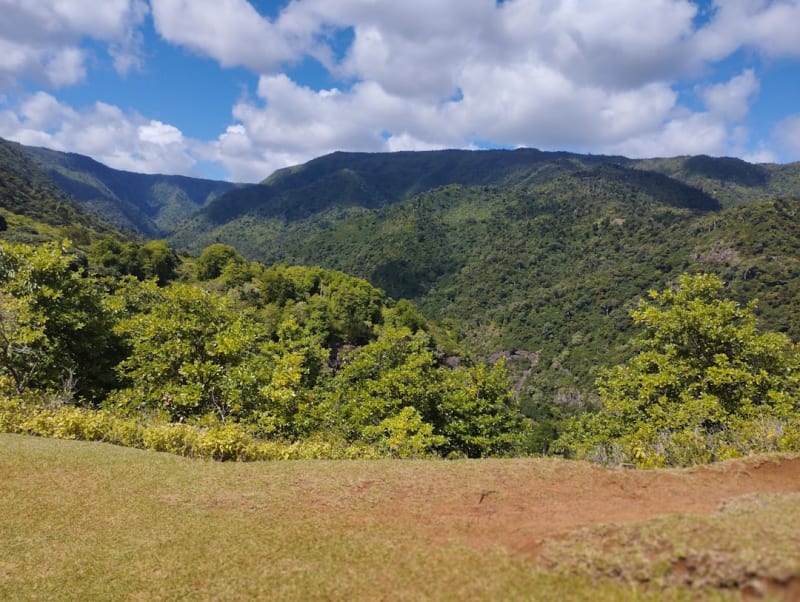 saint-vincent-and-the-grenadines
 Falls of Baleine
A waterfall at Saint Vincent's remote northern tip reachable only by boat, dropping sixty feet into a cold pool ringed by black volcanic stone.
Explore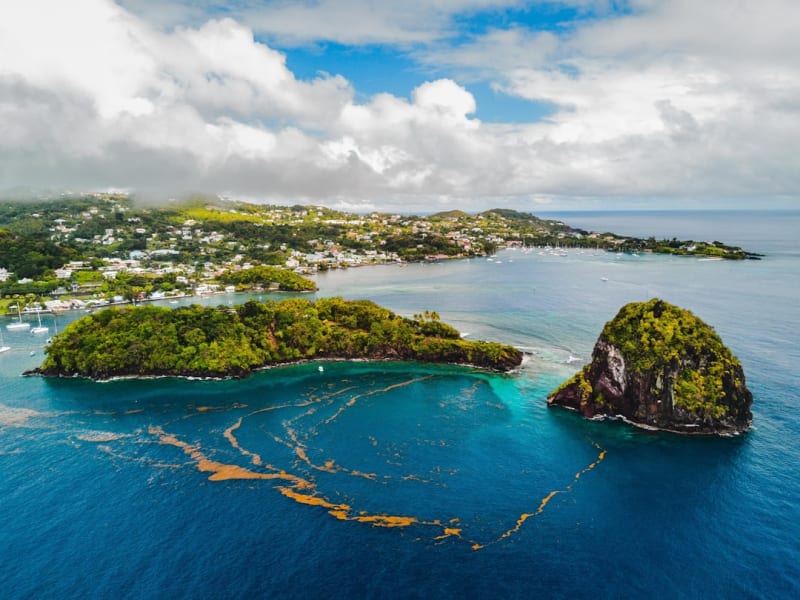 saint-vincent-and-the-grenadines
 Fort Charlotte
A crumbling 1806 British fort above Kingstown whose cannons point inland, a small design detail that tells you exactly who the colonizers were actually afraid of.
Explore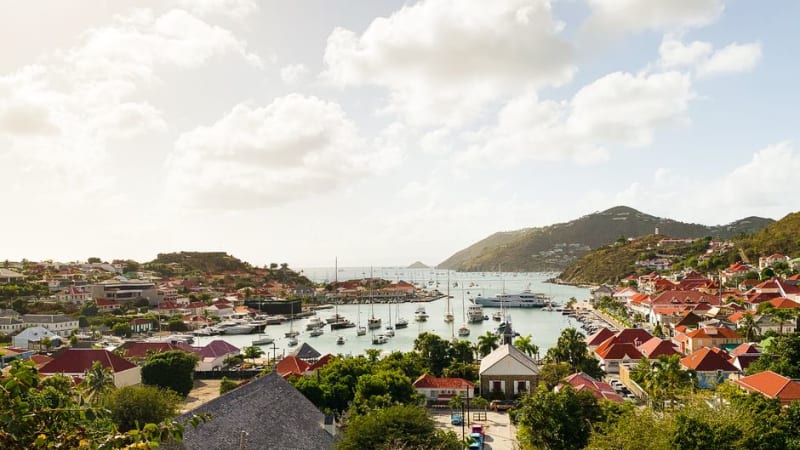 saint-vincent-and-the-grenadines
 Georgetown
A faded former sugar town on Saint Vincent's windward coast, sitting between a dry riverbed of volcanic ash and the island's new international airport.
Explore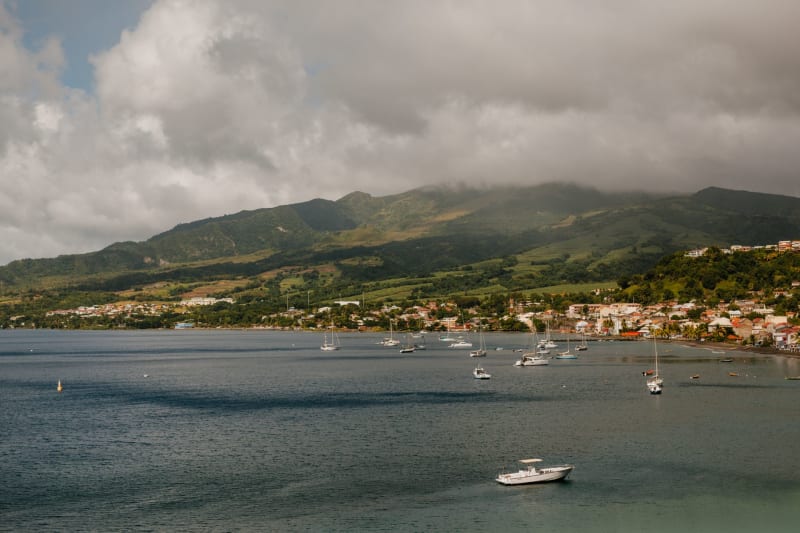 saint-vincent-and-the-grenadines
 Kingstown
Saint Vincent's capital smells of roti and diesel and doesn't particularly care whether you stay or go.
Explore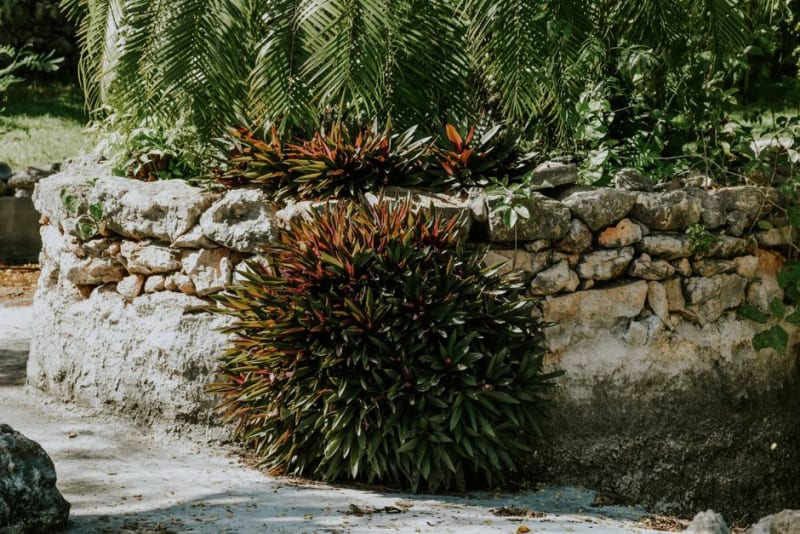 saint-vincent-and-the-grenadines
 Kingstown Botanical Gardens
The oldest botanical garden in the Western Hemisphere, founded in 1765, where a direct descendant of Captain Bligh's original breadfruit tree still grows.
Explore saint-vincent-and-the-grenadines
 La Soufrière
Saint Vincent's active volcano last erupted in 2021 — the summit still steams and the trail through cloud forest feels genuinely alive.
Explore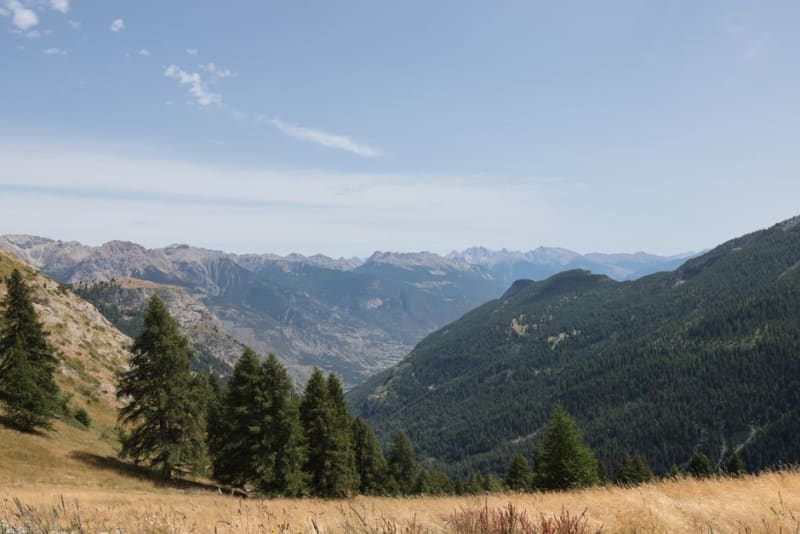 saint-vincent-and-the-grenadines
 Layou
A leeward coast village where pre-Columbian petroglyphs are carved into a rock face beside the river, quietly predating everything else on this list.
Explore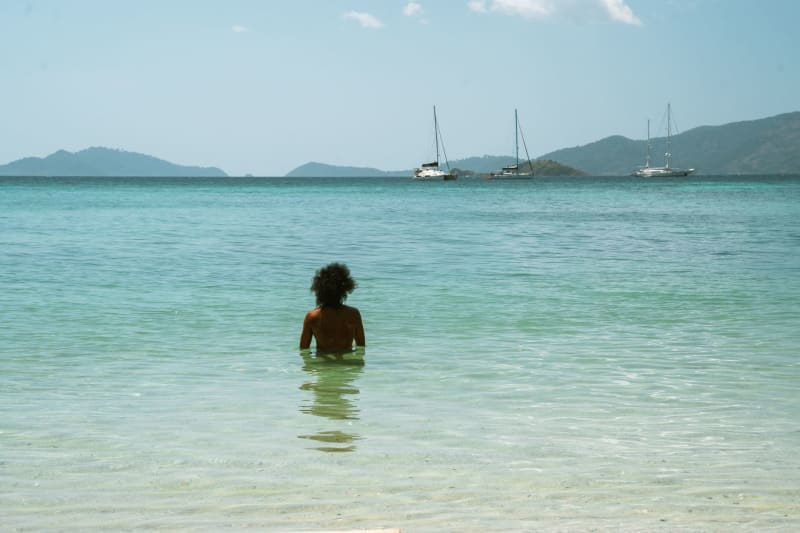 saint-vincent-and-the-grenadines
 Mayreau
The smallest inhabited island in the Grenadines — 250 residents, no cars, one road — with the archipelago's most postcard-perfect beach at its feet.
Explore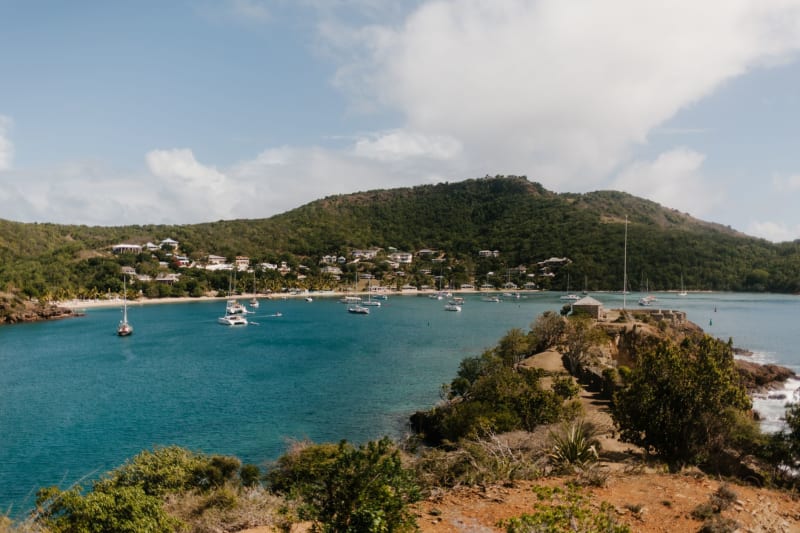 saint-vincent-and-the-grenadines
 Mustique
A 567-hectare private island whose exclusivity comes not from price but from the sheer deliberateness of everything that was left out.
Explore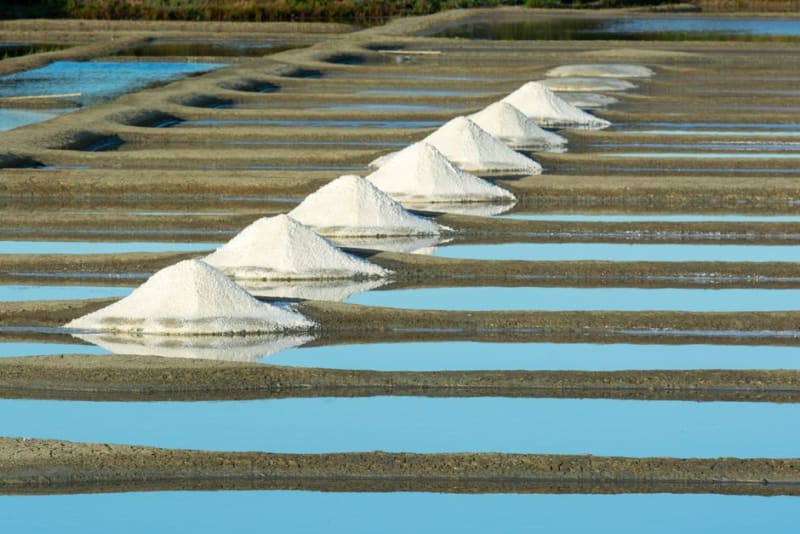 saint-vincent-and-the-grenadines
 Owia Salt Pond
A natural rock pool at Saint Vincent's windward tip where Atlantic swells break over a volcanic barrier and settle into water calm enough to swim.
Explore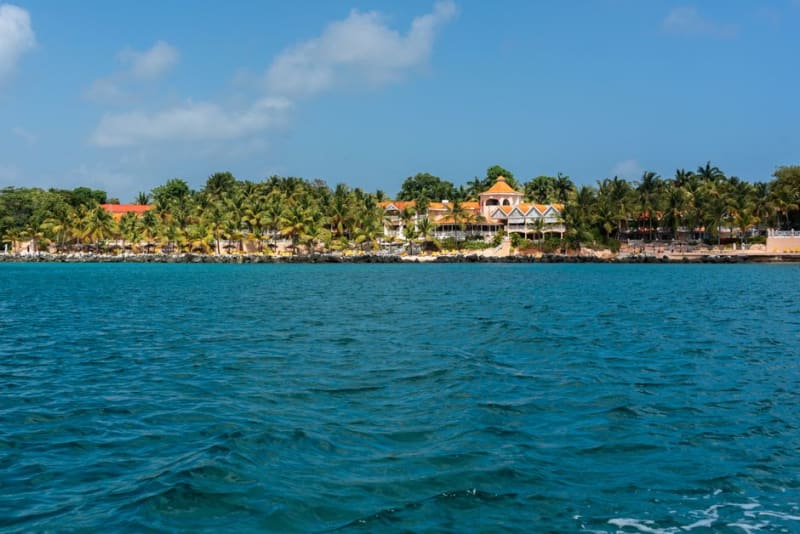 saint-vincent-and-the-grenadines
 Palm Island
A once-barren cay near Union Island that an American sailor replanted palm by palm in the 1960s, now a private resort island ringed by sand.
Explore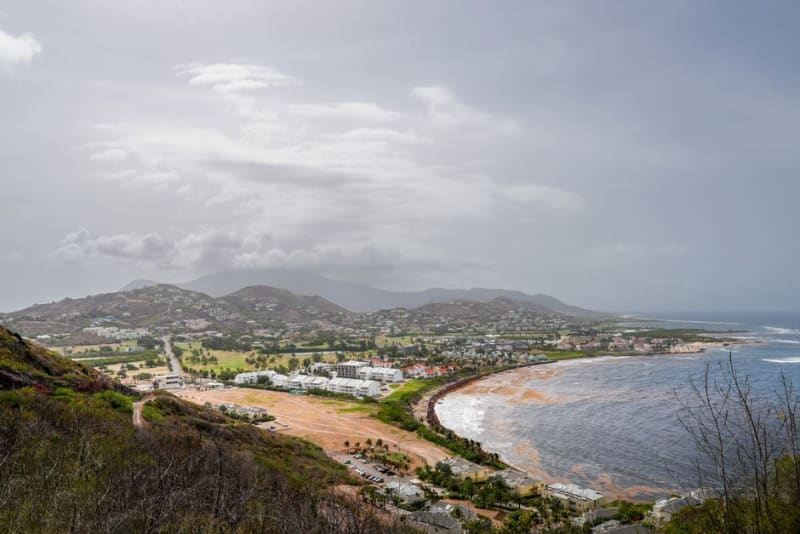 saint-vincent-and-the-grenadines
 Petit Nevis
A tiny uninhabited island near Bequia where rusted whale-processing equipment still sits on the beach, a blunt relic of the region's whaling history.
Explore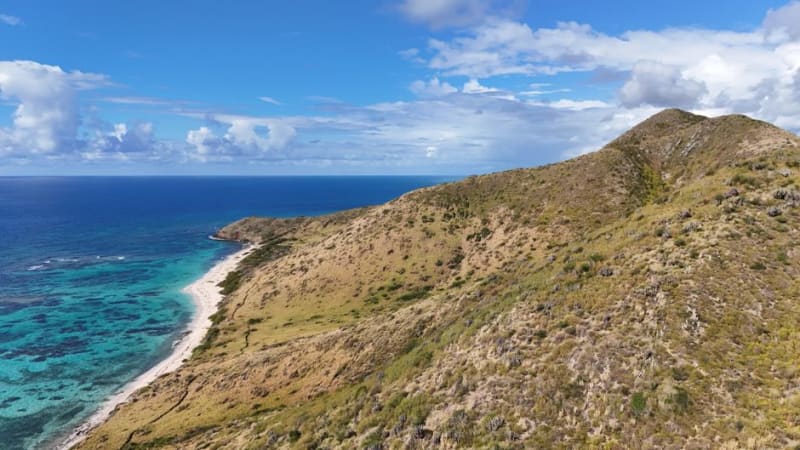 saint-vincent-and-the-grenadines
 Petit St. Vincent
A 45-hectare private island at the southern edge of the Grenadines where a wooden flag system, not a phone, is still how you order lunch.
Explore