Chateaubelair
"Past Chateaubelair, the road gives up. Everything after that belongs to the forest."
A quiet fishing village on Saint Vincent's leeward coast, the last real settlement before the road runs out and the rainforest takes over.
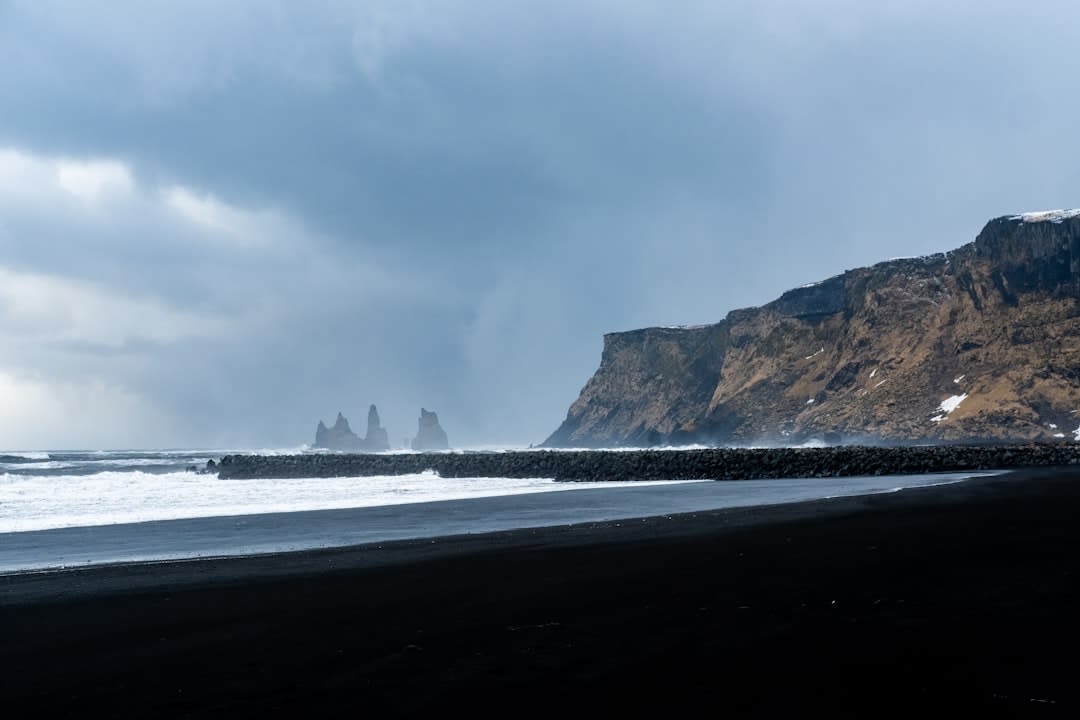
Chateaubelair sits at the point on Saint Vincent’s leeward coast where the highway, such as it is, effectively stops making sense — the pavement narrows, potholes multiply, and the mountains crowd in so close to the water that there’s barely room for the village to exist in the strip between them. I drove up from Kingstown along a coast road that hugs the shoreline through Barrouallie and Wallilabou, and by the time I reached Chateaubelair the towns had thinned out to the point where the volcano felt like the only other thing around.
The village itself is unpretentious in the way that places genuinely built around fishing tend to be — a scatter of houses in faded pastel, a jetty with boats coming and going, a rum shop or two where the domino games run long into the evening. Chateaubelair has none of the polish of the Grenadines further south, and that’s precisely its appeal. This is Saint Vincent as it actually is for the people who live here, not as it’s packaged for a cruise excursion.
What draws most travelers here is what lies just beyond it. Trinity Falls, a three-tiered waterfall reached by a short boat trip up the coast followed by a scramble through riverbed and rainforest, starts from Chateaubelair’s jetty, and most boatmen in the village will arrange the trip for a fair price if you ask around rather than book through an agency. The falls themselves — three separate cascades stacked above each other, each with its own plunge pool — are cold, clean, and blissfully free of the crowds you’d find at a comparable spot almost anywhere else in the Caribbean. I swam in the lowest pool for the better part of an hour and shared it with exactly two other people, both local teenagers who’d clearly done this every weekend of their lives.
Chateaubelair is also one of the last reliable jumping-off points for boat trips north to the Falls of Baleine, since the coast road doesn’t reach that far. Ask at the jetty in the morning — departures are informal, weather-dependent, and entirely worth the wait.
When to go: Dry season, December through May, keeps the river crossings to Trinity Falls manageable and the coastal boat trips smoother. Arrive early in the day; both the falls trip and any boat charter north depend on calm morning seas.
Keep exploring
More from Saint Vincent and the Grenadines
 saint-vincent-and-the-grenadines
 Falls of Baleine
A waterfall at Saint Vincent's remote northern tip reachable only by boat, dropping sixty feet into a cold pool ringed by black volcanic stone.
Explore saint-vincent-and-the-grenadines
 Fort Charlotte
A crumbling 1806 British fort above Kingstown whose cannons point inland, a small design detail that tells you exactly who the colonizers were actually afraid of.
Explore saint-vincent-and-the-grenadines
 Georgetown
A faded former sugar town on Saint Vincent's windward coast, sitting between a dry riverbed of volcanic ash and the island's new international airport.
Explore saint-vincent-and-the-grenadines
 Kingstown
Saint Vincent's capital smells of roti and diesel and doesn't particularly care whether you stay or go.
Explore saint-vincent-and-the-grenadines
 Kingstown Botanical Gardens
The oldest botanical garden in the Western Hemisphere, founded in 1765, where a direct descendant of Captain Bligh's original breadfruit tree still grows.
Explore saint-vincent-and-the-grenadines
 La Soufrière
Saint Vincent's active volcano last erupted in 2021 — the summit still steams and the trail through cloud forest feels genuinely alive.
Explore