Soufrière
"The Pitons were right there at dinner. They didn't care that I was eating a whole fried snapper for four dollars."
I came to Soufrière by water taxi from the north, which I recommend to anyone arriving from the resort strip around Rodney Bay. The boat rounds a headland and then, all at once, there they are — Gros Piton and Petit Piton rising from the water like two green fists. Nothing prepares you for the scale. I’d seen the photos on a hundred travel websites and still found myself gripping the railing and saying something stupid under my breath. The water taxi driver, who had made this run perhaps a thousand times, glanced over at my expression and smiled with the particular satisfaction of someone who knows exactly what you are experiencing.
The town smells of sulphur. Not unpleasantly, once you adjust — it drifts down from the volcano’s fumaroles above the bay and settles over the streets like a mineral ghost. Soufrière is the oldest European settlement on the island, founded by the French in the eighteenth century, and the architecture tells that story in layers: wooden houses painted the colors of boiled sweets, a square church that looks severe from the outside and cool and dark within, narrow streets where taxis and market women and loose chickens all compete for right of way. The market runs along the bay side, and on Friday mornings women sell breadfruit, dasheen, christophene, and green bananas from crates and car trunks, and the negotiation happens in a Creole that I could follow in patches and lost entirely in others.

I ate at the waterfront every evening. There is a cluster of open-air spots near the jetty where local women run the grills, and the deal is always the same: choose your fish from what came in that day, and it comes back to you whole and charred, with rice and peas and coleslaw, on a plastic plate, for a price that feels embarrassing by any northern-hemisphere standard. The grilled kingfish was excellent. The barbecued chicken, on the evening when the catch had been modest, was excellent in a different, smokier register. I drank rum punch from a plastic cup and watched a pelican work the bay with the focused professionalism of a bird who has no time for tourism.
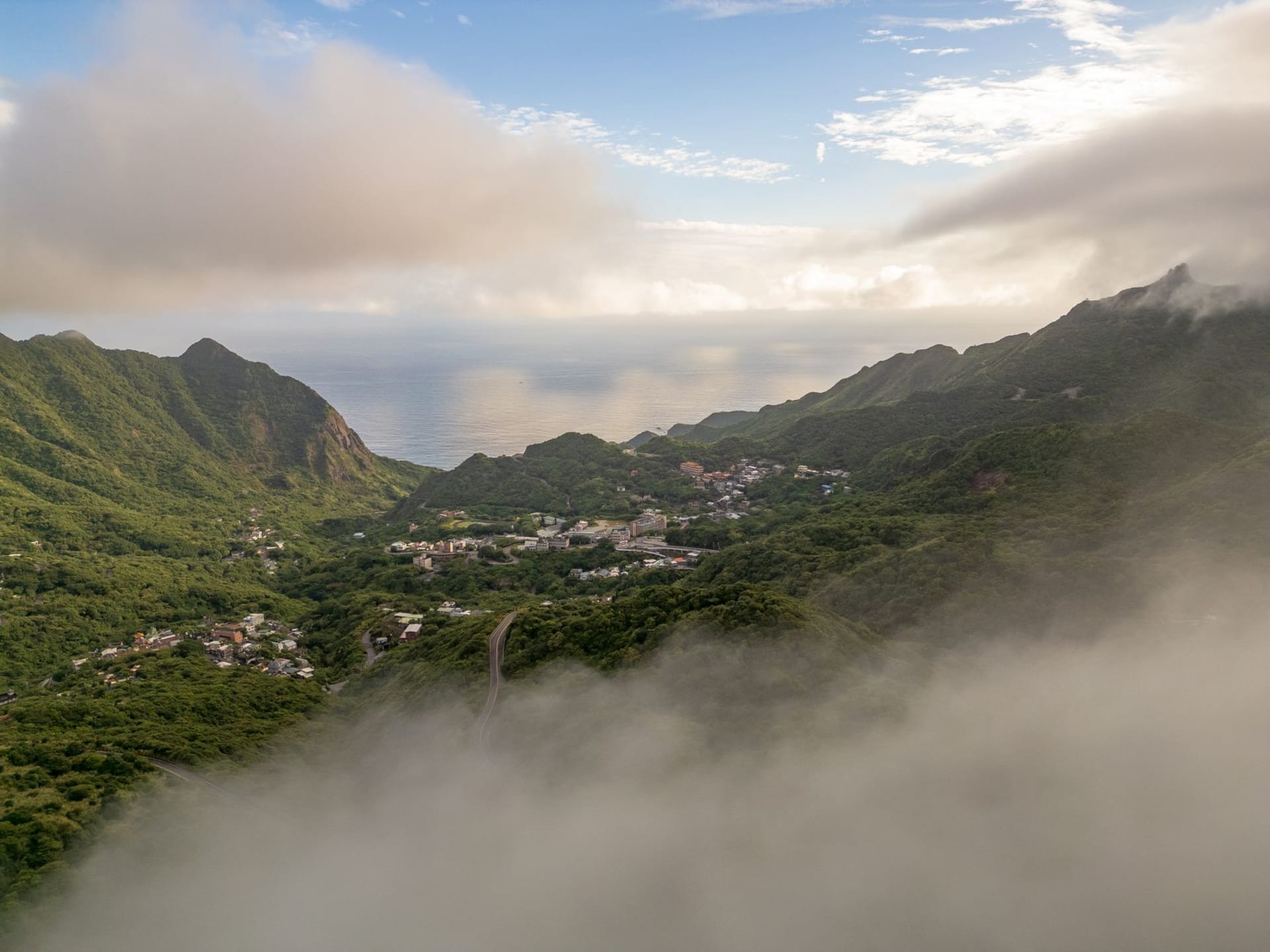
The thing that made Soufrière feel essential rather than merely picturesque was the way the Pitons participate in the town’s daily life. They are not background scenery — they are too close and too large for that. At dawn they hold the mist. By midmorning they are sharp against blue sky. By afternoon the clouds start to build around their peaks, and by evening they are half-hidden and theatrical. Sitting on the waterfront, you eat your fish and feel them watching you, and the feeling is oddly companionable rather than oppressive.

Most visitors from the northern resort areas arrive on organized day trips — a boat, a volcano stop, a waterfall, back by five. They see Soufrière and they don’t see it. The town reveals itself in the early morning, when the fishermen are sorting nets and the bakery near the market is pulling bread from the oven. It reveals itself late at night, when the square fills with young people and the music carries down the hill and the Pitons have gone black against the stars. Two nights is the minimum. Three is when it starts to feel like a place you actually know.
When to go: January through April is dry-season Soufrière at its clearest and most hikeable. May and June offer fewer tourists and a landscape so green it borders on hallucinogenic, with the occasional brief shower that passes in minutes. Avoid September and October if you can — hurricane risk is real, and some waterfront spots close.