
Marigot Bay
"The kind of bay that makes you wonder how it ended up on the same planet as everything else."
I came around a bend in the coast road south of Castries and there it was — that first glimpse of Marigot Bay from the hillside, the kind of view that stops conversation mid-sentence. A near-perfect oval of water, enclosed on nearly all sides by hills so thickly covered in vegetation that the green seems almost violent, with a clutch of white yachts lying at anchor at the center of it all like ornaments someone placed carefully in a bowl. The road to the actual bay descends in switchbacks, and at each hairpin the view reframes itself. I almost missed a turn looking.
The bay is accessed by a tiny foot ferry — a flat wooden boat that runs across the narrow mouth between the main village and the Doolittle’s beach bar side, a crossing that takes perhaps forty seconds and costs almost nothing. The ferry is perpetually busy, ferrying sailors to the dock, tourists to the beach bar, and local children who treat it as entertainment. I crossed four times in one afternoon, which is probably two more than necessary, but the crossing has a particular quality — the water is very still inside the bay, the color of bottle glass where the shadows fall, and from the water level the surrounding hills seem to lean inward as if listening to something.
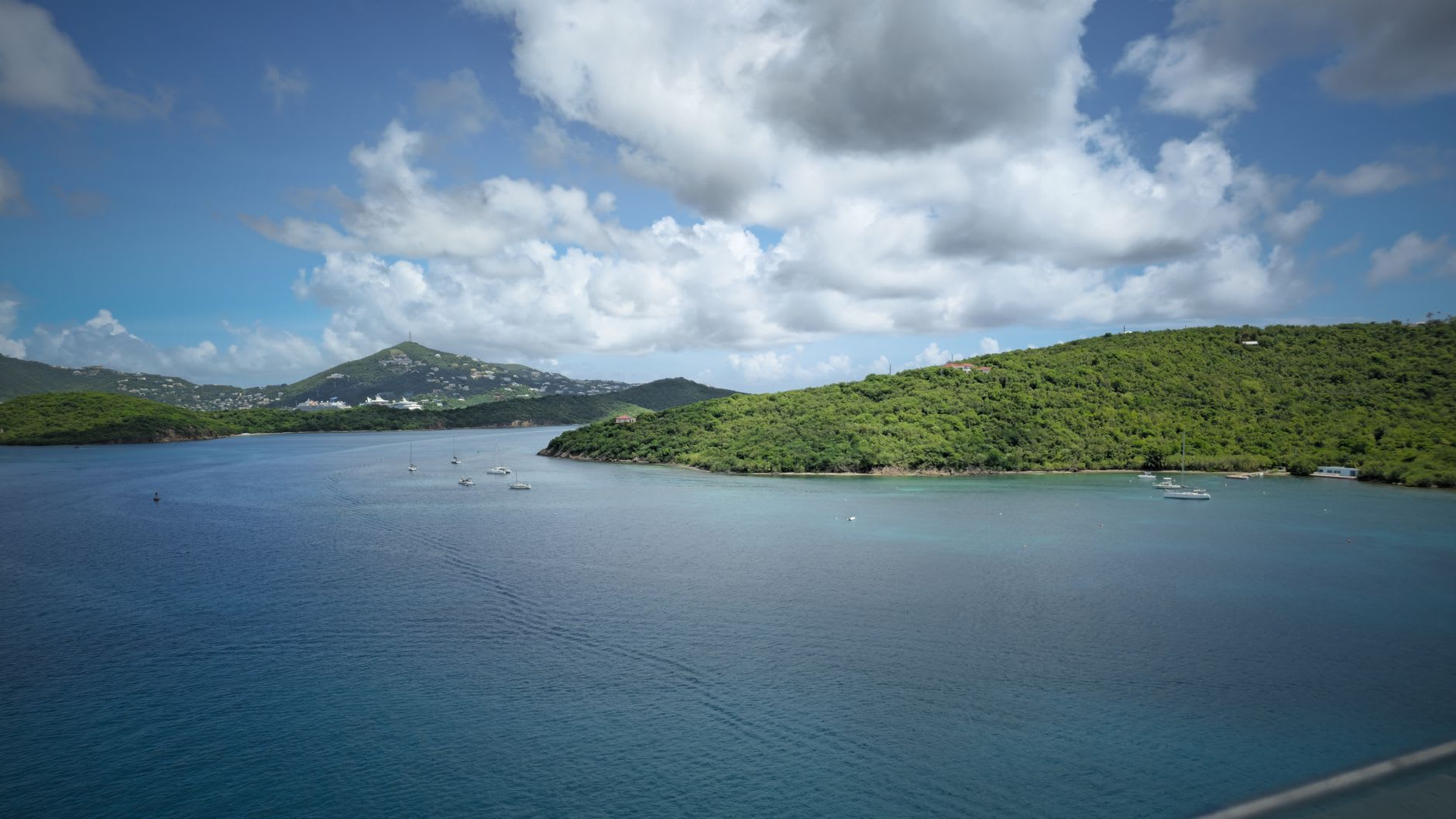
The bay’s fame has a specific origin. The 1967 film Doctor Dolittle was filmed here, and the bay’s perfect enclosure — its near-circular form making it look designed rather than natural — has made it a persistent choice for filmmakers and photographers ever since. But fame has not entirely swallowed the place. The village on the north side of the bay, while touristified in the way that any beautiful Caribbean anchorage inevitably becomes, still has a local fishing community, and in the early morning before the day-trippers arrive the bay belongs entirely to the sailors who spent the night there, hanging laundry from the rigging and running their engines to charge batteries.
The snorkeling in the outer bay, particularly around the rocks to the south, is some of the most accessible I found on the island. The water is clear enough that from a rented kayak you can see the bottom in fifteen feet without effort, and the reef there is modest but alive — parrotfish and sergeant majors and the occasional nurse shark moving with complete unconcern under the hull of whatever yacht is anchored nearby.
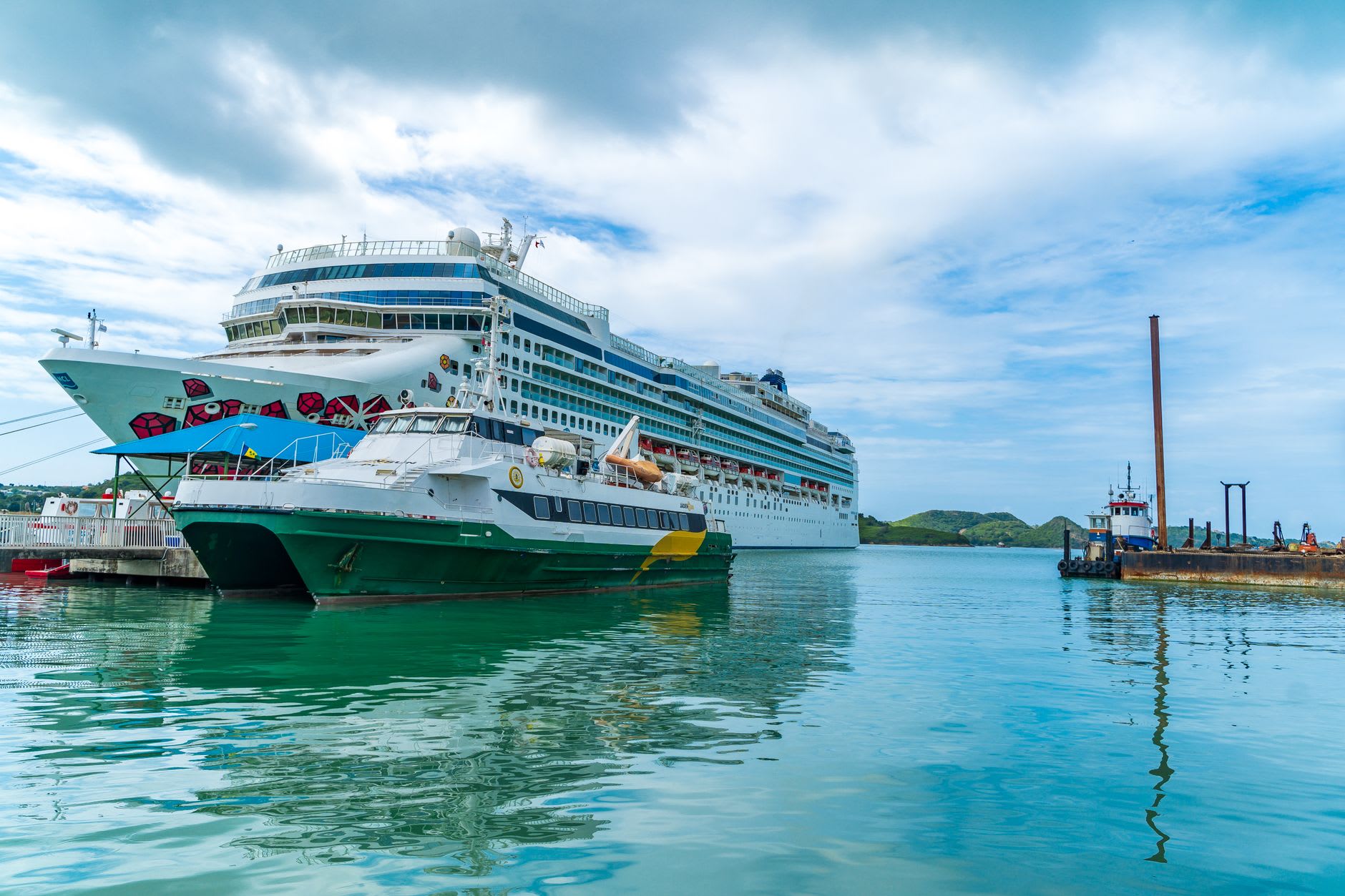
What I kept returning to about Marigot Bay was the specific quality of its silence. The hills absorb sound in a way that makes the bay quieter than you’d expect from a busy anchorage — conversation carries across the water, yes, but the background noise drops away, and on the right afternoon, with the heat sitting on everything and the water absolutely still and the yachts reflected perfectly in it, the bay achieves something close to suspension. Time does not stop, but it noticeably slows.
When to go: The dry season from January through April is when the anchorage is fullest and the water clearest. May and June are greener and quieter, with fewer charter boats and better rates at the accommodation on the bay’s edge. The bay is well-sheltered and accessible year-round; hurricane season affects it less than exposed anchorages on the island’s Atlantic coast.