Maria Islands Nature Reserve
"A whole species, surviving on two rocks the size of parking lots."
Two scrubby islets off the southern tip of Saint Lucia that hold an entire species of lizard found nowhere else on Earth.
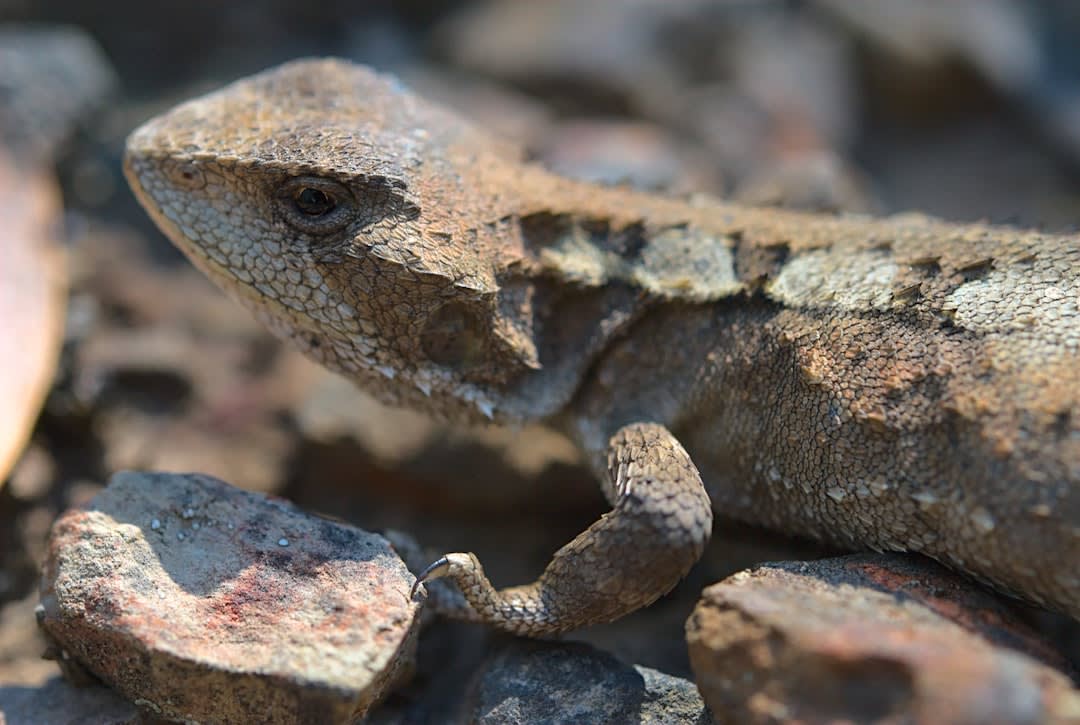
I almost didn’t bother with the Maria Islands, and I think that’s how most people treat them — two small, dry, unglamorous-looking islets a short boat ride off Vieux Fort, easy to write off next to the Pitons. That would have been a mistake. A ranger from the Saint Lucia National Trust took me across in a small motorboat, and within minutes of stepping onto Maria Major he’d spotted a kouwès, the Maria Islands ground lizard, a species that exists nowhere else on the planet except these two rocks. It’s a striking animal — a deep, almost metallic blue-black with orange flanks — and it has survived here specifically because the islands were never colonized by the mongooses that wiped out ground-dwelling reptiles across the rest of Saint Lucia.
The reserve also protects the endemic Saint Lucia whiptail lizard, a species that was famously used as the emblem on the country’s dollar coin, and a population of the harmless Saint Lucia grass snake, sometimes called the world’s rarest snake, which the ranger seemed genuinely delighted to talk about at length. Walking the low scrub trail across Maria Major took maybe forty minutes round trip, but the density of things worth stopping for made it feel much longer — frigatebirds circling overhead, cactus and dry coastal forest that looks nothing like the lush interior of the main island, and a view back toward the Moule à Chique lighthouse that put the whole geography of the south coast into perspective.
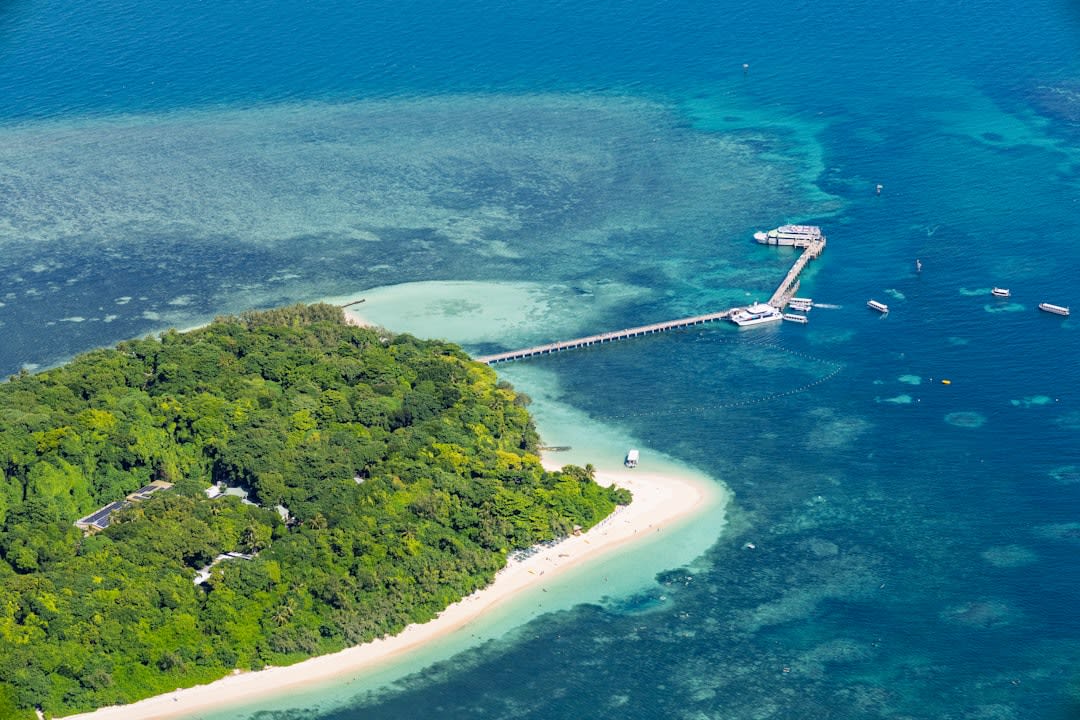
The crossing itself is short but the water around the islands is some of the clearest I found anywhere near Saint Lucia, pale turquoise over sand with visible reef patches, and the boatman let us drift for a few minutes over a shallow reef before landing so we could look down through the surface at parrotfish moving between the coral heads.
When to go: The reserve is only open from roughly mid-May through July, since the islands close the rest of the year to protect nesting seabirds — plan around that narrow window, and book through the Saint Lucia National Trust rather than trying to arrange a boat independently.
Keep exploring
More from Saint Lucia
 saint-lucia
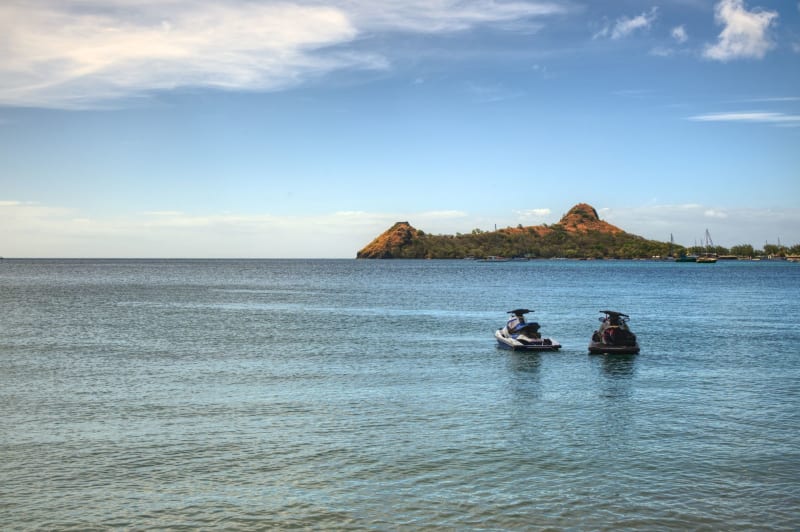
 Marigot Bay
A hidden harbor so impossibly perfect it has served as a film set twice, and still manages to feel like a secret most days of the year.
Explore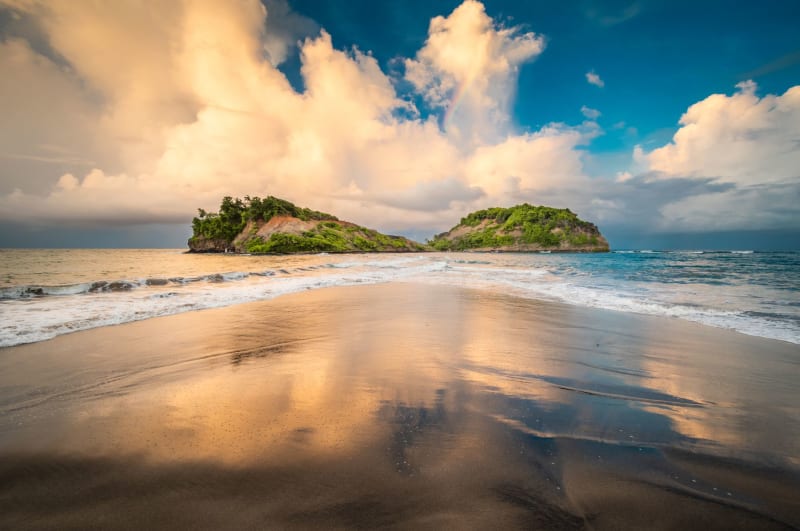 saint-lucia
 Pigeon Island National Park
A causeway-connected headland where British fort ruins and Caribbean history sit above two beaches and a view that once watched for French warships.
Explore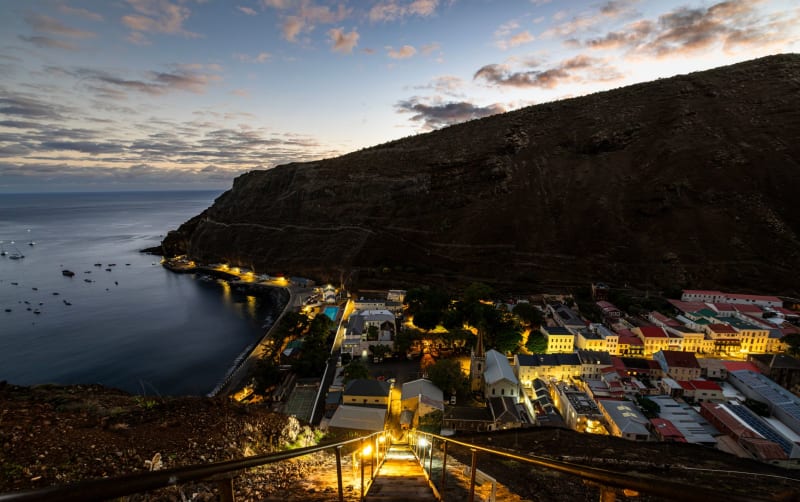 saint-lucia
 Rodney Bay
Saint Lucia's liveliest northern hub where a blue-water marina, serious sailing culture, and the island's best nightlife converge unapologetically.
Explore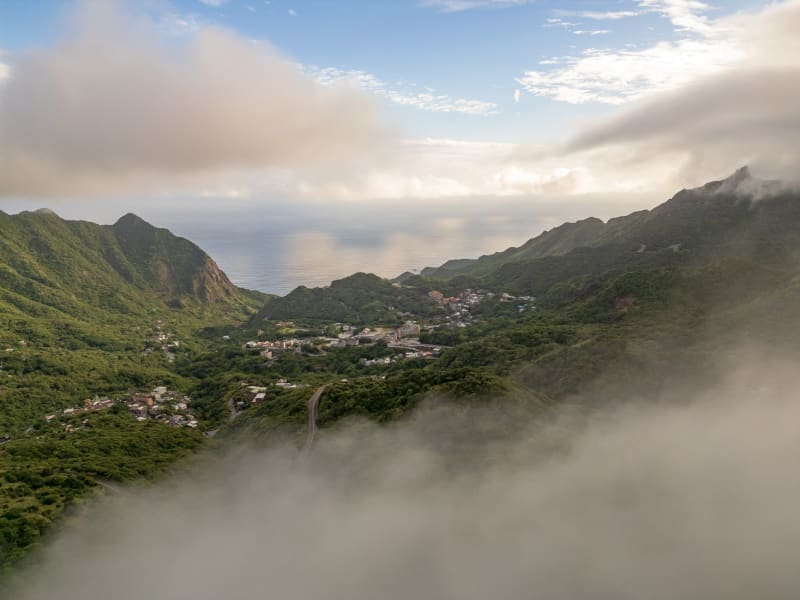 saint-lucia
 Soufrière
Saint Lucia's soul in a sulphur-scented colonial town where the Pitons stand guard over every meal and conversation.
Explore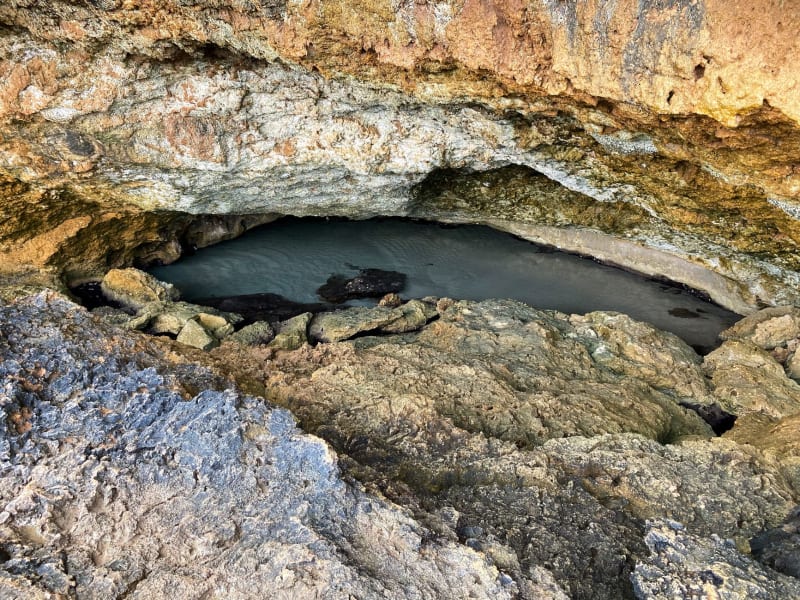 saint-lucia
 Sulphur Springs
The world's only drive-in volcano sits above Soufrière breathing sulphur into the air and making everything in the valley smell like the beginning of the earth.
Explore saint-lucia
 Tet Paul Nature Trail
A short, community-run ridge trail above Soufrière with a viewpoint locals call the Stairway to Heaven, and a Pitons view that made me stop talking mid-sentence.
Explore