
Barre de l'Isle Forest Reserve
"The spine of the island, and both its coasts visible from a single ridge."
The forested ridge splitting Saint Lucia in two, where a short rainforest trail up Morne La Combe gives you both coasts of the island at once.
Barre de l’Isle is the ridge you cross without necessarily noticing on the drive between Castries and Dennery, a forested spine that physically divides Saint Lucia into its calmer Caribbean side and its rougher Atlantic side, and I only stopped properly because a driver mentioned there was a trail worth doing right off the main road. The Mount La Combe Trail climbs from the roadside through dense secondary rainforest, gnarled gommier trees and a thick understory of ferns and heliconia, and it’s steep in short bursts but manageable in under an hour round trip, which made it an easy add-on to a day that was mostly about getting from one coast to the other.
What I hadn’t expected was the summit view. From the top of Morne La Combe, on a clear morning, you can genuinely see both the Caribbean and Atlantic coastlines of Saint Lucia at once, the island narrowing away in both directions like a green spine dropped into blue water. My guide pointed out Mount Gimie, the island’s highest peak, rising in the distance, and spent a good ten minutes trying to spot the endangered Saint Lucia parrot, locally called the jacquot, in the canopy below — we didn’t see one, but heard what he swore was its distinctive call twice.
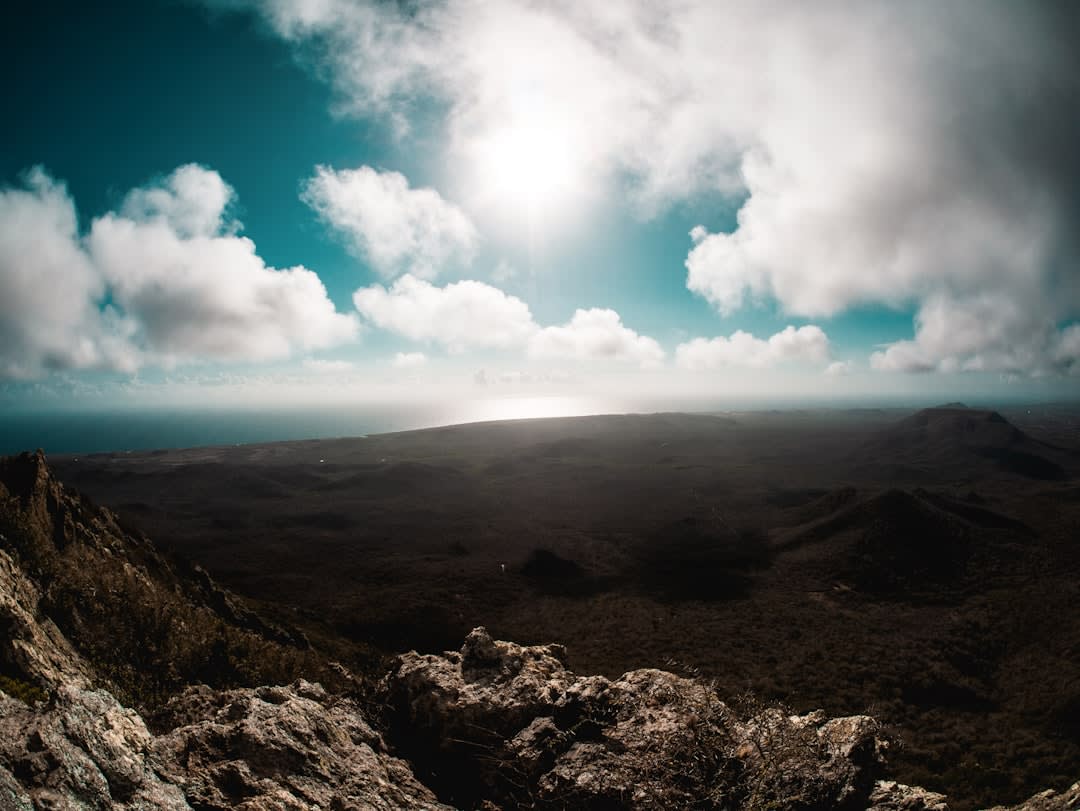
The reserve itself is one of the last significant blocks of rainforest connecting the island’s interior, and it’s managed jointly by the forestry department with a genuine conservation focus rather than as a tourist attraction, which shows in how unmanicured the trail feels compared to some of the more polished nature walks further south. Roots crossed the path everywhere, the air was thick and cool under the canopy, and I didn’t see another visitor the entire time I was up there.
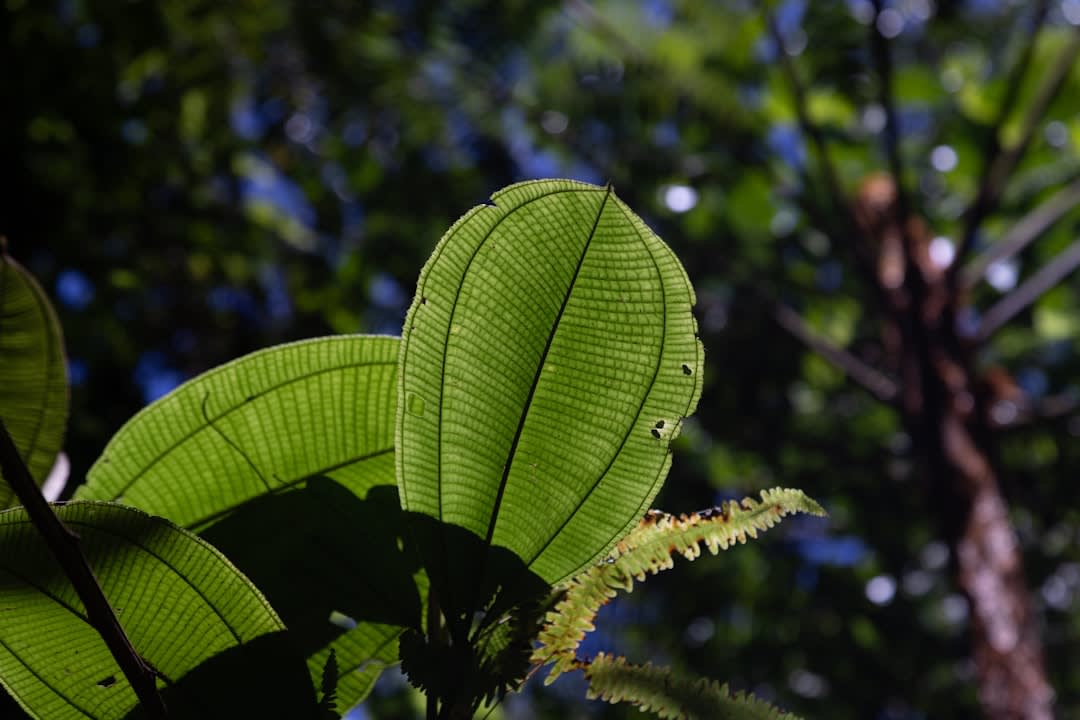
When to go: The trail is passable year-round but gets slick and muddy during the wetter months from June to November, so the dry season from January to April is the better window for clear summit views and easier footing.