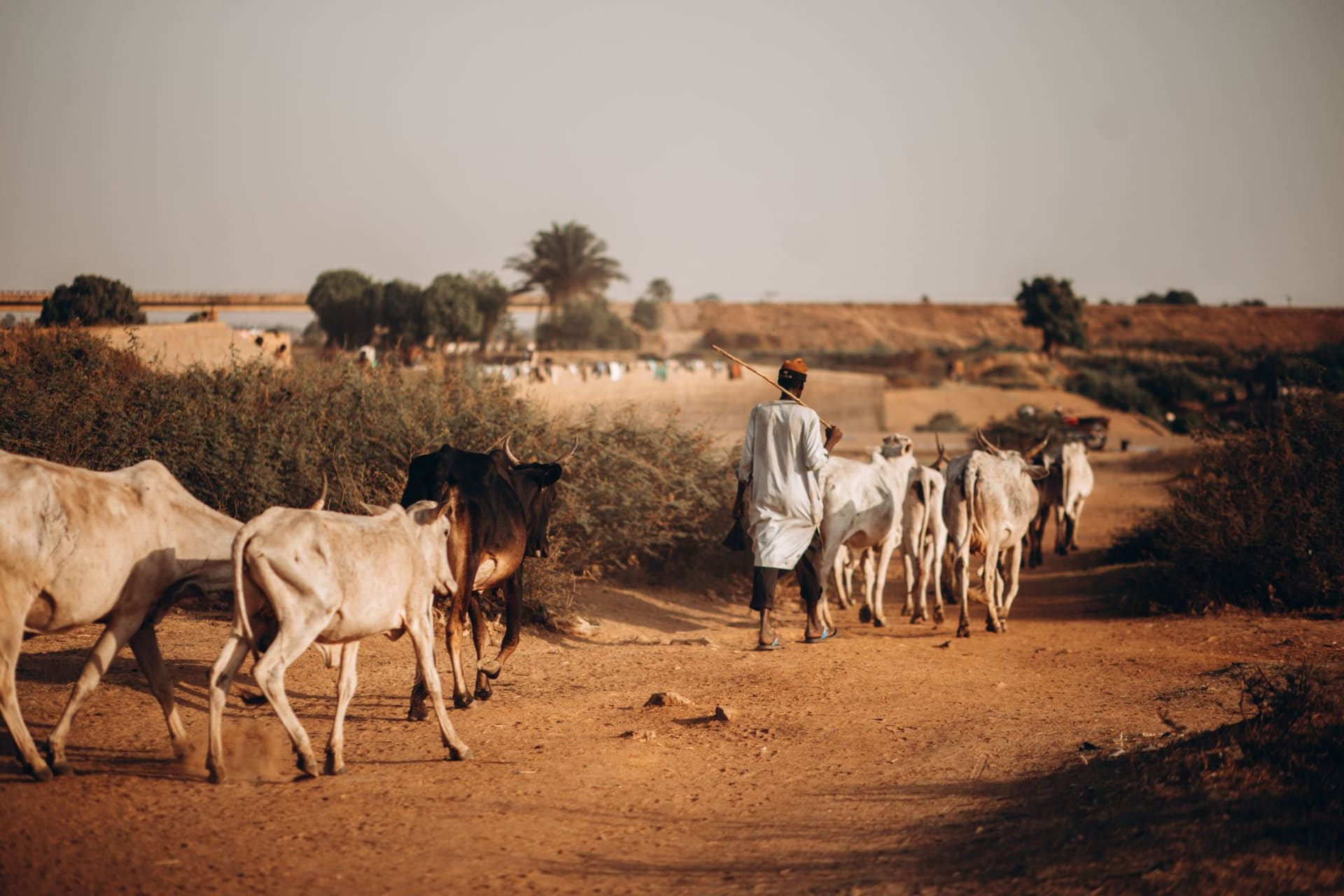
Agadez
"The minaret isn't pointing at heaven. It's measuring how far we are from everywhere else."
The last city before the Sahara swallows everything — a medieval caravan hub still running on dust, tea, and Tuareg silver.

I came into Agadez from the south on a shared bush taxi that had been running on optimism and partially functional shock absorbers for six hours. The harmattan was up — that northerly wind that carries the desert on its back — and everything at the edge of town was coated in fine reddish powder. The minaret of the Great Mosque appeared before the rest of the city did, a tapering mud-brick tower rising 27 metres above the flat roofscape, projecting wooden beams sticking out like pins in a pincushion. It looked ancient and also entirely natural, as though it had always been there, as though the earth had simply pushed it up.

Agadez has been a crossroads for a thousand years. The Tuareg and Hausa and Arab traders who moved salt, gold, leather, and slaves across the trans-Saharan routes all passed through here, and the city that formed around that traffic is still organized along those same lines — narrow alleys running between mud-brick compounds, the market spilling from the central area into surrounding streets, the smell of smoked meat and tanned leather mixing with dust. The silversmiths still occupy the same quarter they’ve worked for centuries, turning out the distinctive Tuareg crosses that each carry the name of their city of origin. I bought a croix d’Agadez from a man whose hands moved with the certainty of someone who had been making the same shape since childhood. He wrapped it in newsprint without ceremony. It was one of those transactions that felt like a historical continuity rather than a souvenir purchase.
Tea is not a drink in Agadez; it is a structure. Three glasses, poured from height, each progressively sweeter — the first bitter “like life,” the second sweet “like love,” the third sweet and cool “like death.” I sat on a carpet in a silversmith’s courtyard and drank all three and understood absolutely nothing of what was being said around me, and it didn’t matter. The ritual itself was communication enough. Time moved differently here, or rather it revealed its actual nature — something thick and negotiable, not the thin anxious thing it becomes in cities organized around efficiency.
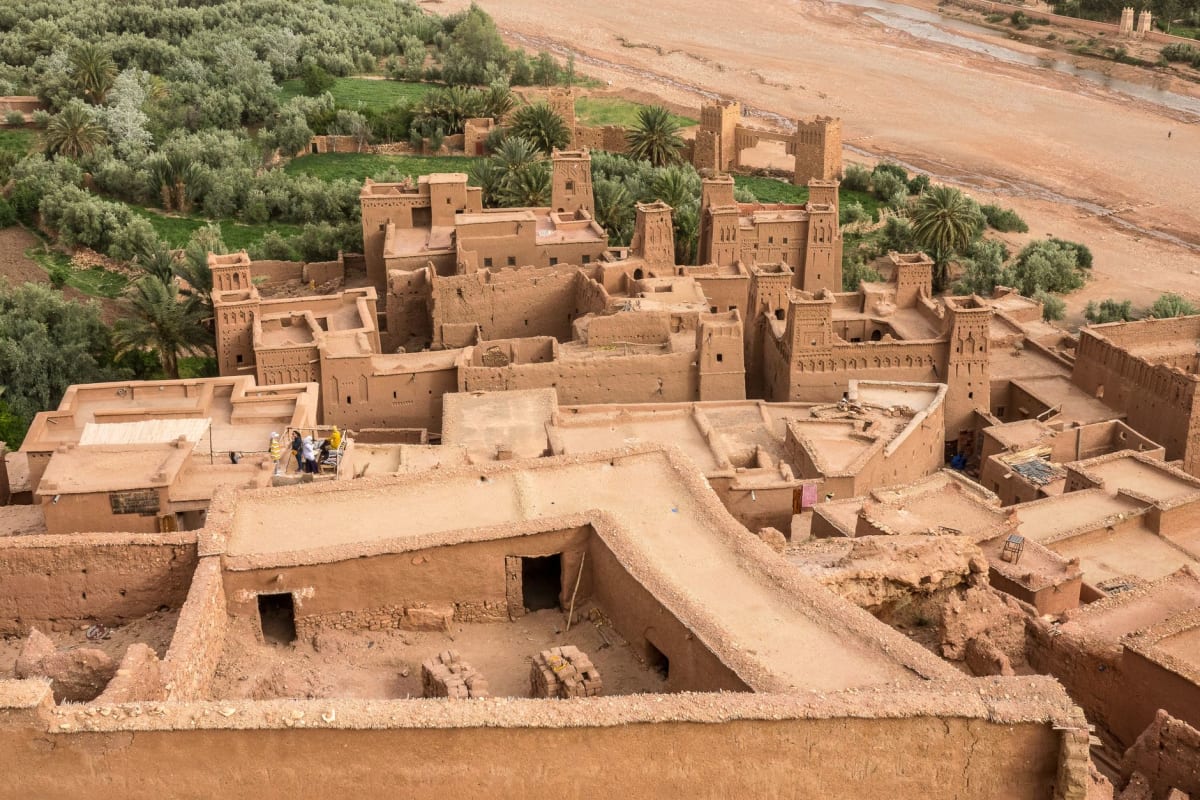
Beyond the city, the desert begins seriously and without apology. The dunes of the Ténéré accumulate to the northeast, and in the early mornings I watched camel caravans leave from the outskirts, loaded with trade goods and salt slabs from Bilma, following routes so old they had worn depressions into stone. The light at that hour — five o’clock, still dark at the edges, the sky cycling through violet into copper — was one of the finest things I saw in the Sahel. The food in town was simple and filling: rice with a thin meat sauce, mutton brochettes from a vendor near the market, bread bought from women selling out of enamel basins that was slightly sweet and tore cleanly. In the evenings the tea ritual continued — always three glasses, always from height — and the conversations I managed, conducted half in halting French and half in gesture, circled around the same subject: the desert, whether I had been in it, whether I planned to go in it, and a gently incredulous curiosity about why a person from the north would come so far to find what they considered ordinary.
When to go: November through February is the practical window. December and January offer the most comfortable temperatures — still hot by afternoon, cool enough at night to want a layer — and the best light for the surrounding desert. Avoid April through September: the pre-rains heat in April–May and the rains themselves from June onward make travel in the Ténéré genuinely dangerous.
Keep exploring
More from Sahel
 sahel
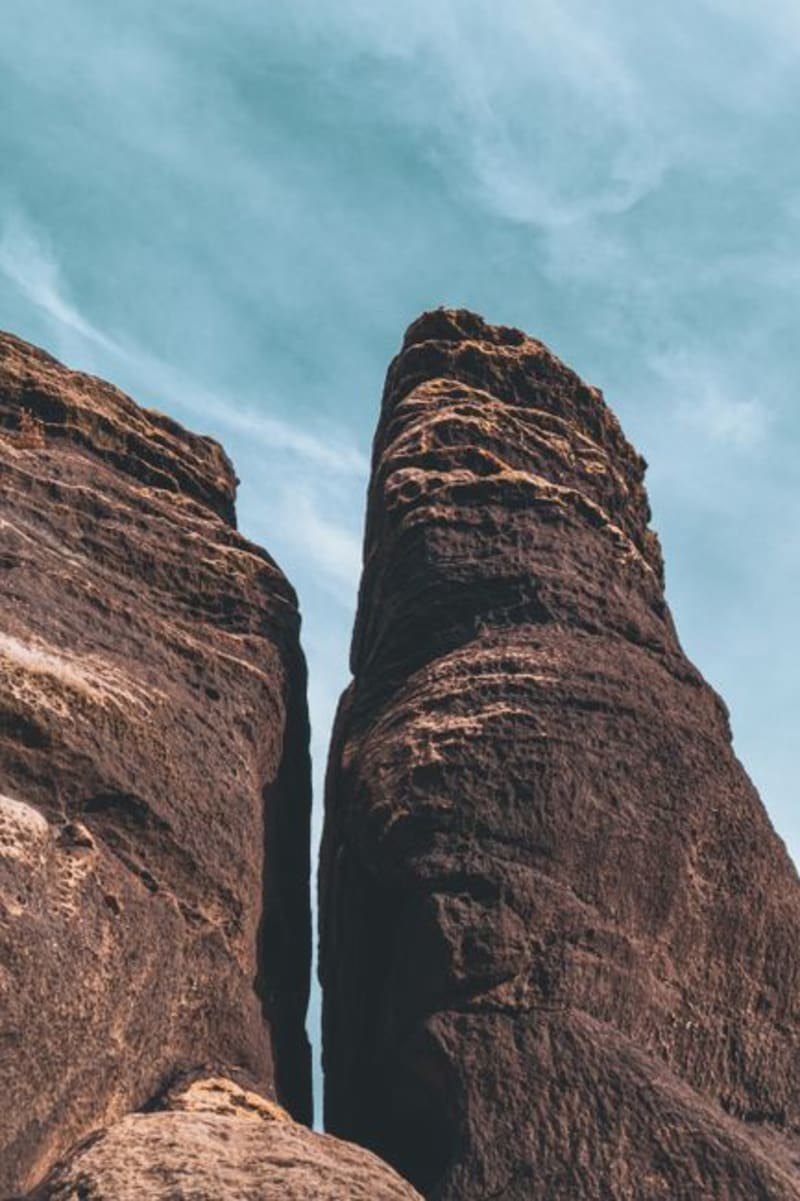
sahel Bandiagara Escarpment (Dogon Country)
A 150-kilometer sandstone cliff where Dogon granaries cling to the rock and the dead of two vanished peoples still sleep in the caves above.
Explore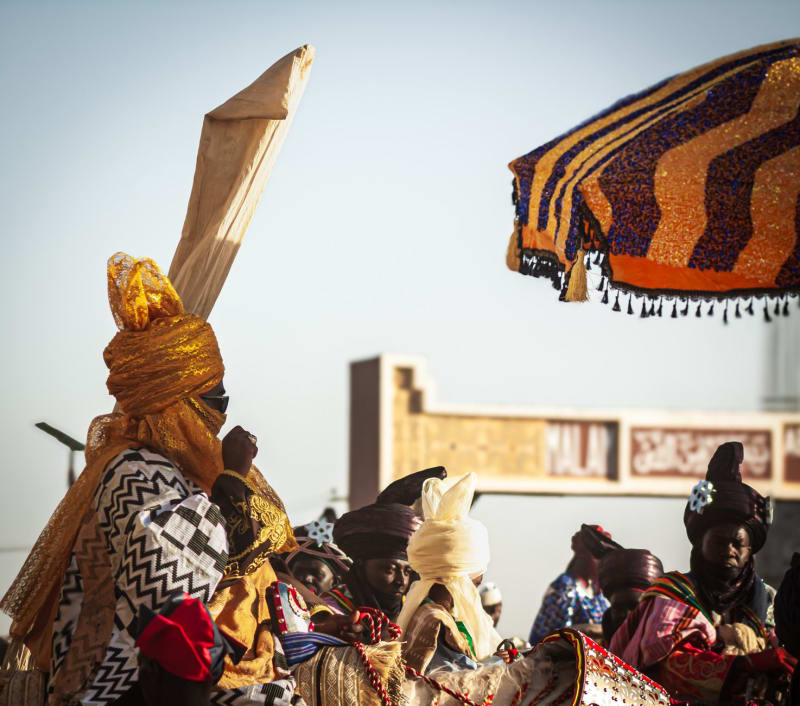 sahel
sahel Dakar
The westernmost city in Africa, facing the Atlantic with its whole chest — a capital of music, wrestling, thiéboudienne, and a salt-wind that rewrites your sense of direction.
Explore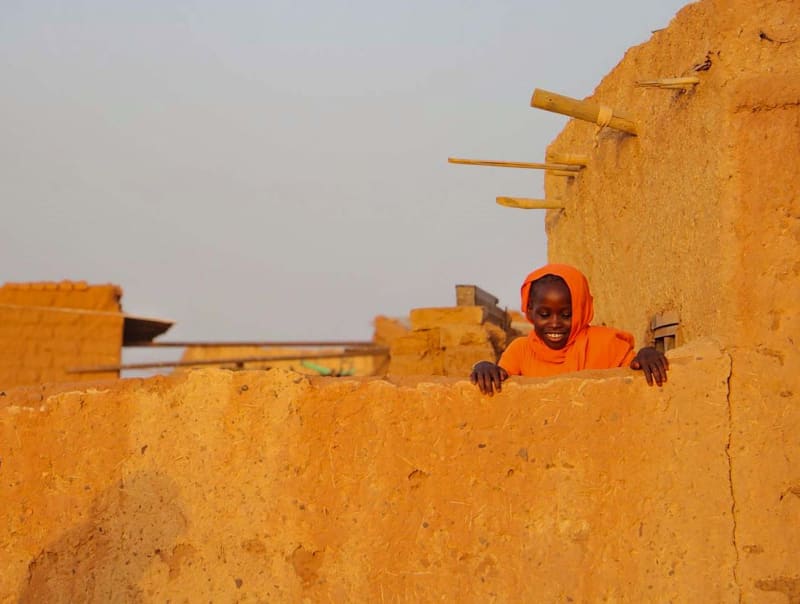 sahel
sahel Djenné
A mud-brick island city whose Great Mosque is the largest earthen building on earth — and every rainy season the whole town re-plasters it by hand.
Explore sahel
sahel Gao
Ancient capital of the Songhai Empire on the Niger's great bend — where the desert and the river negotiate a truce neither has ever kept.
Explore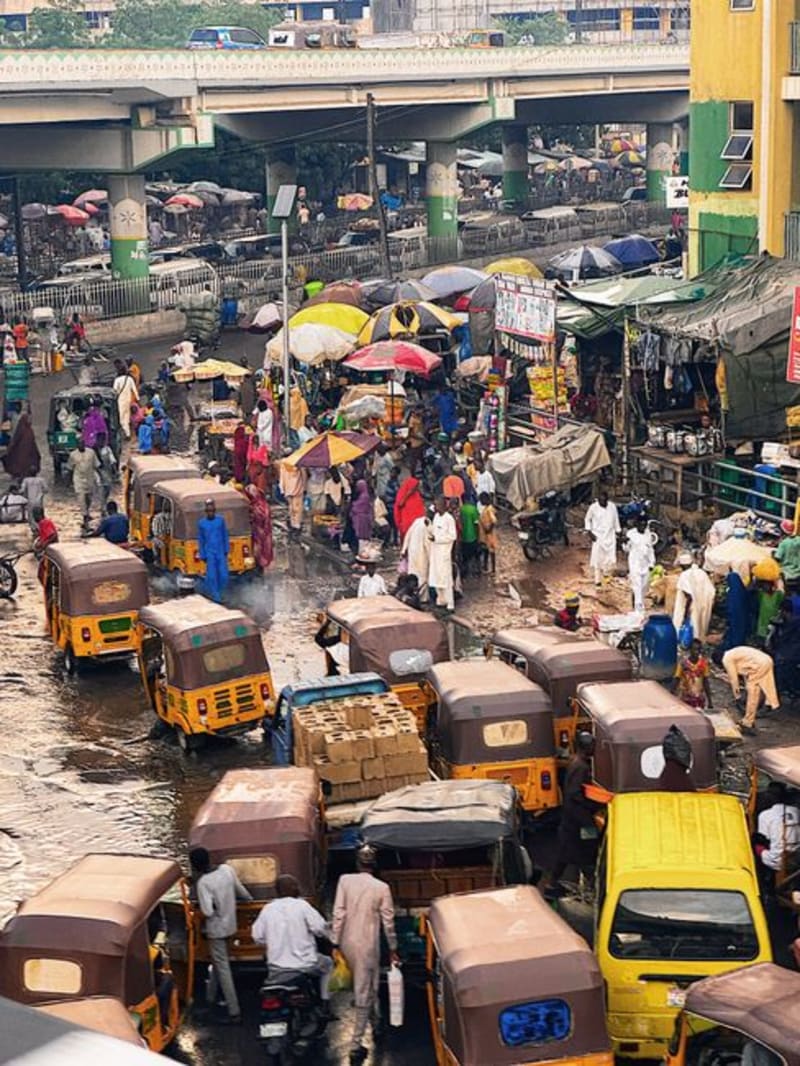 sahel
sahel Kano
A thousand-year-old caravan city where camel trains once met salt and kola nuts, and the old walls still hum with trade.
Explore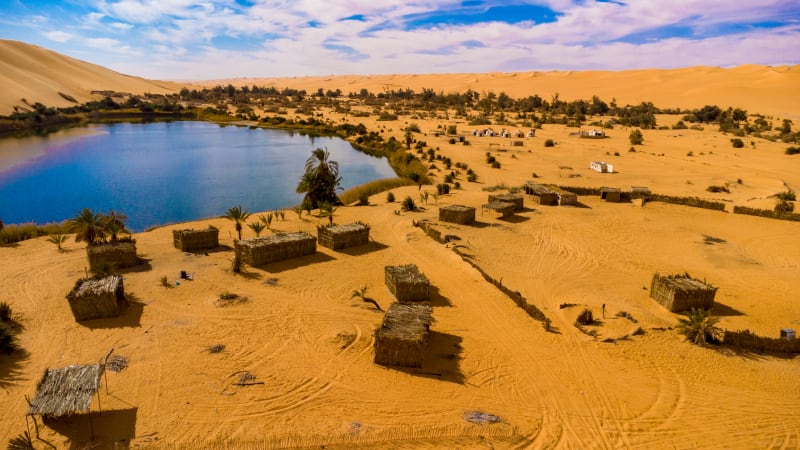 sahel
sahel Lake Chad
A once-vast inland sea shrinking before your eyes — the papyrus islands, Buduma fishermen, and pelican colonies are what remain of something that was the size of Germany.
Explore