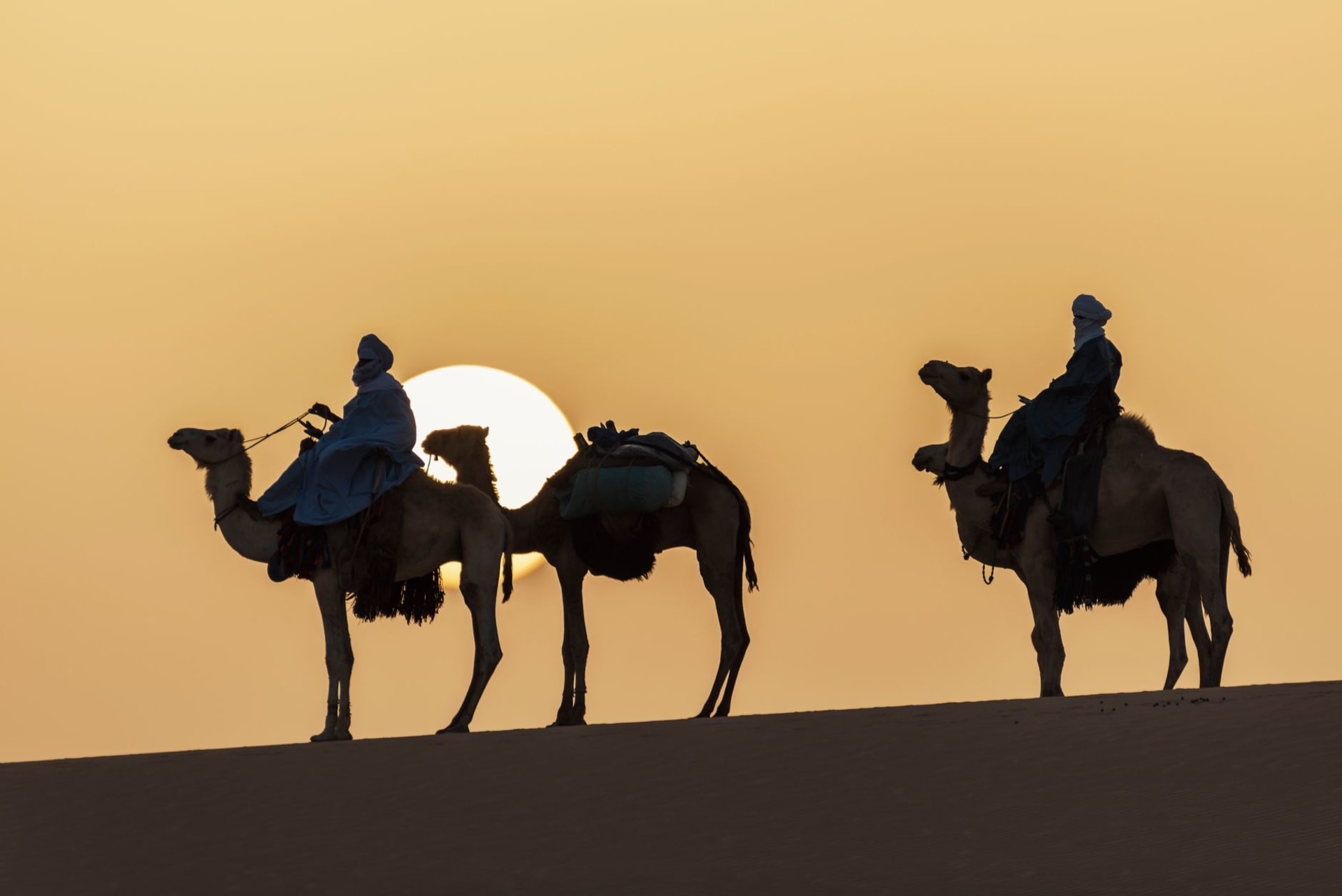
Africa
Sahel
"The light here doesn't just fall on things — it rewrites them."
A belt of dust, acacia, and slow time stretching across the continent's waist — the Sahel is where the Sahara surrenders to life and Africa reveals its most ancient rhythms.

I arrived in Niamey at the end of October, when the harmattan had just started pushing its dry breath down from the north. The air had that particular quality I’ve only ever encountered in the Sahel — a fine haze of dust suspended at mid-height, filtering the sun into something burnt and amber, making every object look slightly older than it is. A woman carrying a calabash on her head crossed the road in front of the taxi and for a moment the whole city looked like a painting someone hadn’t finished.
The Sahel is not a country. It’s a band — running from Senegal and Mauritania in the west through Mali, Burkina Faso, Niger, Chad, and Sudan in the east — a transitional zone between the Sahara above and the savannah below. That in-between quality is everything. This is where the desert reluctantly gives way to thorn scrub, baobab, and millet fields; where the nomadic Tuareg and Fulani herders follow cattle and camel routes their ancestors mapped centuries ago. In the market of Agadez, I drank tea so sweet it came to the table already caramelized, poured three times from height into small glasses — a ritual that has nothing to do with thirst and everything to do with time. You don’t rush tea in the Sahel. You don’t rush anything.
The food is honest and specific. Tô — a thick millet paste eaten with groundnut sauce — in Burkina Faso. Thiéboudienne in Dakar, the rice and fish dish that smells of smoked grouper and dried fermented shellfish and takes most of a morning to make right. Brochettes grilled over charcoal on the side of a road in Mali, eaten standing up while the cook fans the coals with a piece of cardboard. The Sahel’s cuisine doesn’t try to impress you. It feeds you.
When to go: November to February is the only window that makes practical sense — dry season, bearable heat (still hot by most standards), and the roads passable. From April onward the heat becomes punishing, and from June through September the rains arrive in short, violent bursts that can wash out tracks and make rural travel genuinely difficult. If you can tolerate the dust, December and January offer the best clarity of light and the most comfortable nights.
What most guides get wrong: They treat the Sahel as a crisis zone and nothing else. The famine, the coups, the jihadist movements — all real, all requiring serious attention to current travel advisories. But the region they describe is not the only thing that exists here. There is also extraordinary music (the desert blues of Mali, the griot traditions that run from Senegal to Guinea), some of the most complex pre-colonial Islamic architecture on the continent in the mud-brick mosques of Djenné and Agadez, and a human warmth in the hospitality culture that I’ve rarely encountered at the same intensity anywhere else. The Sahel demands homework before you go. It rewards those who do it.
Explore
Places in Sahel
 sahel
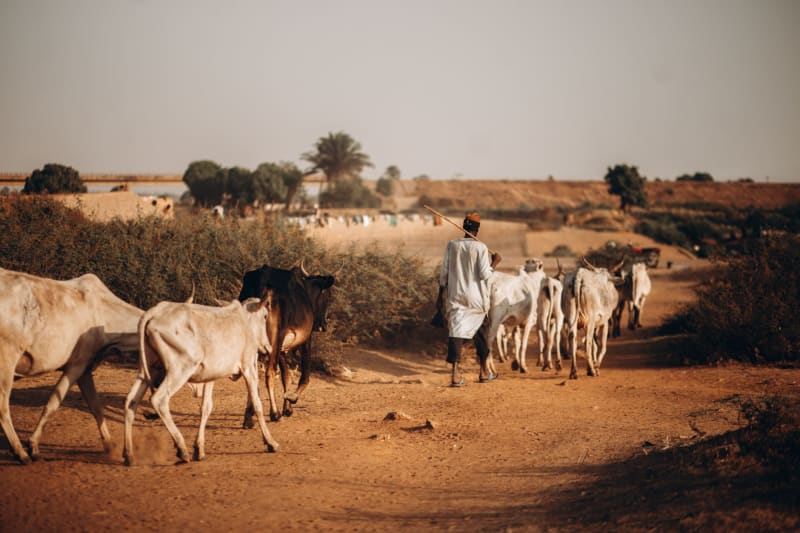
sahel Agadez
The last city before the Sahara swallows everything — a medieval caravan hub still running on dust, tea, and Tuareg silver.
Explore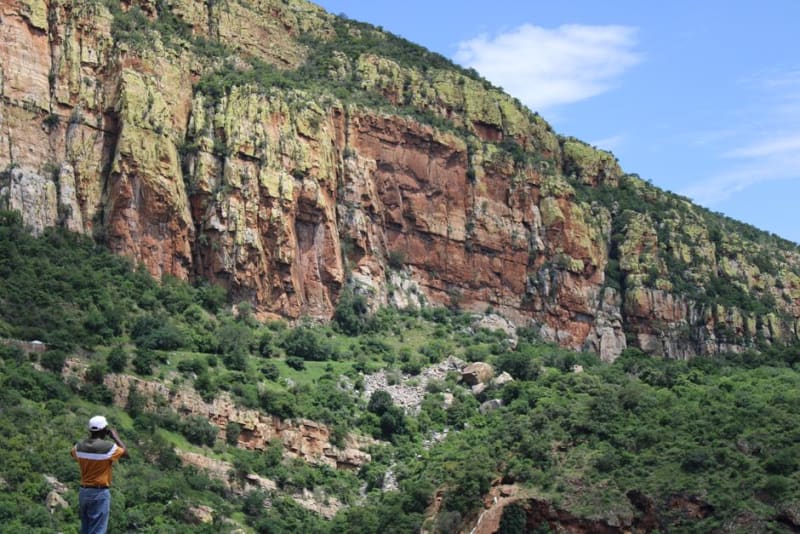 sahel
sahel Bandiagara Escarpment (Dogon Country)
A 150-kilometer sandstone cliff where Dogon granaries cling to the rock and the dead of two vanished peoples still sleep in the caves above.
Explore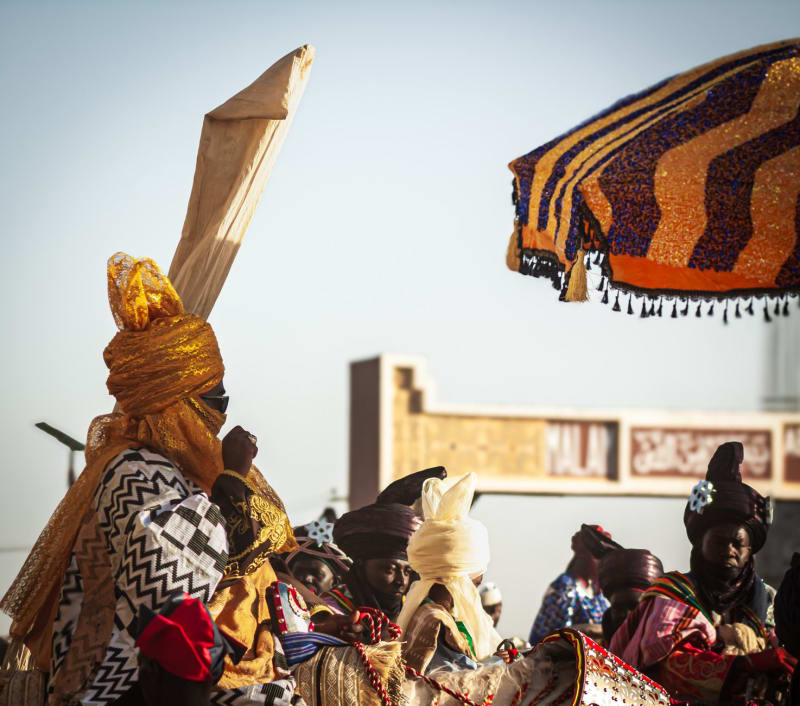 sahel
sahel Dakar
The westernmost city in Africa, facing the Atlantic with its whole chest — a capital of music, wrestling, thiéboudienne, and a salt-wind that rewrites your sense of direction.
Explore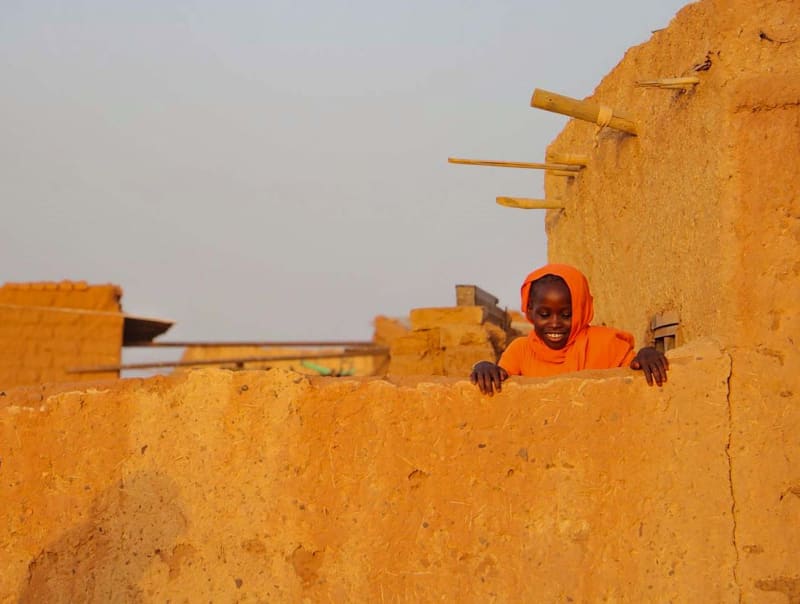 sahel
sahel Djenné
A mud-brick island city whose Great Mosque is the largest earthen building on earth — and every rainy season the whole town re-plasters it by hand.
Explore sahel
sahel Gao
Ancient capital of the Songhai Empire on the Niger's great bend — where the desert and the river negotiate a truce neither has ever kept.
Explore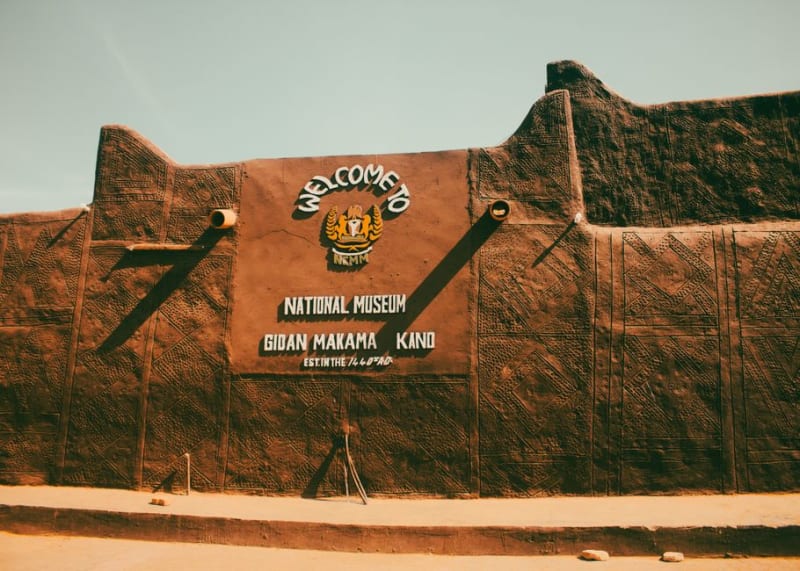 sahel
sahel Kano
A thousand-year-old caravan city where camel trains once met salt and kola nuts, and the old walls still hum with trade.
Explore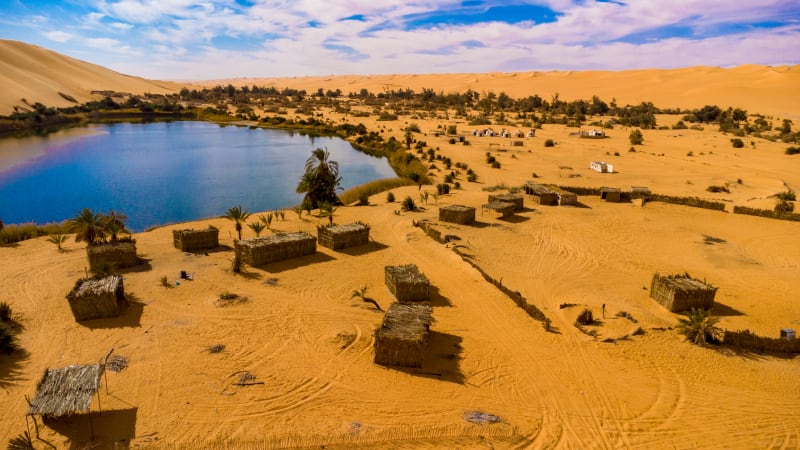 sahel
sahel Lake Chad
A once-vast inland sea shrinking before your eyes — the papyrus islands, Buduma fishermen, and pelican colonies are what remain of something that was the size of Germany.
Explore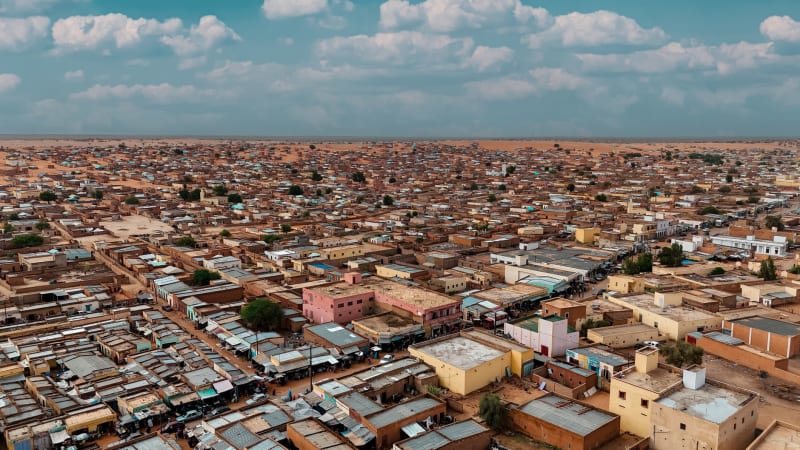 sahel
sahel Mopti
Where the Niger and Bani rivers meet in a tangle of pirogues, dried fish, and Fulani cattle — Mali's most alive city, and also its most aromatic.
Explore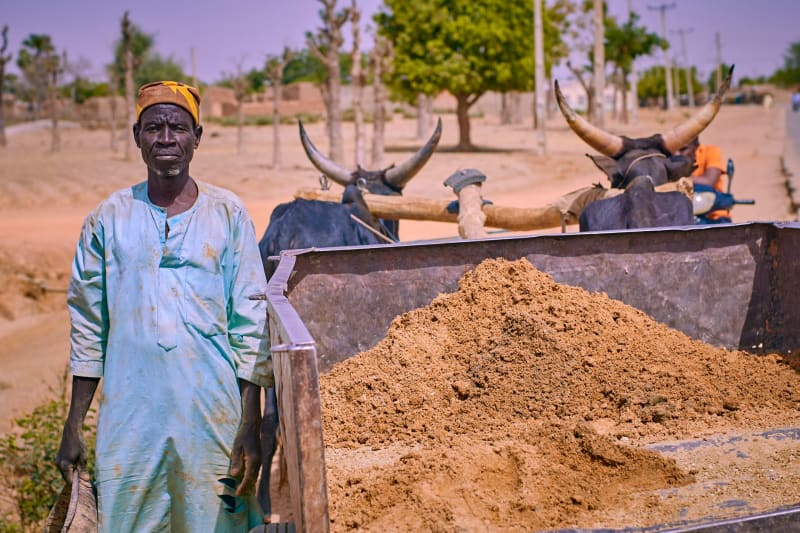 sahel
sahel Niamey
A Niger River capital that somehow still feels like a large town refusing the promotion — unhurried, honest, and alive in a way you only notice when you stop trying.
Explore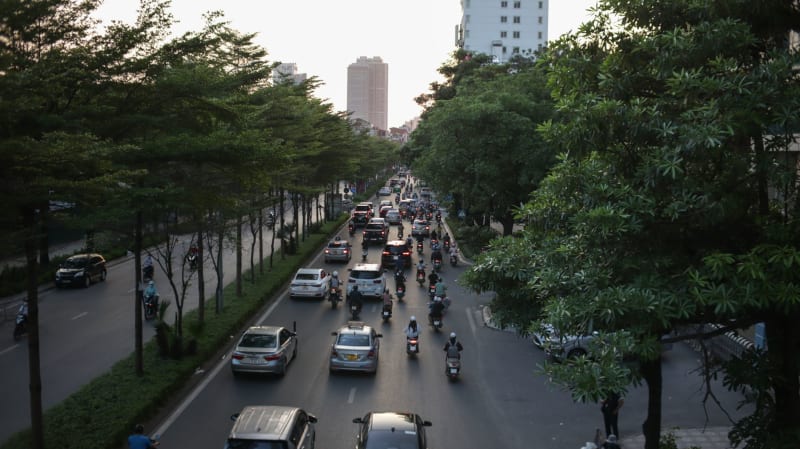 sahel
sahel Ouagadougou
Burkina Faso's moto-powered capital where FESPACO turns the city into Africa's cinema heart every two years — and where the dust and the warmth are equally relentless.
Explore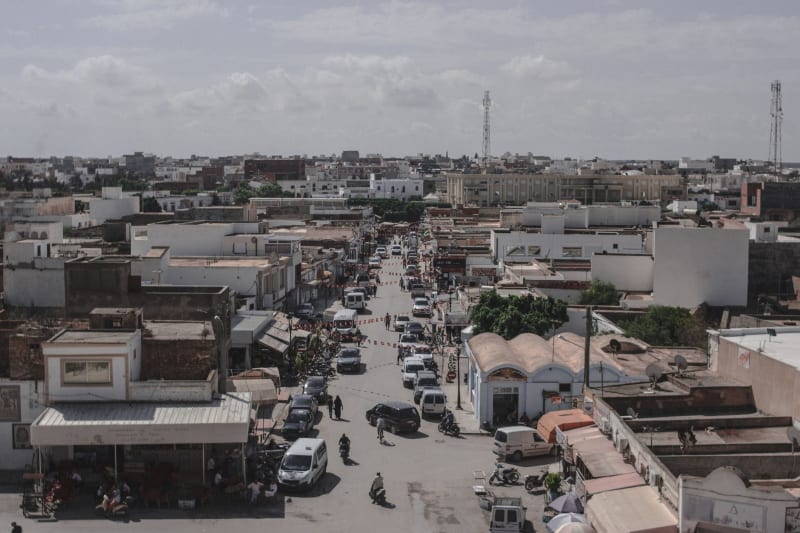 sahel
sahel Saint-Louis
A crumbling colonial island at the mouth of the Senegal River, where peeling French facades meet a fishing quarter that never sleeps.
Explore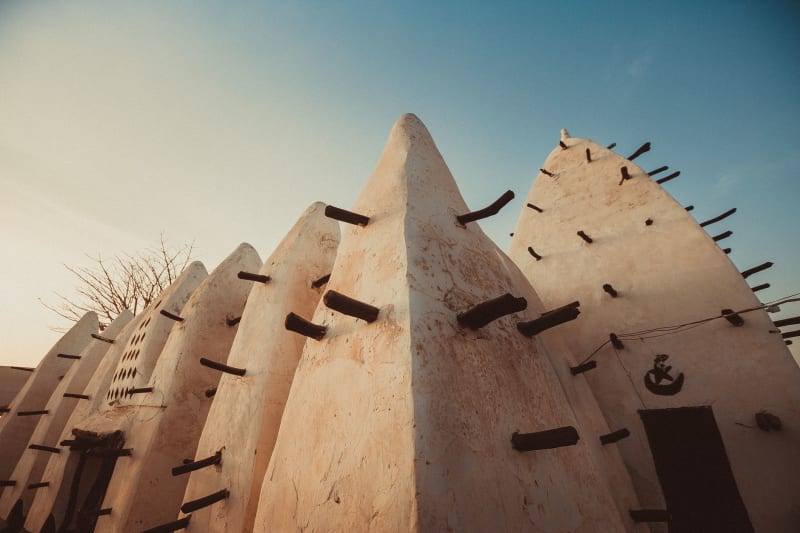 sahel
sahel Timbuktu
The mythic end-of-the-world city that actually exists — sand in the streets, ancient manuscripts, and the Sahara beginning where the last house ends.
Explore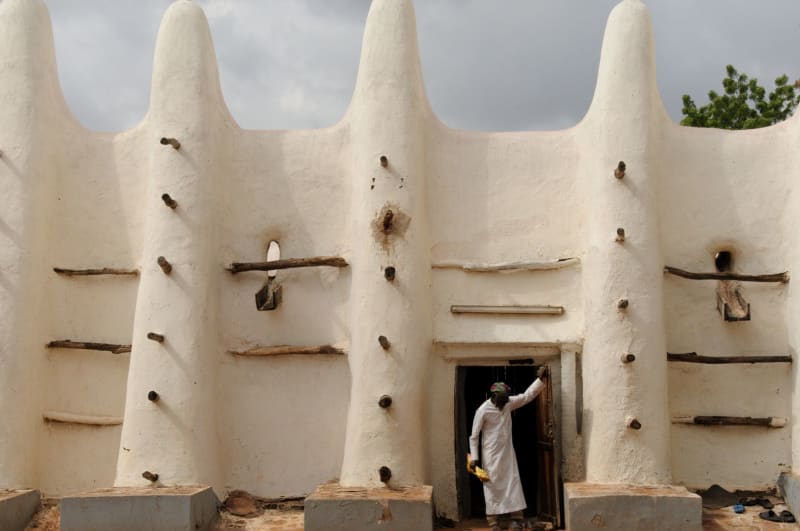 sahel
sahel Zinder
Niger's forgotten second city: a Hausa sultanate town of indigo-dyed alleyways and ancient mud-walled compounds that has never learned to perform for tourists.
Explore