Patacancha
"Every thread up here has a name, a plant, a story — nothing is just a pattern."
A red-and-black weaving village above Ollantaytambo, where alpaca wool becomes art on backstrap looms at 3,800 meters.
We almost didn’t make it up to Patacancha. The taxi driver in Ollantaytambo took one look at the sky and told us the unpaved road gets ugly fast when it rains, so we left early, bumping up the valley in a battered station wagon while the Patacancha River churned along beside us, brown and fast, before it slides down to join the Urubamba near town. The air thinned with every switchback, and by the time we stepped out at nearly 3,800 meters, Lia was breathing like she’d run a race just standing still. That’s the altitude here — it hits you before the village even comes into view.
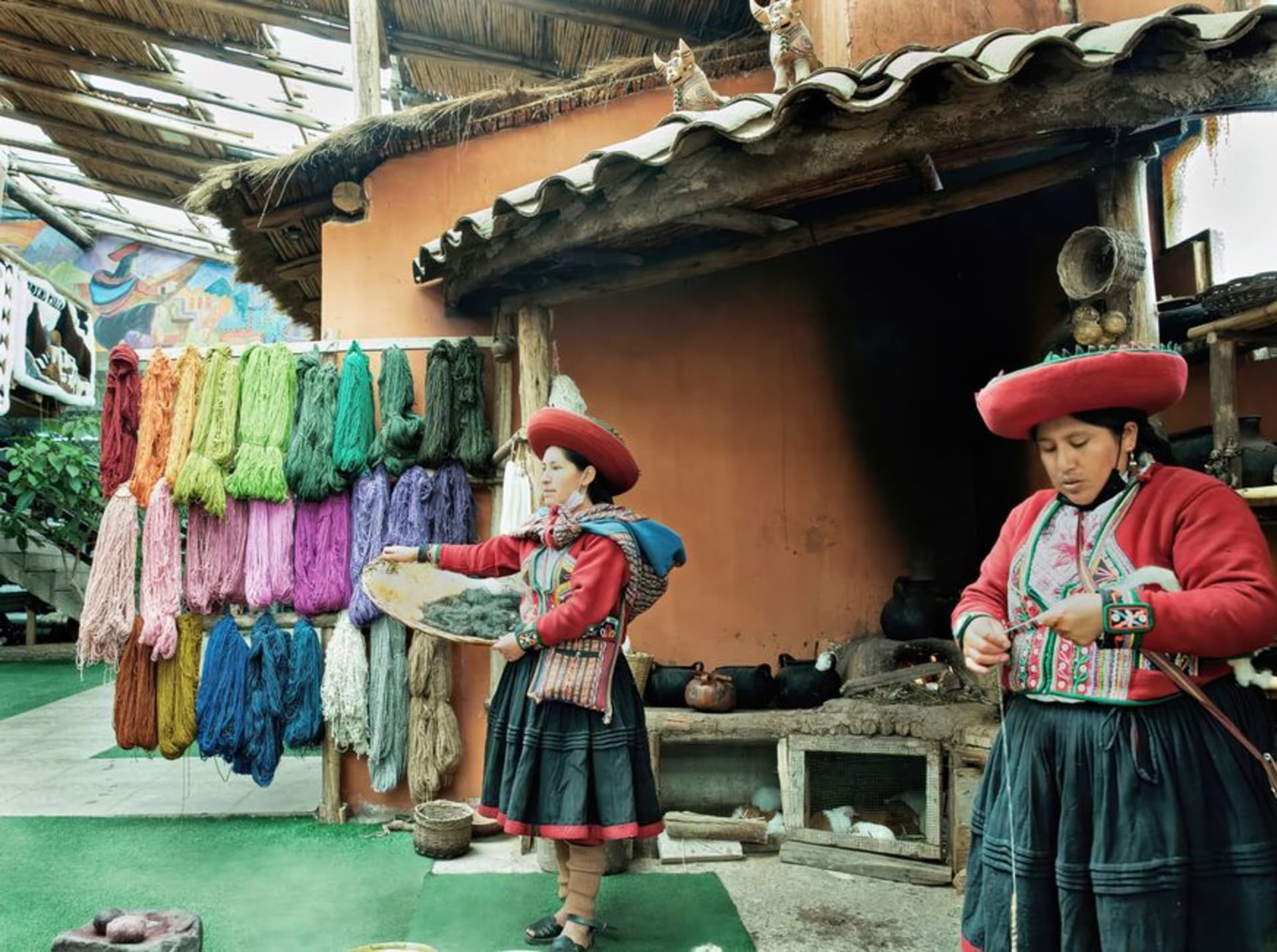
What struck me first wasn’t the landscape, though the puna grasslands rolling off toward the peaks were stunning. It was the color. Women in red-and-black patterned skirts and hats were walking alpaca and llama along the road, and the reds weren’t the flat red of a t-shirt — they had depth, almost bloody in the mountain light. I later learned that’s cochineal, the dye made from insects that live on prickly pear cactus, and it’s been used here since long before the Spanish arrived. Patacancha, along with the neighboring community of Willoq, is part of a small network of villages that never let the old backstrap-loom techniques die out, even as so much of that knowledge disappeared elsewhere in the Andes.
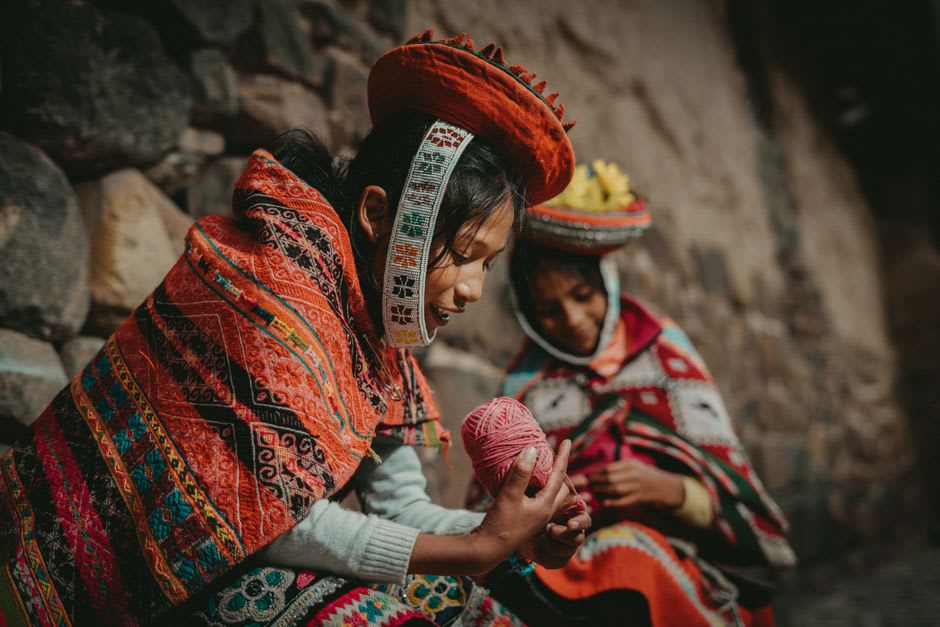
We ended up at one of the weaving cooperatives connected to the Center for Traditional Textiles of Cusco, and an older woman named Herminia sat with us for almost an hour, showing us how she strings the loom to her belt and leans back to create tension — no frame, no machine, just her body as the anchor. She showed us baskets of dyed wool: cochineal reds, but also yellows from a local flower I didn’t catch the name of, and grays and browns that came straight off undyed alpaca. Lia bought a small woven coin purse, and I bought nothing, mostly because I couldn’t decide and didn’t want to insult anyone’s work by rushing the choice.
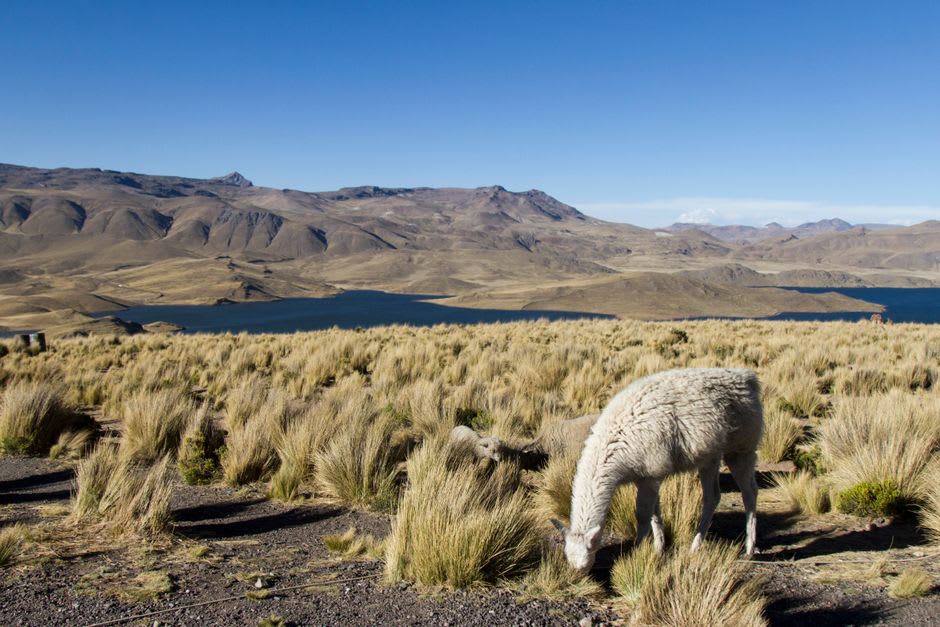
On the walk back down toward where the car was waiting, we passed a group of kids herding llamas that seemed entirely unbothered by tourists, and an older man who nodded at us but kept walking, wool spindle turning in his hand without him even looking at it — muscle memory built over decades. That’s the thing about Patacancha that stayed with me longest: it’s not a performance for visitors. The weaving, the herding, the dyeing, it all continues whether or not anyone from Ollantaytambo bothers to drive up and watch.
When to go: Aim for the dry season, April through October — the road up from Ollantaytambo is unpaved and turns treacherous in the rain, and you’ll want clear skies for the views over the puna anyway.