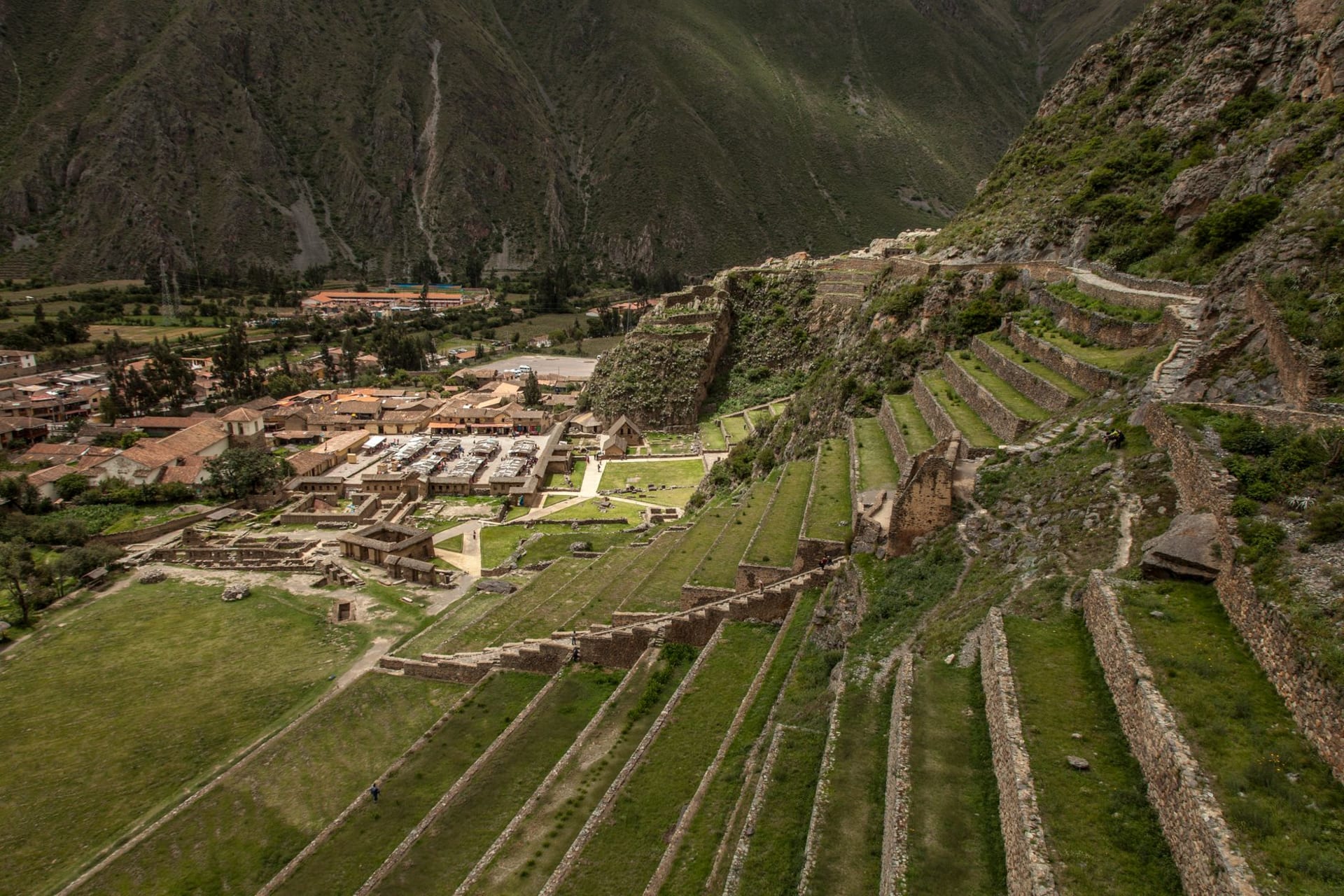
Huchuy Qosqo
"There was no ticket booth, no rope, no one at all, and that absence is now the rarest thing in the whole valley."
Huchuy Qosqo means “Little Cusco” in Quechua, and the name is a clue to both what it is and why almost nobody goes there. It was a royal estate built for the Inca Wiracocha, a smaller country version of the capital, set on a wide terrace partway up the steep northern wall of the Sacred Valley above the village of Lamay. You cannot drive to it. You have to walk, either up from the valley floor or down from the high puna, and that single fact has kept it almost entirely free of the crowds that now move through Pisac and Ollantaytambo in coach-sized clumps. We went specifically because a man in Calca told us it would be empty, and for once a tip like that proved exactly true.
The climb
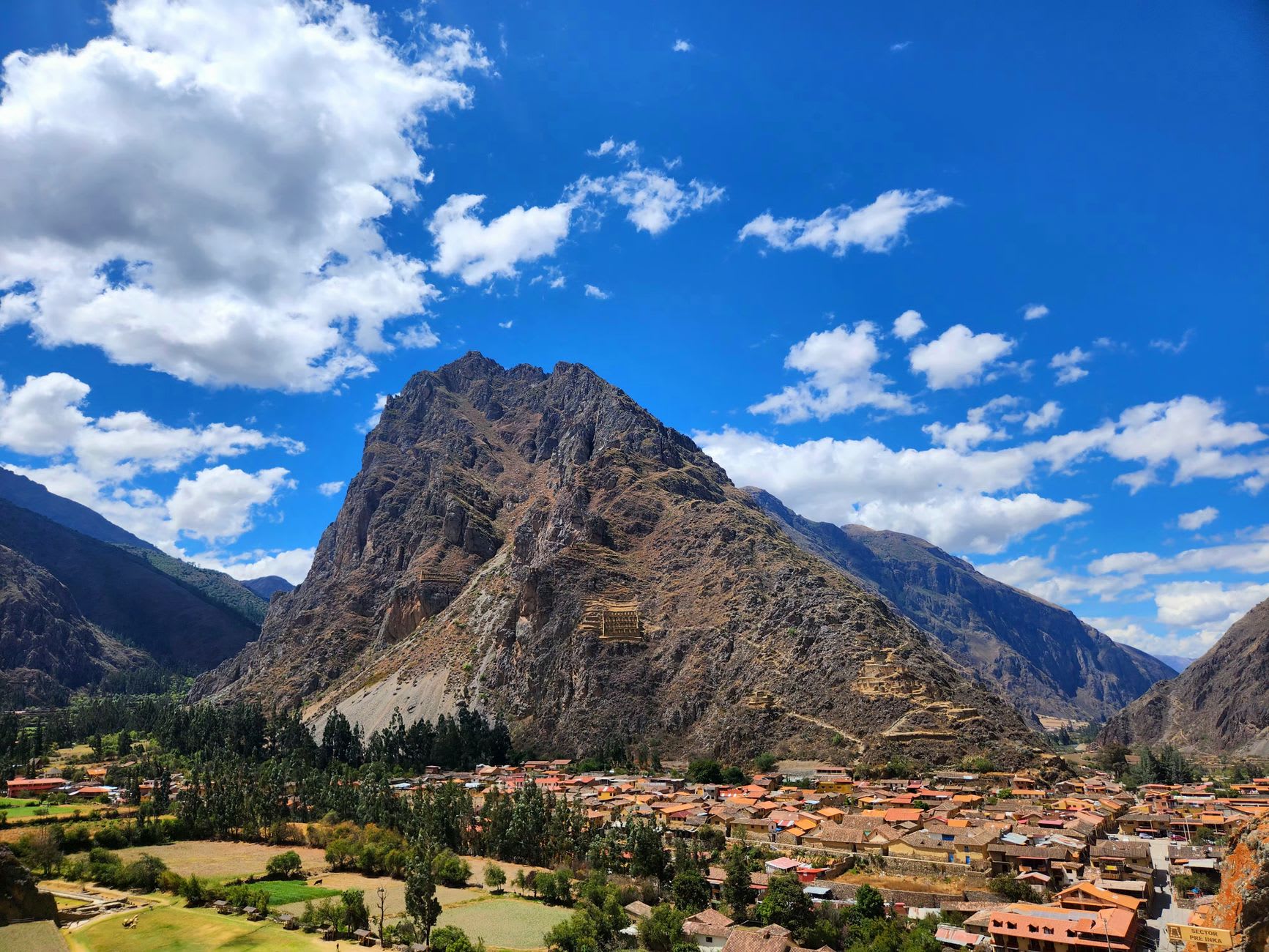
We took the route up from Lamay, which is the short way and still not short — a relentless switchbacking climb of around six hundred metres that we did slowly, stopping often, partly for the view and partly because at this altitude my lungs had opinions. The path follows an old Inca trail in places, the original stone steps worn smooth, and passes through the small farm plots of families who still work these slopes with the same terraces their ancestors built. A woman driving a few sheep uphill passed us going faster than we were, carrying more, and wished us a cheerful buenos días that I could only return between gasps.
The reward, when the trail finally levels onto the terrace, is a site of real beauty and almost total silence. There is a long two-storey hall — a kallanka — built of fieldstone below and fine adobe above, its trapezoidal doorways still standing, and a series of agricultural terraces stepping down toward the lip of the cliff. Below all of it the Sacred Valley opens out: the Urubamba River a brown ribbon, the patchwork of fields, the snow line on the far peaks. There was no ticket booth, no rope, no one at all, and that absence is now the rarest thing in the whole valley.
What you actually feel up there
I have been to a great many Inca sites by now, and the truth is that most of them have been polished into something a little airless by sheer volume of visitors — you queue, you photograph, you move along. Huchuy Qosqo gives you back the thing those places have mostly lost, which is the chance to simply sit on a wall in the wind and try to imagine the place inhabited. Lia stretched out on the warm stone of the terrace and fell half asleep in the sun while I poked around the hall and a hawk worked the updraught along the cliff face. We saw two other hikers in three hours. A small irrigation channel, Inca-built, still carried water across the site with a faint trickling sound, which somehow moved me more than any temple.
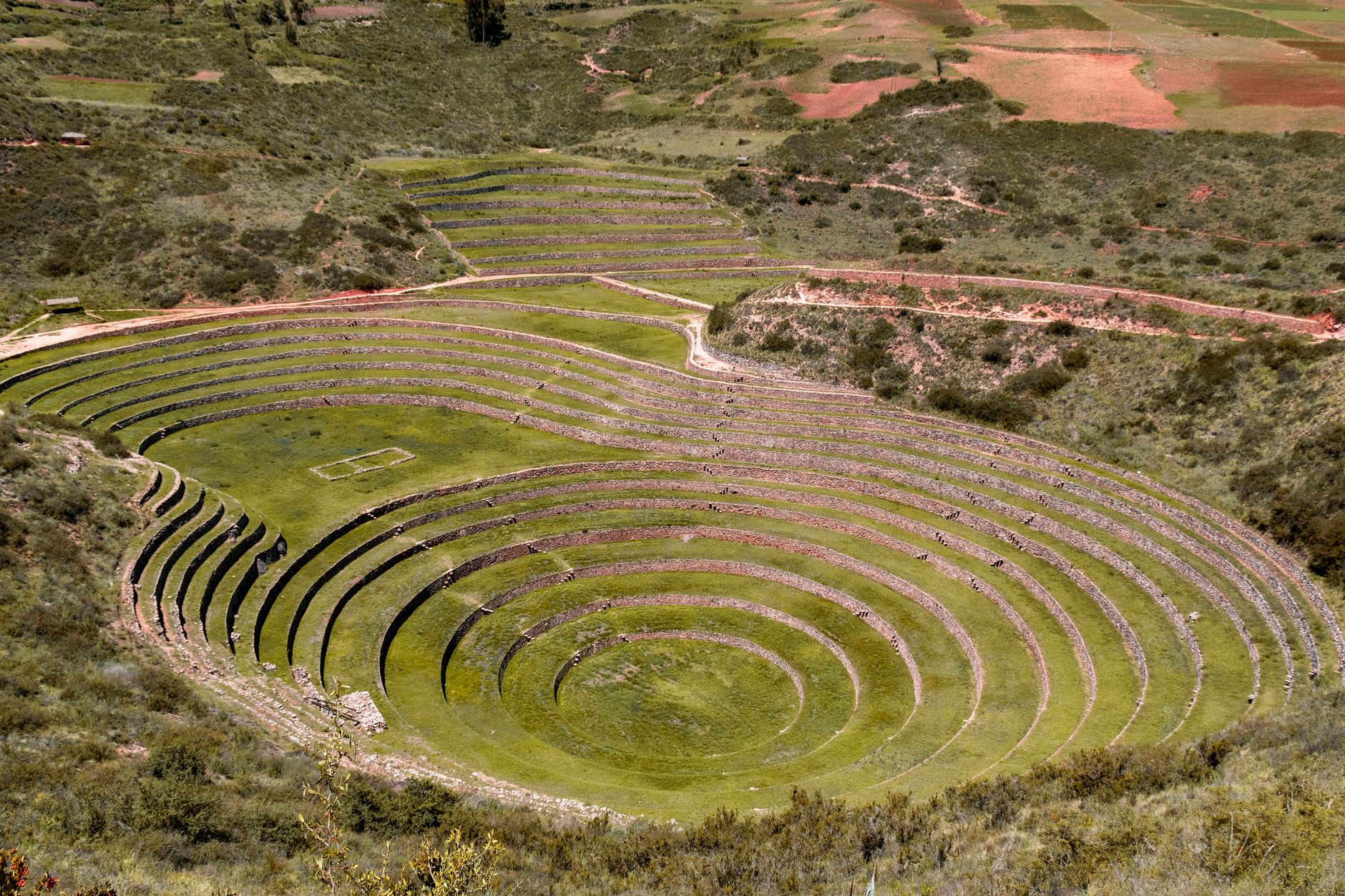
You can descend the same way to Lamay, or — if you have the legs and the logistics — make it a longer point-to-point trek that begins up on the high plateau near Tambomachay outside Cusco and drops down through the pass to the ruins and on to the valley. The longer route is genuinely spectacular and genuinely tiring; the day trip from Lamay is the honest, achievable version for most people.
When to go
The dry season from May to September gives the most reliable footing and the clearest valley views, with cold, bright mornings and the occasional frost up high. Avoid the wettest months of January through March, when the steep trail turns slick and the afternoon cloud swallows the view you climbed for. Whichever month you choose, start early to climb in the cool and to have the terrace to yourself before the rare midday walkers arrive, and treat the altitude with respect — spend a couple of days in the valley first.